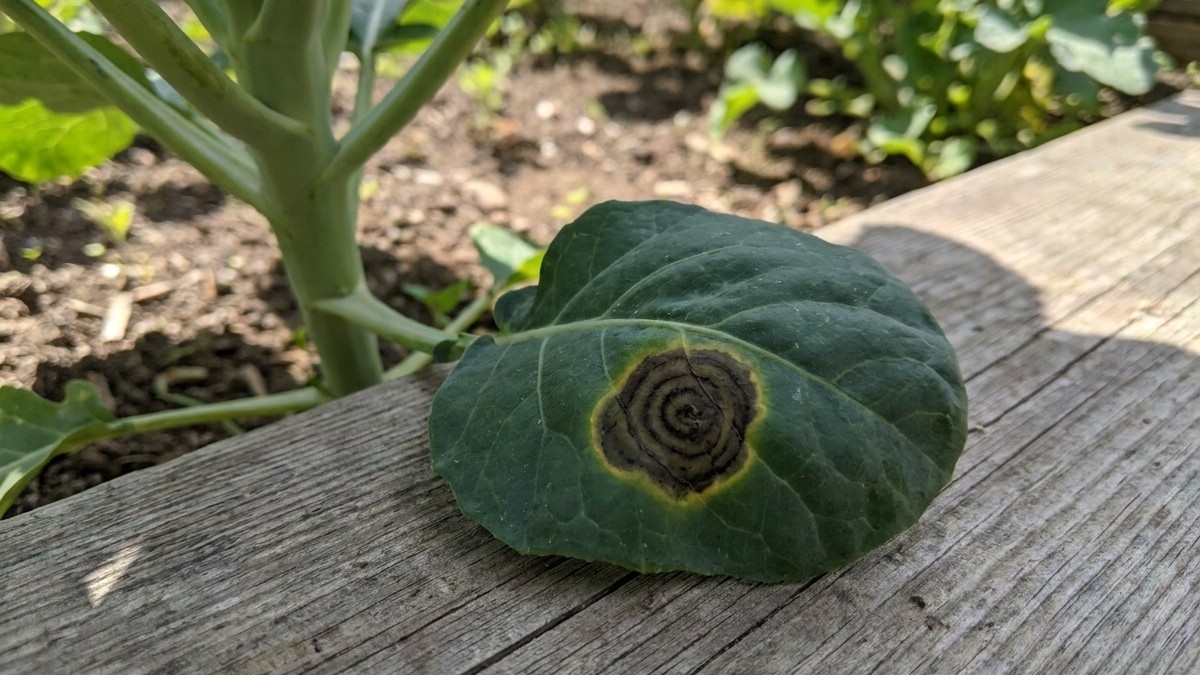

Summer Squash in Wisconsin faces six pests worth watching: squash bug, squash vine borer, cucumber beetles, aphids, flea beetles, and slugs. Each shows up on its own timeline tied to the state’s short growing season, and each leaves a different kind of damage. The sections below sort out which pest does what, when it arrives, and how to tell its work from something that only looks like a pest problem.
Which pests attack summer squash in Wisconsin

The University of Wisconsin-Madison Division of Extension documents a long list of vegetable garden pests for the state, but most of that list has nothing to do with squash. Sorting the documented species by what they actually eat narrows things down fast, and Wisconsin’s frost-free window (April 16 to April 29 for the last spring frost, October 17 to October 29 for the first fall frost) is what sets the clock for all of them, since summer squash can’t go in the ground, and none of these pests can build a population, until that window opens.
Six species on the extension list feed on summer squash directly. Squash bugs pierce leaves and stems and inject a toxin that causes wilting. Squash vine borer larvae tunnel inside the stem itself, cutting off water to everything past the entry point. Cucumber beetles, both striped and spotted, chew leaves and blossoms and carry bacterial wilt, meaning the extension list’s note on “vectors of bacterial wilt” refers to this same insect, not a separate one. Aphids cluster on the undersides of leaves and stunt new growth. Flea beetles riddle young seedling leaves with small round holes. Slugs rasp irregular holes in leaves and fruit, usually worse in wet years, and Wisconsin summers averaging around 11.4 inches of rain across June, July, and August give them plenty of chances.
The rest of the extension’s documented pests belong to other crops entirely. Asparagus beetle feeds only on asparagus spears and ferns. Colorado potato beetle, potato leafhopper, and the entry the extension calls “the most distinctive pest of potatoes” all stay on potato foliage. Cabbage looper, imported cabbageworm, and cabbage maggot are brassica specialists that ignore cucurbits. Onion maggot and seed corn maggot work underground around onion and corn seedlings, not squash. European corn borer and corn earworm target corn ears and stalks. White grubs and wireworms feed on turf roots and root crops, not vining squash stems. Tarnished plant bug and thrips are documented on other garden and field crops in this list, not named as squash feeders here. Naming any of them as a squash pest would be reading more into the record than the extension service actually reports.
When each one shows up, and what it does first
Squash timing in Wisconsin runs off the frost-free window, not a calendar month, because transplant dates shift by a week or two depending on where in the state a garden sits. Seedlings and young transplants set out once the spring frost risk has passed are the first target: flea beetles find them almost immediately, leaving leaves that look shot full of tiny holes within days of emergence. Aphids build up a few weeks later, once plants have enough new growth to support a colony, and the first sign is usually curled or yellowing leaf tips rather than the insects themselves, which hide underneath.
Cucumber beetles arrive early too, often chewing on cotyledons before true leaves even form, and their early feeding matters because it’s also when bacterial wilt gets introduced into a plant that looks otherwise healthy. Squash bugs show up a bit later in the season, once plants are vining and flowering, and the first noticeable sign is a cluster of bronze, football-shaped eggs on the underside of a leaf rather than damage itself.
Squash vine borer is the pest with the clearest documented timing: egg-laying starts from the last week of June in Wisconsin, which lines up with when squash vines are usually established and running. The first visible sign isn’t the borer at all, it’s sudden wilting of a single vine on an otherwise healthy plant, sometimes overnight, while the rest of the plant looks fine. Slugs are the outlier here since they’re weather-driven rather than calendar-driven, showing up any time the soil stays wet, most often after a heavy rain in a summer that’s already delivering close to 4 inches a month.
Telling the damage apart from everything else
A wilting squash vine is the single most common false alarm in a Wisconsin garden, because it can mean squash vine borer, but it can just as easily mean the plant simply isn’t getting enough water, especially during one of the roughly seven days a year the region hits 90°F or higher, when evaporation outpaces what roots can pull in. The gesture that actually settles it is checking the base of the wilted vine for a small hole with sawdust-like frass around it; drought stress never produces that, it only produces uniformly droopy leaves that recover once watered.
| What you see | Could be the pest | Could also be | What tells them apart |
|---|---|---|---|
| Small round holes in seedling leaves | Flea beetles | Hail or wind-whipped debris | Flea beetle holes are numerous and consistent across a leaf; mechanical damage is scattered and tears rather than punches |
| Sudden wilting of one vine | Squash vine borer | Underwatering, transplant shock | Frass and an entry hole at the stem base point to the borer; wilting from dry soil affects the whole plant, not one runner |
| Yellowing, curled leaves | Aphids or bacterial wilt from cucumber beetles | Nitrogen deficiency | Aphid colonies are visible on leaf undersides; wilt from beetle-vectored bacteria progresses fast and doesn’t respond to fertilizing |
| Ragged holes in leaves and fruit | Slugs | Squash bugs feeding | Slug damage comes with slime trails, worse after rain; squash bug feeding shows up with the bronze egg clusters nearby |
None of these signs are a substitute for an actual look at the plant. A county extension office can confirm what a photo or a sample suggests, and that step matters more than guessing from a symptom list.
What actually works here, and what is a waste of time
Given how short the growing season already is, prevention beats reaction almost every time in Wisconsin gardens. Row covers placed over seedlings at transplanting keep flea beetles and cucumber beetles off entirely, but they need to come off once flowers open so pollinators can reach the blossoms, which means the timing of removal matters as much as the timing of placement. Because squash vine borer egg-laying starts the last week of June, a cover left on through early July, with the ends sealed to soil, blocks the moths from laying eggs on stems during their most active window.
Removing and destroying vines at the end of the season, rather than tilling them under, cuts down on overwintering squash vine borer pupae and cucumber beetles that would otherwise emerge again the following June. Rotating where squash goes in the garden from year to year does the same for beetle populations that overwinter in nearby soil. Hand-picking squash bug egg clusters off leaf undersides before they hatch is tedious but effective, and it works better than almost anything sprayed on afterward.
What wastes time: treating wilted vines after the borer has already tunneled in, since the damage inside the stem is already done by the point wilting shows. Broad insecticide applications timed to a calendar date rather than an actual sighting also tend to miss the pest’s real activity window and can knock back the pollinators the plant needs for fruit set. Since this site doesn’t recommend specific products or active ingredients, any treatment decision belongs with a county extension office, which knows what’s currently labeled for use in Wisconsin gardens.
Where to check this for your own county
Statewide documentation is a starting point, not a forecast for one specific garden. Pest pressure inside Wisconsin varies enough that a county along Lake Michigan, where the lakeshore delays the first fall freeze, can see a different pest timeline than an inland county in the southern part of the state that typically freezes by early October, and the northern part of the state freezes earlier still. What’s documented at the state level tells a reader what to watch for, not what’s actually in their own soil this year.
The University of Wisconsin-Madison Division of Extension maintains a directory of county offices, and that local office is the right next call for a positive identification, a soil test, or current guidance on managing an infestation once one is confirmed. Bring a sample or a clear photo of the damage, not just a description, since squash bug eggs, cucumber beetle feeding, and early slug damage can look similar from across the yard but require different responses up close.