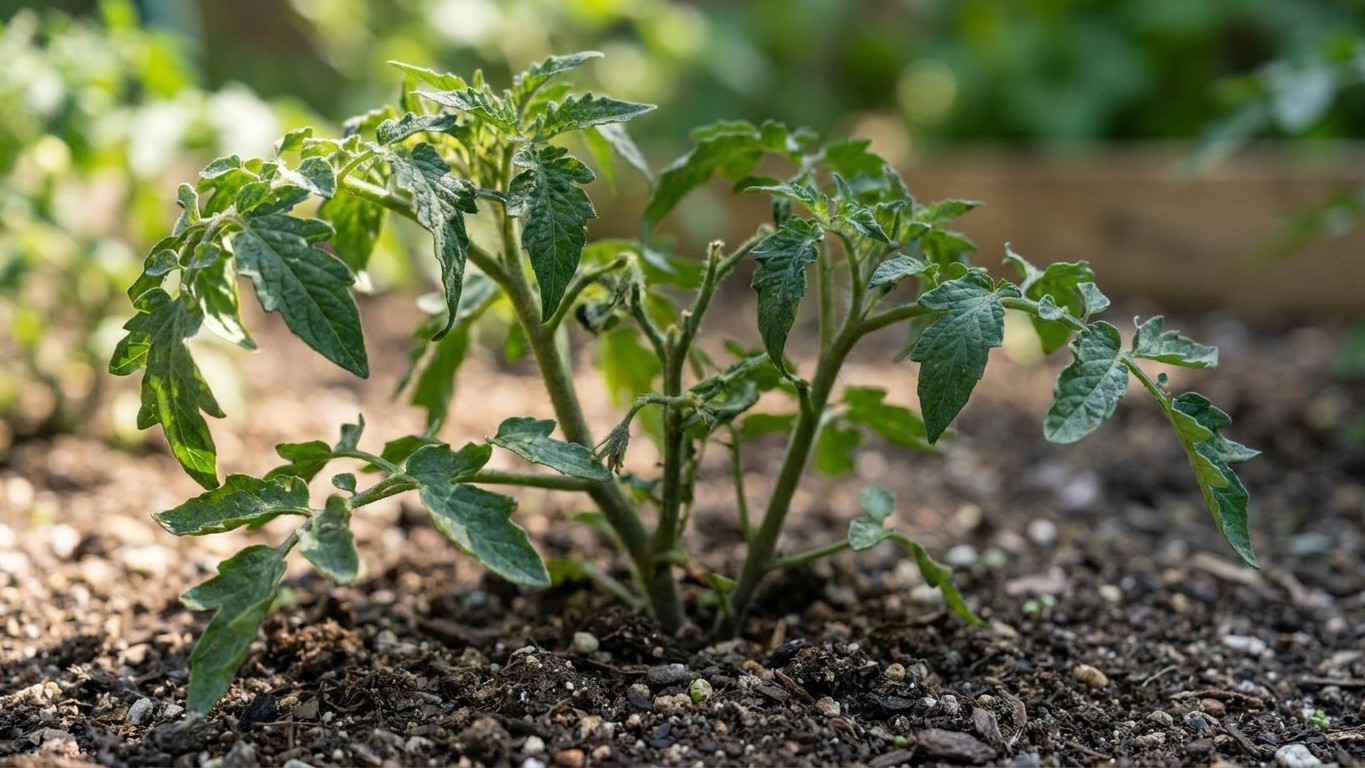

Pick every tomato left on the vine, ripe or green, before the first fall frost hits. In Michigan that frost typically lands between October 6 and October 21 in zone 6a areas, according to MSU Extension’s Michigan Garden Calendar, and earlier in colder pockets of the state. Frost kills the plant outright, but the fruit on it can still be saved if you get to it first.
When to pick tomatoes in Michigan
The trigger isn’t a date on the calendar. It’s temperature. Tomato plants collapse once air temperatures drop to around freezing, and once the vine dies, every tomato still attached to it stops developing for good. That’s why the real deadline for picking is whatever night the forecast finally calls for frost, not a fixed day you circled back in spring.
MSU Extension’s Michigan Garden Calendar puts the first fall frost window at October 6 to October 21 for zone 6a, which covers a good stretch of the Lower Peninsula. Gardeners farther north or at higher elevations, where the USDA Plant Hardiness Zone Map (built on 1991-2020 average extreme minimum winter temperatures) puts them in zone 4a or 5b, should expect that window to arrive sooner. The hardiness map itself spans zone 4a to 6b across Michigan, which is a wide range for one state, and it’s worth naming a reference point rather than treating the whole range as one forecast: Detroit sits toward the warmer, later-frost end of that spread.
That range matters because it also shapes how long your plants had to produce in the first place. MSU Extension’s frost-free date data puts the last spring frost around April 30 in the Detroit area, with early to mid May being typical across most of the Lower Peninsula. Subtract that from an October frost date and you get a growing season that runs roughly five months in the warmer parts of the state and noticeably less in the cooler ones. A shorter season means more fruit is still sitting green on the vine when frost finally shows up, which is exactly the situation this page is built to handle.
Reading the plant, not just the forecast
Watching the sky matters more than watching the fruit at this stage. Once a frost warning appears in the forecast for your area, that’s the signal to strip the plant, not to wait and see how many more tomatoes might turn red on their own. A single hard frost can end the season overnight, and there’s no upside to gambling a week’s worth of fruit against one cold snap. Pull everything: full-sized green ones, blushing ones, ripe ones, all of it, and sort them once they’re inside and safe.
What to do with the green ones
Not every green tomato is the same tomato. Some are close to done growing and just need warmth to finish coloring up. Others are still small, hard, and immature, and no amount of time on a windowsill will turn them red. Knowing which is which determines whether you’re looking at a batch of ripening fruit or a batch of fried green tomatoes.
A tomato that’s reached what growers call the mature green stage has stopped growing in size, feels firm but not rock-hard, and often shows a slightly lighter, glossier patch near the blossom end where color is starting to break through. Slice one open and the seeds should be fully formed with a gel coating around them. Those are the ones worth setting aside to ripen indoors. Fruit that’s still small, pale, and hard all the way through, with underdeveloped seeds when cut, isn’t going to ripen properly. It’s more likely to shrivel or rot before it ever turns color.
Using the ones that won’t ripen
The immature fruit isn’t wasted, it’s just headed for a different use than a ripe tomato would be. Common options include:
- Frying thick slices in a cornmeal or flour coating
- Pickling whole or in spears with vinegar brine
- Cooking down into a green tomato relish or chutney
- Simmering into a tart salsa verde in place of tomatillos
- Slicing thin for a pan-fried or roasted side dish
These preparations rely on the fruit’s firmness and tartness rather than sweetness, so tomatoes that will never ripen still have a real use in the kitchen. Sort your harvest as soon as you bring it in from the frost, separating anything mature-green for ripening from anything clearly underdeveloped, so the immature fruit gets used quickly instead of sitting around and going soft.
Ripening indoors, and how long they keep
Mature green tomatoes ripen indoors through the same process that finishes them on the vine: the fruit produces ethylene gas as it matures, and that gas triggers the color and texture changes that turn green flesh red. All you’re doing indoors is giving the fruit time, moderate warmth, and a little help trapping that gas.
Spread the tomatoes out so they aren’t touching, or wrap each one loosely in a sheet of newspaper and set them in a single layer in a cardboard box. Some gardeners drop them into a paper bag instead, which traps ethylene and can speed things along. A spot that stays around 55 to 70 degrees Fahrenheit, out of direct sunlight, works best. Direct sun and high heat don’t ripen tomatoes any faster indoors, they just risk cooking or softening the fruit unevenly.
Checking progress and timing
Check the box every few days and pull out any tomato as soon as it colors up, rather than waiting for the whole batch to turn at once. Fruit ripens at different rates even from the same harvest, since some pieces were closer to mature than others when you picked them. Tomatoes that show even a little color break at picking time will typically turn ripe within a couple of weeks. Fully mature green fruit with no color at all can take longer, sometimes stretching toward a month, and the least mature of the mature-green batch may take longest of all or fail to finish.
Once a tomato ripens, treat it like any fresh ripe tomato: use it within a few days at room temperature, or refrigerate briefly if you need to hold it a bit longer, though cold storage dulls flavor and texture. Green, unripened fruit that’s still firm and healthy-looking can often be held for several weeks in that 55 to 70 degree range before you need to worry about it going soft or spoiling, but check the batch regularly rather than assuming it will keep indefinitely.
What goes wrong here
The most common misstep is timing: gardeners wait for a “hard freeze” warning specifically and get caught off guard by an earlier, lighter frost that still kills the vine and damages exposed fruit. Since first fall frost across zone 6a Michigan falls anywhere in the October 6 to October 21 window, and arrives sooner in colder zones, it pays to check forecasts closely once the calendar turns toward early October rather than assuming there’s a fixed date to count down to.
The second frequent mistake is picking immature fruit and expecting it to ripen. Small, hard, pale green tomatoes with undeveloped seeds don’t have the internal chemistry in place yet to finish ripening off the vine. Instead of turning red, they often shrivel, stay hard, or start to rot from the inside before any color shows. Sorting carefully at harvest, rather than tossing every green tomato into the same box, avoids a lot of wasted fruit later.
Cold storage causes its own problems. Tomatoes held below roughly 55 degrees Fahrenheit, including in a standard refrigerator, are prone to chilling injury: the flesh turns mealy, flavor flattens out, and ripening can stall entirely even if the fruit still looks green and firm. Save refrigeration for fruit that’s already ripe and needs to be held briefly, not for green tomatoes you’re trying to bring to color.
Crowding is the last common failure point. Tomatoes stacked or piled together ripen unevenly and are far more likely to develop soft spots or mold, since one rotting fruit releases extra ethylene and moisture that speeds spoilage in everything touching it. A single layer, checked regularly, with damaged or spoiling fruit pulled out right away, keeps the rest of the batch ripening cleanly. Gardeners looking for more general growing guidance can also check MSU Extension’s outreach resources for state-specific advice.
Common questions
Can I pick tomatoes early to beat a Michigan frost, or should I wait as long as possible?
Wait as long as the forecast allows, since fruit left on the vine keeps developing right up until frost hits, but don’t gamble past a confirmed frost warning. Once frost is forecast for your area, pick everything that night, since there’s no upside to leaving fruit exposed to freezing temperatures.
Will every green tomato I pick before frost eventually turn red?
No. Only fruit that reached the mature green stage, meaning it stopped growing and shows firm flesh with fully formed seeds, will ripen properly indoors. Smaller, harder, immature fruit typically won’t color up and is better used in green-tomato recipes instead.
Does wrapping tomatoes in newspaper actually help them ripen?
It helps by trapping the ethylene gas the fruit naturally produces, which is the compound that drives ripening, and by protecting the fruit from bruising while it sits in storage. It doesn’t add anything the tomato isn’t already generating on its own.
How do I know if my area’s frost date differs from the Detroit-area window mentioned here?
Michigan spans USDA hardiness zones 4a through 6b, and colder zones generally see frost arrive earlier than the October 6 to October 21 window that applies to zone 6a. Checking your specific USDA zone and comparing it to the warmer, later-frost end of that range gives a rough sense of how much sooner to expect frost locally.