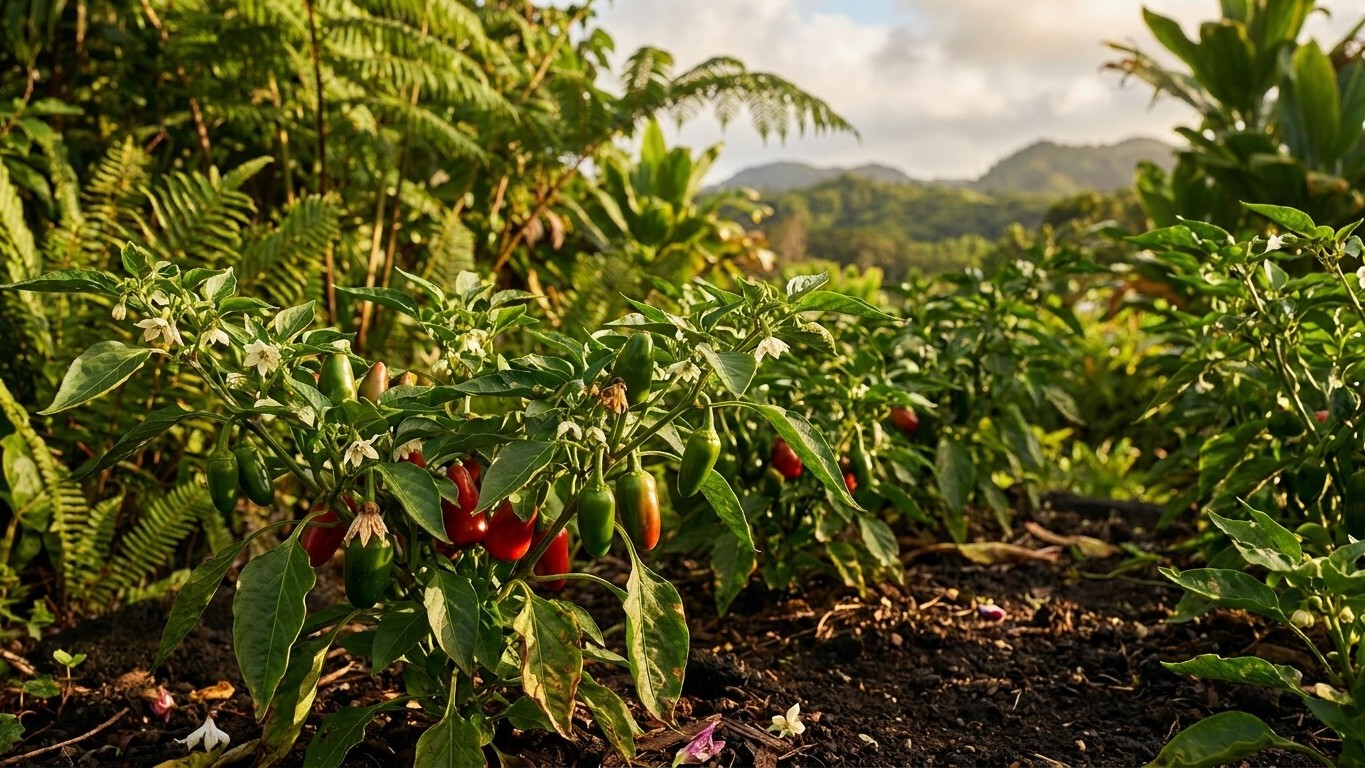

Georgia’s UGA Cooperative Extension documents ten insect pests on the vegetable list for this state, but only a handful actually feed on pepper. Aphids, corn earworm, cutworms and spider mites are the ones that show up on pepper plants here, and each one arrives on its own schedule tied to the frost-free window, not to a calendar month.
Which pests attack pepper in Georgia
UGA Cooperative Extension documents ten insect species for vegetable crops in this state: Aphids, Colorado potato beetle, Corn earworm, Cowpea curculio, Cutworms, Melonworm, Mexican bean beetle, Pickleworm, Spider mites and Squash vine borer. That’s the full list this site carries for Georgia, and it isn’t padded with anything beyond it.
Most of that list has nothing to do with a pepper bed. Cowpea curculio targets southern peas and cowpeas. Melonworm and pickleworm feed on cucurbits, meaning melons, squash and cucumbers. Squash vine borer tunnels into squash stems and won’t touch a pepper plant. Mexican bean beetle, as the name says, sticks to beans. Colorado potato beetle is a Solanaceae specialist too, but its real hosts are potato and eggplant foliage; it isn’t the pest that shows up on pepper leaves here.
That leaves four species actually worth watching on pepper in Georgia: Aphids, Corn earworm, Cutworms and Spider mites. Aphids and spider mites are generalist feeders that colonize almost any garden vegetable, pepper included, whenever conditions favor them. Corn earworm, despite the name, is a well-known pepper fruit feeder, sometimes called the pepper maggot’s cousin because it bores into the fruit itself rather than just chewing leaves. Cutworms are a seedling-stage threat, cutting young transplants off right at the soil line during the first weeks after planting.
Knowing which four matter changes how a gardener should watch the bed. A curled leaf covered in sticky residue points toward aphids, not toward something that belongs on a squash vine. A stem severed clean at ground level a week after transplanting points toward cutworms, not toward a fruit-boring caterpillar that shows up much later in the season. Sorting the list first keeps the diagnosis honest before any treatment gets considered.
When each one shows up, and what it does first
Georgia’s last spring frost falls between March 11 and March 29 at the Atlanta reference station, though that date shifts: north Georgia and the mountains see frost linger weeks longer, while the coastal plain thaws earlier and stays milder. Since Atlanta’s airport sits in an urban heat island, a rural garden nearby should expect frost to hang on a bit past that window.
Pepper transplants need 8 to 10 weeks indoors before they go in the ground, and they shouldn’t go out until the soil hits 60°F after that last frost date has passed. That timing matters for cutworms specifically, because they attack in the first two to three weeks after transplant, when stems are still soft and thin. A pepper seedling that gets clipped off at ground level in early April, right after it went into the bed, is a cutworm signature, not a disease symptom.
Aphids build up steadily once temperatures warm and new growth flushes, so they tend to appear on tender leaf tips and flower buds a few weeks after transplant, well before fruit sets. Spider mites favor hot, dry stretches, and Georgia’s summer heat load runs high: the reference station averages 35.8 days a year at or above 90°F. That’s the stretch when mite populations explode, showing up first as fine stippling or a bronze cast on the underside of leaves, sometimes with faint webbing between stems.
Corn earworm arrives later, once fruit is forming. It’s the pest most tied to the fruit-set window itself, and that window is narrow: pepper fruit set fails on both ends, when nights drop below 55°F or when days climb past 90°F. Fruit that does set typically develops 35 to 45 days after flowering, not from the sowing or transplant date, so a gardener counting from planting day will misjudge when to expect earworm damage on the fruit. This site doesn’t carry Georgia’s summer night minima, so watching actual overnight lows in a specific yard matters more than assuming anything from the state’s latitude or its coldest month.
Telling the damage apart from everything else
Insect damage on pepper gets confused with heat stress, water stress, disease and simple mechanical injury more often than gardeners expect. Since Georgia’s summers regularly push past that 35.8-day count of 90°F-plus days, a lot of what looks like pest damage is actually the plant reacting to heat load, not to feeding.
| Symptom | Looks like | What actually tells them apart |
|---|---|---|
| Dropped flowers, no fruit | Insect feeding on blooms | Check overnight lows and daytime highs first; fruit set fails below 55°F nights or above 90°F days regardless of insects |
| Stippled, bronzed leaves | Nutrient deficiency | Look under the leaf for fine webbing or tiny moving specks, a sign of mites rather than a soil issue |
| Sticky, curled leaves | Fungal disease | Sticky residue (honeydew) with clusters of small soft-bodied insects points to aphids, not a leaf spot pathogen |
| Seedling snapped at soil line | Wind or mechanical damage | A clean cut right at ground level within weeks of transplant is the cutworm signature; wind damage tends to bend or tear stems higher up |
| Holes bored into fruit | Blossom end rot | Blossom end rot is a sunken, leathery patch from irregular watering; an actual tunnel with frass inside points to a fruit-boring caterpillar |
None of this replaces a direct look at the plant. A county extension agent can confirm what’s on a leaf or in a fruit far more reliably than a description alone, especially since drought stress, blossom end rot and early-stage disease can all mimic insect feeding at a glance.
What actually works here, and what is a waste of time
Timing beats almost everything else on a Georgia pepper crop, because the growing window is bracketed by that frost date on one end and the heat threshold on the other. Getting transplants into the ground only after soil reaches 60°F, and covering them through the first two to three weeks with a physical barrier, blocks cutworms during the exact stretch they attack. A simple collar around the stem, pushed an inch into the soil, does more good in that window than any spray applied later.
For aphids and spider mites, a strong jet of water on the underside of leaves knocks populations down without needing anything else, and it works best caught early rather than after a colony is established. Handpicking corn earworm damage out of fruit as it’s found, and removing severely infested fruit before the caterpillar moves on, keeps a small problem from becoming a season-long one.
What wastes time is spraying on a fixed schedule instead of watching the plant. Treating for mites during a cool, wet stretch when their populations naturally crash accomplishes nothing. Treating for cutworms a month after transplant, once stems have toughened past that vulnerable stage, is also too late to matter. And trying to fight fruit-set failure with any treatment at all misses the point, since that failure comes from temperature, not insects; no spray reverses a night below 55°F or a string of days above 90°F.
This site doesn’t recommend specific products, active ingredients or rates. Georgia’s UGA Cooperative Extension is the authority on what’s labeled for use in this state, and that answer changes based on the pest, the pepper variety and the county.
Where to check this for your own county
The species documented above come from UGA Cooperative Extension, and that’s the office to contact for anything specific to a garden in this state. Every county in Georgia has its own extension office, and it’s the fastest way to confirm a pest before treating for the wrong one.
State-level documentation describes what’s known to occur across Georgia broadly. It doesn’t mean every pest on that list is active in every county, or that a garden’s pest pressure this season matches the historical average. North Georgia’s cooler, higher-elevation gardens run on a different insect timeline than the coastal plain, the same way their frost dates differ by weeks.
A sample brought to the local extension office, or a clear photo of the damage and the insect itself, gets a far more reliable answer than matching symptoms against a general list. That’s the next step worth taking before assuming which of the four pepper pests documented for Georgia is actually behind the damage in a specific bed.
Common questions
Do Colorado potato beetles ever feed on pepper in Georgia?
UGA Cooperative Extension documents this species for the state, but its main hosts are potato and eggplant. It isn’t the pest typically found damaging pepper foliage here.
Why do pepper flowers drop without setting fruit?
Fruit set fails when nights drop below 55°F or when days climb above 90°F, a threshold Georgia crosses often given its average of 35.8 days a year at or above that mark. This site doesn’t track summer night minima, so watching a garden’s own overnight temperatures matters more than guessing from the season.
When should pepper transplants go into the ground in Georgia?
After the soil reaches 60°F and after the last frost date has passed, which runs between March 11 and March 29 at the Atlanta reference station, though northern and mountain counties should expect that date to come later.
How long after flowering should pepper fruit be expected?
Roughly 35 to 45 days after flowering, not from the sowing or transplant date. Counting from transplant instead of from bloom will throw off expectations for when fruit, and any fruit-feeding damage, should appear.