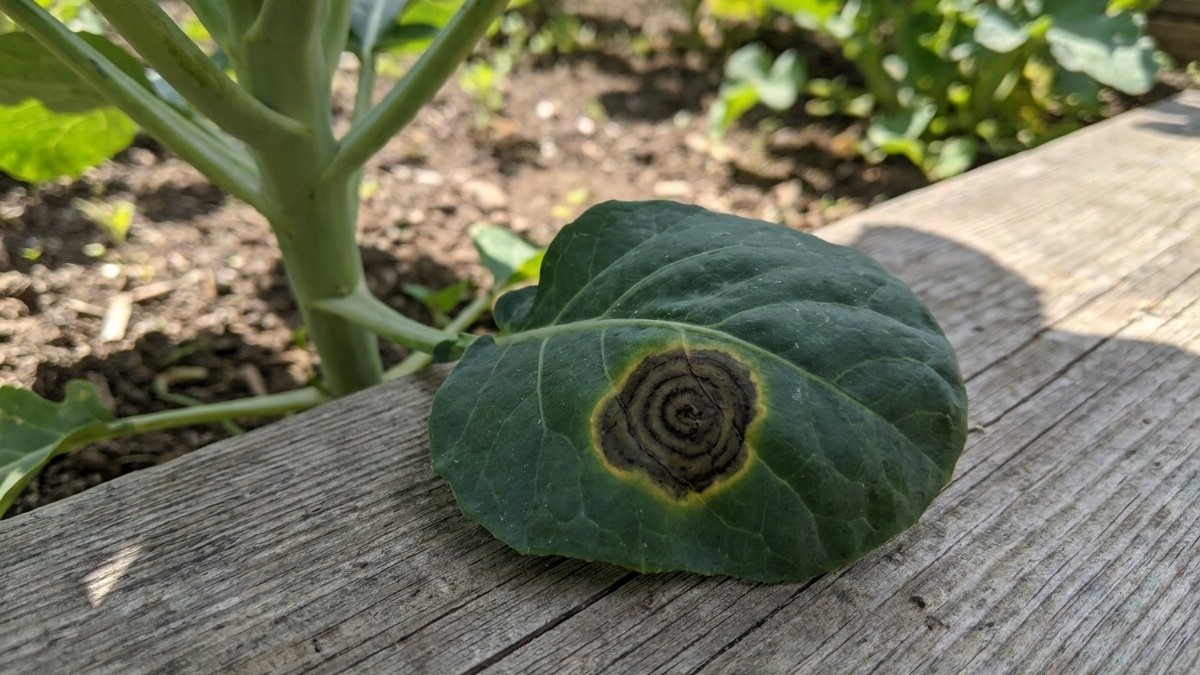

Butternut, acorn, and delicata squash are the safest bets across Oklahoma, while Hubbard and banana squash are the riskiest gamble. The difference comes down to two numbers: how many frost-free days a garden actually gets, and how many of those days turn brutally hot. Oklahoma’s frost window and its heavy load of 90-degree days favor squash that finish fast over the slow-growing giants.
The short answer for Oklahoma
The type of winter squash worth planting in Oklahoma should be decided by season length first and heat tolerance second. At the reference weather station used for Oklahoma’s climate normals, the last spring freeze falls somewhere between March 28 and April 10, and the first fall freeze arrives between October 29 and November 8. Put those two windows together at their tightest, and a gardener is working with roughly 202 days of frost-free growing between the latest spring freeze and the earliest fall one. That’s the number that should decide which squash goes in the ground.
Matching maturity days to the frost-free window
Winter squash types vary widely in how long they take to size up and cure a hard rind. Acorn, butternut, delicata, and spaghetti squash generally finish inside 80 to 100 days from seed, which fits comfortably inside Oklahoma’s frost-free stretch even in a tight year. Hubbard and banana-type squash typically need 100 to 120 days, which leaves almost no cushion if spring planting gets delayed by a wet April or if fall frost lands on the early side of its window.
| Squash type | Typical days to maturity | Fit for Oklahoma |
|---|---|---|
| Acorn | 80-95 | Reliable statewide |
| Butternut | 90-100 | Reliable, handles heat well |
| Delicata | 80-100 | Good, but thin skin dislikes wet fall soil |
| Spaghetti | 90-100 | Reliable statewide |
| Hubbard | 100-120 | Tight fit, risky in shorter seasons |
| Banana | 105-120 | Needs the full frost-free window with no delays |
Butternut deserves an extra mention because it tends to hold up better than acorn or delicata once the days above 90 degrees start stacking up in July and August, which Oklahoma sees more of than most neighboring states.
What will not work here

Long-season types are the first thing to cross off the list for anyone gardening in a cooler part of the state or anyone whose spring planting slips past mid-May. A Hubbard or banana squash needing 110 to 120 days, planted even a week late, is racing a fall freeze that can show up as early as October 29 at the reference station, and often earlier once you leave the city and head into a low-lying rural garden. That’s not a small risk. It’s the single most common reason a winter squash never cures a proper rind before frost cuts the vine down.
Heat is the second failure point, and it’s a bigger one than most new gardeners expect. Oklahoma averages 70.7 days a year at 90°F or hotter, and that heat load lands right during flowering and fruit set for anything planted on a normal spring schedule. Squash watered on a once-a-week schedule through July, the driest summer month at just 3.59 inches of rain, will drop blossoms and abort young fruit rather than push through the stress. Vine crops in this climate need consistent soil moisture, not a weekly soaking that lets the root zone dry out completely between waterings.
Tight spacing is the third trap. Winter squash vines planted close together to save space lose airflow fast, and once summer humidity builds after a thunderstorm, powdery mildew moves through a crowded planting in days rather than weeks. A single storm dumping an inch of rain mostly runs off a packed bed anyway, so the tight spacing doesn’t even buy the plants extra moisture. It just buys them disease pressure.
What changes across Oklahoma
Oklahoma is not one garden, and its USDA hardiness zone range makes that clear. The state spans 6a to 8a, which is a wide enough spread that there is no single planting answer that fits both ends. Zone 6a, generally the cooler high country toward the panhandle, tends to run a shorter frost-free season with a later spring freeze and an earlier fall one than the numbers cited for the reference station. Zone 8a, generally the lower-elevation southeast, tends to carry a longer buffer on both ends of the season.
A gardener working in the cooler part of that range should lean harder toward the short-season types, acorn and delicata especially, and should consider starting seed indoors or buying transplants to claw back two or three weeks that direct seeding would otherwise cost. A gardener in the warmer southeastern stretch has more room to try a Hubbard or a banana squash, because the extra weeks on the back end of the season give a slow-maturing fruit a real chance to cure before frost.
None of this replaces knowing where a specific garden actually sits. The USDA Plant Hardiness Zone Map is built on average annual extreme minimum winter temperature, which is a different measurement than the frost dates or the heat-day count discussed above, and it will show exactly which zone a given county falls into rather than leaving it to a statewide range. Check the map before locking in a variety list, especially if the garden sits at higher elevation or in a low spot that collects cold air.
Where to check this for your own county
Everything above comes from a single reference weather station, and Oklahoma is too large a state for one station to speak for every county. The next step for accuracy is Oklahoma State University’s extension service at https://extension.okstate.edu/, which is where county-level planting calendars and locally trialled squash varieties actually live. A state page like this one gives the shape of the decision; a county extension office gives the specific dates and cultivars that have performed well in that exact soil and microclimate.
Look specifically for two things once there. First, a local planting calendar, which will translate the frost-date ranges cited here into the actual dates that county’s extension agents recommend for direct seeding or transplanting winter squash. Second, any variety trial results or recommended cultivar lists published for that county or region, since Oklahoma’s growing conditions shift enough from the panhandle to the southeast that a squash performing well in one corner of the state can struggle in another.
A county recommendation beats a state one every time, because it accounts for local soil, local rainfall patterns, and local pest pressure in a way a statewide page can’t. This page is the state-level starting point, useful for understanding why butternut and acorn outperform Hubbard and banana squash in Oklahoma generally, but the county extension office is where a gardener gets the version calibrated to their own dirt.
Checking this against your own garden
Every date on this page comes from one weather station, and no weather station has ever stood in a specific backyard. The garden itself gives better information, and three signs are worth watching before trusting a calendar date over what’s actually happening in the soil.
Start with soil warmth. Winter squash seed germinates poorly in cold ground, so before sowing, feel the soil at planting depth rather than going strictly by the calendar. Soil that still feels cool and damp to the touch in the top few inches is telling a gardener to wait, regardless of what the frost-date range suggests, because a slow, uneven germination in cold soil costs more time than waiting another week would.
Next, watch for the first male flowers, which typically open before the females and well before any fruit sets. Their appearance signals the plant has shifted into its reproductive phase, and comparing that timing against the region’s usual frost window gives a rough sense of whether a particular garden is running ahead of or behind the reference station’s schedule.
Last, note when the first true leaves appear after the initial seed leaves. That transition marks the seedling moving past its most fragile stage, and the timing of it, compared year to year in the same garden, becomes a personal calendar more reliable than any regional average, because it reflects that specific patch of soil, that specific slope, and that specific microclimate rather than an airport weather station miles away.