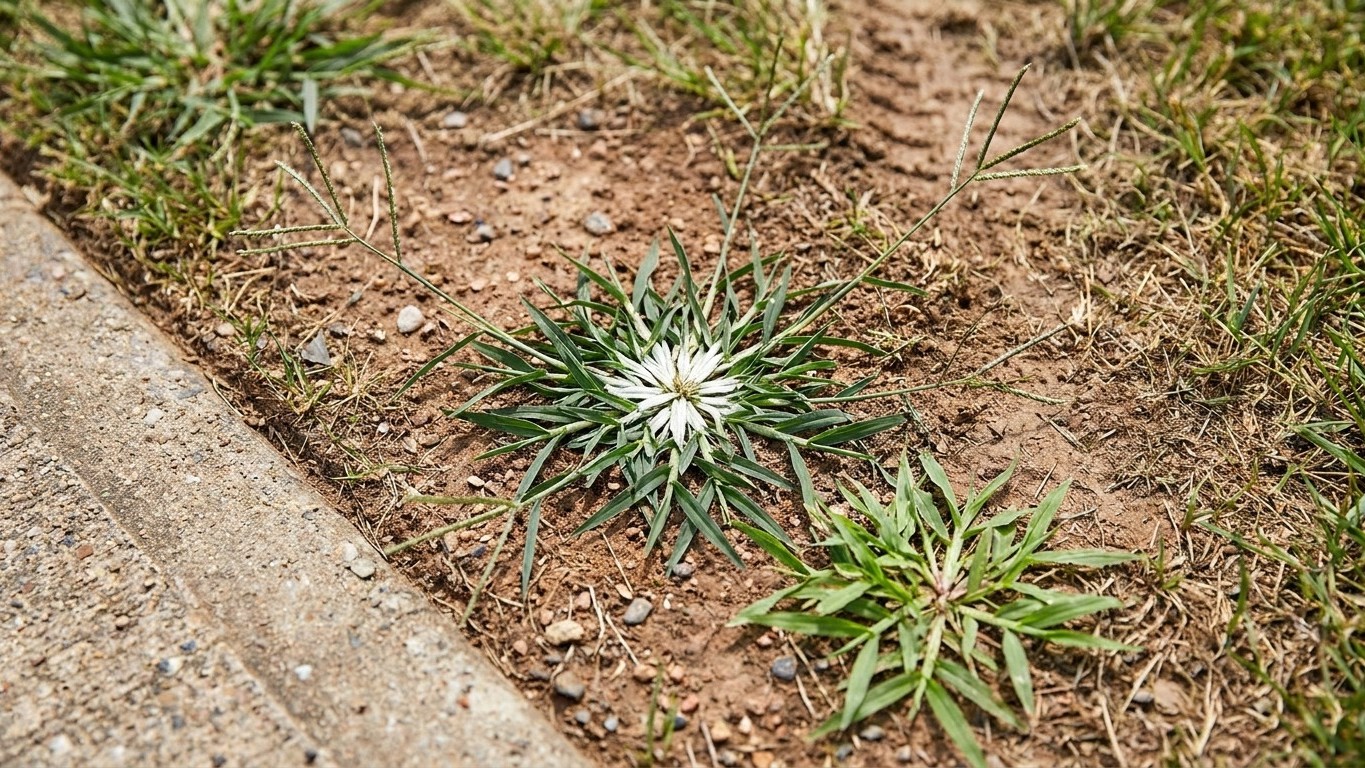

Aerate a Connecticut lawn in fall, while the grass is still growing and before the first hard freeze. That covers nearly every yard in the state, because Connecticut grows cool-season turf. A few details change the plan. The frost window arrives earlier the farther inland you live, the soil under your lawn may not match the soil the state is known for, and the tool you use matters more than the weekend you pick.
When to aerate a lawn in Connecticut
Connecticut lawns are built on Kentucky bluegrass, perennial ryegrass, tall fescue, fine fescues and rough bluegrass. Those are the cool-season species, per Clemson Cooperative Extension (HGIC 1214) and Penn State Extension. The Homestead Post places Connecticut in the cool lawn zone, using climate normals read against Clemson’s published season tolerances. A warm-season grass such as zoysia isn’t a safe bet here, since it lacks the winter hardiness a cool zone demands. One caution: that zone label comes from the Bridgeport climate record, and higher ground or the northwest hills can behave differently.
The University of Nebraska-Lincoln Extension states the rule plainly: “Cool season grasses, including Kentucky bluegrass, fescues, and perennial ryegrass, can be aerated in spring from early April through the end of May and again in fall from late August through the end of October.” For warm-season grasses, it says they “should also be aerated when they are growing actively, which is late May though late August.” Those months are Nebraska’s. Connecticut’s season runs on a different clock, so don’t copy them onto your calendar.
What transfers is the condition. A cool-season lawn gets aerated in fall while it is still growing, and the work should be done before the first fall freeze. NOAA NCEI’s 1991-2020 Climate Normals put the 32°F freeze probability (the 30-70% band) at the Bridgeport station between October 28 and November 10. So the decision to write down is this: fall, while the grass is still growing, finished ahead of the October 28 to November 10 frost window. Finish with room to spare. The grass needs time to grow and close the holes.
Bridgeport sits on Long Island Sound and is the mildest corner of the state. Inland and northwest Connecticut freeze noticeably earlier in fall, so the window closes sooner there. Colder ground means fall jobs move earlier, not later. If you’re reading this in early October, the window is open on the coast and tighter in the hills. The First and Last Frost Dates in Connecticut page shows how the dates shift around the state. The The Connecticut Lawn Care Calendar, Month by Month shows where aeration sits among the other jobs.
Spring aeration is an option for cool-season turf, as the Nebraska rule says. Connecticut’s own spring dates aren’t published here. Fall remains the better slot, because it pairs with seeding, and because the cool, moist weather that follows suits these grasses.
Core aeration, not spikes
Aeration relieves compaction by opening channels for air, water and roots. Spikes and solid tines punch a hole by shoving soil sideways, which can pack the walls of the hole even tighter. A core aerator pulls out cylinders of soil and leaves actual space behind. The Nebraska extension article notes that solid-tine or spike aeration is “not effective in clay/silt soil,” and names core aeration as the method for compacted soils.
Connecticut’s state soil is the Windsor series, an Entisol, which is a very young soil with almost no profile development. USDA NRCS Soil Data Access lists its surface horizon at 82 percent sand, 2 percent clay and 16 percent silt, with a pH of about 5.1 (strongly acid). It is excessively drained. That record also shows organic matter of about 95.0 percent, but that describes a natural organic layer on the mapped surface, which no mowed lawn has. Ignore that figure for your yard.
What does this say about your lawn? Ground like Windsor sheds water fast and runs acid. It is also the soil that represents the state, not the soil in every yard. A state spans hundreds of soil series. River bottoms, hill country and any lot a builder scraped or filled can look nothing like it, and those are the places where heavy, compacted ground turns up. A soil test gives you your own pH and texture, and it costs little compared with guessing.
On the day, look at what the machine leaves behind. Good cores are plugs of soil lying on the surface, spread across the lawn with holes behind them. Leave them where they fall. Rain and the mower break them down and return the soil to the turf. If the machine only leaves dimples, the ground is too hard or too dry. Wait for rain or water the day before, until the soil is moist but not wet. Wet soil smears and clogs the tines, and bone-dry soil turns the machine into a pogo stick. Choose a core aerator, and run it when the soil is moist but not wet.
Aerating and overseeding together
The reason fall aeration and overseeding go together is simple. Seed that lands on bare, compacted turf often sits on the surface, where it dries out or washes away. Seed that drops into a core hole has soil contact, shelter and steady moisture. The aeration holes work as thousands of small seedbeds, and the cool, damp weather of fall suits the cool-season species Connecticut grows. The sequencing is straightforward: aerate first, then spread seed over the lawn while the holes are open. Seed right after the aerator passes, inside the same fall window.
Timing the seed adds one more constraint. New grass needs time to germinate and put down roots before the freeze, so the same frost window that limits aeration limits seeding. Inland yards should do both earlier, and Bridgeport’s October 28 to November 10 range shouldn’t be treated as a deadline for the whole state. The When to Overseed a Lawn in Connecticut page covers seeding dates and method in detail. If you’re choosing what to spread, The Best Grass Seed for Connecticut Lawns compares the cool-season options for local conditions.
The pairing doesn’t suit a warm-season lawn. Zoysia and buffalograss grow actively in summer, which is when the Nebraska rule says to aerate them, and they slow down as the weather cools. Cutting holes in a warm-season lawn just as it prepares to go dormant leaves open ground for weeds. Scattering cool-season seed over it in fall gives you a patchwork that will not match the lawn when summer comes. In Connecticut this mostly concerns the rare yard that already has a warm-season patch. If that’s you, aerate it in summer and handle the cool-season areas separately. For the wider picture, see Lawn Care.
What goes wrong
Aerating a dormant lawn is the most common mistake. Once the grass stops growing, it cannot fill the holes, so they stay open through winter, dry out the crowns and give weeds a place to start. If the lawn has stopped growing for the season, skip aeration until the next growing season. A lawn can look green and still be slowing down, so judge by growth, not color.
Aerating too close to the first frost causes a related failure. Bridgeport’s 32°F window runs October 28 to November 10 (NOAA NCEI), and inland yards freeze earlier. Aerate and seed too late, and the seedlings arrive just as the freeze does, leaving thin, weak grass. Count backward from your local frost range, not forward from a date on a calendar. Sooner is safer than later.
Soil moisture ruins more jobs than people expect. Waterlogged ground smears under the tines, seals the holes shut and rips up turf. Bone-dry ground resists the tines, so cores come out shallow and broken, or not at all. The fix is to water ahead of time or wait for rain, until the soil is moist but not wet.
Last is the spike problem. Rolling spiked shoes or a spiked drum across compacted clay or silt looks like progress and changes little, as Nebraska’s extension article says. If your lawn puddles after rain and the soil is heavy, use a core aerator. If it is sandy and drains fast, as the Windsor series does, the issue may not be compaction at all, and a soil test will tell you more than a rented machine will.
Common questions
Can I aerate a Connecticut lawn in spring instead?
The Nebraska extension says cool-season grasses can be aerated in spring or fall, but its months are Nebraska’s. Connecticut spring dates aren’t published here. Spring works when the grass is actively growing. Fall remains the better pick because it lines up with overseeding.
Is the October 28 to November 10 date the same across the state?
No. It’s the 32°F freeze window from NOAA NCEI’s 1991-2020 normals at the Bridgeport station, on the Sound and the mildest part of the state. Inland and northwest Connecticut freeze earlier, so aeration and seeding should wrap up sooner there.
How often should I aerate?
No interval is published here. Look at the lawn instead. Heavy foot traffic, water running off the surface and a screwdriver that resists pushing in all point to compaction. A sandy, fast-draining yard may not need it often.
Do I have to rake up the cores?
No. Leave them on the surface, where rain and the mower break them down and return the soil to the turf. Cores are easiest to leave alone when the soil was moist on the day and the plugs came out intact.