
Pick summer squash while the skin is still glossy and soft enough to dent with a fingernail, usually 6 to 8 inches (15 to 20 cm) long for zucchini. In the Northwest Territories that means late July at the earliest, then every day or two until frost ends the plants, often in mid-September. The fruit keeps about a week in the fridge, so a glut has to be frozen or cooked down.
When summer squash are ready in Northwest Territories
Squash is a frost-tender, direct-sown crop, so the calendar starts with frost. Environment and Climate Change Canada’s 1981-2010 normals for Yellowknife A put the average last spring frost at May 25 and the average first fall frost at September 18. Those are midpoints. In one year out of two the last frost comes later than May 25, and in one year out of two the first frost arrives before September 18. Northern and upland districts run weeks behind the airport station.
How do you know a summer squash is ready to pick?
Look at the skin. A fruit at its best has a shiny surface that a fingernail can pierce without effort. Once the skin turns dull and tough, the seeds inside have hardened and the flesh has gone woody. Size is a rough guide. Zucchini is best at about 6 to 8 inches (15 to 20 cm), yellow straightneck and crookneck a little shorter, and pattypan at roughly the size of a child’s palm. Small fruit also tastes better. The flesh is sweeter and the seeds are barely formed.
Frequency matters as much as size. A plant that matures one fruit stops setting new ones, so a zucchini left to swell into a club costs you the next several weeks of harvest. Check the plants every day or two once the first blossoms have closed. Wear sleeves, because the leaf stems are prickly, and cut the fruit with a knife, leaving a short stub of stem.
When does the first harvest come in the Northwest Territories?
The reference station has about 116 frost-free days between the mean last spring frost and the mean first fall frost. Clemson Cooperative Extension says summer squash can be harvested about 55 days after planting, and for a seed sown directly in the ground the count starts at sowing. Sown in early June, once the frost risk has mostly passed, that points to late July or the first half of August for the first fruit. Cool soil and short, mild summers stretch the count, so treat 55 days as the fastest case. Yellowknife A averages only 0.45 days a year above 30 °C, so heat extremes are rare here. That does not rule the crop out. The length of the frost-free stretch and the summer averages decide the outcome, and squash handles them well when it goes in warm ground. Faster varieties help, and The Best Summer Squash to Grow in Northwest Territories covers which ones suit a short season.
Water shapes the harvest too. June to August brings about 109 mm (4.3 inches) of rain at Yellowknife A, with June the driest month at 29 mm (1.14 inches). Sandy ground lets that rain through within a day, while clay holds it for a week. A rain gauge on your own plot tells you more than any normal does. For the full season from seed to frost, see Growing Summer Squash in Northwest Territories.
Keeping them, and for how long
Summer squash does not store. Winter squash has a hard rind and can sit in a cool room for months, but summer squash is picked immature, with a skin that bruises under a thumb and a flesh that is mostly water. Clemson Cooperative Extension’s Home and Garden Information Center gives the rule in one line: store summer squash in a plastic bag in the refrigerator for up to 1 week.
Can you store summer squash like winter squash?
No, and the week is a ceiling. It describes fresh, unblemished fruit picked at the right stage, bagged and chilled soon after cutting. A squash with a nicked skin, or one that sat in the sun on a counter first, will go soft sooner. Pitting, slimy patches and a sunken stem end are the signs it has turned. Squash that has already begun to soften is better cooked that evening than saved.
Washing is best left until just before use. Moisture trapped in the bag speeds decay, so wipe off garden soil with a dry cloth and bag the fruit whole. Keep the stub of stem on, since the cut end is where rot starts.
What do you do with a glut?
Once the plants are producing, three or four of them can outrun any household. The answer is to process what you cannot eat within the week:
- Grate and freeze it in meal-sized portions for bread, muffins, fritters and soups.
- Slice or cube it and freeze it for stews and stir-fries, following a tested blanching method.
- Cook it down into sauce or soup base and freeze that.
- Pickle or ferment it, again using a tested recipe.
- Give it away while it is still small and tender.
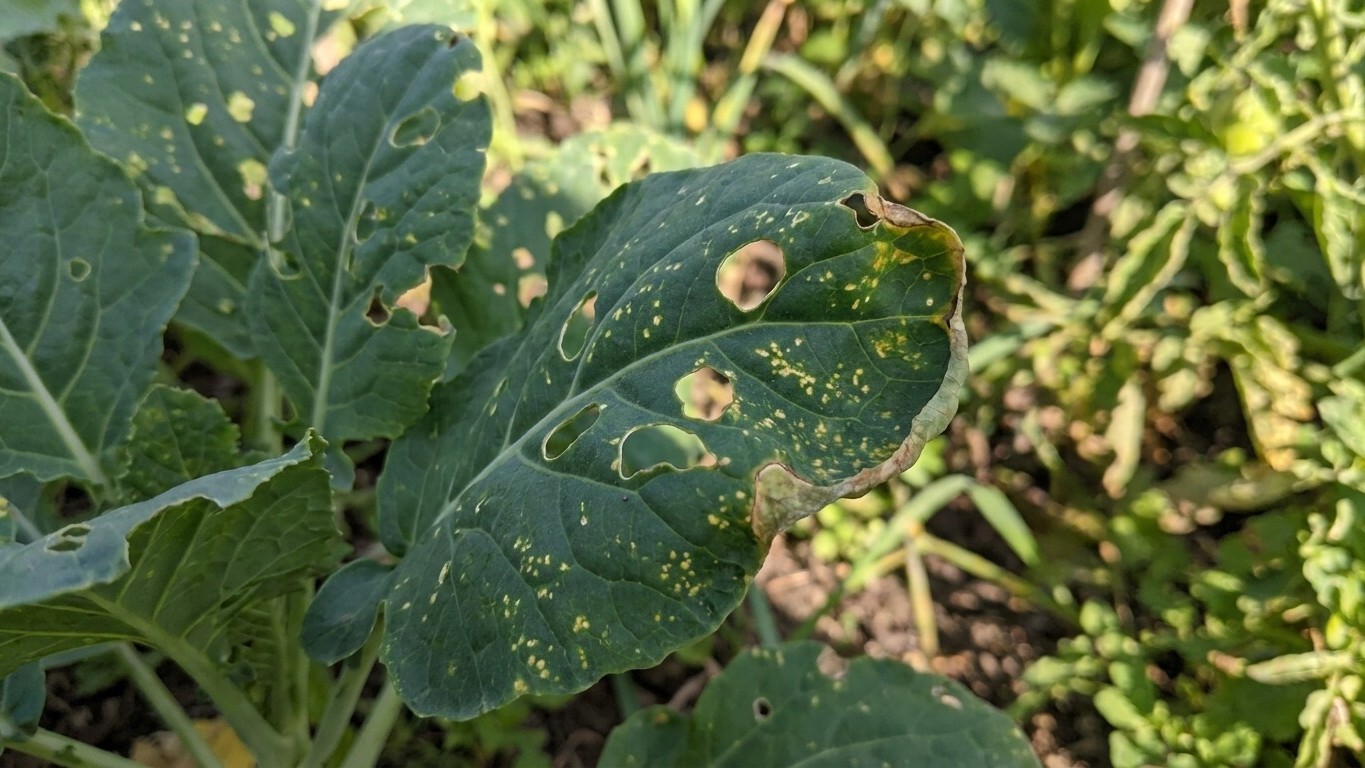
Thawed squash is soft, so it suits cooked dishes and not a salad. For safe freezing and pickling times, use a university extension recipe or ask the Northwest Territories Department of Industry, Tourism and Investment agriculture office. Pests can also thin a harvest before you get to it, and What Eats Summer Squash in Northwest Territories, and When explains what to watch for.
The best way to avoid a glut is to pick small. Fruit cut at 6 to 8 inches (15 to 20 cm) takes up little room, cooks quickly and is gone before it can pile up. The plant keeps setting new ones as you pick.
Where in the house that actually is
The refrigerator is the one place in a typical home that matches Clemson’s advice, and a plastic bag in the crisper drawer is the setup it describes. Other rooms miss in one direction or the other. A heated kitchen or living room is too warm, and squash left on a counter softens and wrinkles within days. A garage, porch or shed is too unpredictable. In the Northwest Territories, early autumn nights can fall below freezing, and a frozen squash thaws into mush.
Is the fridge too cold for summer squash?
It can be, in spots. Many domestic refrigerators run colder at the back wall and in the upper shelves, and a fruit pressed against the cold surface can develop glassy, water-soaked patches. The crisper drawer is usually the mildest compartment, and a closed plastic bag helps by holding in moisture. Squash placed in the drawer, not on the open shelf, is also less likely to be crushed by jars.
Put an inexpensive appliance thermometer in the crisper drawer for a day before the harvest comes in. Fridges differ, and a drawer that runs colder than expected is easier to fix before you have a week’s worth of squash in it. If the thermometer reads cold or you see glassy patches on fruit, move the bag toward the front and away from the back wall. Skipping the check costs you the one week the squash has.
What about an unheated porch or root cellar?
Neither is a substitute for the fridge. Root cellars suit winter squash, potatoes and carrots, but the fruit of a summer squash is too tender to hold there. A cold porch might work for a day or two in a mild August, and it fails on the first frosty night. If the fridge is full, process the extra fruit instead of looking for another spot. Frozen grated squash takes up less space than whole fruit, and it is ready for baking whenever you need it.
Common questions
Can I let a zucchini grow big on the plant?
You can, but it costs you. A fruit left to mature signals the plant to stop setting new ones, so one oversized zucchini cuts into the rest of the crop. Large fruit is also tougher and more seeded. If one gets away from you, scoop out the seeds and grate the flesh for baking or freezing, then pick the plant clean to restart it.
Should I cut or pull the fruit off?
Cut it. Twisting or pulling can tear the main stem, and a wound there invites rot. Use a clean, sharp knife and leave a short stub of stem on the fruit. Keeping the stub also helps the squash last in the fridge.
What if frost is forecast before the plants are done?
Pick every fruit of usable size the day before. Summer squash plants do not survive frost, and fruit left outside turns soft after a freezing night. Mean first fall frost at Yellowknife A is September 18, which means it arrives earlier than that in about half of years, and northern districts can see it sooner. Covering plants with a sheet or row cover on a borderline night can buy some extra time.
Does the Canadian hardiness zone affect when I harvest?
Barely. Yellowknife sits in zone 1b of the Canadian hardiness system, which rates how well perennials survive winter and does not convert to a USDA zone. Summer squash is grown as an annual, so the frost-free period and your soil temperature matter far more. Plant after the cold snaps, and count from sowing day.
One last detail: the flowers are edible. Squash blossoms picked in the morning, while still open, can be stuffed or fried, and removing the male flowers (the ones on slim, straight stems) after pollination does not hurt fruit set.