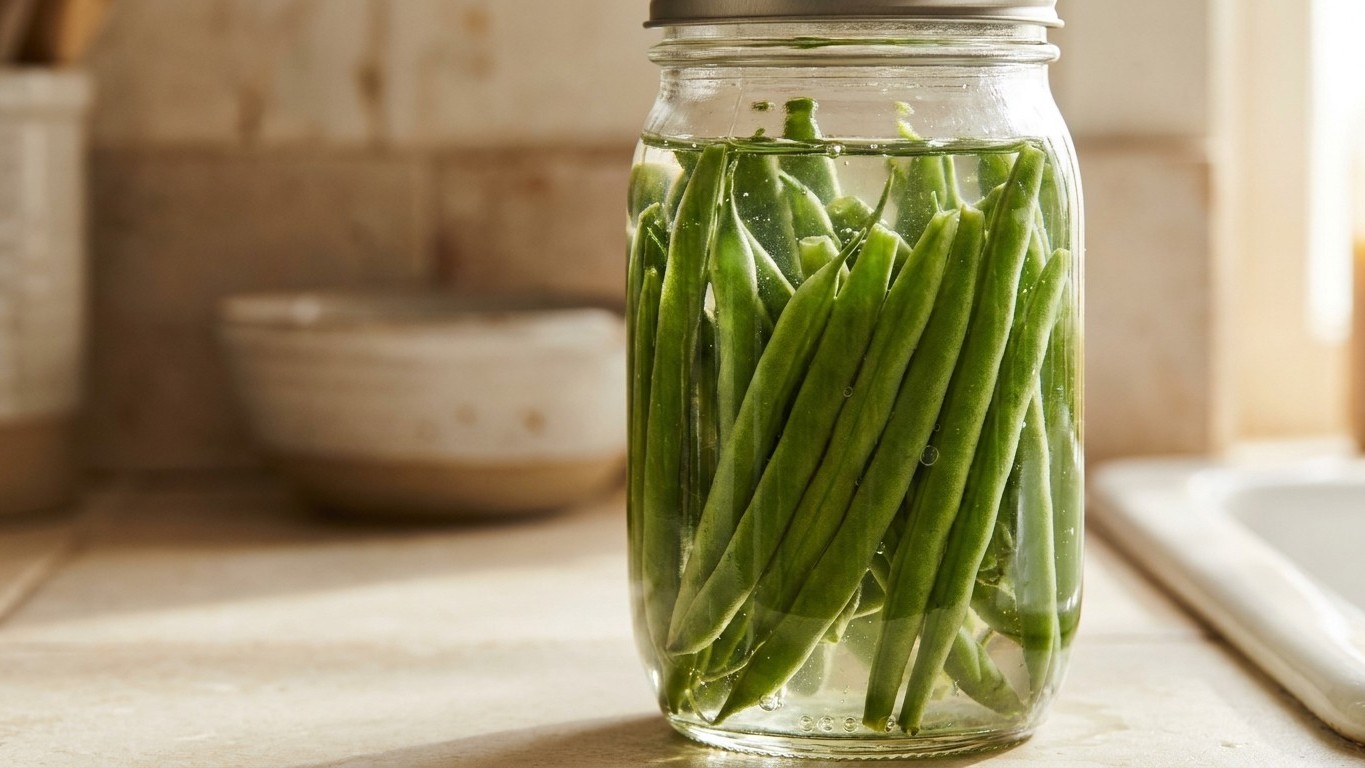

Sow Asian greens in North Carolina twice a year. The first window opens in late winter and runs through the last spring freeze. The second opens in late summer and closes as the first fall freeze approaches. Fall is the more forgiving window. Bok choy, tatsoi, mizuna and komatsuna all want cool weather, and a North Carolina autumn gives them far more of it than the spring does.
The short answer for North Carolina
NOAA’s 1991-2020 climate normals for Charlotte put the last spring freeze between March 23 and April 5. That range is the 30 to 70 percent probability band for a 32°F freeze, the dates when the chance of one more freeze drops from 70 percent to 30 percent. A freeze after April 5 can still happen. The first fall freeze falls between October 30 and November 8, and that is the same kind of band: by those dates, the chance that a 32°F freeze has already arrived runs from 30 to 70 percent. Charlotte sits in the Piedmont, so treat these as central-state dates. That leaves roughly seven months between the two bands.
When is the spring sowing window for Asian greens in North Carolina?
Begin in late winter, a few weeks ahead of the March 23 to April 5 band, as soon as the soil is workable and no longer soggy. Seedlings of most Asian greens handle a light frost without trouble. Sow a short row every two weeks through the band and for a few weeks after it. Baby leaves of mizuna and tatsoi can be cut about a month after sowing. Full heads of bok choy take roughly seven to eight weeks. Every spring sowing is racing the arrival of heat, so the later it goes in, the smaller the harvest.
When should you sow Asian greens for fall and winter in North Carolina?
Count backward from the October 30 to November 8 band. Napa cabbage needs about ten weeks, so it goes in first, in late summer. Bok choy follows, and the quick baby greens fill September and the first days of October. Sow napa cabbage first, in late summer, and save the fastest baby greens for September and early October. The coldest month at the reference station averages a daily minimum of 31.8°F, just under freezing. Hardy types such as tatsoi, mizuna and komatsuna can keep producing through that winter, especially under row cover. Bok choy is less forgiving and should be harvested before the hardest nights.
What will not work here
Why do Asian greens bolt in North Carolina summers?
Long days and warm nights tell these plants to flower, and a humid Southern summer supplies both for months. Anything sown in June or July will send up a flower stalk before it makes a usable head or a full flush of leaves. The leaves turn bitter and the stalk shoots up. Spring sowings slip into the same trap once they run past the frost band by more than a few weeks, because the cool stretch that follows is short. If a spring row bolts in May, that is the plant doing what the weather told it to do.
What goes wrong with spacing, watering and timing?
Summers here are humid and rain arrives in bursts, so crowded plants stay wet. Bok choy and napa cabbage set closer than about 6 inches apart trap moisture in the heart of the plant, and rot, downy mildew and slugs follow. Thin heading types to 6 to 10 inches, even though the seed packet tempts you to leave them thick. Cut baby-leaf rows early rather than letting them grow dense.
Napa cabbage sown in early October will not head. It needs a long enough season to head up before the first freeze, so check your local extension office for timing. Seedlings also grow slowly as days shorten, so a late sowing stalls even before the freeze. Frequent light watering fails in the opposite direction in late summer: shallow roots dry out fast in hot soil, and fall sowings need the seedbed kept evenly damp until they emerge.
Do not count on winter to clean up pests either. With a coldest-month minimum of 31.8°F, freezes are shallow and short. Flea beetles, aphids and cabbage worms stay active well into the cool season, and slugs never leave. Row cover over fall sowings, set at planting, is more reliable than hoping for a hard freeze. Heavy Piedmont clay adds one more problem in spring: it stays cold and waterlogged long after the air warms, and seeds sown into it sit and rot. Wait until a handful crumbles instead of smearing.
What changes across North Carolina
North Carolina has no single sowing calendar. The USDA Plant Hardiness Zone Map (2023 edition, built on 1991-2020 normals) runs from zone 5b to 8b across the state. That system rests on one variable, the average annual extreme minimum temperature. The cold peaks of the high mountains and the mild coast produce a wide spread. Your own zone is easy to look up by ZIP code on the USDA map, and it is worth doing before you commit to dates.
The dates above belong to the Charlotte area. The Blue Ridge Mountains to the west run several weeks later in spring. A gardener at altitude should push spring sowing back by that margin and start fall sowing earlier, because the first freeze arrives sooner there. The coastal plain runs earlier in spring, so sowing can begin sooner and winter growing is easier. Zone number matters most for winter survival, and the frost bands matter most for sowing. Use both.
For the choice of crop in each part of the state, The Best Asian Greens for North Carolina goes through types and their heat and cold tolerance. For a wider look at the whole crop, see Growing Asian Greens in North Carolina.
Where to check this for your own county
NC State Extension runs a center in every county, staffed by agents who know local soil, microclimates and pests. Start by finding your county center and looking for two things: a local vegetable planting calendar, and any cool-season varieties that have been tried in your county. The calendar will give sowing dates for crops such as bok choy, napa cabbage and mustard greens tuned to your area. The variety list tells you which cultivars held up against bolting and disease nearby.
A county recommendation beats a state one. The guidance above covers a state that stretches from sea level to high mountains, and it is built on one Piedmont reference station. A county agent can tell you that your area’s last freeze runs two weeks later than Charlotte’s, or that a certain napa variety hung on through a wet autumn. Extension Master Gardener volunteers at the same office often keep local records that go back decades. Call before you buy seed, because the local answer may shift your first sowing by a couple of weeks in either direction.
Checking this against your own garden
Your own observations outrank every date here. Three are worth watching, and none needs equipment.
- Soil warmth by feel. In late winter, squeeze a handful from 2 inches down. If it crumbles and your hand does not ache after a minute, it is ready for spring seed. Cold, clammy soil that smears means wait. Beds near a south wall will pass this test earlier than a shaded corner.
- First true leaves. After the seed leaves open, the first true leaves show how quickly a sowing is moving. If they take much longer than a week or two to appear, your bed is colder or shadier than the calendar assumes. Fast, even growth means you can sow a bit earlier next year.
- The first blackened leaves on tender plants. Basil, tomatoes and peppers go limp and dark at the first frost. The date that happens in your yard, compared with the station’s October 30 to November 8 band, shows whether your fall comes earlier or later than the reference. Low spots collect cold air and freeze first.
Write all three dates in a notebook for a season or two. The pattern of when your soil warms, when seedlings move and when frost arrives will refine every window above.
Common questions
Can you grow Asian greens through winter in North Carolina?
In much of the state, yes, with some protection. The coldest month at the Charlotte reference station averages a daily minimum of 31.8°F. Tatsoi, mizuna and komatsuna can carry on under row cover. Bok choy tolerates less cold. Mountain gardens will see harder winters than the Piedmont or coast.
Can I sow Asian greens in July?
It is too early for most types in the Piedmont. Heat and long days push seedlings to flower before they size up. Wait until late summer, and use shade cloth and steady moisture for the earliest sowings. Napa cabbage is the one to start first.
Do I need to start Asian greens indoors?
Most are direct-sown, and they dislike root disturbance. Count the days to harvest from sowing, not from transplanting. If you do start a few early in spring, use small cells and move them out while still young.
How often should I sow for a steady harvest?
A short row every two weeks through each window works well. Baby leaves come in about a month, so succession sowing keeps the cutting going. Stop when the heat arrives in spring and when the days of growing time left before the fall freeze run short.