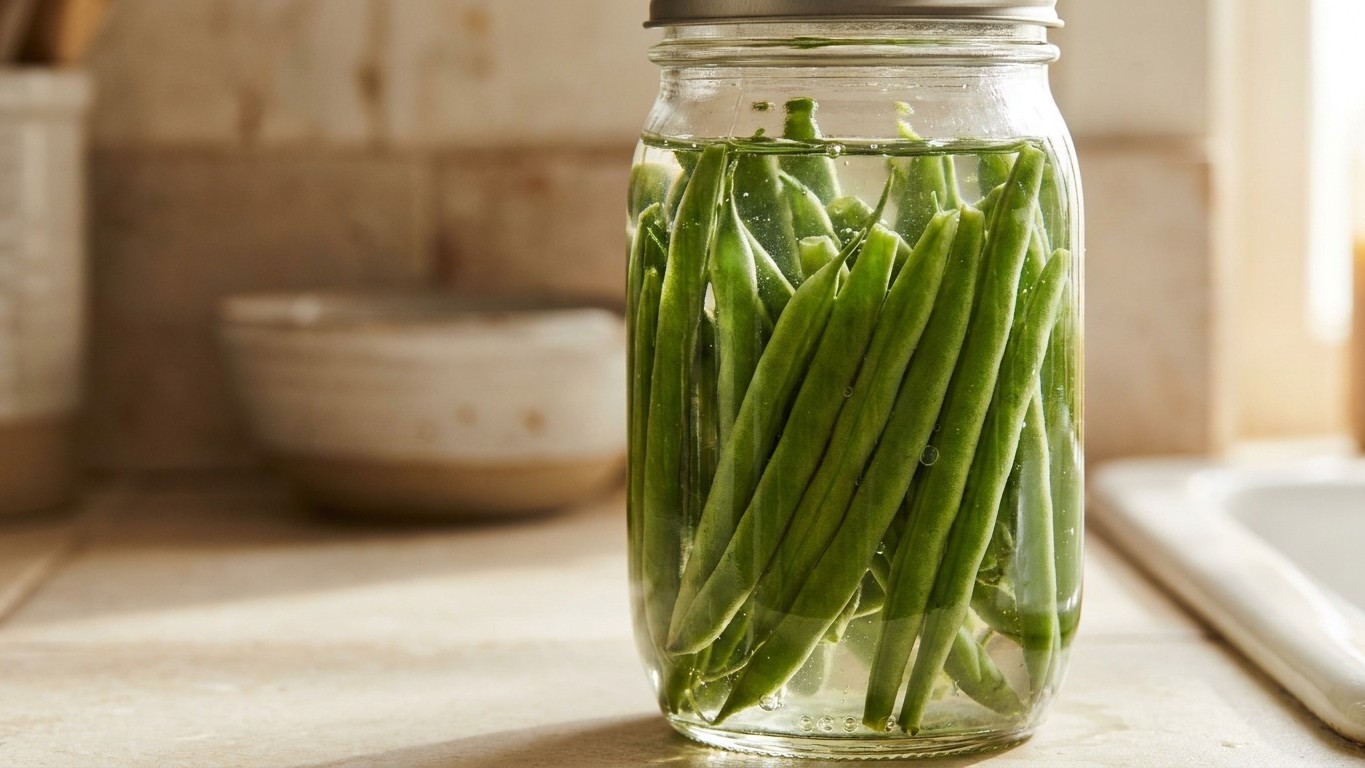

Pick the quick, cool-weather types. Bok choy, tatsoi, mizuna, komatsuna and mustard greens fit a Nova Scotia season well, and napa cabbage earns its place as a late-summer sowing for fall. Skip the ones that want long, hot summers. What follows breaks the choice down by type, explains what tends to fail, and shows how to adjust for your own corner of the province.
The short answer for Nova Scotia
Choose leafy types that mature in 30 to 60 days from sowing, and treat napa cabbage and other heading types as a fall crop. Bok choy, tatsoi, mizuna, komatsuna and the mustards all germinate in cool soil and shrug off light frost, which is exactly what the season here offers.
The reference station at Halifax Stanfield has about 164 frost-free days between the mean last spring frost (May 7) and the mean first fall frost (October 18). Both dates are averages from Environment and Climate Change Canada’s 1981-2010 normals. In one year out of two, the last frost lands after May 7, and in one year out of two the first fall frost arrives before October 18. Think of each date as the middle of a window.
| Type | Typical days from sowing | Best sowing season |
|---|---|---|
| Mizuna | 30 to 40 | Early spring, late summer |
| Komatsuna | 30 to 40 | Early spring, late summer |
| Mustard greens | 35 to 50 | Early spring, late summer |
| Bok choy | 30 to 60, depending on size | Early spring, late summer |
| Tatsoi | 40 to 50 | Late summer into fall |
| Napa cabbage | 60 to 80 | Late summer for fall heads |
Seed packets set the exact numbers for each cultivar, so read yours. Use the table as a guide to which type belongs in which slot.
Which types suit spring sowings?
The fastest ones: mizuna, komatsuna, baby bok choy and mustards cut young. Sow them as soon as the soil is workable, even a bit before May 7, since seedlings tolerate a light frost. Harvest them before the longest days of June arrive. Long days push these plants to send up flower stalks, and once that starts the leaves turn bitter. The calendar in When to Sow Asian Greens in Nova Scotia lays out the spacing of those sowings in detail.
Which types suit fall sowings?
Nearly all of them, and this is the better season. Sown from late July into August, the plants mature as days shorten and nights cool, so they stay sweet and rarely bolt. Napa needs the earliest start because it takes 60 to 80 days. Count back from October 18, then add a cushion, since half of all years bring frost sooner. Tatsoi, mustards and bok choy can go in a few weeks later.
What will not work here
Heat-loving greens come first. Water spinach, amaranth greens and Malabar spinach want warm nights and warm soil for weeks on end. An ocean-cooled summer and a short frost-free window leave them stunted, even when the packet promises a quick crop. Gardeners with a greenhouse or a hot, sheltered south wall can try them, but an open bed will disappoint.
Why does napa cabbage fail from spring sowings?
Napa sown in April or May spends its growing time under lengthening days, and long days tell it to bolt before a tight head forms. Sown too late in summer, it runs short of time instead. A head that is still loose when a hard freeze arrives will not finish. The workable window is narrow, which is why napa is the one type where a calendar matters more than a mood.
Damp air works against close spacing. Coastal fog and frequent rain keep leaves wet, and a thick stand of bok choy stays wet longest. That invites slugs and downy mildew. Give bok choy and napa room to size up, even though the bed looks sparse in the first weeks. Pulling every second baby plant as a harvest is an easy way to thin without waste.
Bare brassica seedlings also draw flea beetles, which chew small round holes in spring leaves, and root maggots, which attack the roots. Both are standard problems with this plant family across Atlantic Canada. Floating row cover laid over the bed at sowing, with the edges buried or weighted, keeps most of them out. Skip it and a bed of mizuna can look like lace by the end of May.
Can Asian greens survive a Nova Scotia winter outdoors?
Most cannot. The mean daily minimum of the coldest month at the Halifax reference station is -10.4 °C (13.3 °F). That is an average, so individual nights run colder. Bok choy and napa die in a hard freeze. Tatsoi and mizuna take more cold than the rest, and under a low tunnel or thick row cover they may last into early winter. Plan on harvesting everything before the deep cold rather than counting on spring regrowth.
What changes across Nova Scotia
The province is not one garden. Natural Resources Canada puts the reference city at hardiness zone 6b in the Canadian system, but that is the zone for one municipality, and other parts of Nova Scotia sit on either side of it. There is no single answer for the whole province. The Canadian system draws on seven climate variables, and Natural Resources Canada states that it does not convert to USDA zones, so do not map a Canadian zone onto a US one.
Find your own municipality on Canada’s Plant Hardiness Site and read the zone there. Nobody can tell you from a distance which zone your lot falls in, and a hillside two miles away may differ from yours.
How should northern or upland gardeners adjust?
The frost dates quoted above come from one airport near Halifax. Northern districts and upland areas, such as the higher ground of Cape Breton, run weeks behind it in spring and see frost earlier in fall. The shift is easy to describe. Push spring sowings later, pull fall sowings earlier, and lean on the fastest types: mizuna, komatsuna, baby bok choy and tatsoi. Napa, with its long timeline, becomes a gamble. Row cover and low tunnels extend the season at each end.
Along the coast, the ocean slows spring warming and softens the first fall frosts, so shore gardens often start later but finish later too. Sheltered inland valleys can warm sooner and run hotter in midsummer, which makes spring bolting a bigger risk there. Neither pattern replaces the dates on your own seed packet and your own observation of the ground.
Where to check this for your own county
Start with the Nova Scotia Department of Agriculture, the province’s main agricultural source. Look there for the local planting calendar covering your part of the province, and for any vegetable varieties that have been trialled in your county. A variety that performed well in a nearby trial has already survived your local weather, which a packet photo cannot promise.
Guidance written for the whole province is a starting point. A recommendation built for your county beats it, because county advice accounts for the frost pocket, the sea fog and the altitude that a provincial average smooths over. If your county’s calendar and the dates here disagree, follow the county.
For the bigger picture on soil, beds and care through the season, Growing Asian Greens in Nova Scotia covers the ground that variety choice sits on top of. Local garden clubs and farm stands are also worth a conversation, since growers nearby know which sowing dates held up through bad springs.
Checking this against your own garden
Your own garden outranks every date in this article. Three observations tell you more than a calendar can.
- Soil warmth by feel. Push a hand into the bed on a mild morning and feel whether the soil has warmed. If it feels cold enough to make your fingers ache, wait. Beds that warm first are sheltered and drain well, so sow your earliest greens there.
- First true leaves. Sow a small test row of radish or mizuna and watch. The first pair of leaves is the seed leaves, and the second pair, the true leaves, has a different shape. Quick true leaves mean the bed is warm and the main sowing can follow. Slow ones mean you are early.
- Where frost shows first. On the first frosty morning of fall, walk the yard. White on the low corner but not the high one tells you where cold air pools, and where to put the last sowings of tatsoi and mustards.
Keep a few notes from year to year. Three seasons of dates beat any average printed on a page.
Common questions
Is bok choy easy to grow in Nova Scotia?
Yes, especially from a late-summer sowing. It likes cool weather, matures in about 30 to 60 days depending on size, and handles light frost. Spring crops are more likely to bolt in the long days of June, so harvest them young.
Is napa cabbage worth the effort?
As a fall crop, yes. Sow it from late July into early August so it heads before hard freezes. Spring sowings tend to bolt, and the long timeline leaves little room for a cold, late fall.
Which Asian green should a beginner start with?
Mizuna or komatsuna. Both mature in about 30 to 40 days, germinate in cool soil, and tolerate light frost, so a missed date costs you very little.
Do I need row cover for Asian greens?
It helps a lot. Row cover blocks flea beetles and root maggots in spring, and the same fabric adds frost protection in fall. Seal the edges at sowing, because pests come in through gaps.