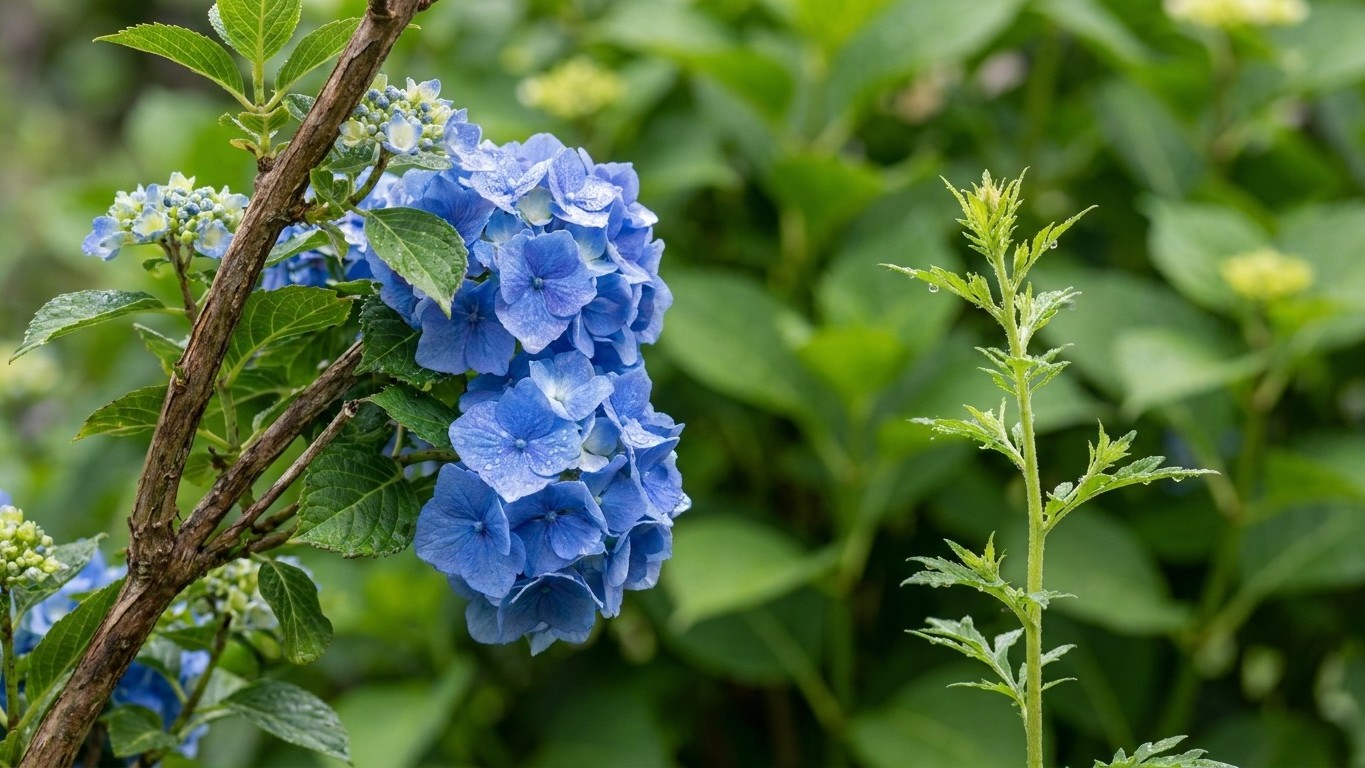

Panicle and smooth hydrangeas come through a New York winter in nearly every part of the state. They flower on new wood, so a hard freeze can kill the stems to the ground and the shrub still blooms that summer. Bigleaf and oakleaf types set buds the previous year, which makes them a gamble in colder areas. The state spans USDA hardiness zones 3b to 7b, and where you live on that range decides which group you can count on.
What this comes down to in New York

At the New York City reference station in Central Park, the last spring frost falls between March 23 and April 3, and the first fall frost between November 14 and November 27. That is a long, mild season, and it comes from a dense urban site. Upstate and the Adirondacks frost much earlier in fall and later in spring, so the season shrinks fast as you move north. Winter cold matters more than season length, though. USDA zones are built on a single number, the average annual extreme minimum temperature, and in this state that number runs from the zone 3b range up to 7b. A shrub that blooms on stems formed last year loses its flowers when those stems freeze. A shrub that blooms on stems it grows this spring does not.
The cultivars below run from the quickest bloomers on new wood to the ones that need the longest, mildest run of seasons.
Quick Fire
A panicle hydrangea hardy in roughly USDA zones 3 through 8. It blooms on new wood, and it opens earlier than most panicles, with white cones that age to pink and red. In a short upstate season it is a good panicle choice for finishing flowering before fall.
Annabelle
A smooth hydrangea with large white globes on new wood; check with your local county extension office for hardiness in your area. It dies back in hard winters and returns on schedule. The stems are floppy under heavy rain, but the plant itself is very reliable in the cold parts of the state.
Incrediball
A smooth hydrangea in the Annabelle mold; check with your local county extension office for hardiness in your area. It blooms white on new wood and has sturdier stems that hold the flowers up. It suits the same cold sites as Annabelle, and gardeners often pick it when they are tired of staking.
Limelight
A panicle hydrangea hardy in roughly USDA zones 3 through 8. It flowers on new wood, with lime-green cones that turn white and then pink as the weather cools. It is a little slower to start than Quick Fire, but the bloom still arrives well ahead of fall frost in most of the state.
Endless Summer
A bigleaf hydrangea with blue or pink flowers depending on soil pH; check with your local county extension office for hardiness in your area. It blooms on both old and new wood, which gives it a second chance when winter kills some buds. It suits the Hudson Valley, Long Island and the milder south, and it is a risk in the coldest areas.
Snow Queen
An oakleaf hydrangea; check with your local county extension office for hardiness in your area. It blooms white on old wood, and it adds burgundy fall color. Where winters stay out of the deepest cold, it is dependable. In the north, flower buds on those stems often do not make it through.
Nikko Blue
A classic bigleaf hydrangea with blue mophead flowers on old wood only; check with your local county extension office for hardiness in your area. Any winter that kills the stem tips takes the flowers with it. Plan on it for Long Island, New York City and the warmest river valleys, and think twice elsewhere.
Working it out for your own garden
Start with the plant’s bloom wood, then your zone, then the calendar. The first two settle whether the shrub survives and flowers. The calendar only decides whether it establishes in time.
For planting dates, count backward from the first fall frost. A newly planted shrub needs workable soil to root before the ground freezes. In New York City, a first fall frost between November 14 and November 27 minus six weeks puts the fall planting deadline between early and mid October. Spring has no such deadline, since you can plant as soon as the soil can be worked, once the last frost window of March 23 to April 3 has passed. Upstate, shift both ends: the fall deadline moves earlier and the spring start moves later, by an amount your county extension office can tell you.
Now work an example. Take Annabelle, which blooms on new wood. Plant it in spring, and it leafs out within weeks and opens its first flowers in early to midsummer. That leaves a long gap before the first fall frost, so it establishes and blooms in its first year even in a short season. Quick Fire follows the same logic with a bit more room to spare.
Now try Endless Summer, which needs more time. Planted in spring, it grows well, but its rebloom depends on new stems that develop through the summer. If you plant it in late fall, close to the first frost, there is little time to root, and the stems face their first winter with no reserves. Plant it in spring, protect the base with mulch in the first winter, and you give it the full season it wants. Nikko Blue is less forgiving, because it needs old wood to survive the winter intact before it flowers at all.
Telling winter damage from other problems is straightforward. In late spring, scratch a stem with a thumbnail. Green underneath means it is alive. Brown and dry means that stem is dead and will not leaf out. A shrub that leafs out well but never flowers has lost its buds on old wood, which points to a variety that is too tender for your site. A shrub that dies to the ground and regrows has survived, and if it blooms by midsummer it is a new-wood type doing its job.
What changes across the state
New York has several climates in one border. The Adirondacks and the Tug Hill region sit at high elevation, with long, cold winters and short summers. The zone 3b end of the state’s range is there, and only the hardiest new-wood types are worth planting. Smooth hydrangeas and panicle types like Quick Fire and Limelight are the choices that make sense.
Lakes change the picture too. Lake Erie and Lake Ontario moderate the air near their shores, which delays fall frost and softens extremes in some areas. They also dump heavy lake-effect snow on certain regions, and that snow acts as insulation. A deep, steady snow cover protects crowns and low buds far better than bare, windy ground does. A garden on the lee side of a lake can be colder on paper than one nearby and still carry shrubs through, simply because snow arrives early and stays.
The Hudson Valley is a middle case, milder than the Catskills and the Southern Tier but colder than the coast. Long Island and New York City sit at the warm end, with an ocean that tempers winter lows and a long gap between spring and fall frost. That is where bigleaf and oakleaf types behave best. Within any one region, the variation between a sheltered lot and a windy hilltop can be as important as the difference between regions, so watch how early frost reaches your own yard.
The mistakes this state punishes

The first is planting or pruning on a warm spell. A run of mild days in March, which is common near New York City, can wake bigleaf hydrangeas early. Then a late freeze catches the tender new growth. Wait until the frost window has passed, and keep mulch around the base until then. Leaving a loose layer of leaves or bark in place through April is cheap insurance.
The second is picking a variety for its flowers instead of its range. A Nikko Blue in the northern part of the state may leaf out beautifully for years and never bloom. If your zone sits below the plant’s range, choose a new-wood type instead of hoping for a mild winter.
Pruning at the wrong time costs flowers every year. Cutting bigleaf or oakleaf types in fall or early spring removes the buds they set the previous summer, and the timing for each type is covered in When to Prune Hydrangeas in New York. New-wood types are much more forgiving.
Late planting is the fourth. A shrub that goes into the ground close to the first fall frost has little time to root, and frost heave can push it up out of the soil over winter. Plant by early to mid October at the latest in the south of the state, and earlier upstate. Skip fertilizer in late summer too, because it pushes soft growth that freezes.
Checking this against your county
The New York City window is a starting point, and your yard may differ by weeks. Your county’s Cornell Cooperative Extension office can tell you the local frost dates and which varieties do well nearby. For the broader picture of site, soil and care, see our overview of growing hydrangeas in New York.
Common questions
Will hydrangeas die in a New York winter?
The plant usually survives, but the stems may not. Panicle and smooth hydrangeas regrow from the base and still bloom. Bigleaf and oakleaf types can lose flower buds in cold winters, so they leaf out but skip flowers.
Which hydrangeas are the safest choice for upstate New York?
Smooth hydrangeas such as Annabelle and Incrediball, and panicle types such as Quick Fire and Limelight. All bloom on new wood; check with your local county extension office for hardiness in your area.
Can I grow bigleaf hydrangeas in New York?
Yes, in the milder parts. Long Island, New York City and the warmer parts of the Hudson Valley suit them best. Reblooming types such as Endless Summer give you a second chance if winter kills some buds, which makes them a safer bigleaf choice than old-wood-only types such as Nikko Blue.
How do I know if my hydrangea survived winter?
Wait until the shrub has had time to leaf out in late spring. Scratch a stem with a thumbnail. Green means it is alive, and brown and dry means it is dead. Cut dead stems back to live wood or to the ground.