
Nearly every hydrangea sold in North Carolina survives the winter as a plant. The real question is whether it flowers the next summer. Panicle and smooth hydrangeas bloom on new growth and flower after almost any winter. Bigleaf, mountain and oakleaf types set buds the previous summer, and a late freeze can wipe out the whole crop of flowers.
What this comes down to in North Carolina

At Charlotte, the reference city, NOAA’s NCEI climate normals put the last spring freeze (32°F) between March 23 and April 5 and the first fall freeze between October 30 and November 8. Every hydrangea in this list lives through that winter, so the useful question is how much of the cold season each one can shrug off.
Charlotte has roughly seven months between those two frosts. That is plenty of time for any hydrangea to finish blooming before fall. The risk sits at the edges of the window. A bud that formed last August has to get through the whole winter and then through any freeze that follows a warm March. A bud that forms in May on fresh growth never faces that gamble.
The state covers USDA hardiness zones 6a to 9a on the current (2023) USDA map, a system built on one variable, the average annual extreme minimum temperature. Mountain gardens sit at the cold end of that range and the coast at the warm end, so a cultivar’s zone rating matters more here than in a state with one climate. The growing hydrangeas in North Carolina guide covers siting and care. The six cultivars below are ordered from the ones that shrug off the most cold to the ones that gamble the most.
Annabelle
A smooth hydrangea rated for zones 3 to 9, with large white blooms that open in early summer. It flowers on new wood, so a hard winter or a late freeze only means a later start. It is a very safe pick for a cold mountain yard, though the heavy flower heads flop after a summer thunderstorm.
Limelight
A panicle hydrangea rated for zones 3 to 8. The blooms open lime green in midsummer, turn white, and blush pink as nights cool in fall. It flowers on new wood, which makes it dependable from the mountains to the Piedmont. Its zone rating tops out at 8, so the warmest coastal sites sit at the edge of its range.
Endless Summer
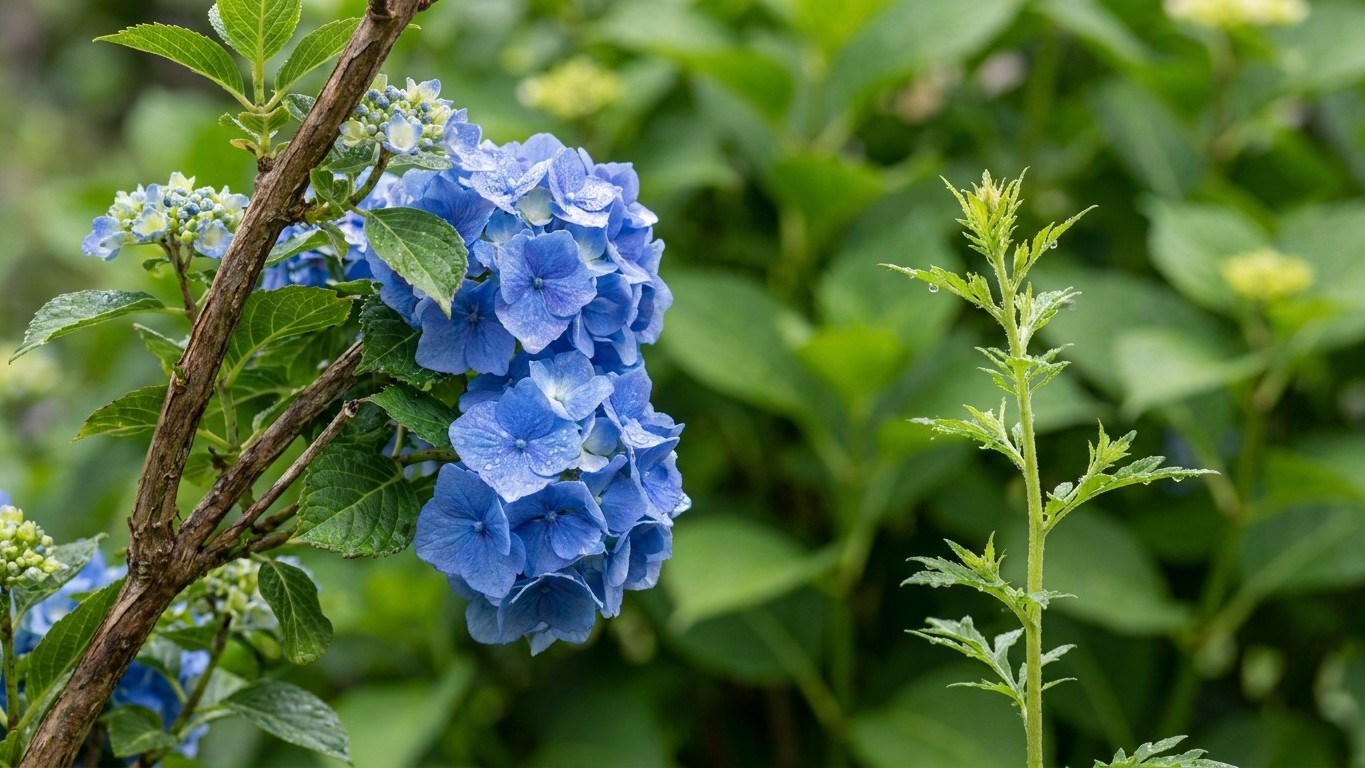
A bigleaf hydrangea rated for zones 4 to 9, blue in acidic soil and pink in alkaline soil. It blooms on both old and new wood. If winter or a spring freeze kills the old buds, it still sets flowers later in the season, so you lose the early show and keep the summer one.
Tuff Stuff
A mountain hydrangea (Hydrangea serrata) rated for zones 5 to 9. It is smaller than a bigleaf, blue or pink depending on pH, and it also reblooms on old and new wood. It copes with cold better than a classic bigleaf, though the old-wood flush can still be thinned by a hard freeze.
Snow Queen
An oakleaf hydrangea rated for zones 5 to 9 with white flower cones that age to pink and tan. It blooms only on old wood, but the buds are tougher than a bigleaf’s, and the leaves turn burgundy in fall. A severe late freeze can still cost you a year of flowers in the mountains.
Nikko Blue
A classic bigleaf rated for zones 6 to 9, deep blue in acidic soil, pink to purple in sweeter soil. It blooms on old wood only. In the Piedmont and on the coast it flowers well in mild years, but it is the cultivar most likely to leaf out beautifully and bloom not at all after a cold snap.
Working it out for your own garden
A cultivar’s label gives you its zone and its bloom habit. Your garden’s frost window gives you the rest. Start by asking whether the plant flowers on new wood or old wood, because that one fact predicts most winter losses.
How do you work out whether a hydrangea will bloom before frost?
Take Limelight, a new-wood panicle. Budbreak at Charlotte comes right around the last spring freeze. Panicles need many weeks from budbreak to the first open flowers, so watch the buds and count the weeks yourself. The first fall freeze does not arrive until October 30 to November 8. That leaves months of bloom before frost, and the plant is in no danger of missing its season. A new Limelight set out in spring has the same margin.
Now run Nikko Blue the same way. Its flower buds are already on the stem in winter, so the weeks-to-bloom count is shorter, and flowers show earlier. Fall frost is not the main threat to that season. The danger is the beginning. If a warm spell in early March swells the buds and a freeze follows before April 5, the buds turn brown and the shrub puts out only leaves. It is rated hardy, and it can still deliver nothing.
Why does the flower color change with soil?
In bigleaf and mountain hydrangeas, color follows aluminum uptake. Acidic soil frees aluminum and the blooms turn blue. Neutral to alkaline soil locks it up and they turn pink. In between you get purple or a mix on the same plant. Panicle, smooth and oakleaf types stay white or green no matter what you do to the soil. A soil test before buying tells you which color you will get without amendments.
How do you tell winter damage from a dead plant?
Wait until the shrub should be leafing out, then scratch the bark of a stem with a fingernail. Green underneath means the wood is alive. Brown and dry means that stem is dead. Cut dead wood back to the first healthy bud and leave the rest. An old-wood hydrangea that leafs out but skips flowers has lost its buds, not its life.
What changes across the state
The Charlotte window is a starting point. Elevation moves it a great deal. The Blue Ridge and the high valleys to the west run several weeks later in spring and colder in winter, so hardiness zone ratings become the deciding factor there. The coastal plain runs earlier in spring and milder in winter, so the main risk shifts from cold to timing.
In the mountains, panicle and smooth hydrangeas are the dependable choice. Old-wood types can bloom well in a sheltered spot, but a cold hollow works against them, because cold air drains downhill and pools in low ground on still nights. A yard on a slope may escape a freeze that burns the shrubs at the bottom of the same property.
Along the coast the winters are mild enough that bigleaf hydrangeas flower reliably most years, and that mildness is the trap. Buds swell early, and one belated freeze catches them fully exposed. Salt spray and strong sun add stress close to the water. The Piedmont sits in between and gives gardeners the widest choice, which is why a lot of cultivar advice quietly assumes it.
The mistakes this state punishes

The first mistake is pruning an old-wood hydrangea in fall or winter. Bigleaf, mountain and oakleaf types carry next summer’s flowers on last summer’s stems, and cutting them back removes the flowers. Prune them right after they bloom. Panicle and smooth types can be cut in late winter.
The second is trusting a warm spell. A warm spell in March tells bigleaf buds to swell, and the last freeze at Charlotte can arrive as late as April 5. When buds are open or swelling and a freeze is forecast, cover the shrub overnight with a sheet or frost cloth, draped to the ground, and take it off in the morning.
The third is feeding late. Nitrogen in late summer pushes soft new growth right before the first fall freeze, which comes October 30 to November 8 at the reference city. Fertilize in spring and stop by midsummer.
The fourth is planting a bigleaf where cold collects and expecting flowers every year. In a mountain hollow, choose Annabelle or Limelight, or put a bigleaf on a slope near a wall.
The last is giving up in March. A bare, brown-stemmed hydrangea often looks dead long after it is merely waiting. Scratch the bark, then give it until late spring before replacing anything.
Checking this against your county
Charlotte’s frost window and the statewide zone range are a starting point, and your own yard may sit a few weeks off either end. Call your county office of North Carolina State Extension to ask about local freeze timing, soil pH testing and which cultivars have done well nearby. Then read our growing hydrangeas in North Carolina guide for planting and care details.
Common questions
Will my hydrangea die if a freeze hits after it leafs out?
Rarely. A late freeze usually blackens new leaves and kills old-wood flower buds, but the plant regrows from the stems or the crown. Remove dead tissue once new growth shows, and expect fewer flowers that year.
Which hydrangeas bloom most reliably after a hard winter?
Those that flower on new wood: smooth types like Annabelle and panicle types like Limelight. Reblooming bigleafs such as Endless Summer come next, because they can bloom again even after the early buds are lost.
Do I need to protect hydrangeas over winter at Charlotte?
Usually not for the plant itself. A layer of mulch over the roots helps, and frost cloth is worth using only on swelling buds when a spring freeze is forecast, especially for bigleaf cultivars.
Why did my bigleaf hydrangea grow leaves but no flowers?
The likeliest cause is winter or spring cold killing the flower buds, or pruning at the wrong time of year. Scratch a stem to confirm it is alive, and next time prune only right after flowering.