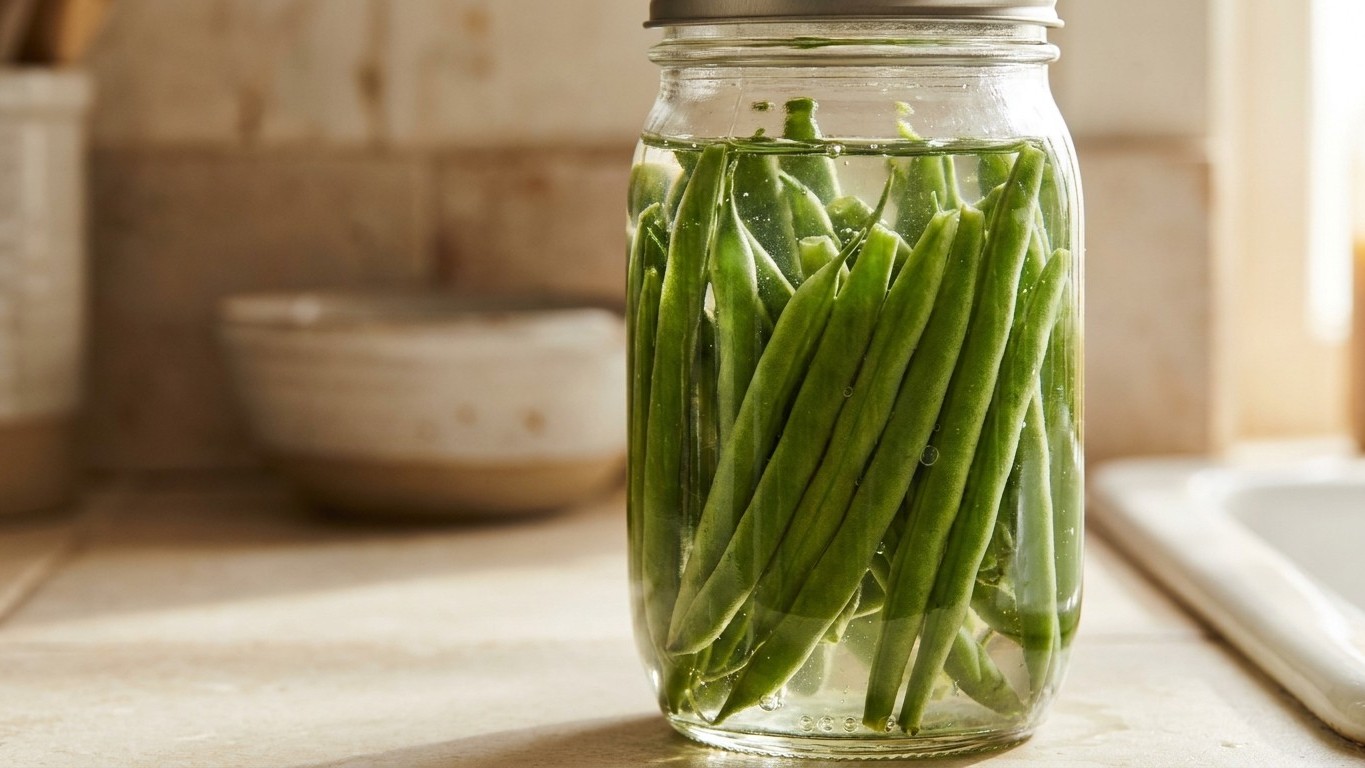

In the low desert around Phoenix, Asian greens belong to the cool half of the year, from fall through early spring. Summer heat stops them, and frost almost never does. Freezes are rare there, so a frost-date calendar does little good. Around Flagstaff and across the high country, winters freeze hard and cold-climate timing applies. Which of those two gardens you have decides nearly everything below.
When the soil is warm enough in Arizona
Start with the frost record, because most planting advice does. At the Phoenix reference station (NOAA station USW00023183, from the 1991-2020 Climate Normals and daily records), there is no freeze in most years. A rare cold snap can bring 32F between late December and mid January. Phoenix reached 32F in only 6 of 30 springs, and NOAA lists the frost-free season there as 365 days. A frost date is a probability, and for the low desert that probability says a hard freeze is the exception.
For gardeners in colder states, frost is a stand-in for what the crop actually needs: soil warm enough for seed to sprout and seedlings to grow. The soil warms after the frost risk ends, which is why a last-frost date works as a rough starting line. In the low desert the logic flips. Soil stays warm nearly all year, and the real question is when it has cooled enough after summer for bok choy, mizuna, tatsoi and mustard types to establish without stress.
When can you sow Asian greens in the Phoenix area?
Sow in fall, once the worst of the heat has broken and nights have started to cool. Mid-October is well inside that window. Seed pushed into soil still baking from summer gives seedlings that wilt between waterings and bolt early once they do grow. A few habits help in the shoulder weeks: lay shade cloth over the bed for the afternoon, mulch right after seedlings emerge, and water the bed the evening before sowing to pull some heat out of the top inch.
The window then runs through winter and into early spring. Late sowings eventually collide with spring warmth, and plants that meet it young tend to flower before they ever form a decent head or rosette. Your county extension office can give local sowing dates, and they differ between the Phoenix area, Tucson, Yuma and the higher desert towns.
Does frost matter for Asian greens in northern Arizona?
It does, and a lot. The USDA Plant Hardiness Zone Map (2023) spans zones 4b to 10b across the state. That is a territory-wide range, and Phoenix sits near the warm end of it while the high country sits near the cold end. Flagstaff and the plateau towns freeze hard, so gardeners there treat Asian greens like gardeners in any cold-winter state. They sow after frost risk passes for a spring crop and again in late summer for a fall crop. Local frost dates come from the county extension office, and they vary from valley to valley.
How long the season lasts here
The Phoenix reference station has a frost-free season that NOAA lists as 365 days, and no reliable fall freeze ends it. That does not mean you can sow any week of the year. Heat, not cold, closes the window, so the usable season for Asian greens runs across the cool months and shuts when spring warms up and plants start to flower. For a gardener in Georgia or New Jersey, the calendar looks nothing like this. You can compare it with growing Asian greens in Georgia and growing Asian greens in New Jersey.
How many sowings fit in the low desert?
Several. Asian greens are quick crops, and a cool season that stretches from fall into early spring leaves room to sow a short row every couple of weeks instead of one big block. The payoff is a steady supply of tender leaves rather than a single week when everything is ready and half of it turns tough. Stop sowing when the days warm enough that young plants would bolt before they size up. The succession sowing guide on this site lays out the spacing between sowings and works well here.
Daikon and other root types deserve their own timing. They prefer to be sown where they will grow, and fall sowings reach a good size in the mild months before spring heat arrives.
Is transplanting worth it?
In the low desert, sometimes. Starting seedlings in pots in a shaded spot during the last hot weeks of early fall, then setting them out when the nights cool, gets a head start. The catch is the roots. Check them before planting: white, fibrous roots that hold the soil together are fine, while a mass of circled roots stunts growth and encourages early flowering. Root crops like daikon and turnip resent transplanting at all, so sow those in place.
In the high country, where the season is shorter and cut off by cold, the first sowing may be the only one. Transplants earn their keep there only when the roots are healthy, because a stunted start has no time to recover. Direct sowing right after the soil warms in spring, or in late summer for fall, is usually the simpler bet.
Heat and water in Arizona
Summer in the low desert is long, hot and hard on leafy crops. Temperatures at the Phoenix reference station stay high for months, and that is what pushes Asian greens into bolting, bitterness and burnt leaf edges. Monsoon humidity in the late summer brings little relief and adds fungal trouble on crowded plants. Outside the monsoon, rain is light across most of the low desert, so irrigation supplies almost all the water. Drip lines or soaker hoses keep moisture even, and even moisture matters, since dry spells turn leaves bitter and speed flowering. A layer of mulch holds that moisture and keeps roots cooler.
This family belongs to the second half of the year, so two cold-side facts govern it more than any heat count. One is the first fall frost, which sets how late a sowing can still finish. In the low desert no reliable fall freeze exists to count back from, so heat and daylength set the calendar. In the high country the first fall frost matters a great deal, and the local date from your county extension office is what you count back from.
Will Asian greens survive an Arizona winter?
In the low desert, yes. The mean daily minimum of the coldest month at the Phoenix reference station is 45.3F. That is the figure that decides winter hardiness, and it sits well above anything that would stop a cool-season green. Growth slows in the cold months but does not stop. On the rare night that threatens 32F, a layer of frost cloth or floating row cover is enough protection.
In the high country the second fact takes over: the winter low. The hardiest types can stand through cold weather under a cover, while the tender ones end with the first hard freeze. A low tunnel or cold frame stretches the fall season by weeks, and it is worth the setup if you want greens into December.
What pests and diseases follow the warm weather?
Warm autumn days bring aphids, flea beetles and cabbage caterpillars to young plants. Floating row cover laid over the bed at sowing is the best defense, since it keeps the insects off. Hand-picking caterpillars and washing aphids off with a firm spray of water handle small outbreaks. Overcrowded plants in humid weather invite leaf spots, so thin early and water at the base.
Bok choy, mizuna and mustard types are brassicas, and so are turnip and rutabaga. They share their pests and diseases with cabbage, kale and mustard. A gardener who rotates them into a cabbage bed has rotated nothing, so follow them with a non-brassica crop and keep the whole family on a multi-year rotation.
Which Asian greens suit Arizona
Choose by type, and let the heat guide you. In the low desert, the winners are the quick baby-leaf types harvested young: loose-leaf mustards, tatsoi and mizuna, and small bok choy. They get to harvest before warm weather arrives. Large napa-type cabbages and big daikon need a longer stretch of cool weather and pay for a late or badly timed sowing. Whatever you plant, give the roots shade and mulch, and give leaves airflow by thinning, because heat plus crowding is where trouble starts. For the broader picture on speed and bolting, see growing Asian greens: fast, cold-hardy, and prone to bolting.
In the high country the short season favors the earliest and fastest types, sown right as soil workable in spring and again in late summer, with the hardiest ones held under cover for a late fall harvest. Where humid monsoon weather hangs on, disease resistance becomes the first thing to look for on a seed packet, ahead of flavor or size.
Which varieties should you plant?
No variety name belongs here, and the reason is practical. Arizona has the low desert, the high desert, the mountains and the plateau, and a variety that thrives in one fails in another. The only recommendation worth following comes from trials done near you. University of Arizona Extension and your county office know which varieties have been grown and tested in your area, plus the sowing dates that suit your elevation. Ask them before you buy seed.
If you grow daikon or other roots and plan to store some, inspect each one before it goes in. Look for soft patches, weeping spots and moldy crowns. Any of those ends the question, and the root should be composted. A root that looks sound can still be hiding trouble, so do not rely on appearance alone, and use stored roots sooner rather than later.
Common questions
Can you grow Asian greens in Arizona in summer?
In the low desert, summer is the wrong time. Long heat makes plants bolt and turn bitter. Wait for fall. In the cooler high country, spring and late summer sowings work, and shade cloth helps on the warmest afternoons.
Do you need a frost date to plant in Phoenix?
Not really. Phoenix reached 32F in only 6 of 30 springs, and NOAA lists the frost-free season as 365 days. Plant by heat instead: wait until the summer peak has passed and nights are cooling.
What protects Asian greens from a cold snap in the low desert?
Frost cloth or floating row cover, laid over the bed before dark on a night forecast near 32F. The coldest month averages a minimum of 45.3F at the Phoenix reference station, so most nights need no protection at all.
Do the same rules apply in Flagstaff?
No. Flagstaff and the high country freeze hard, so frost dates matter and the first fall frost limits how late a sowing can finish. Hardy types can go under a cover, but the first hard freeze ends the tender ones. Your county extension office has local frost dates.