Firewood in Georgia: Which Woods Your Winter Actually Needs
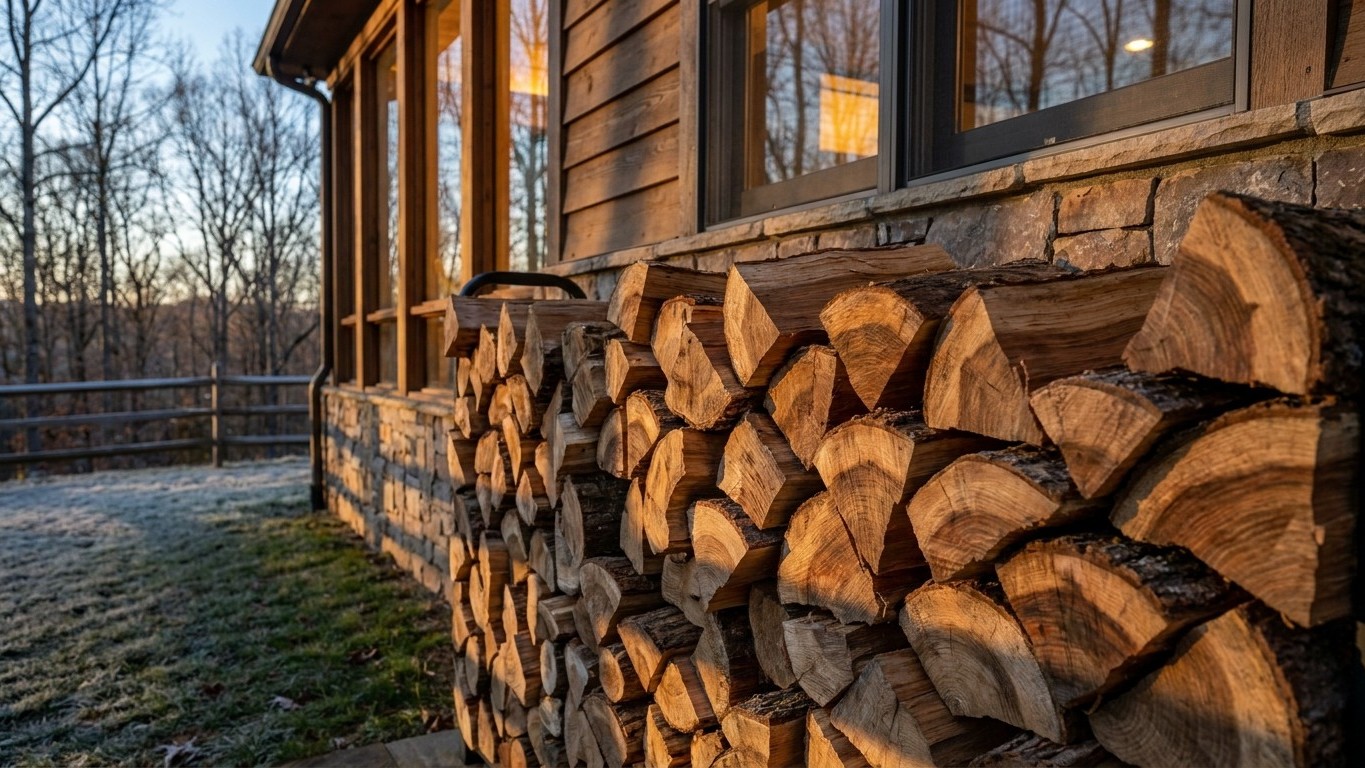
Firewood in Georgia isn’t a survival question, it’s a comfort question. With average lows in the mid-30s during the coldest month at the state’s…
Home & garden, state by state
Firewood in Georgia isn’t a survival question, it’s a comfort question. With average lows in the mid-30s during the coldest month at the state’s…
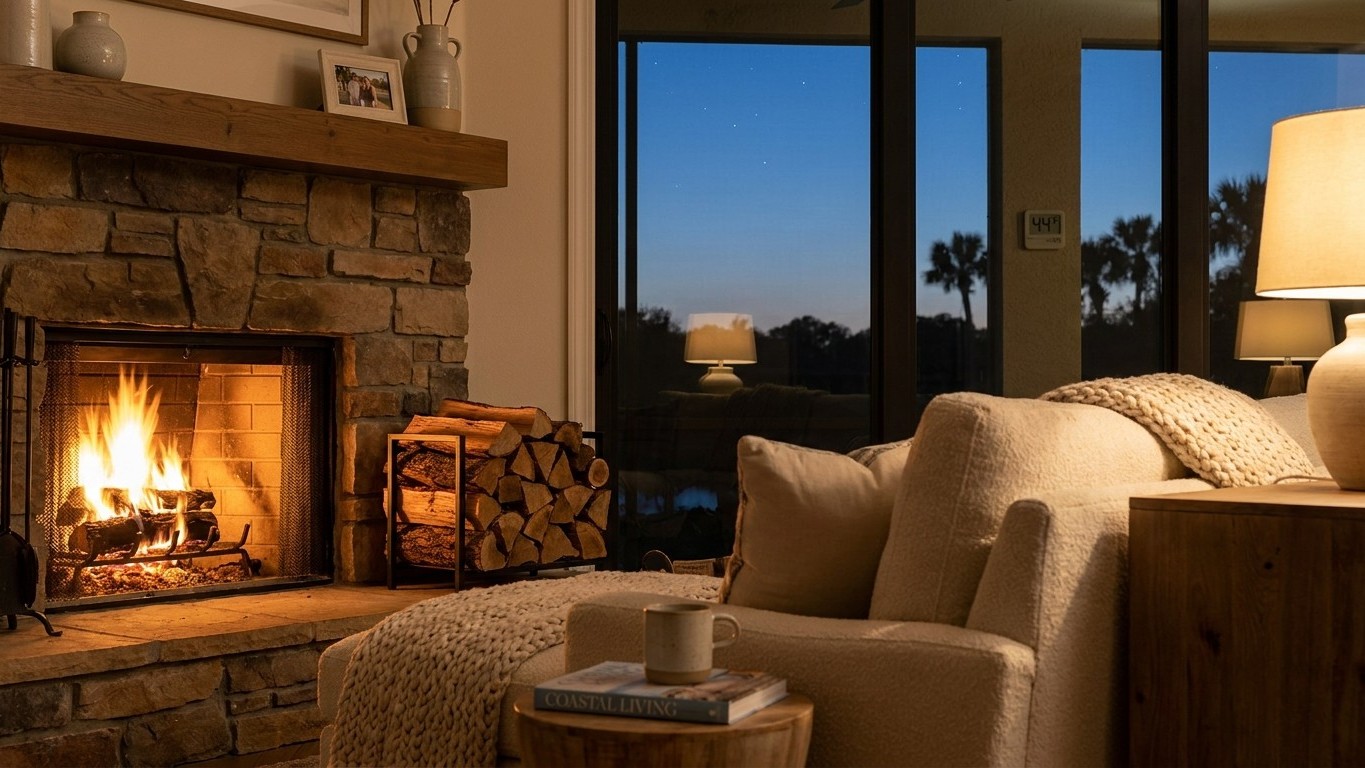
If you’re wondering whether you actually need a cord of oak this winter or just a bundle from the gas station, the answer starts with one number: 42.9°F.
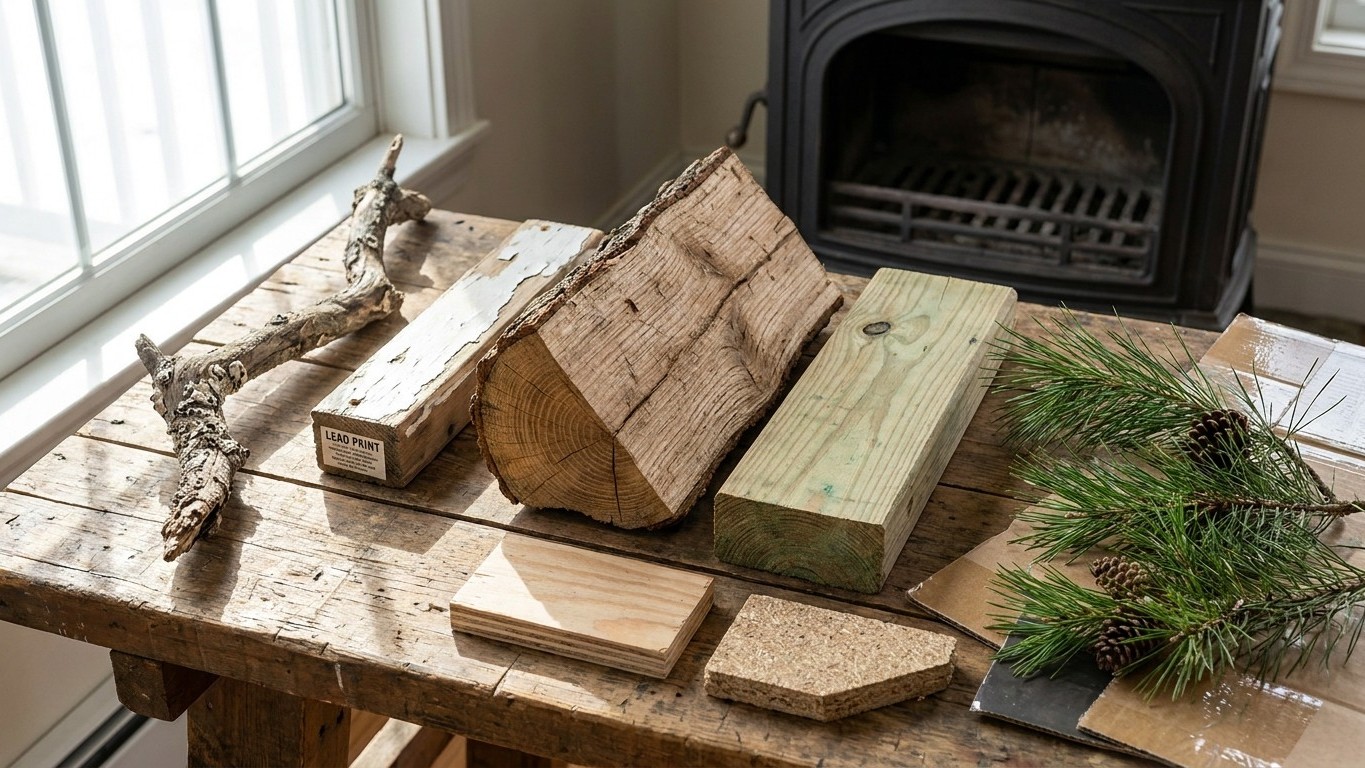
Burn wood that’s dry, split, and unpainted, and skip everything else. That short list rules out more than people expect: treated lumber, driftwood, green…
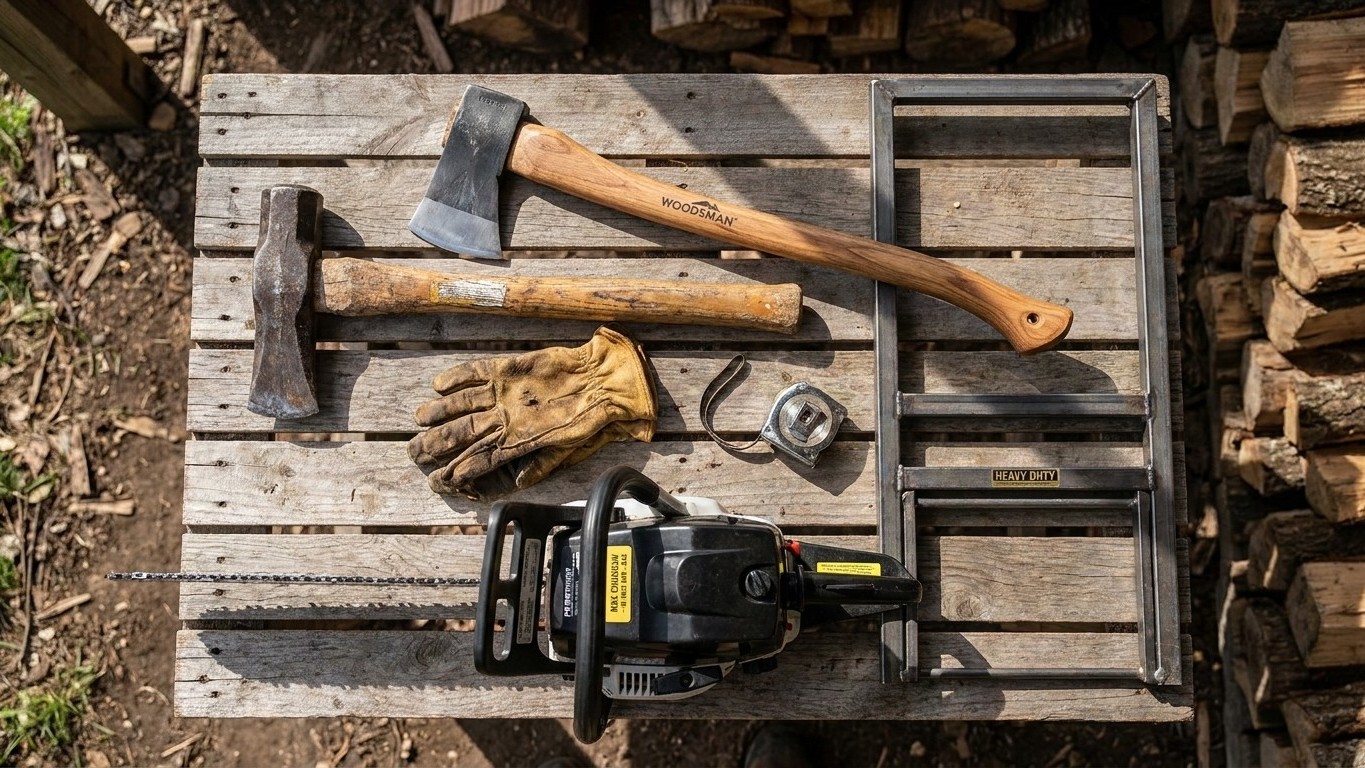
A firewood season lives or dies on five tools, and none of them is the splitter you’re probably picturing first.
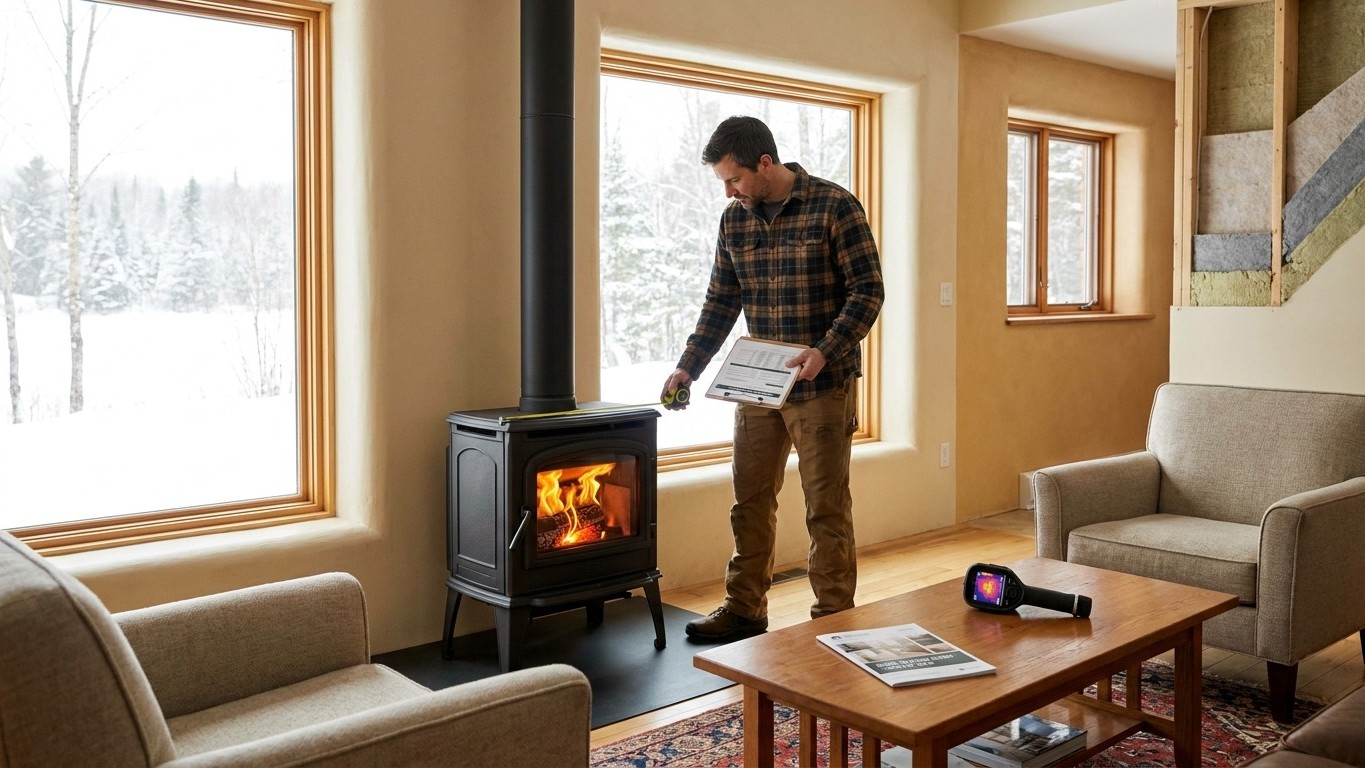
The right size for a wood stove has almost nothing to do with your square footage and everything to do with two numbers: how well your walls hold heat…
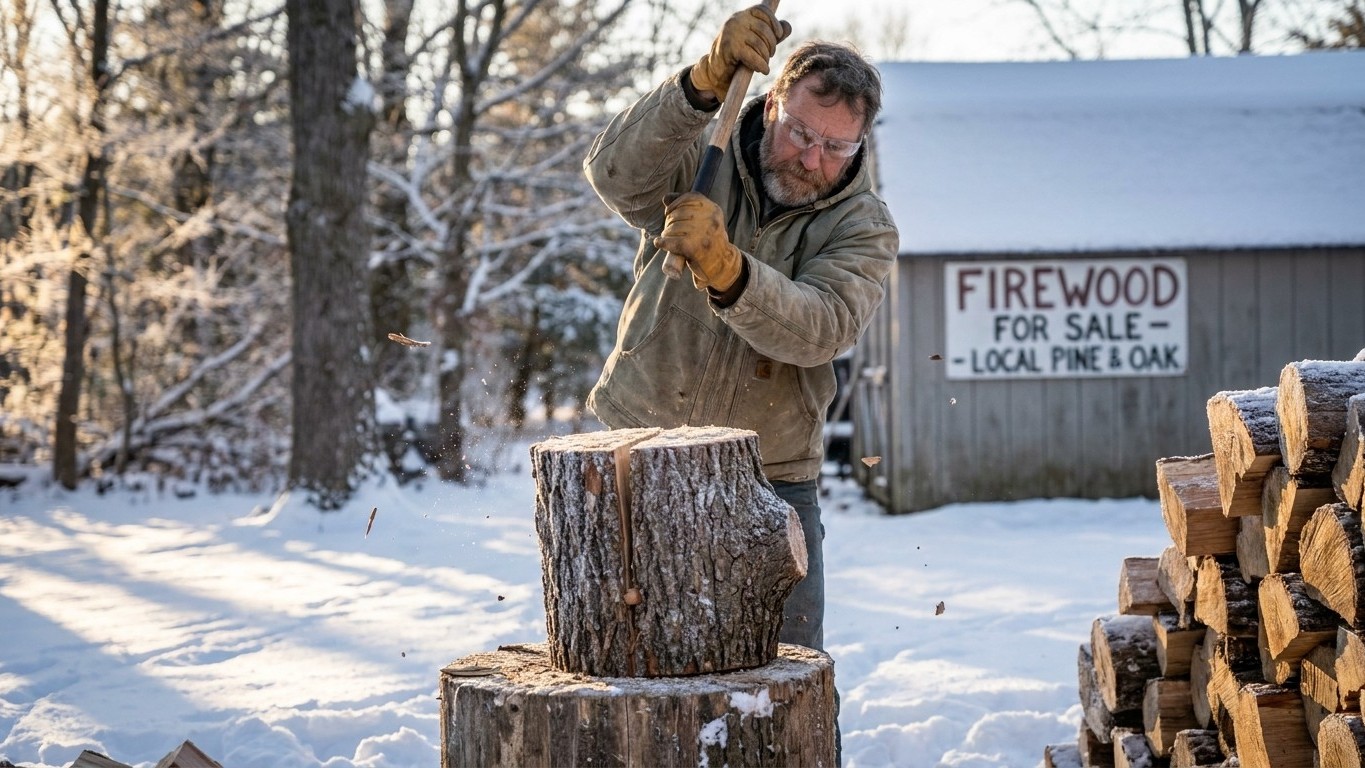
Firewood splits best right after the tree comes down, while the wood is still green, or once winter cold has frozen it solid.
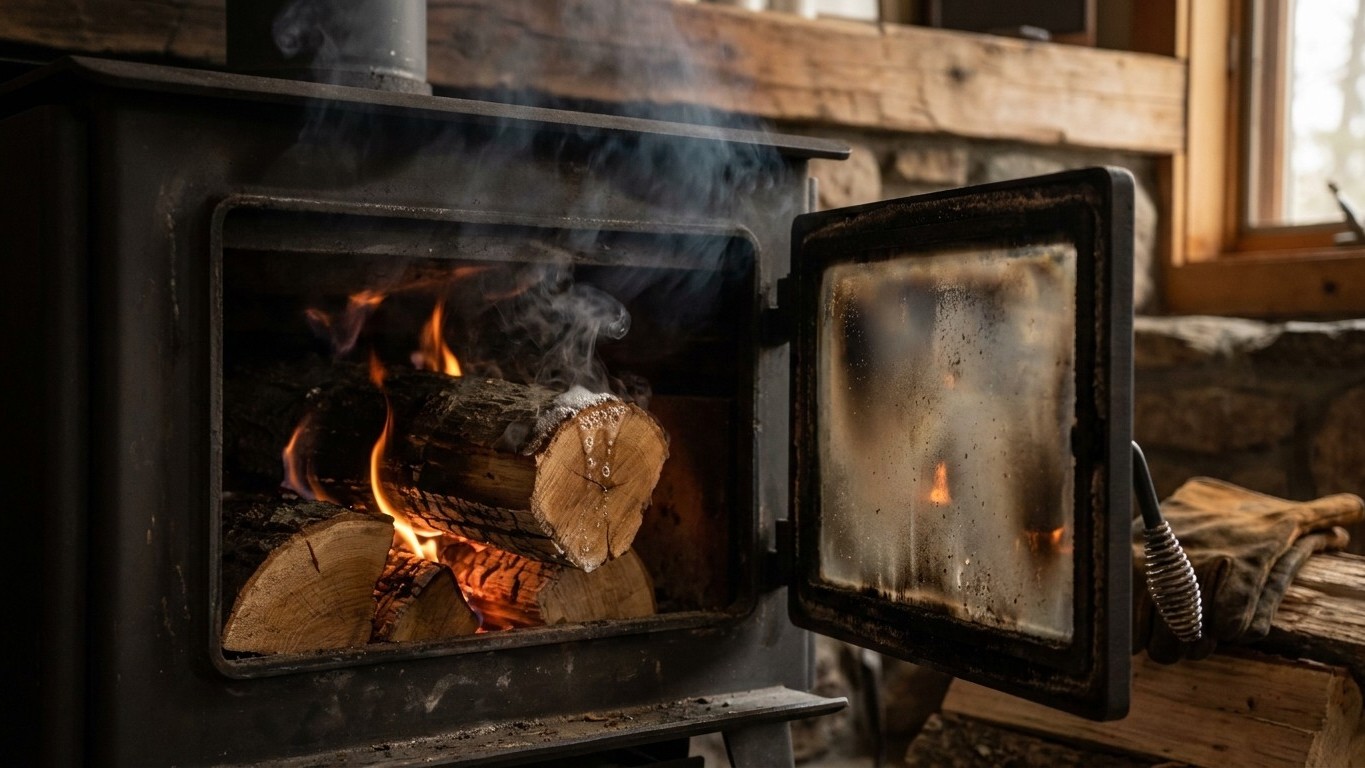
Hissing, popping, and little bubbles of moisture seeping out of the log ends while it’s supposed to be burning: that’s not a defective piece of wood, and…
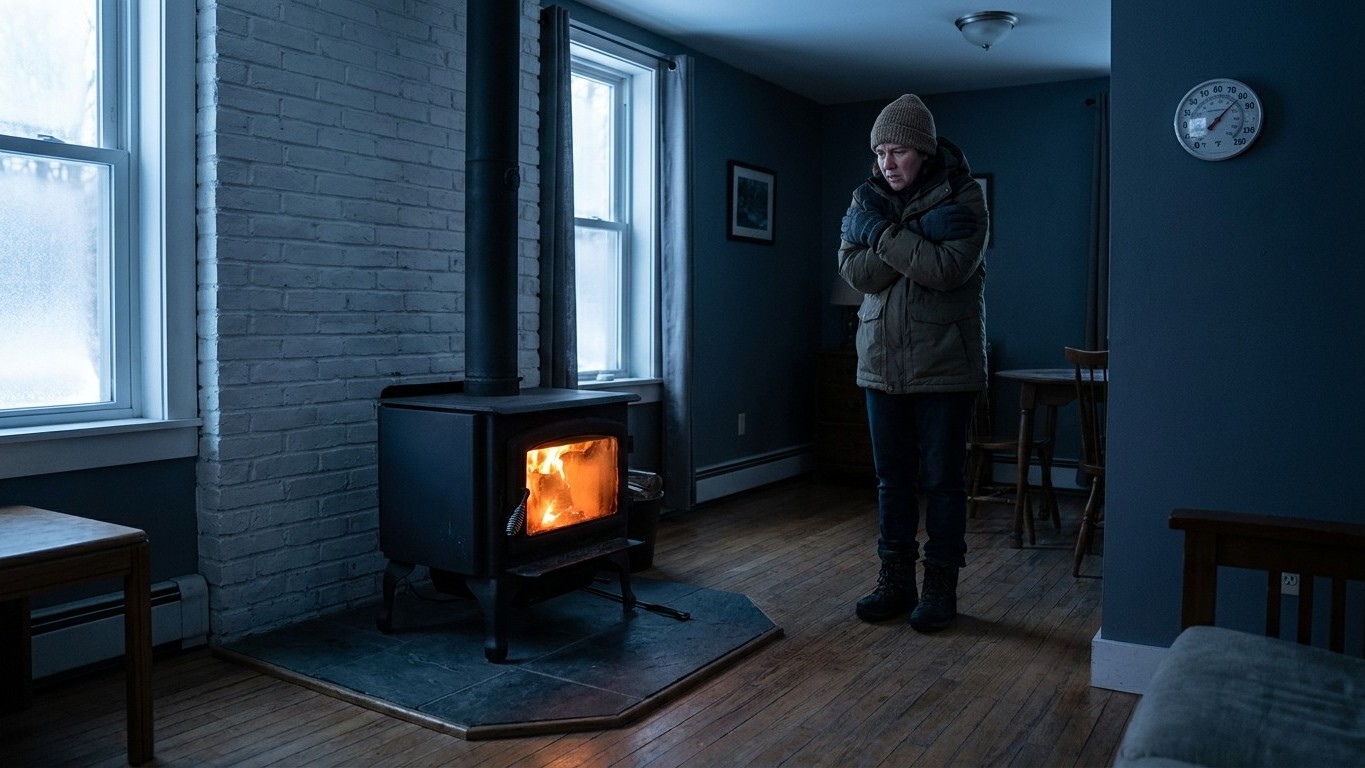
The room stays cold no matter how much wood you feed the fire, or the glass blackens and the heat never seems to reach past three feet from the stove.
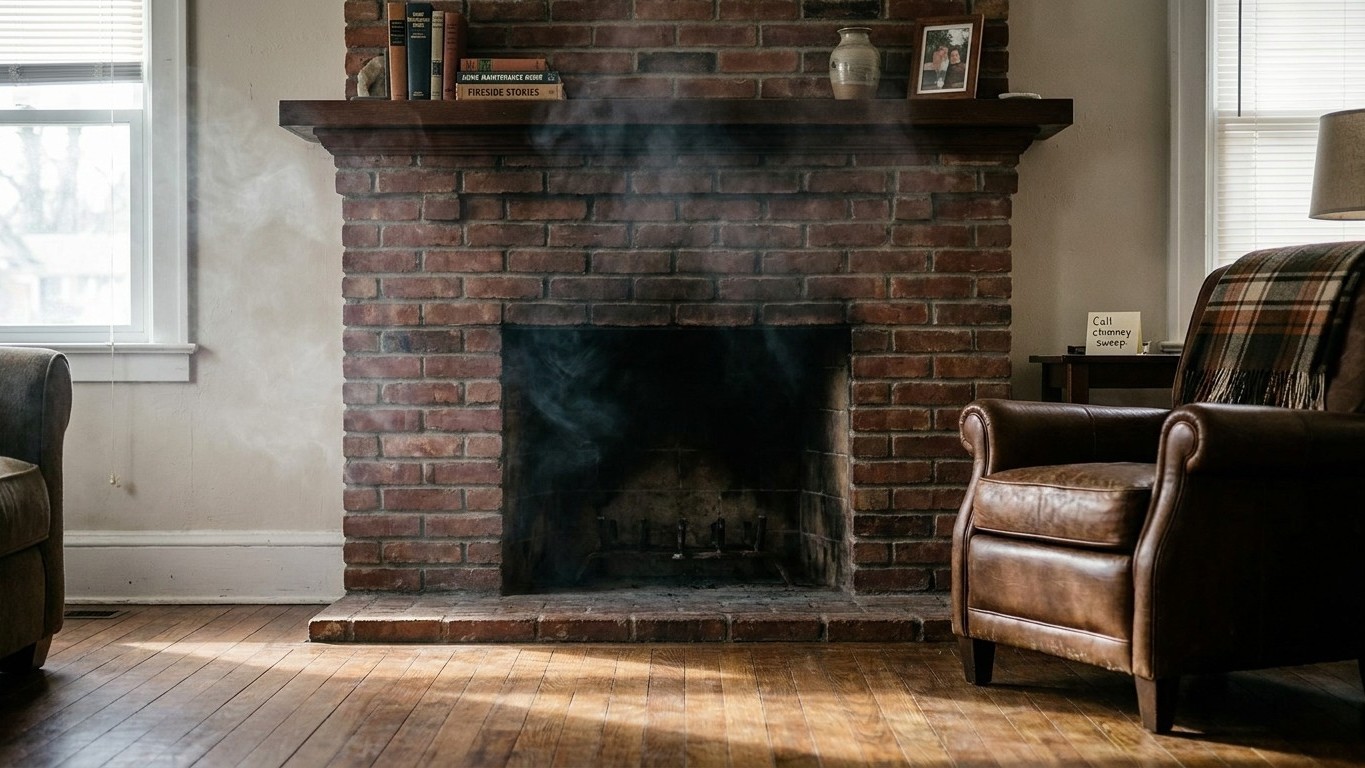
A smoky smell in a house without visible smoke is almost always a cold-flue problem, not a fire problem.
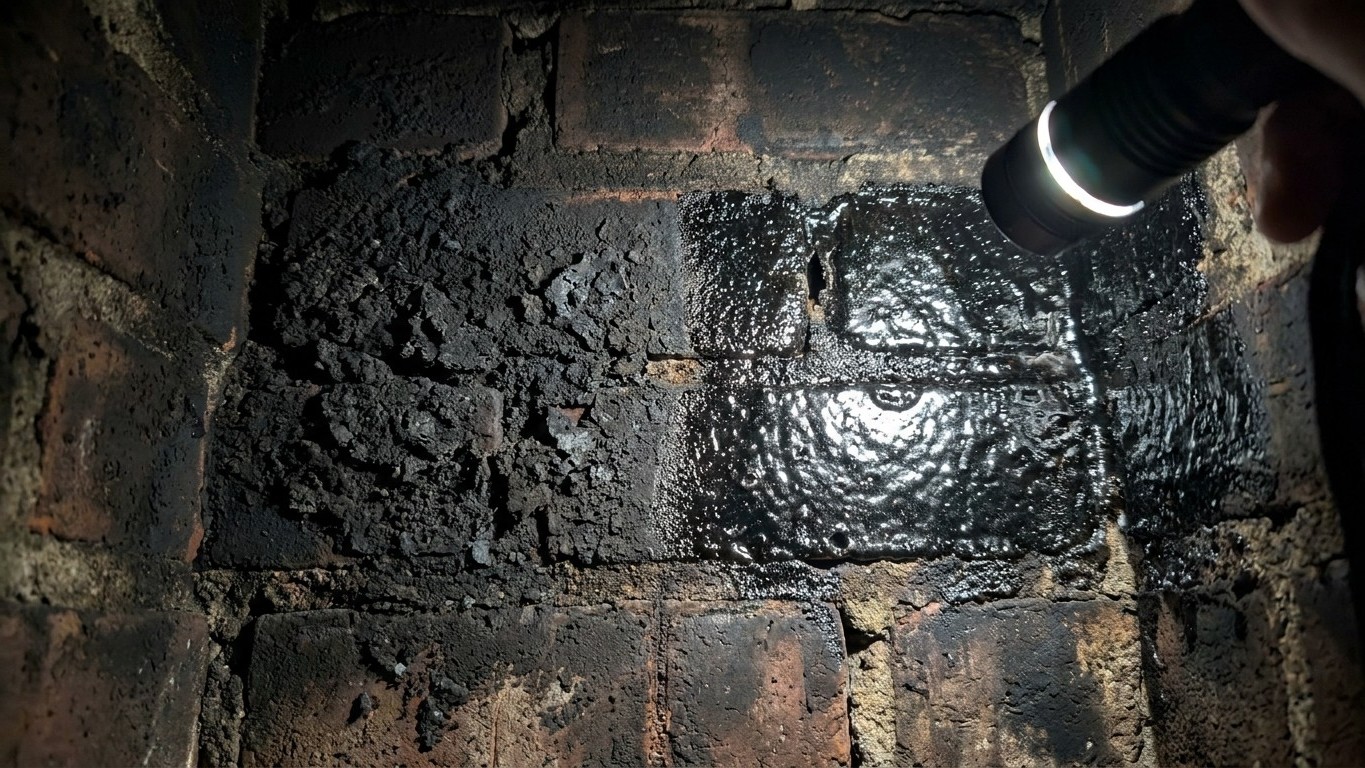
That shiny, tar-like black coating inside your flue is creosote, and it’s flammable. If it’s flaky and dull, you have time to deal with it properly.