Bacterial Spot and Speck on Tomatoes: Small Dark Lesions, Wet Weather
How to tell bacterial spot and speck apart from early blight and septoria, and what actually helps once wet weather has spread it through the planting.
Home & garden, state by state
How to tell bacterial spot and speck apart from early blight and septoria, and what actually helps once wet weather has spread it through the planting.
Septoria leaf spot causes small, black-speckled spots on a tomato’s lowest leaves and spreads slowly, unlike late blight, which can destroy a planting in days.
Fusarium wilt causes yellowing and wilting on just one side of a tomato plant, worsening in warm weather, and there is no cure once it starts.
How to identify verticillium wilt on tomatoes, tell it apart from fusarium and early blight, and stop it from returning next season.
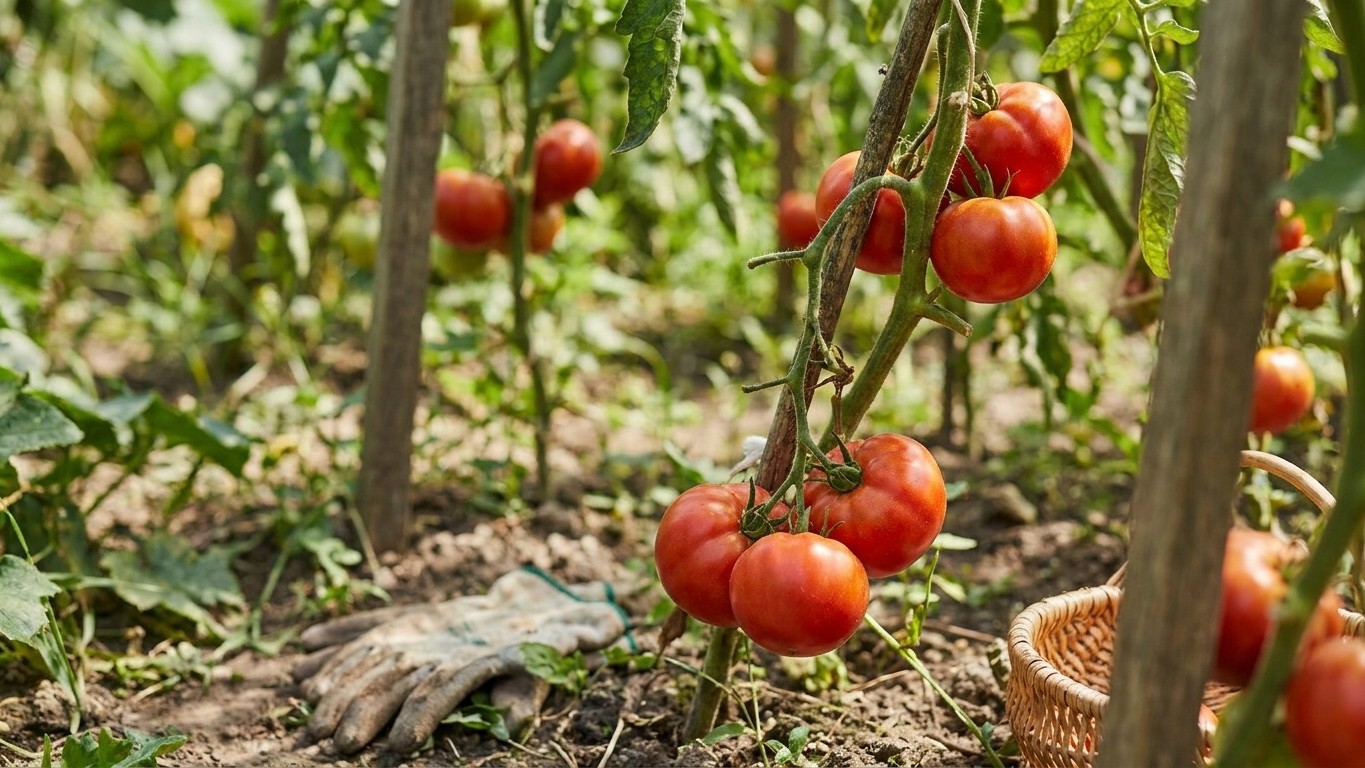
How to identify late blight on tomatoes by its water-soaked lesions and white mold, and tell it apart from septoria and early blight.
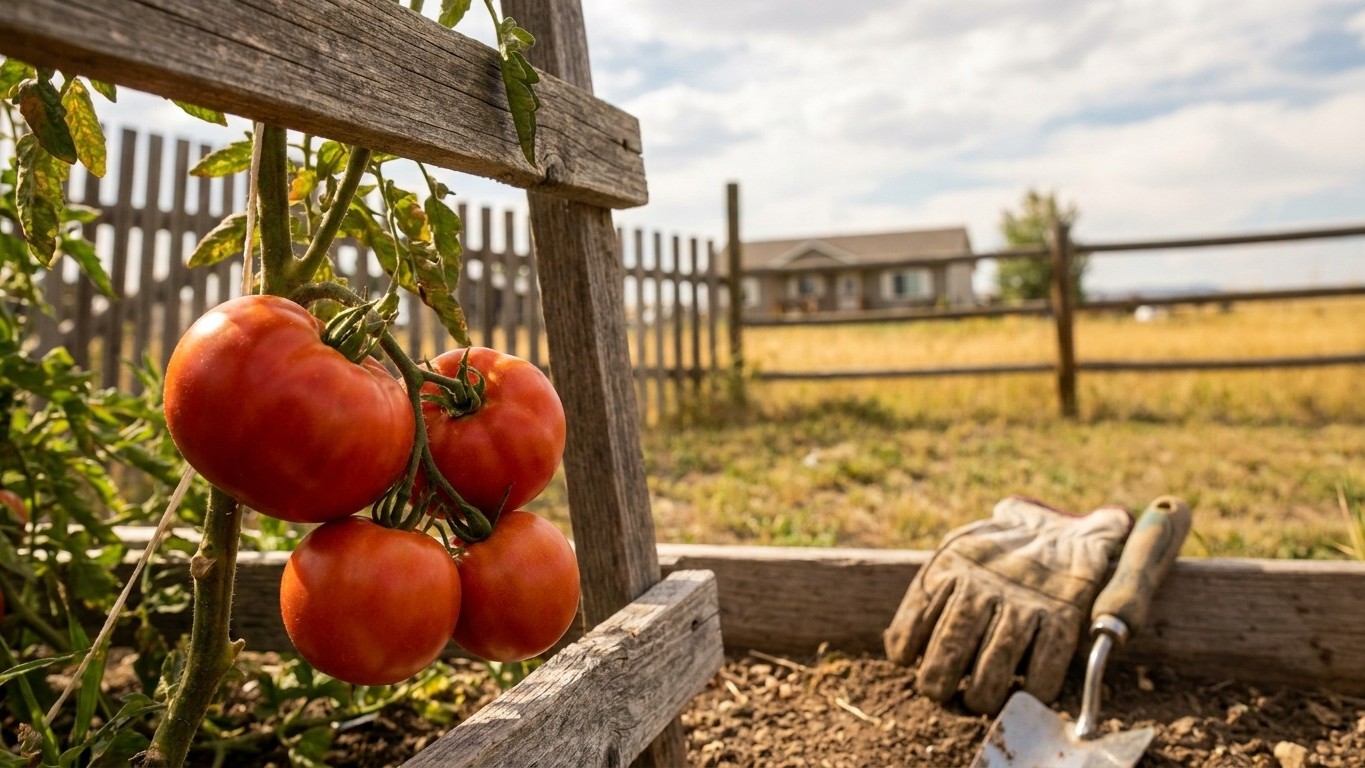
Wyoming’s tomato season is short and frost-prone, so this guide gives Cheyenne’s frost dates, matching varieties by days to maturity, and season-extension steps that make a harvest possible.
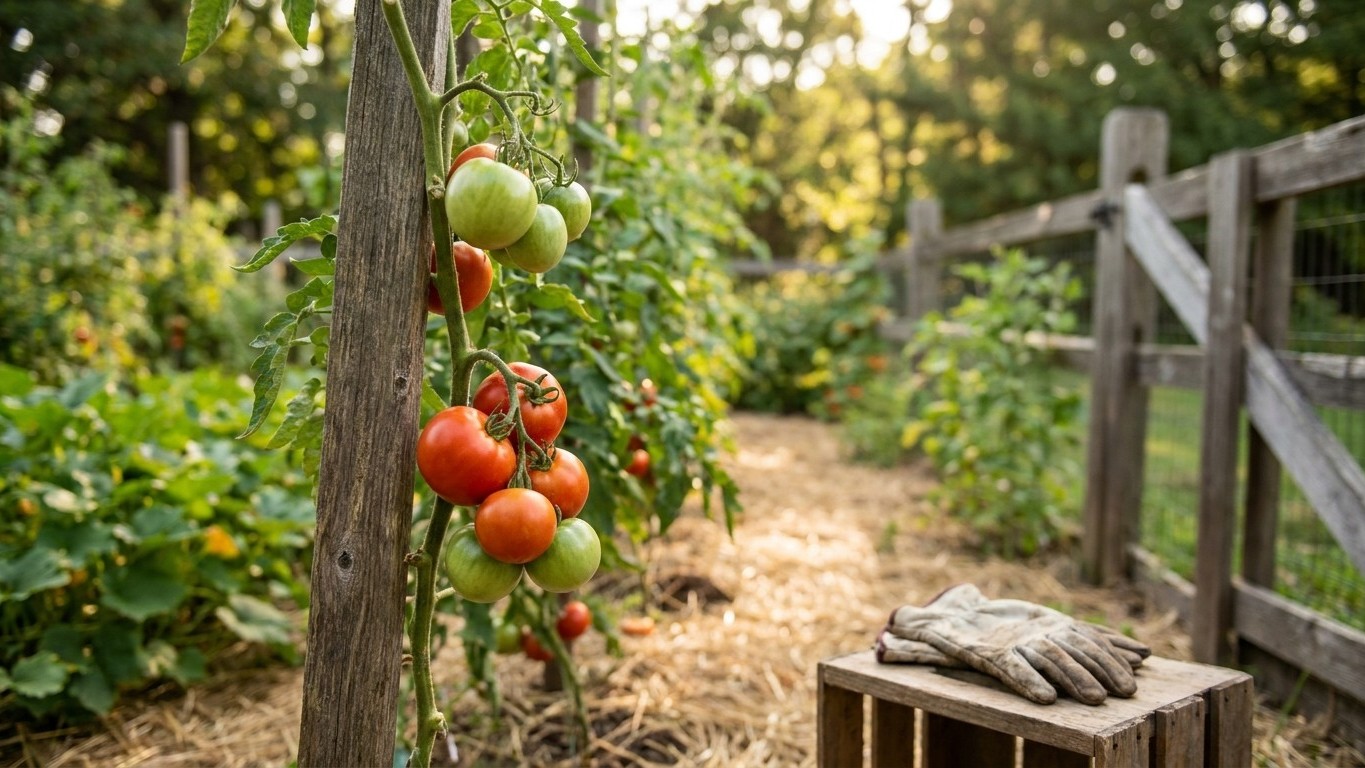
A practical timeline for planting, feeding and protecting tomatoes in Wisconsin, based on Milwaukee’s NOAA frost data and locally available varieties.
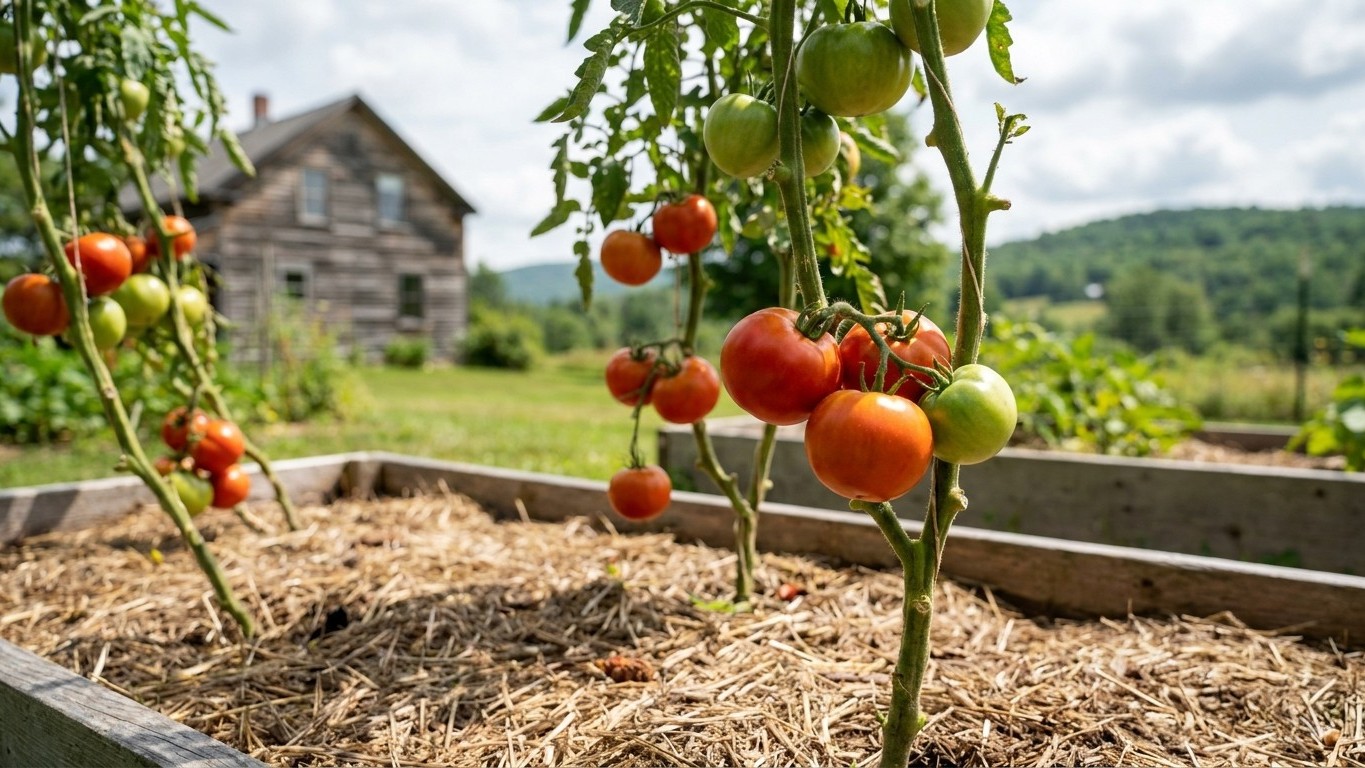
A practical walkthrough of Vermont tomato planting dates, soil prep, disease-resistant varieties, companion planting and pest identification for home gardens.
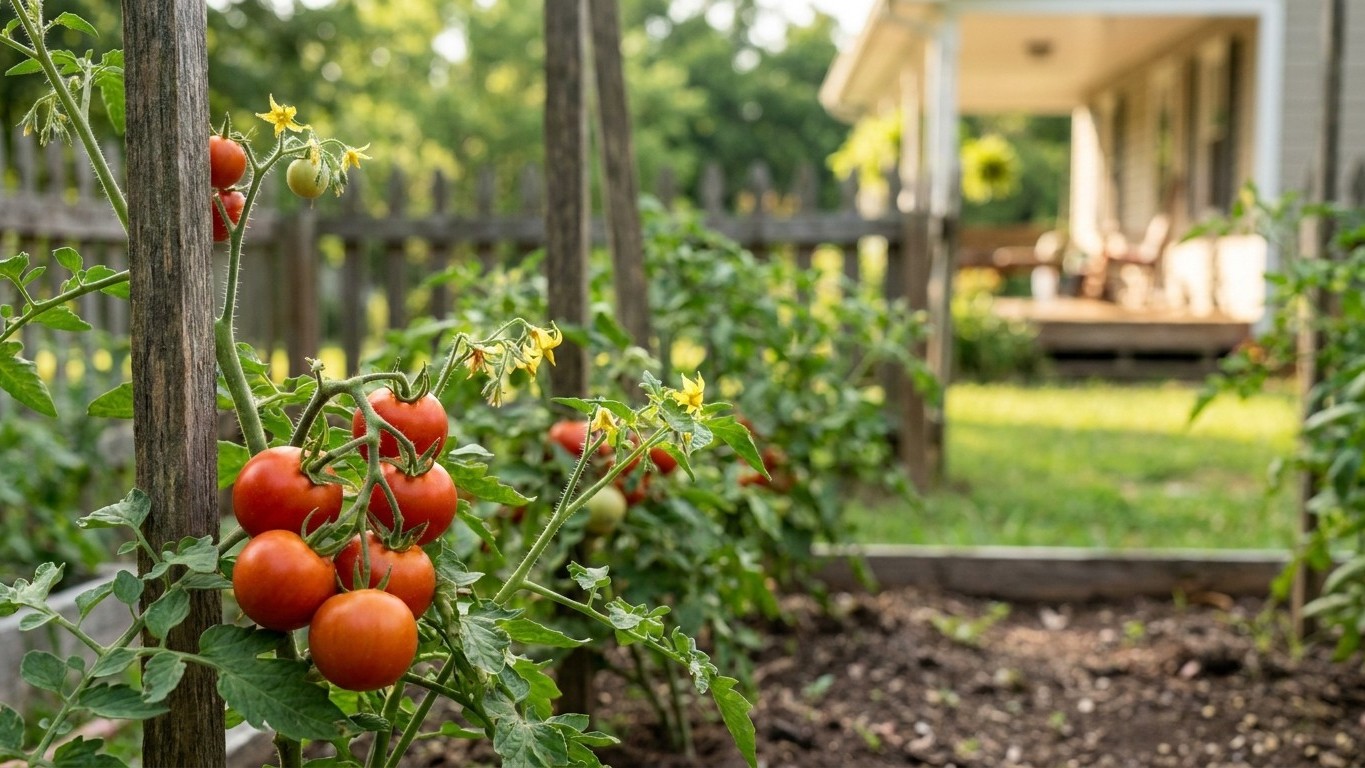
Tennessee’s frost-free planting window, soil prep, disease-resistant tomato varieties, companion crops and the pests to watch for, based on NOAA climate data and university extension guidance.
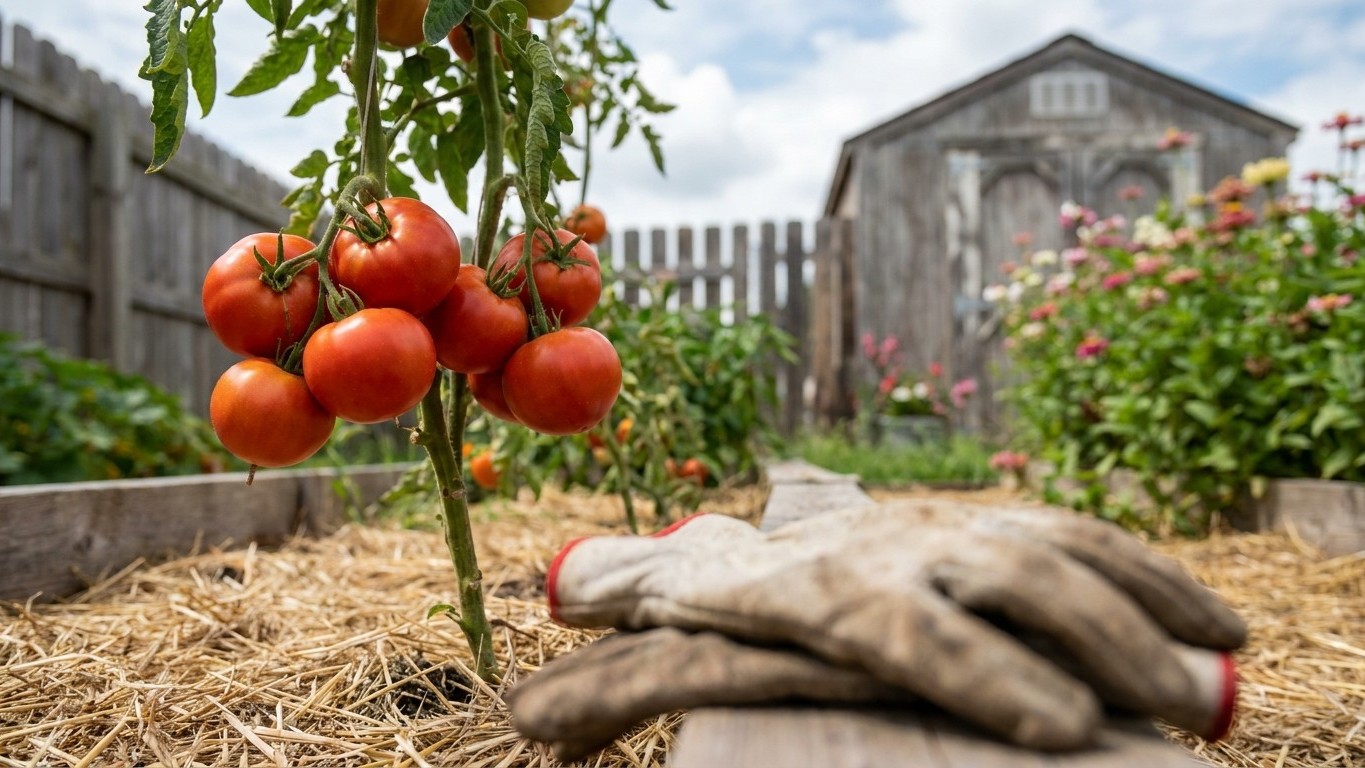
Sioux Falls’ last spring frost runs April 29 to May 9, and picking the right transplant date decides whether tomatoes ripen before fall frost hits.