When to Aerate a Lawn in Connecticut
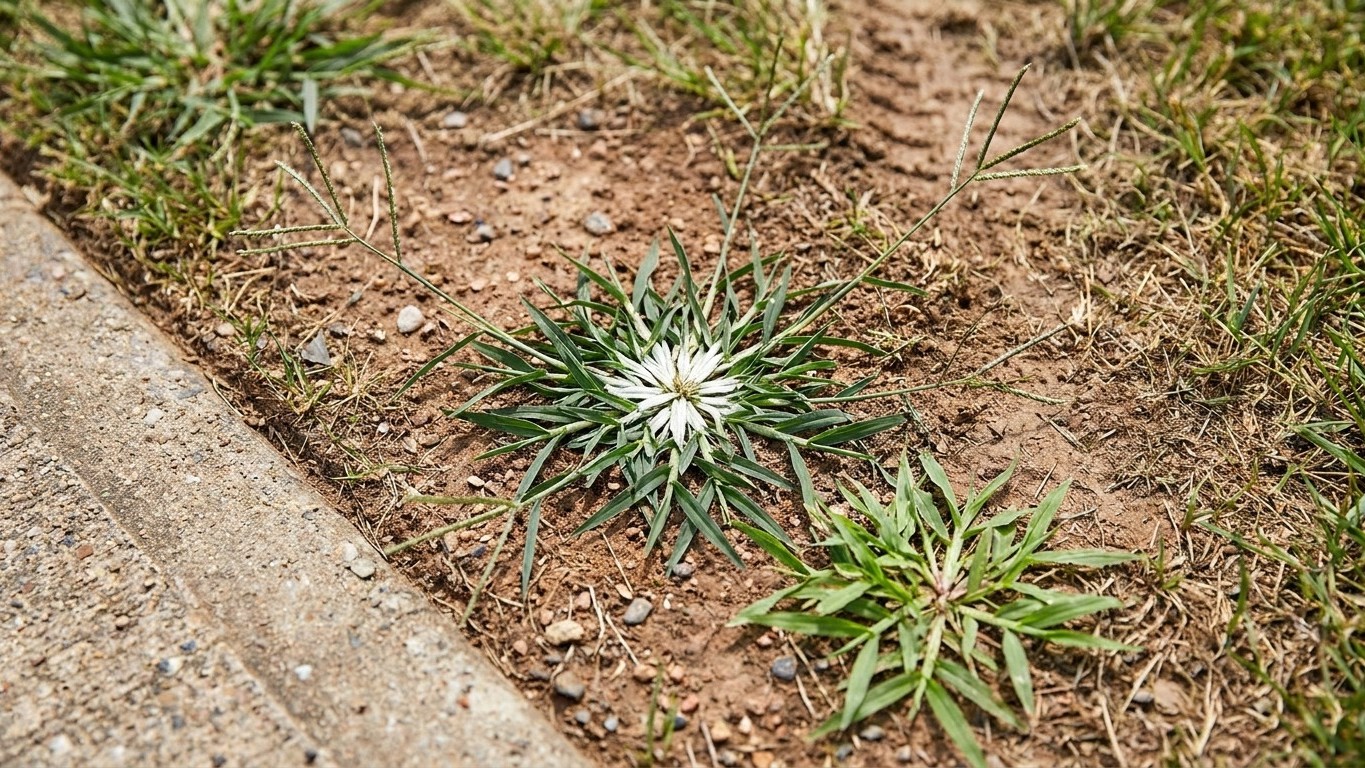
Aerate a Connecticut lawn in fall, while the grass is still growing and before the first hard freeze.
Home & garden, state by state
Aerate a Connecticut lawn in fall, while the grass is still growing and before the first hard freeze.
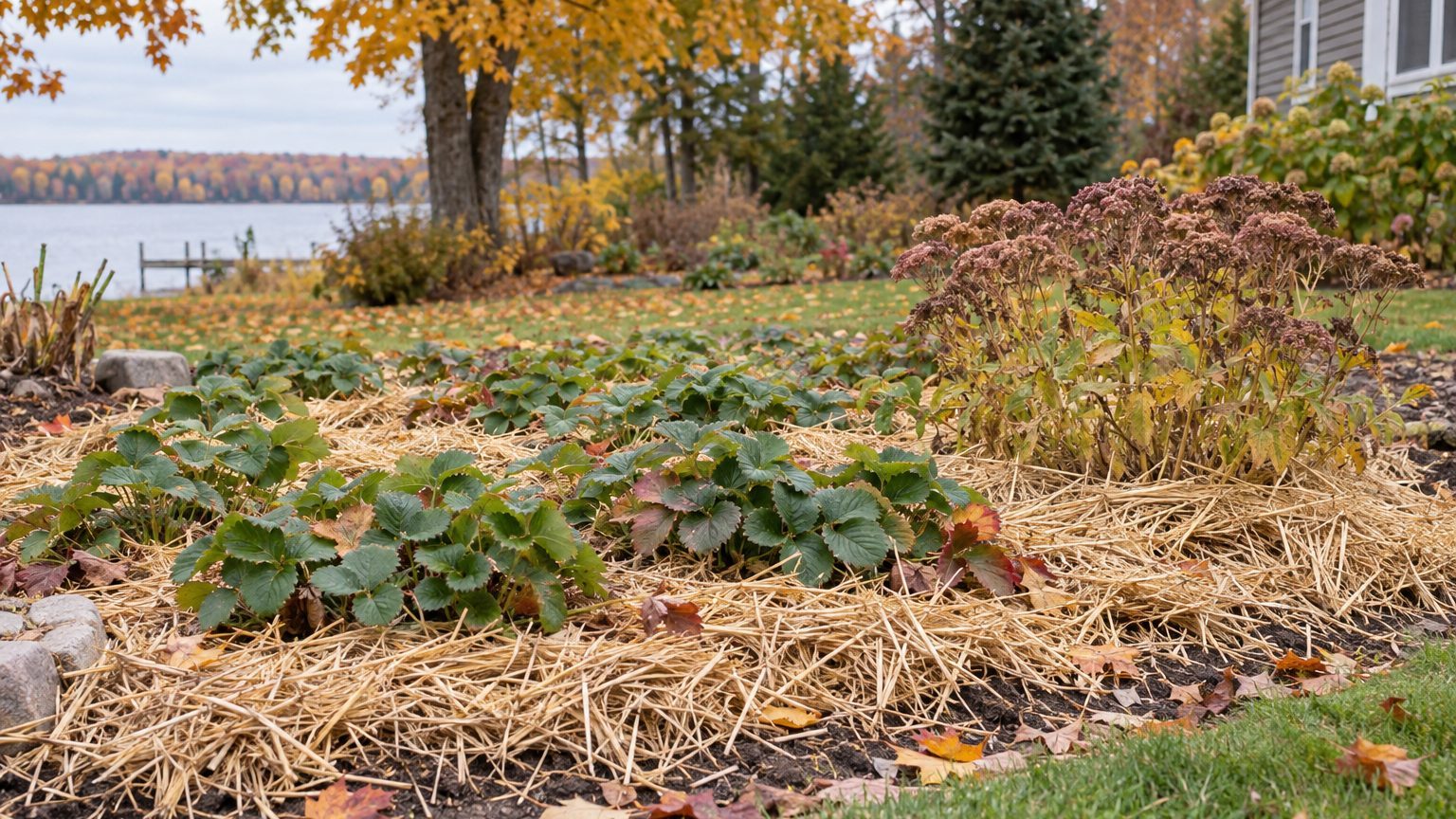
Mulch strawberries and perennials after the ground starts to freeze, not when the first frost blackens the leaves.
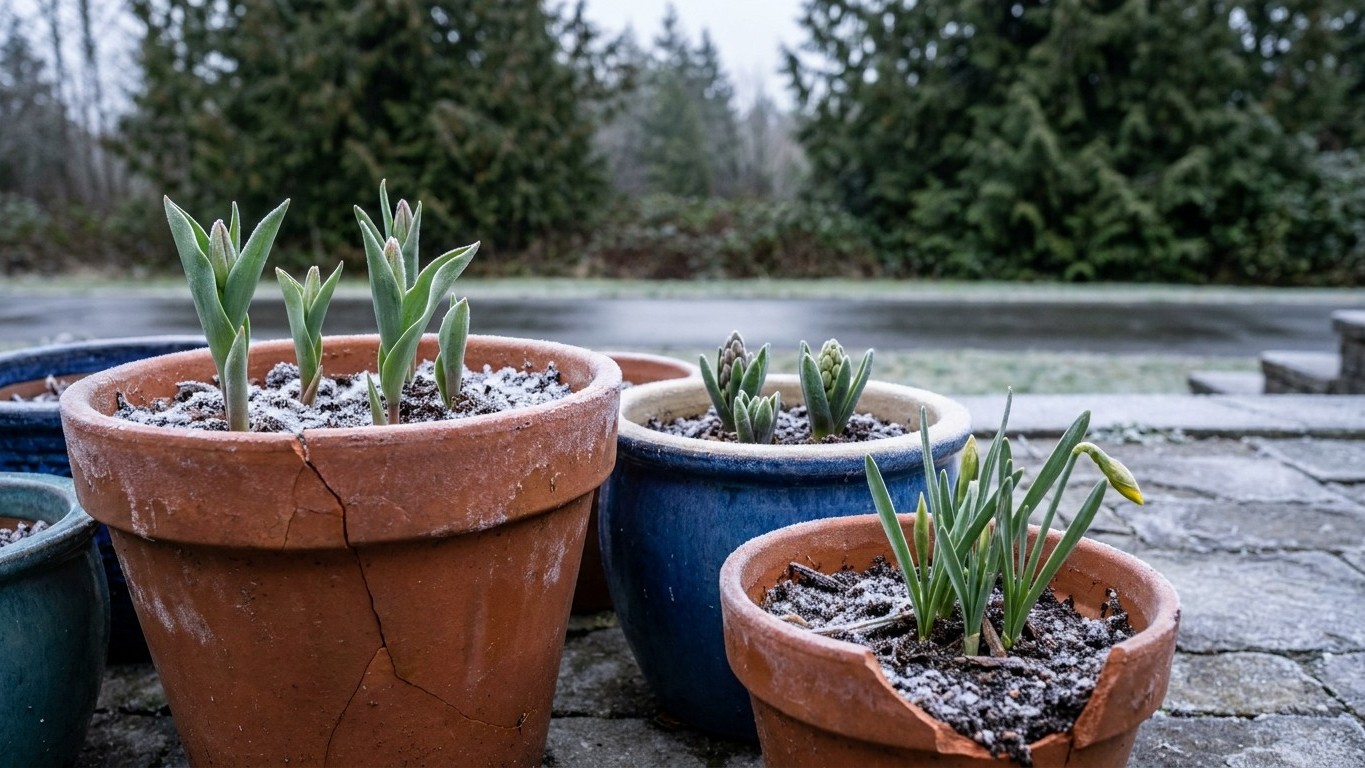
Dig them up. In New Brunswick, dahlia tubers, canna rhizomes and gladiolus corms do not reliably survive winter in the ground.
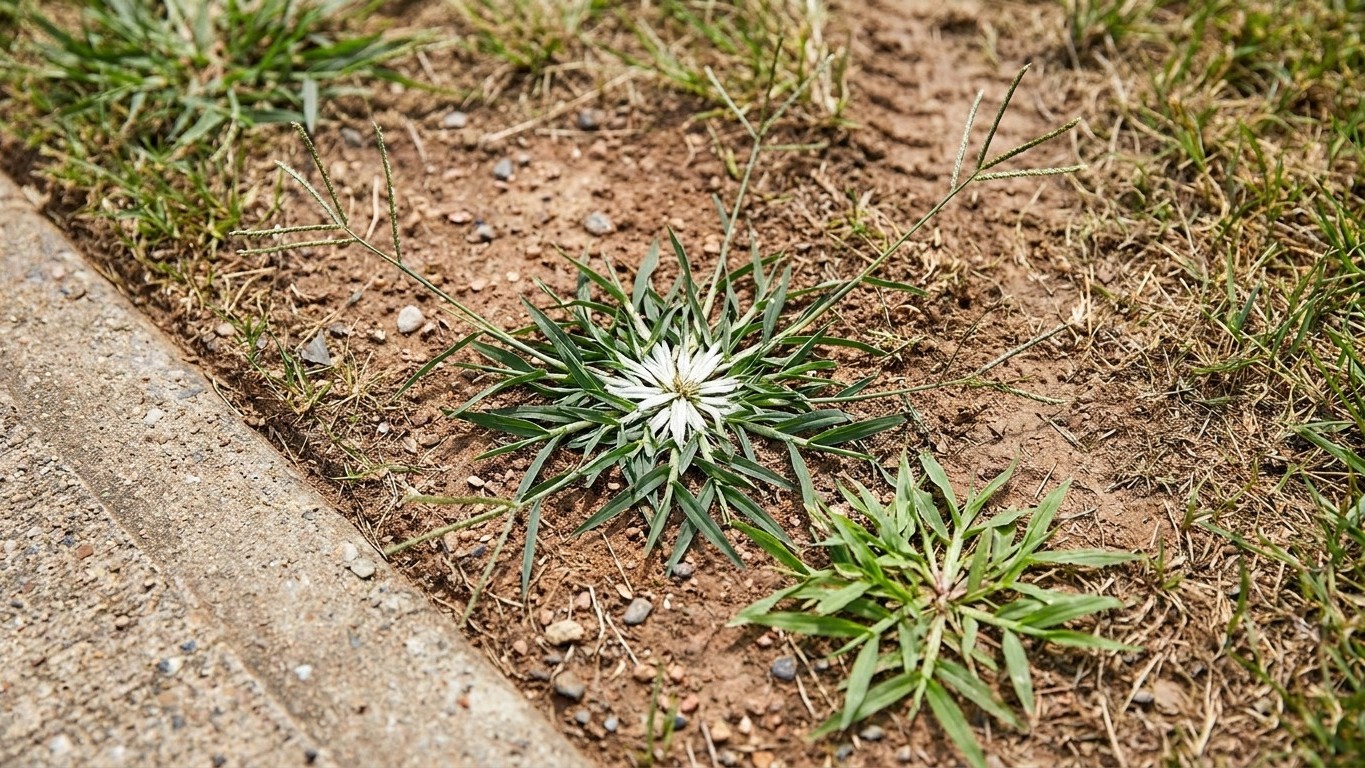
For a cool-season lawn near Denver, aerate in fall while the grass is still growing, and finish before the first freeze.
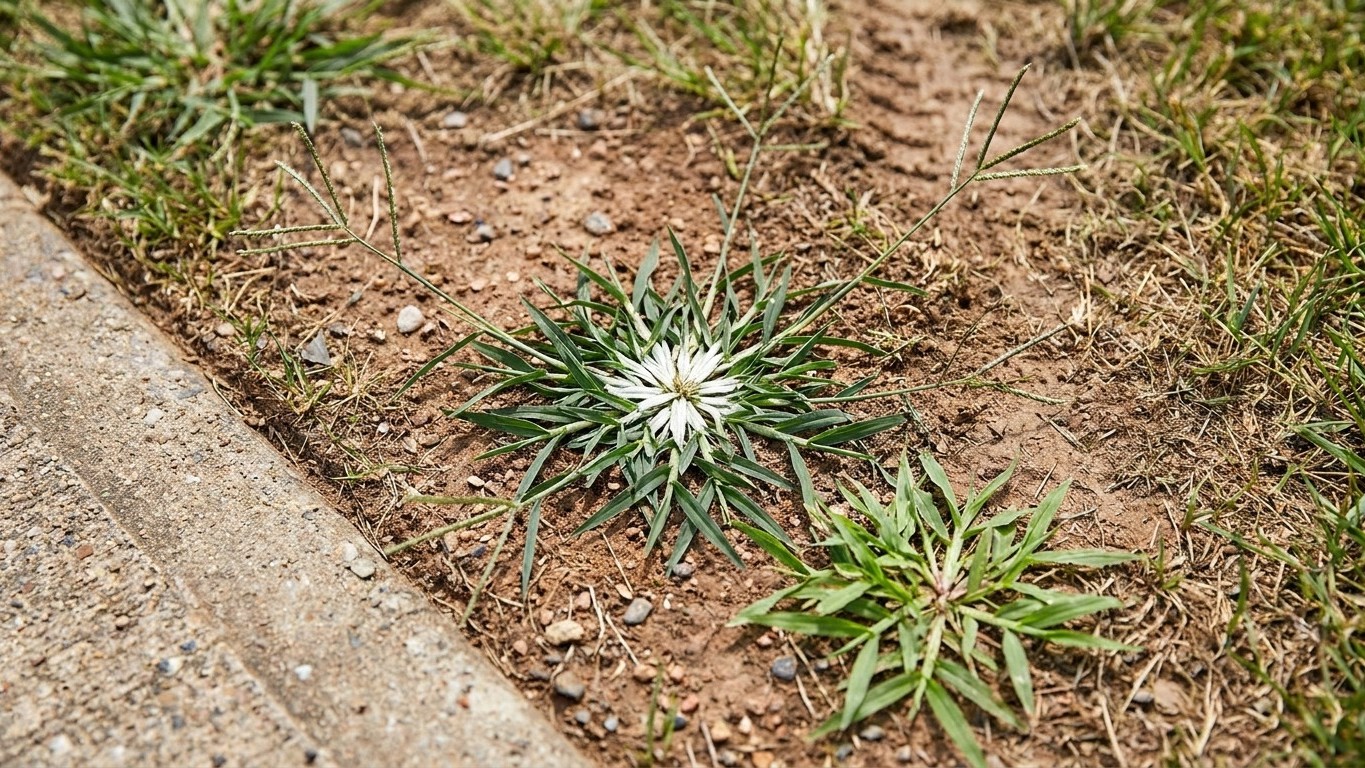
In Alberta, sow cool-season grass seed in late spring, once the soil two inches down sits between 50 and 65 °F, or in summer before a firm cutoff of…
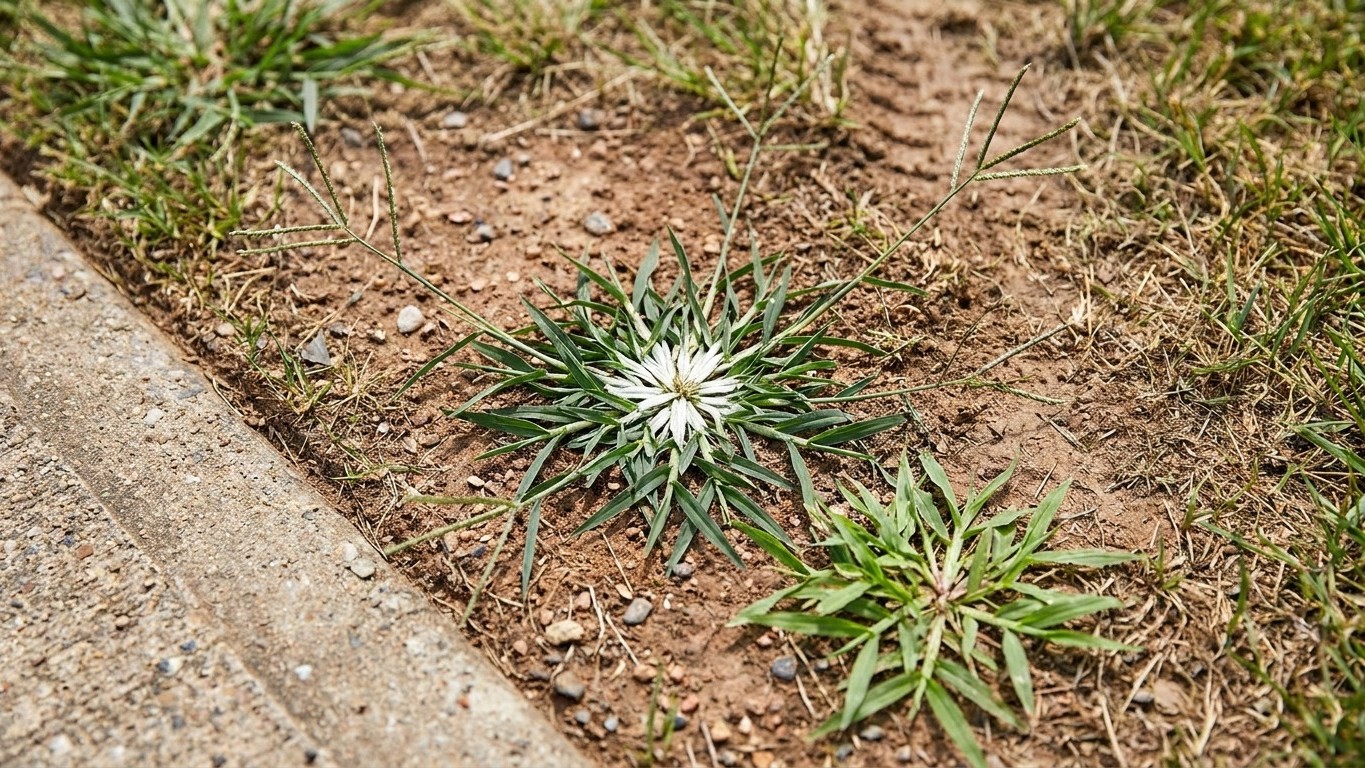
Set the mower to 2 to 3 inches for Kentucky bluegrass and fine fescues, 3 to 3.5 inches for tall fescue, and 1.5 to 2.5 inches for perennial ryegrass and…
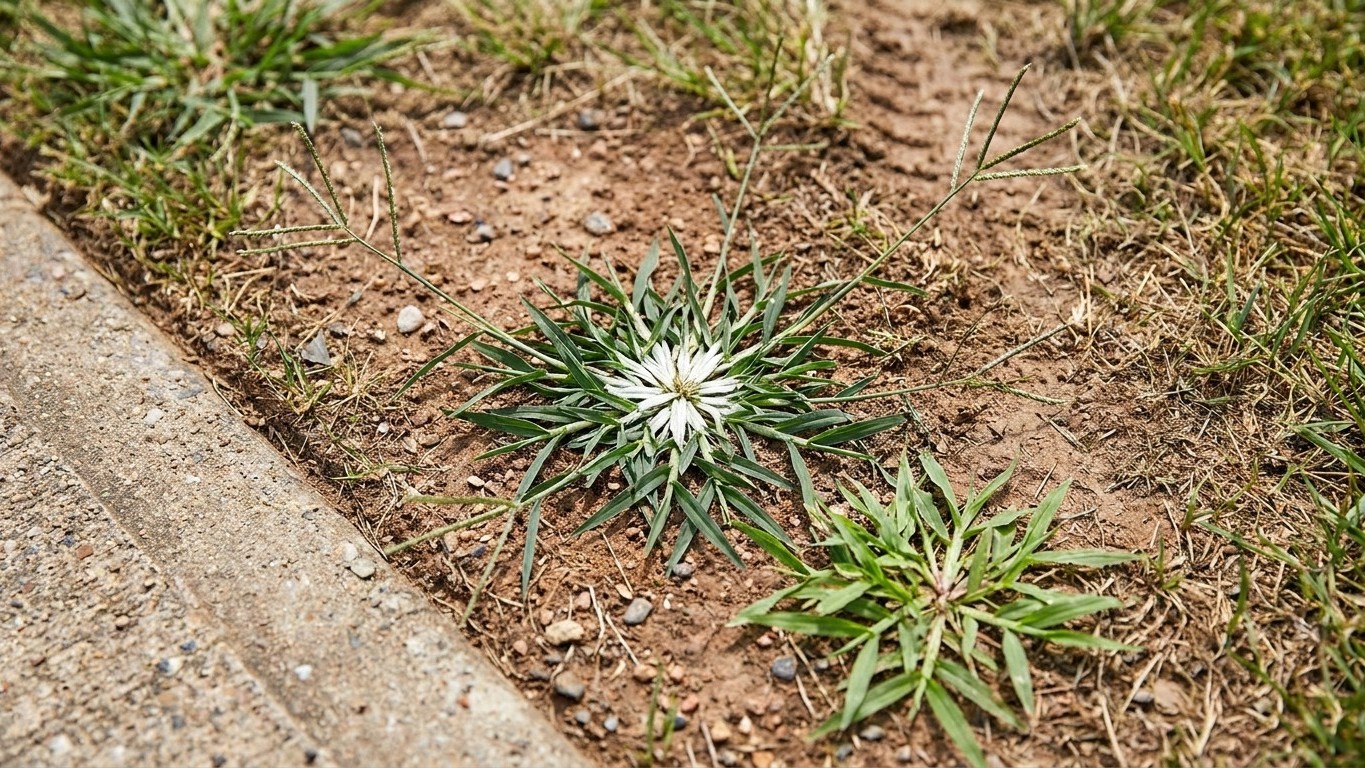
In British Columbia, a cool-season lawn gets aerated in early fall while the grass is still growing, finished well before the average first fall frost of…
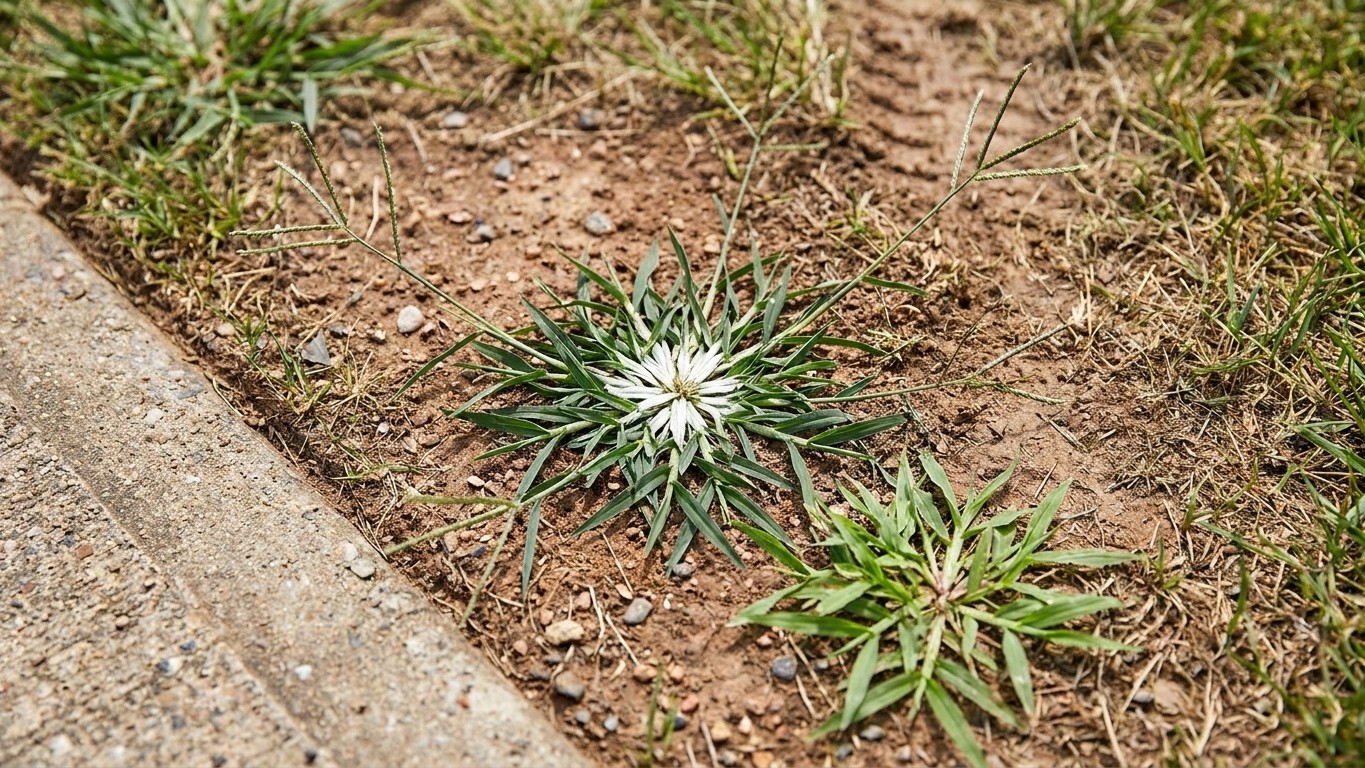
Most Alaska lawns do best cut to 2 to 3 inches, which suits the Kentucky bluegrass and fine fescue that make up many seed mixes here.
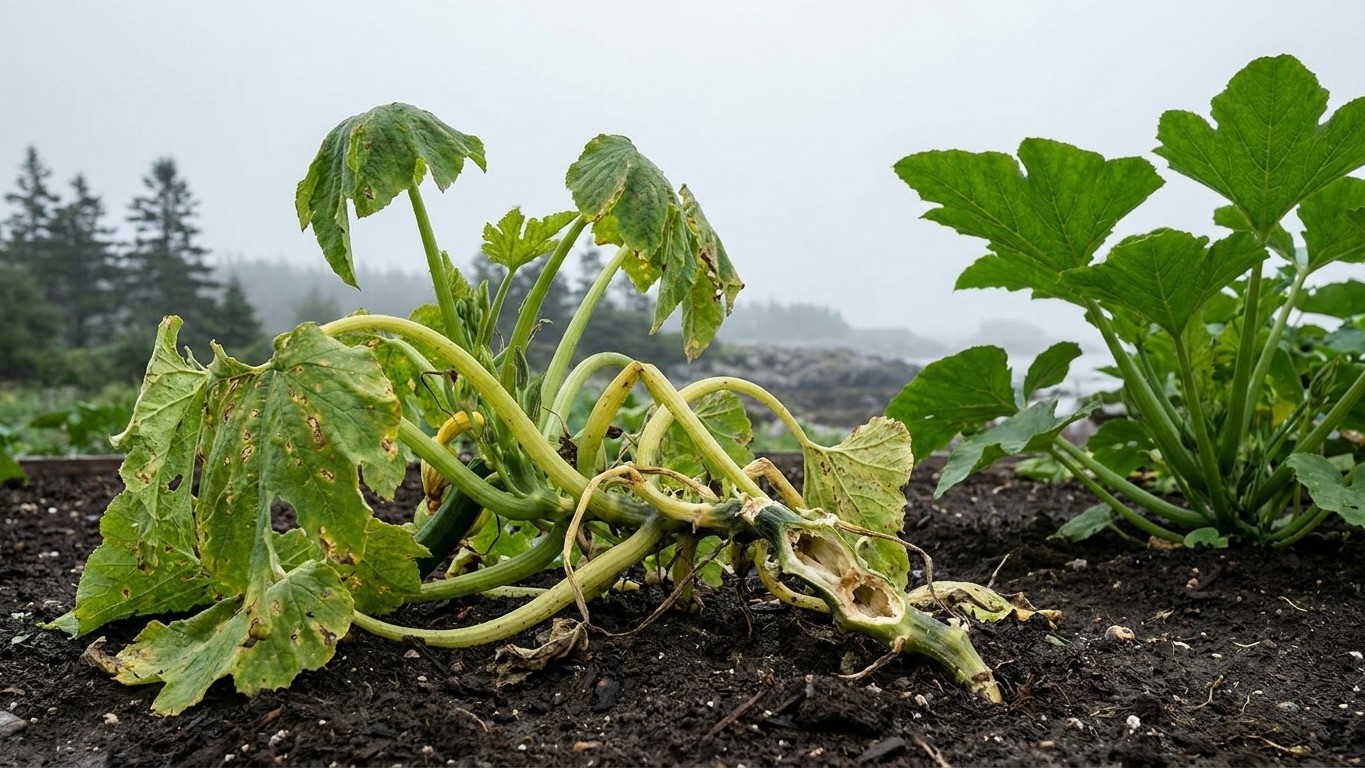
Count backward from your last spring frost. In the Las Vegas valley, that math puts onions and leeks in pots from September 24 to October 26, and…
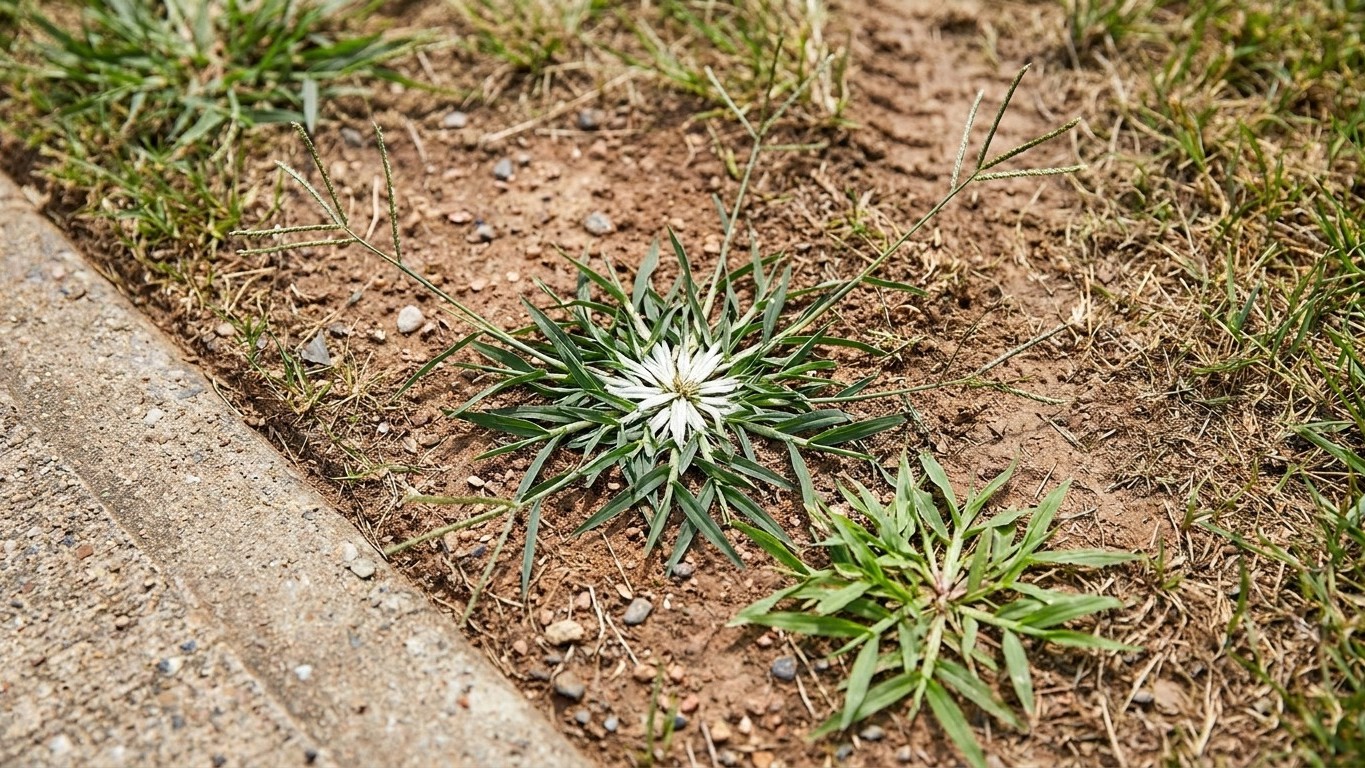
Most Arkansas lawns are warm-season grasses, and warm-season grasses get aerated in summer while they are growing hard.