Protecting Roses Over Winter: When to Mound, and With What
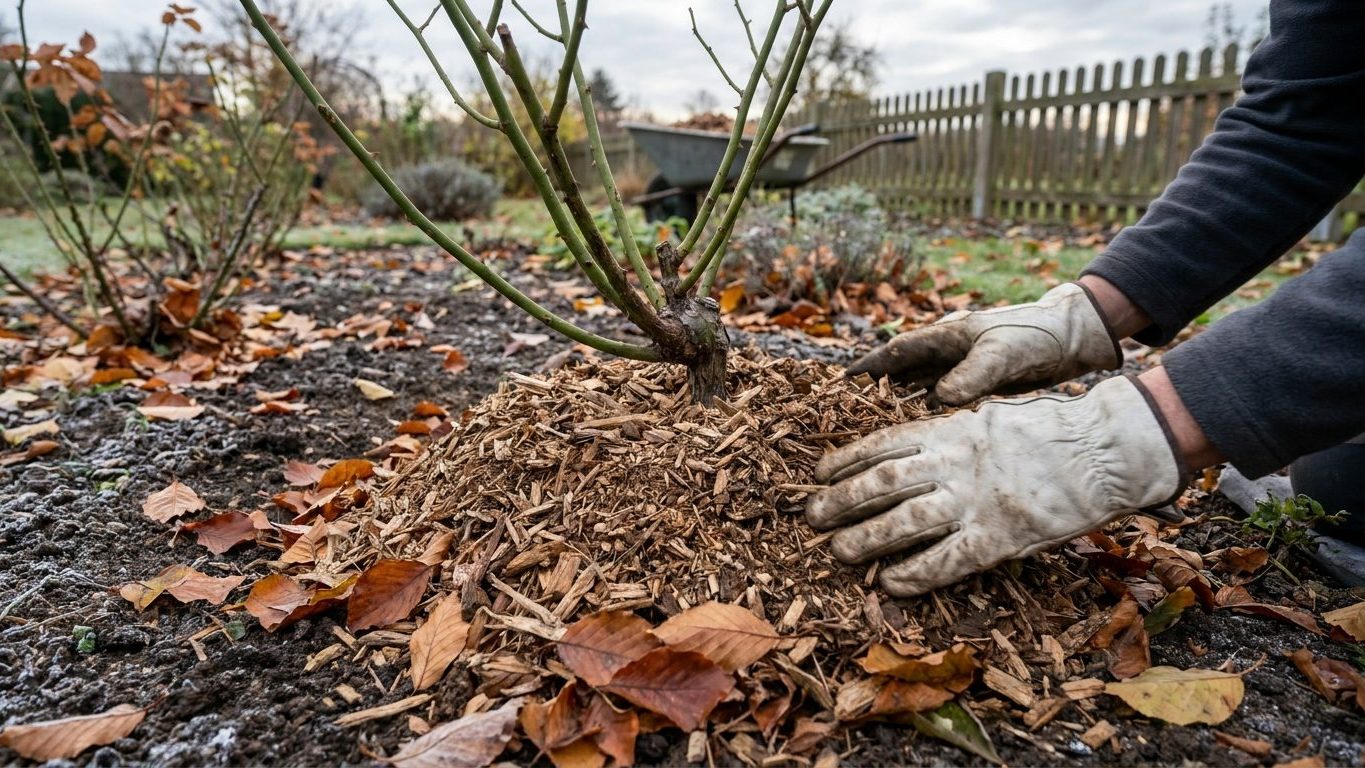
Mounding protects the graft union on a budded rose, or the crown on an own-root plant, from repeated freeze-thaw cycles that can kill the tissue that…
Home & garden, state by state
Mounding protects the graft union on a budded rose, or the crown on an own-root plant, from repeated freeze-thaw cycles that can kill the tissue that…
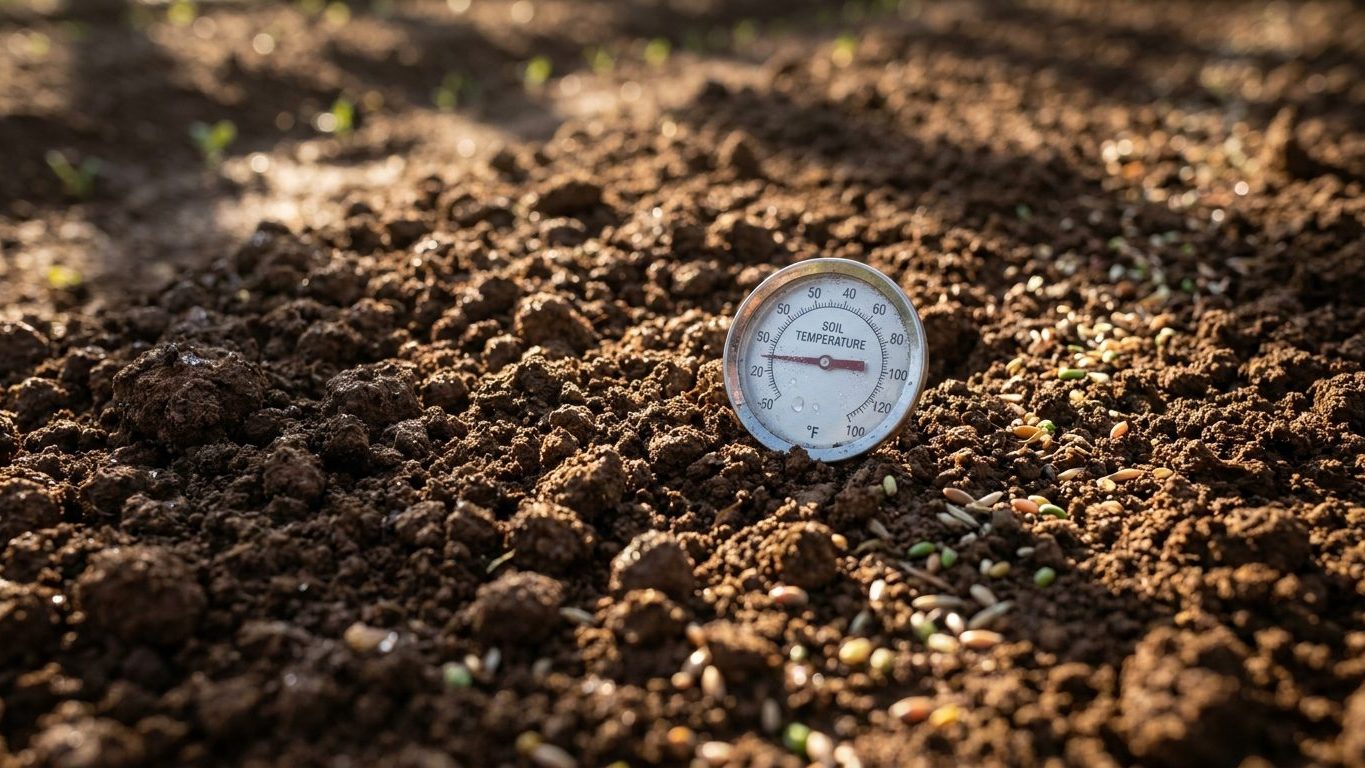
Nova Scotia gardeners can start warm-season cover crops once soil has shed its spring chill, typically from mid-to-late May onward, and switch to…
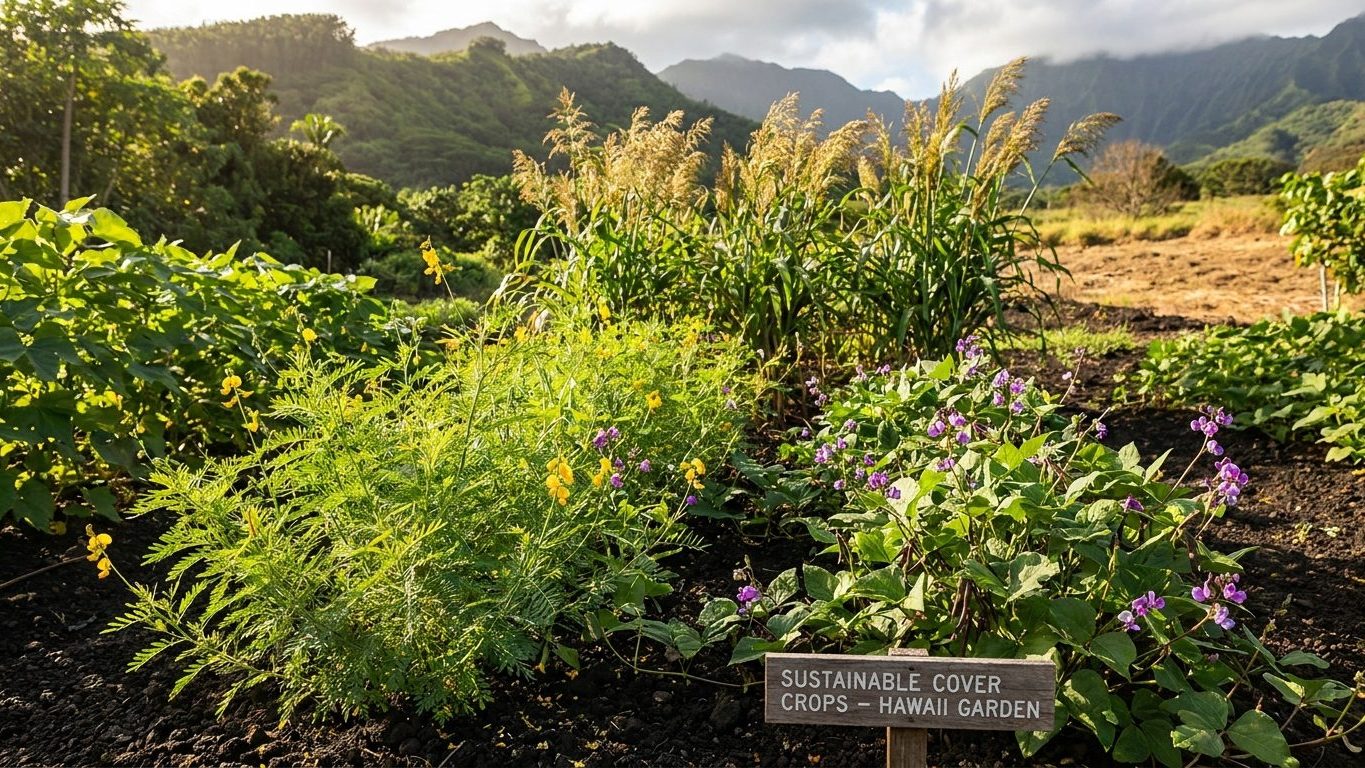
Georgia’s answer splits by season, not by variety. Cool-season legumes and cereals, crimson clover, hairy vetch, cereal rye, oats, cover the…
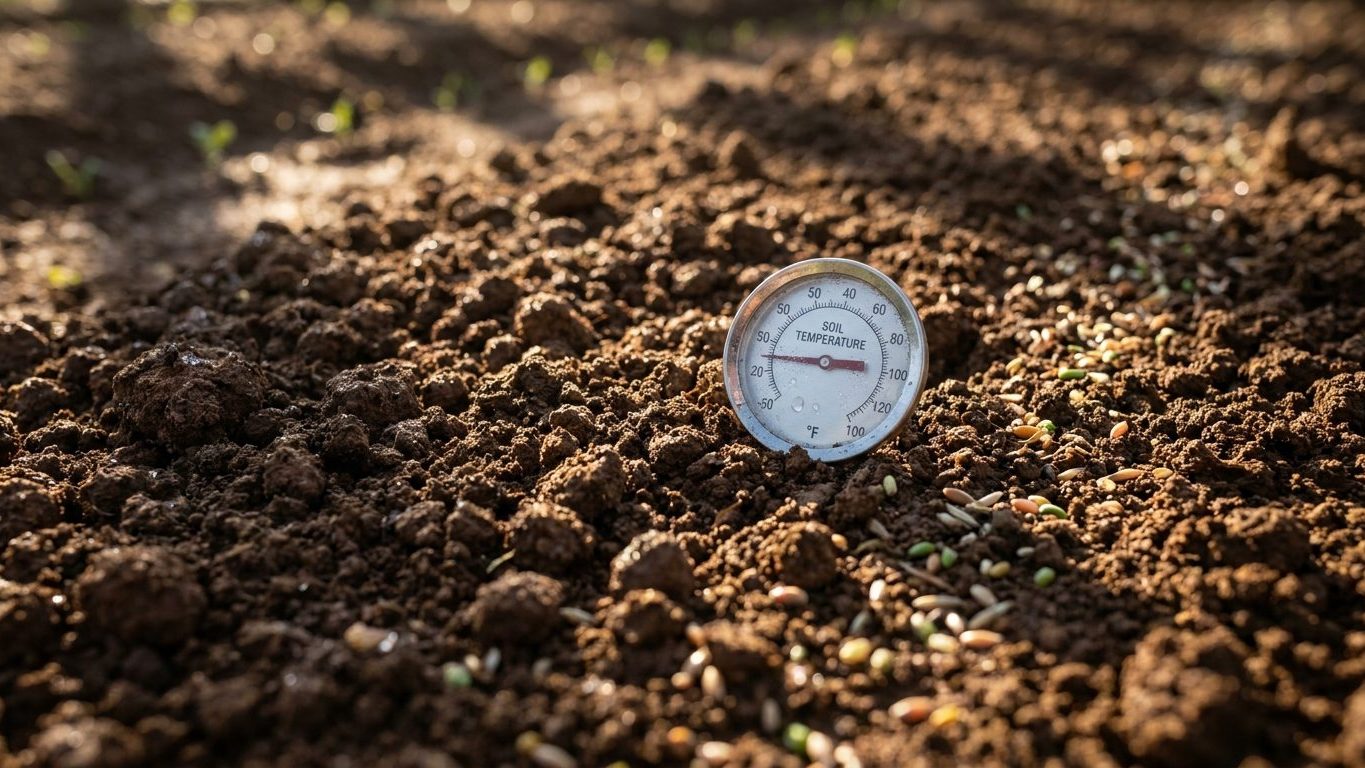
Cover crops in the Northwest Territories go in once the soil itself has warmed, which trails the average last spring frost of May 25 at Yellowknife by a…
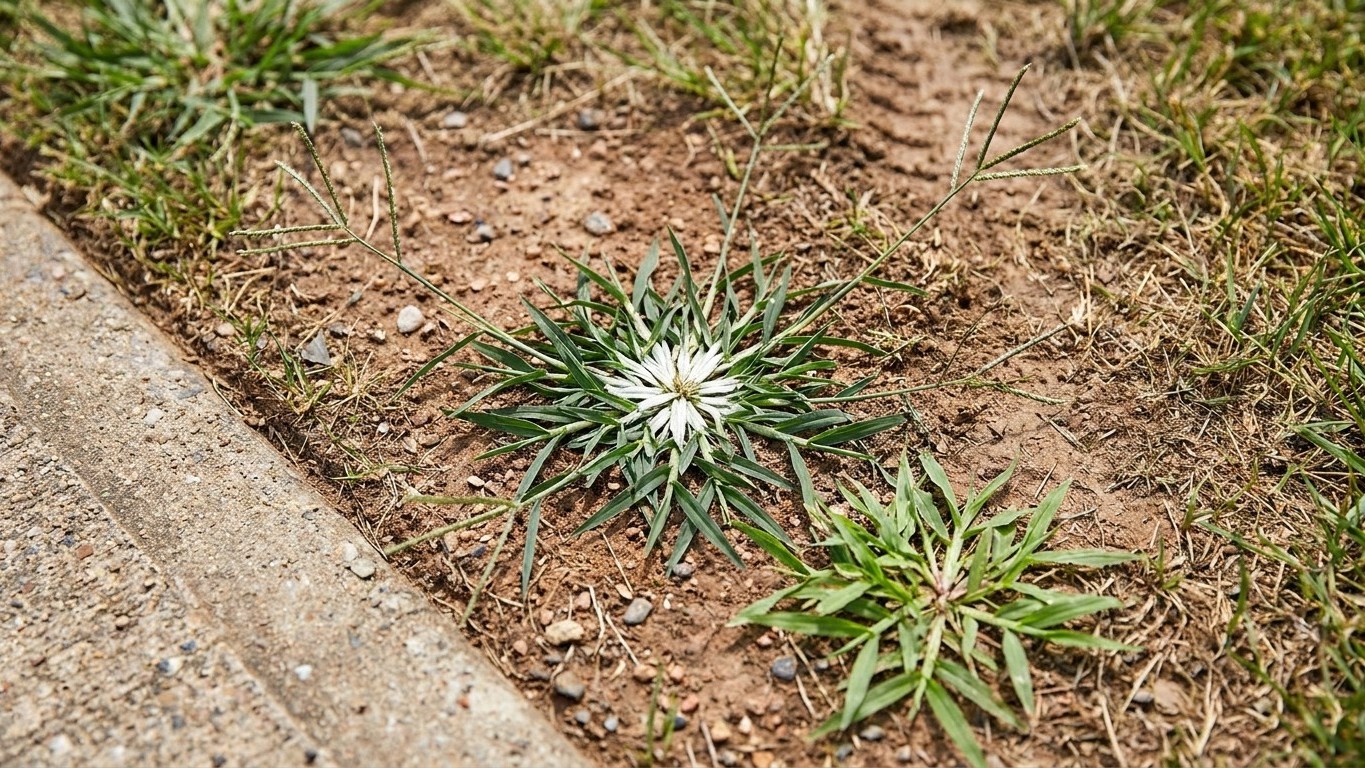
The short answer: aim to finish sowing by mid-July, not late summer. Yukon’s cool-season lawns need roughly 45 days of growing weather to root before the…
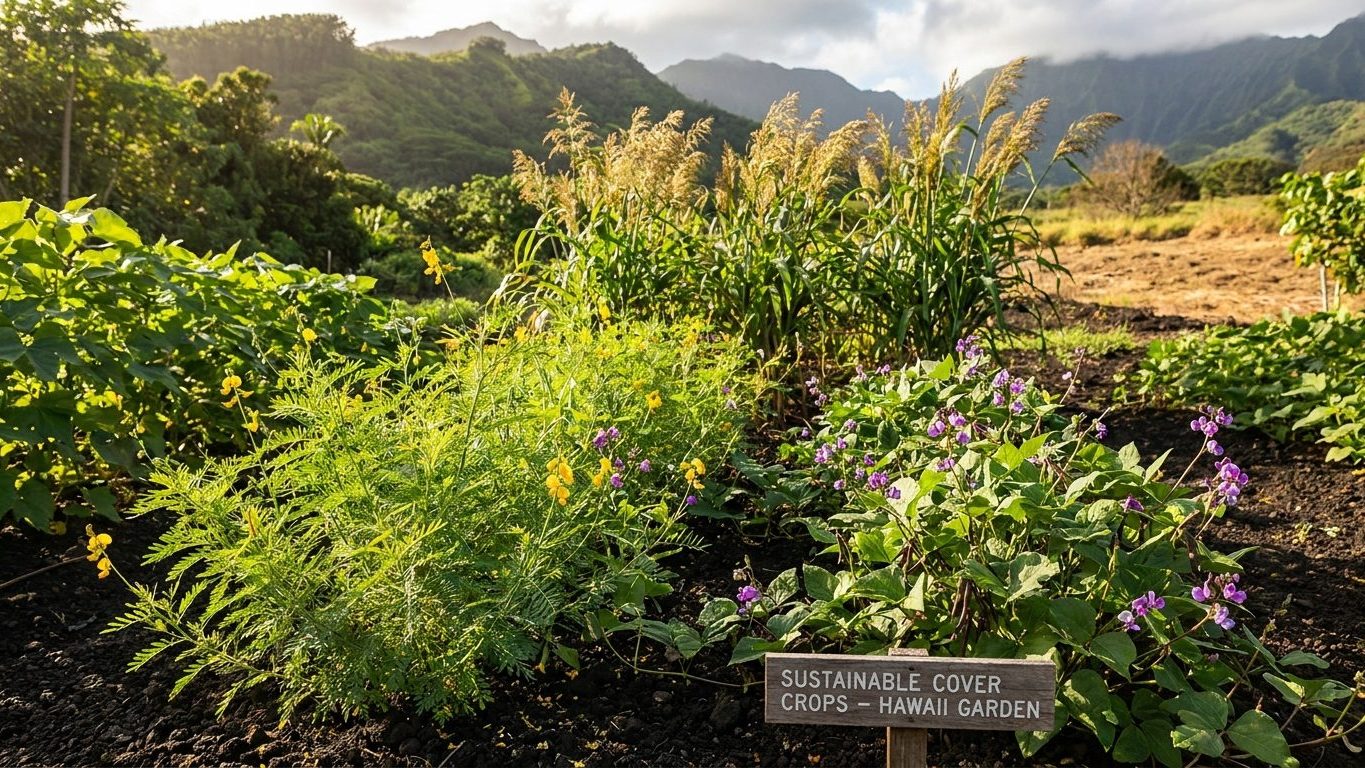
For most of Florida, the strongest cover crop choices split by season rather than by soil type: cool-season legumes such as crimson clover and cereal…
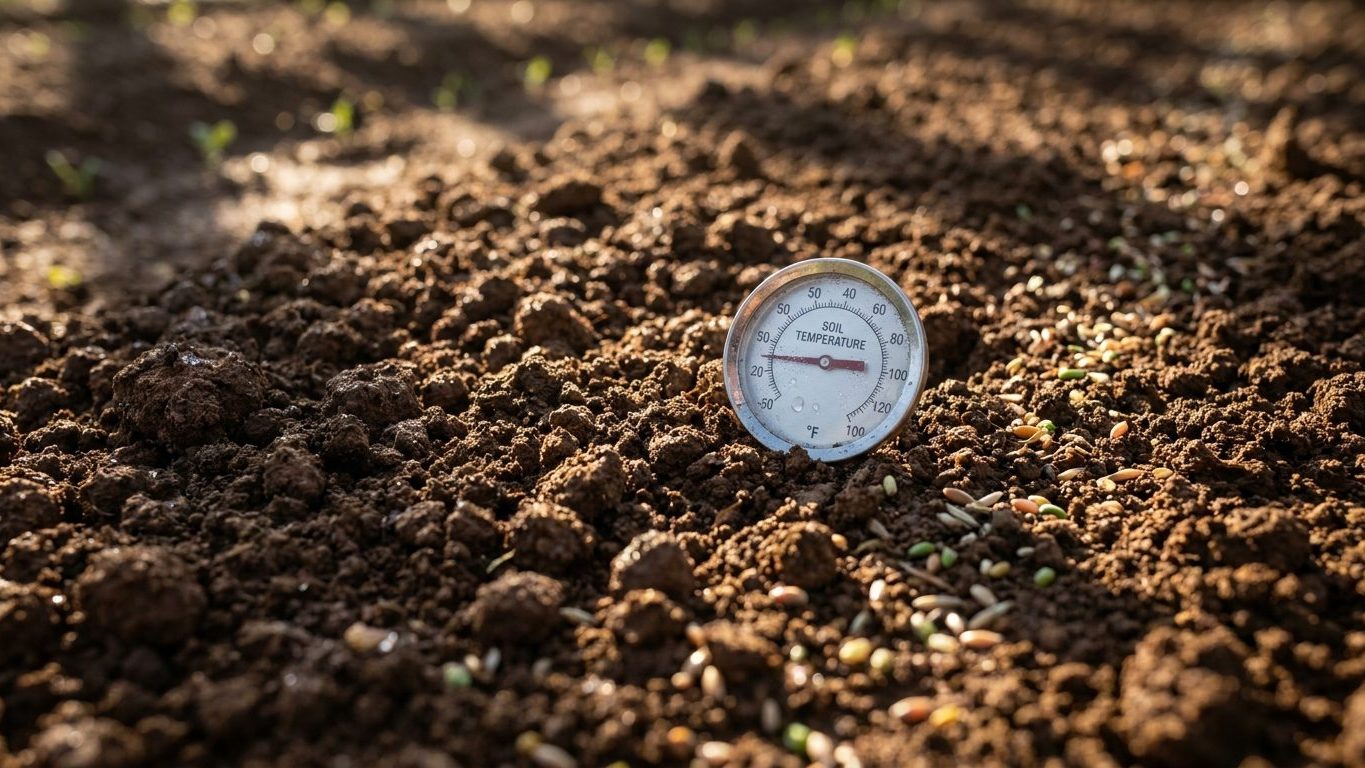
In the Fargo area, cover crops go into ground that has been frost-free for roughly two to three weeks, once soil temperature rather than air temperature…
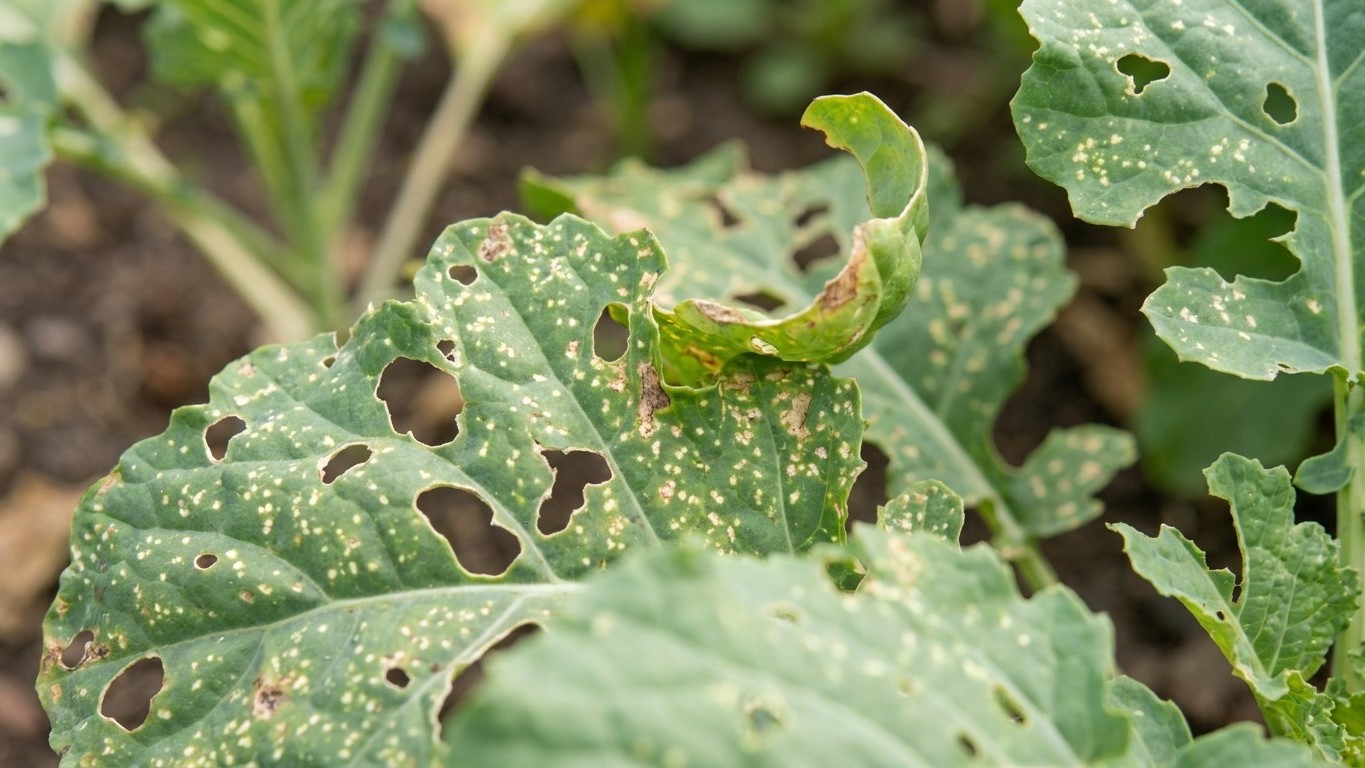
In Colorado, a summer squash is ready when it stops feeling like a vegetable and starts feeling like a chore: pick it too late and you’ve got a baseball…
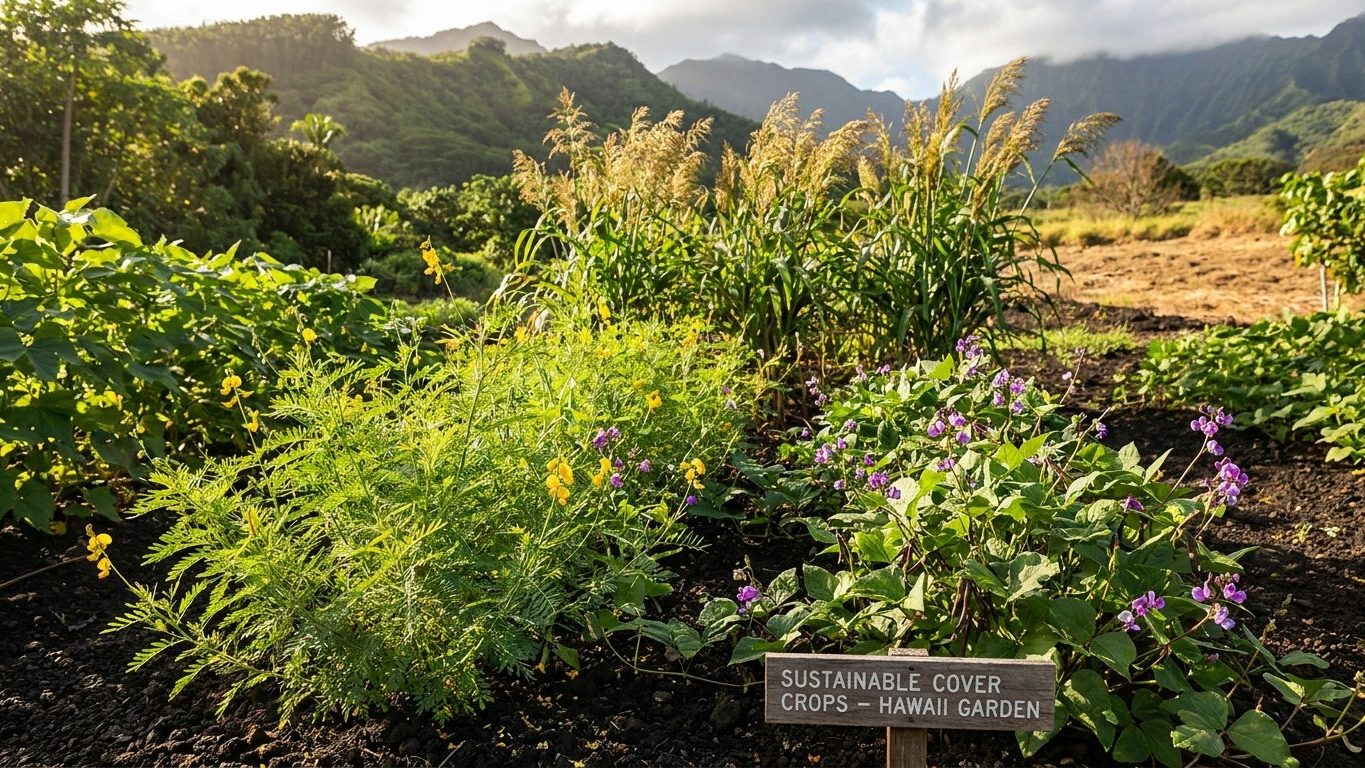
Winter cereal rye, crimson clover, and hairy vetch are the strongest full-season choices for Delaware gardens and farms, thanks to a coldest-month mean…
Pick summer squash in California when the skin turns glossy rather than dull and a fingernail slides in without resistance, usually four to six inches…