Holding Soil Over Winter
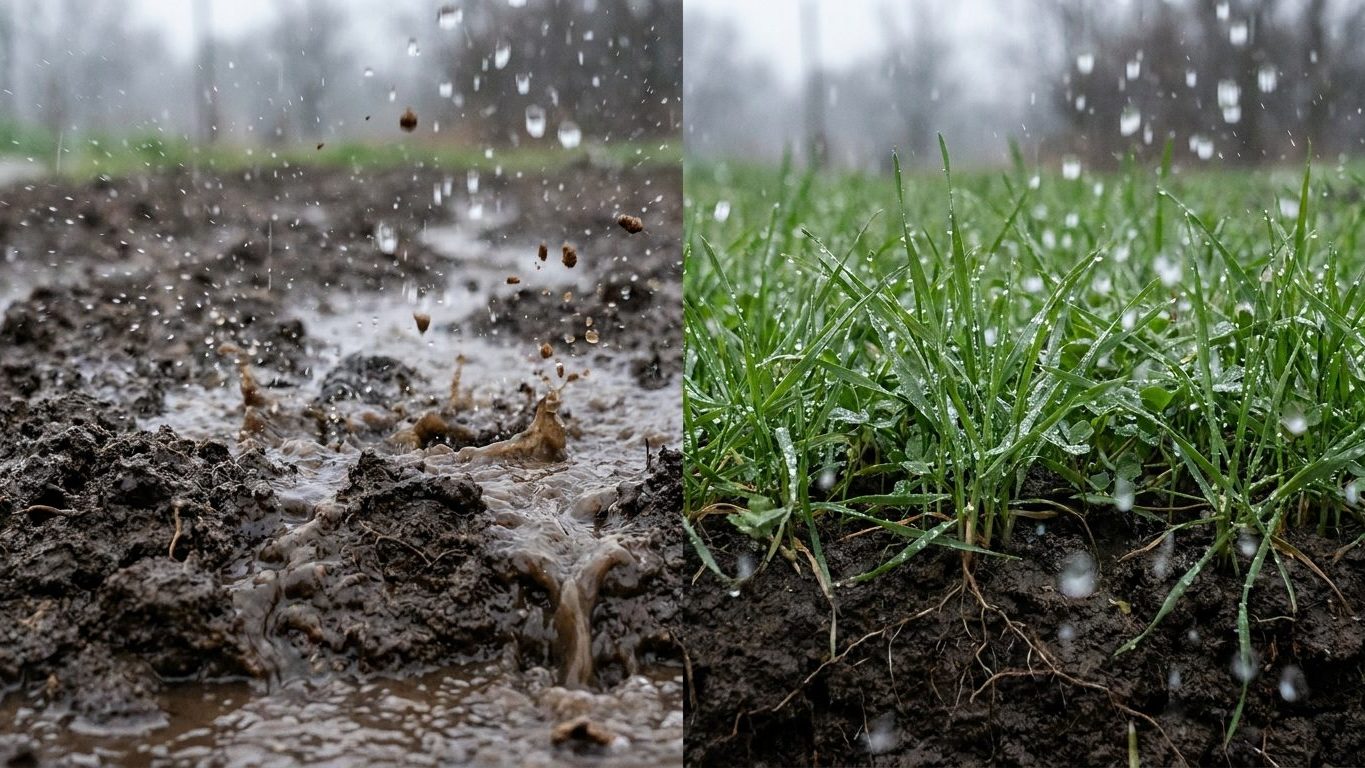
Erosion cover crops work by putting something alive between falling water and open dirt through the cold months, when a garden or field would otherwise…
Home & garden, state by state
Erosion cover crops work by putting something alive between falling water and open dirt through the cold months, when a garden or field would otherwise…
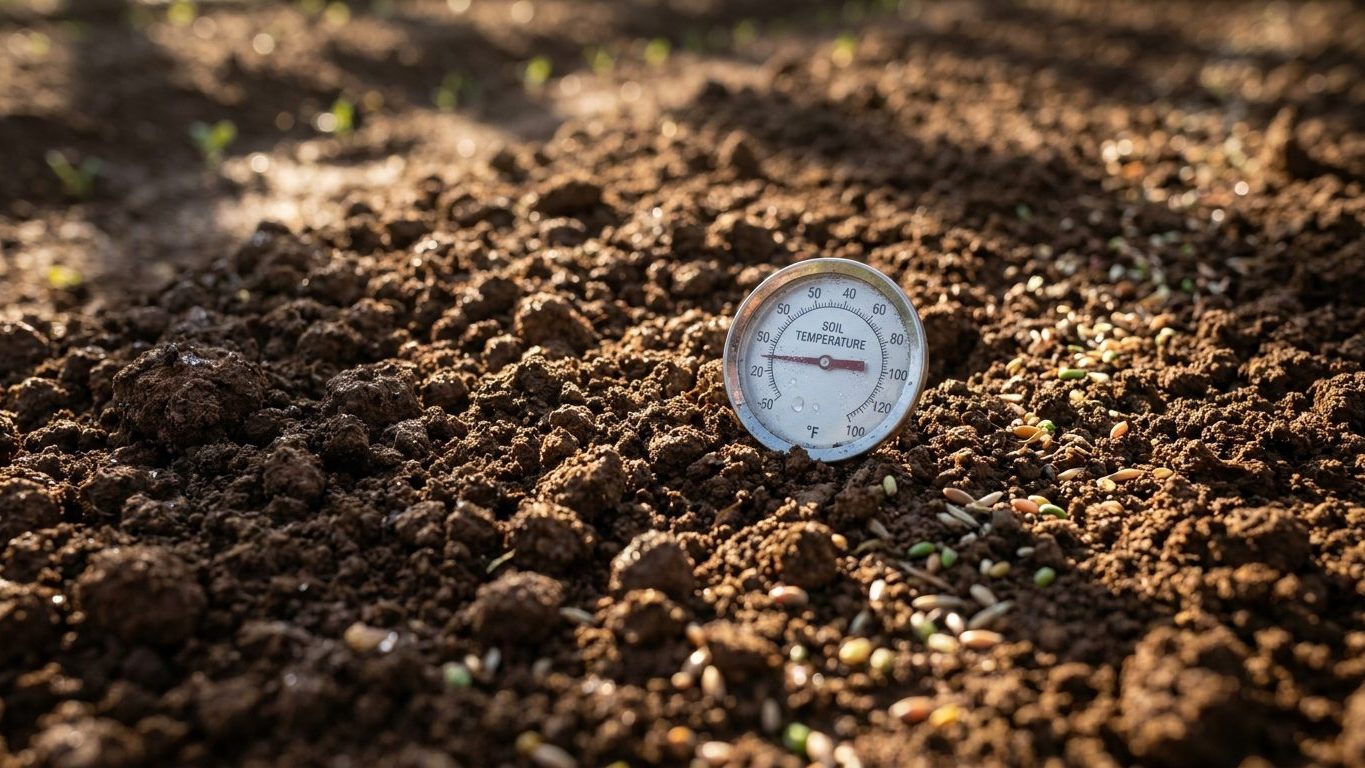
Cover crops take root in Massachusetts once soil temperature climbs into the mid-40s and holds there, which usually happens a week or two after frost…
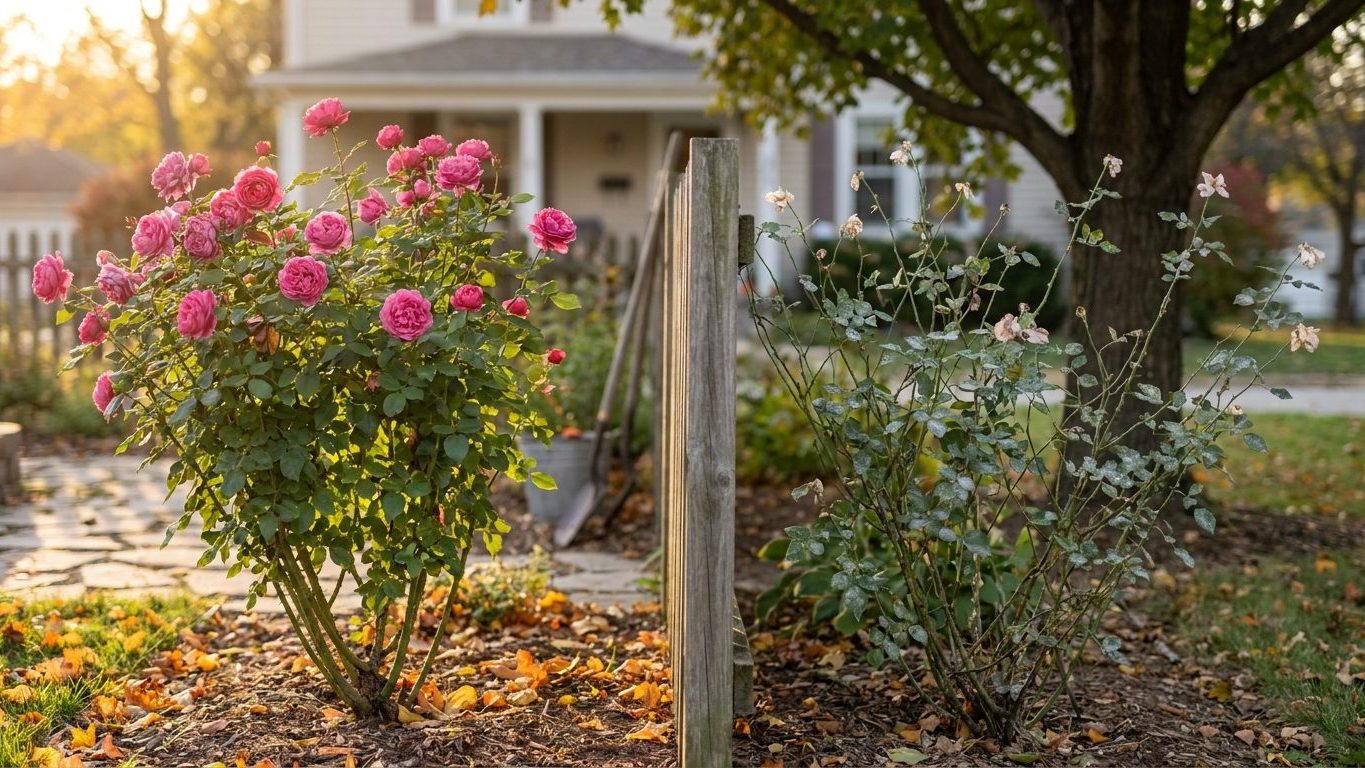
Roses need at least six hours of direct sunlight a day to bloom well, according to NC State Extension’s Plant Toolbox.
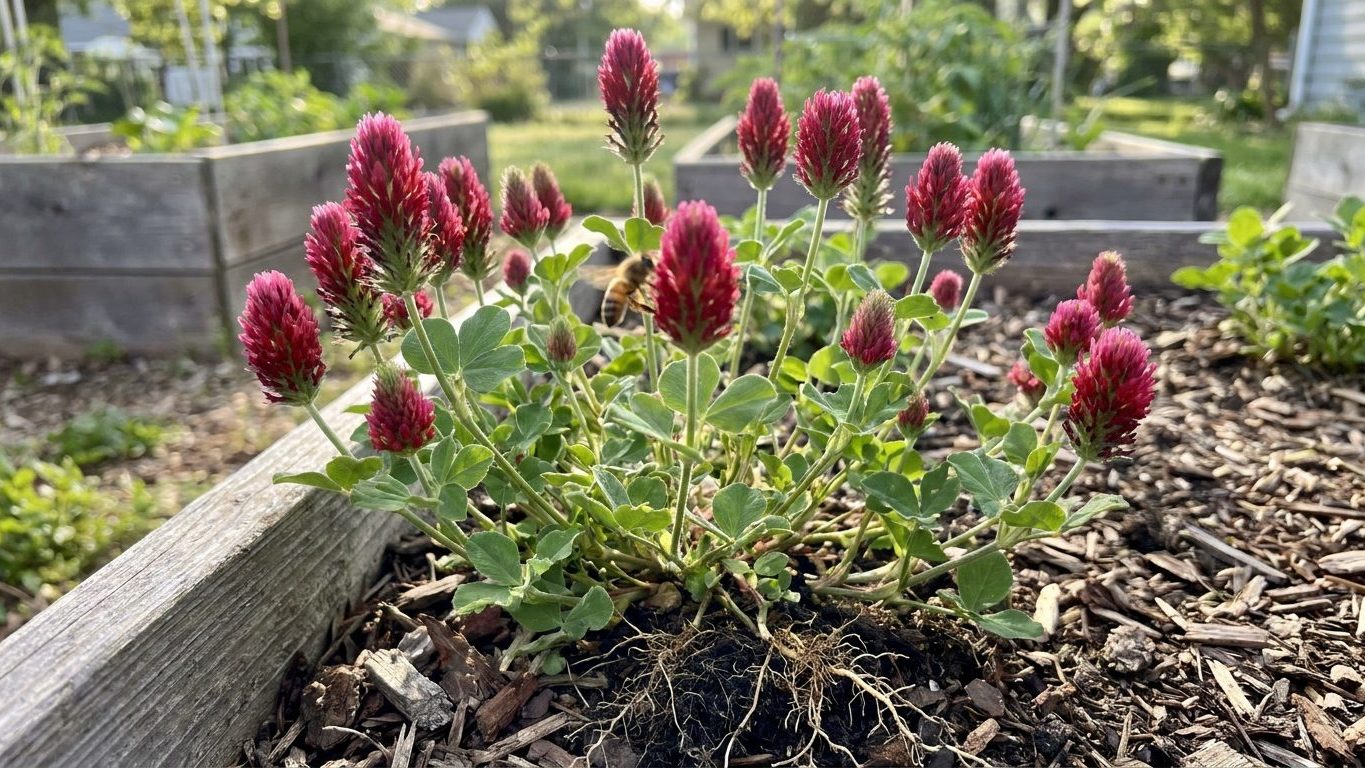
Crimson clover earns its reputation as the beginner’s legume because it forgives mistakes that would sink other cover crops.
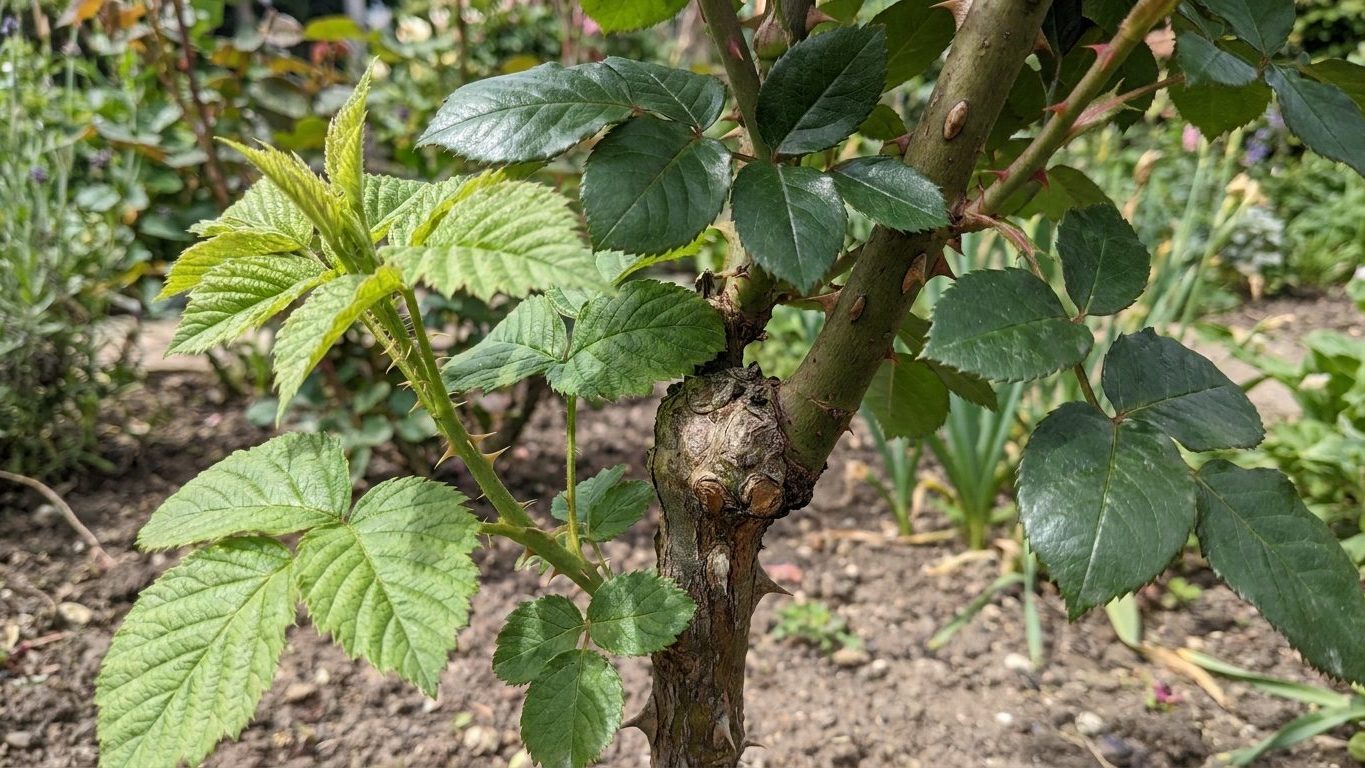
A rose sucker grows from below the graft union, not from the grafted variety itself, and it usually shows leaves, color, or prickle pattern that don’t…
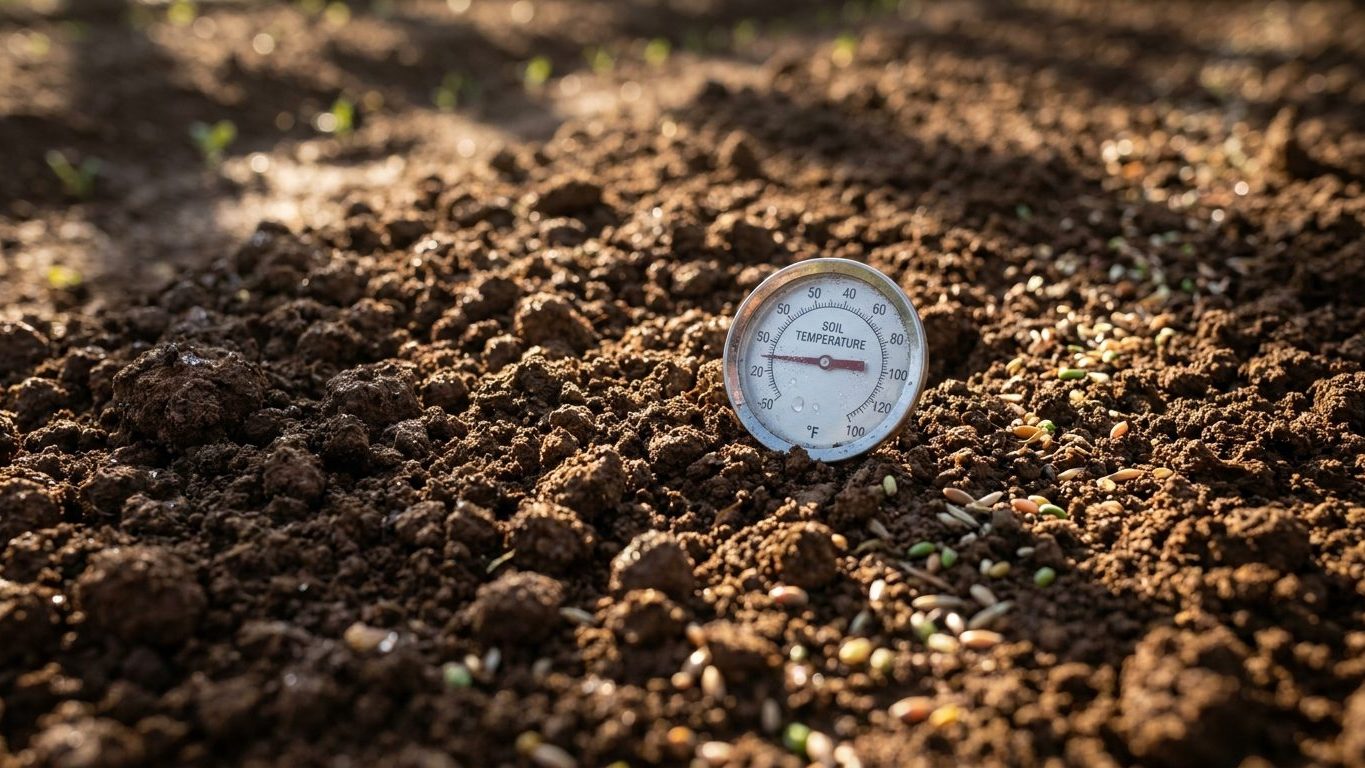
In most of Maryland, cover crops can go into the ground once soil temperatures climb into the mid-50s, which usually happens two to three weeks after the…
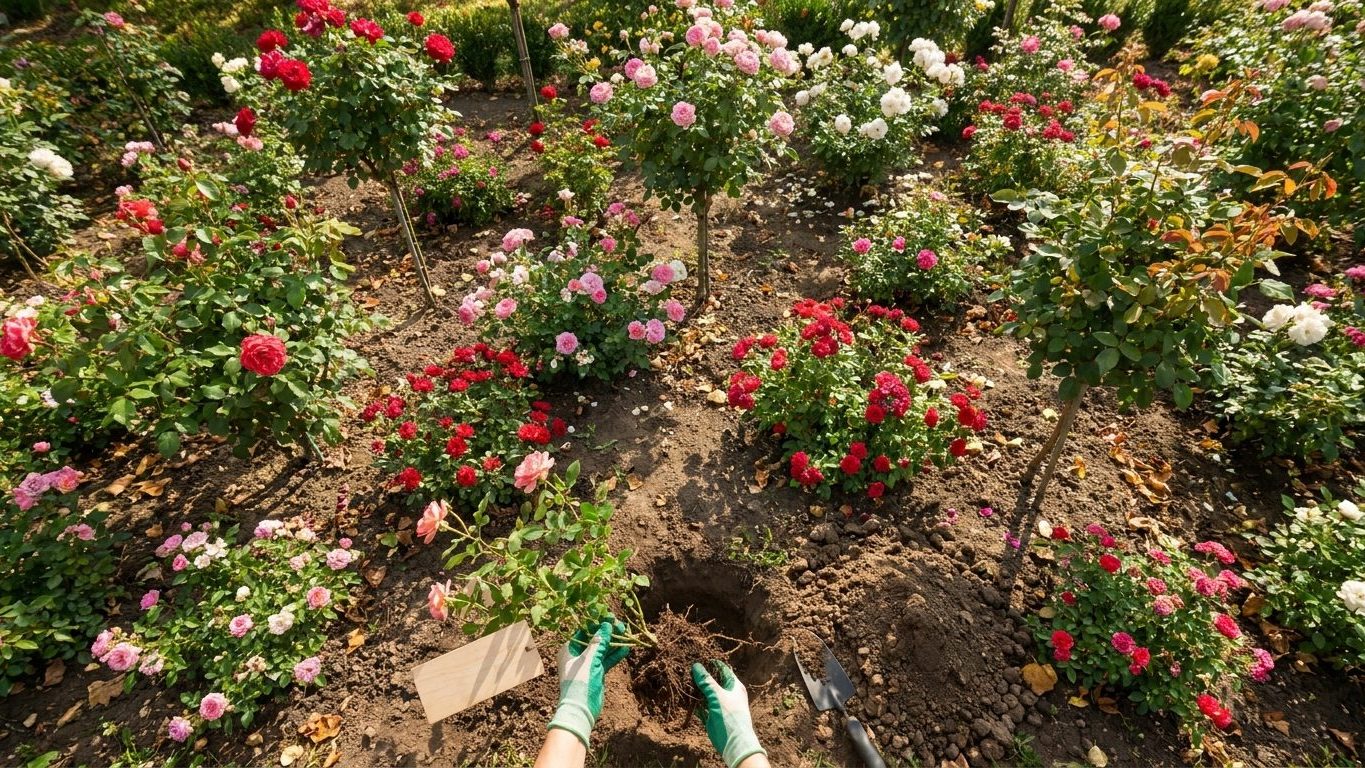
Space rose plants center to center a distance equal to the mature width of the cultivar you’re setting out, not the size of the pot it came in.
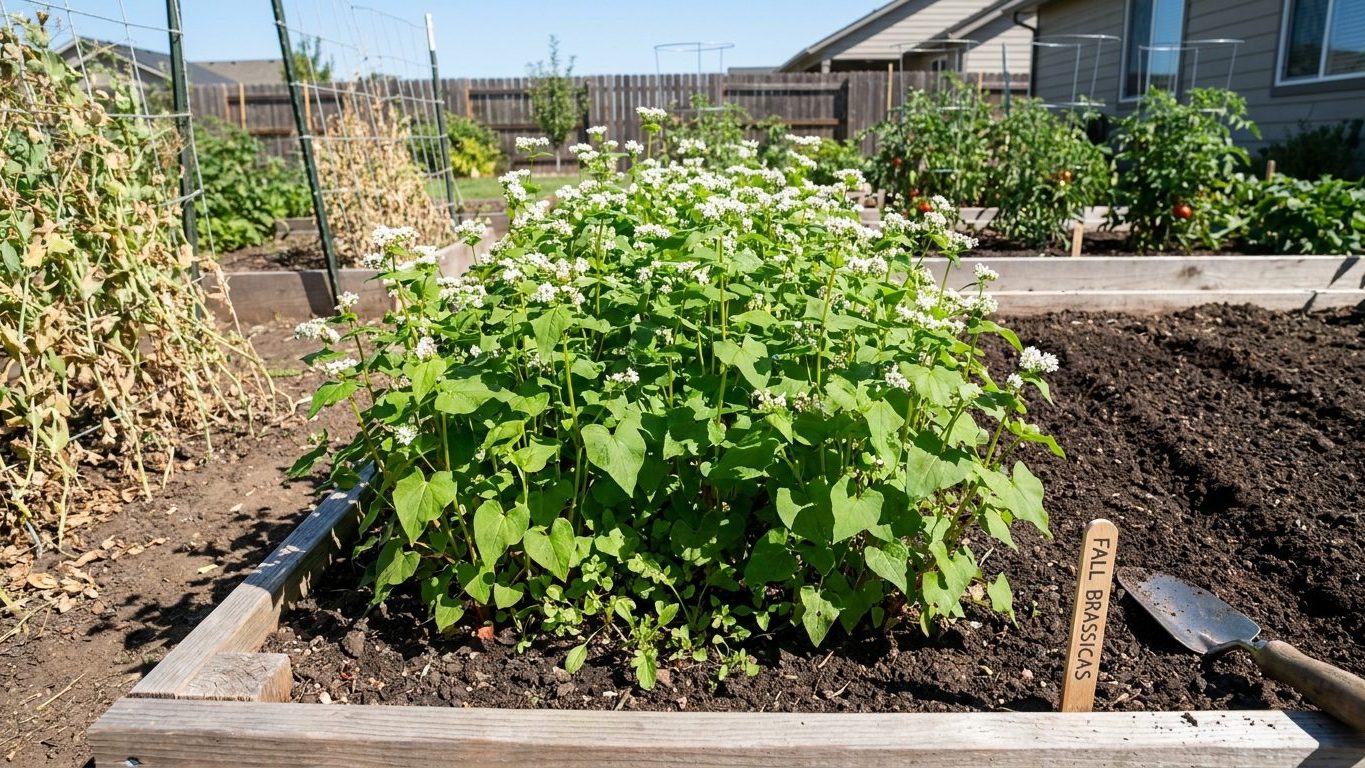
Buckwheat earns its spot in the vegetable garden by doing one thing extremely well: covering bare soil during the hottest, slowest weeks of summer.
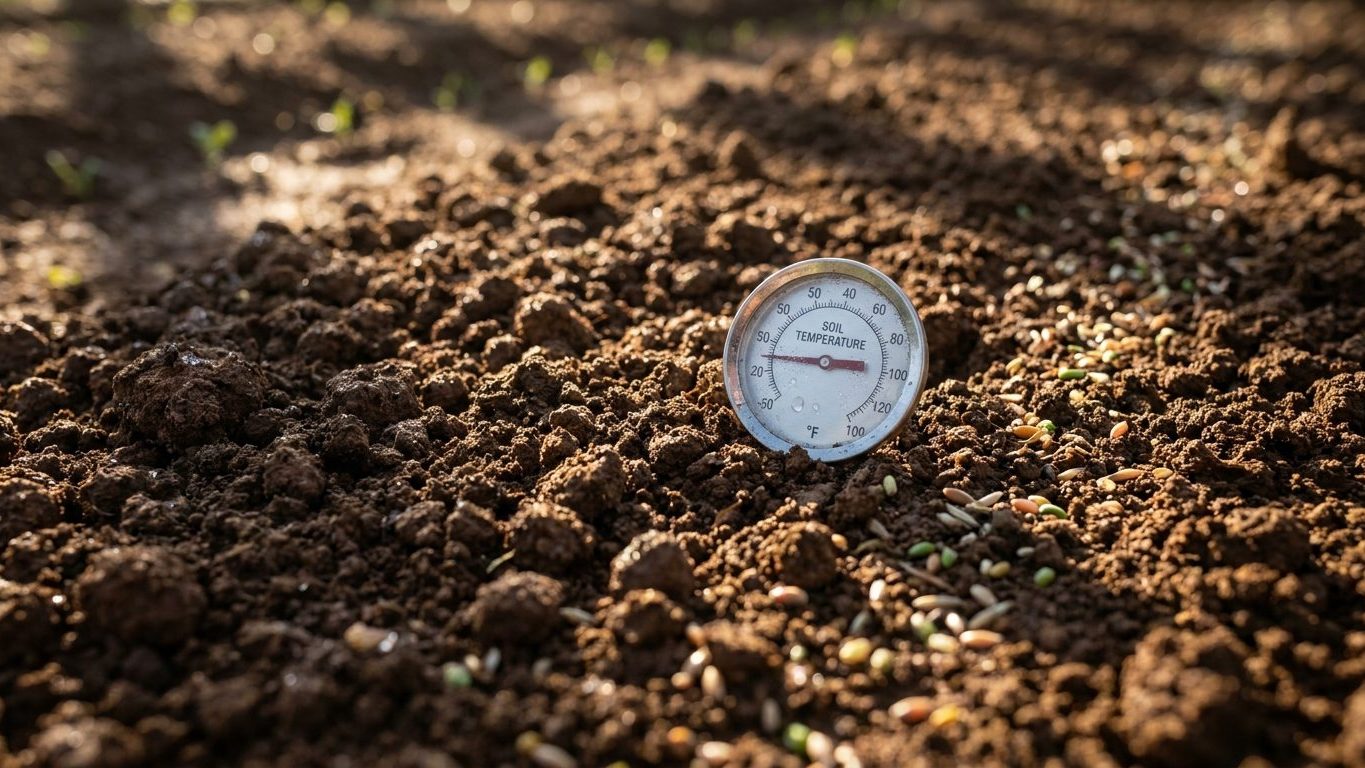
Manitoba gardeners can seed cover crops once the soil itself has warmed, not the moment the calendar says frost is over.

Summer squash in Arizona isn’t a fall-and-winter storage crop the way pumpkins or butternut are. The answer to “when to pick” is simple: young, and often.