
Summer squash in Arizona isn’t a fall-and-winter storage crop the way pumpkins or butternut are. The answer to “when to pick” is simple: young, and often. The answer to “What to Do With a Glut” is just as simple: eat it fast, freeze it, or give it away, because the fridge only buys about a week.
When summer squash are ready in Arizona
The plant tells you before the calendar does. Zucchini, yellow crookneck, and pattypan are all ready to cut once the skin is glossy, thin enough to nick with a fingernail, and the fruit itself is still small for its type. That signal works whether you’re gardening in Yuma or Prescott, because it doesn’t depend on the weather that season, only on how fast that particular fruit grew.
Picking by the plant, not the calendar
Zucchini and yellow squash are best cut at roughly 6 to 8 inches long, pattypan closer to the size of a golf ball to a tennis ball. Past that point the skin toughens, the seeds inside start to harden, and the flavor turns watery. There’s a second reason to stay ahead of the size: a squash plant that’s allowed to hold one mature fruit slows down or stops setting new ones. Picking small isn’t just about taste, it’s what keeps the plant producing at all.
The window when frost isn’t the constraint
In most of Arizona’s low desert, frost is a footnote, not a planting boundary. NOAA’s 1991-2020 normals for the Phoenix reference station count the frost-free season at 365 days in most years, and the station hit 32°F in only 6 of the last 30 springs, typically as a brief cold snap somewhere between late December and mid-January. That means the usual spring-frost-to-fall-frost planting calendar most of the country uses doesn’t really apply here.
What does limit the window is heat. Phoenix averages 168.9 days a year at 90°F or above, and once daytime highs climb into the triple digits, squash blossoms drop and fruit set stalls out for the summer. In practice that gives low-desert gardeners two harvest stretches rather than one long season: a spring crop maturing into early summer, and a second planting timed for late summer so it fruits as the heat eases into fall. Higher, cooler parts of the state such as Flagstaff sit in a genuinely different climate that does freeze hard, and there a standard frost-based calendar is the right tool, not the heat-driven one used in the valleys.
Keeping them, and for how long
This is the part gardeners with a full basket need to hear clearly: summer squash does not store the way winter squash does. There’s no cool pantry or root cellar trick that stretches it into months.
What Clemson says, exactly
Clemson Cooperative Extension’s Home & Garden Information Center puts it plainly: summer squash is typically ready to harvest about 55 days after planting, and once picked it should be kept “in a plastic bag in the refrigerator for up to 1 week.” That’s the whole storage instruction, no cellar, no basement, no counter. The temperature that matters is whatever a refrigerator holds, and the humidity control is the bag itself, which slows the moisture loss that makes squash go soft and pitted.
Why the week is a ceiling, not a guarantee
A week is the outer edge under good conditions, not a countdown you can plan a whole harvest around. Squash bruised at picking, left out on a counter for a few hours in an Arizona kitchen, or bagged while still warm from the garden will soften and spoil well before day seven. If a glut is bigger than a week’s worth of eating and giving away can handle, the realistic next step is freezing (blanched slices or shredded squash both hold up reasonably well in the freezer) or preserving through pickling, relish, or baked goods that use up volume fast. Waiting on a fridge to somehow stretch further isn’t a plan, it’s a way to end up composting half the harvest.
Where in the house that actually is
For most root vegetables and winter squash, the right storage spot is a cool, humid room somewhere between a fridge and a heated living space. Summer squash skips that whole conversation, because the only spot that works here is the refrigerator itself.
Checking the temperature that matters
A garage in Arizona is a poor substitute. Even in the parts of the state with mild winters, garages track outdoor swings closely, and during the 168.9 days a year that hit 90°F or higher, an unconditioned garage or shed can sit warmer than the kitchen. A pantry or a laundry room shelf is even worse for a crop that’s already only good for a week; ambient room temperature in a house set for human comfort accelerates softening within a couple of days.
The crisper drawer of a standard refrigerator, with the squash bagged as Clemson describes, is the closest thing to right storage this crop gets. It’s worth putting an actual thermometer in that drawer rather than trusting the dial: refrigerators drift, crisper settings get bumped, and a drawer running a few degrees warmer than intended will quietly cut days off that one-week window. Skip that check and the “week” of storage can shrink to three or four days without any obvious sign until the squash is already going soft.
What goes wrong here
Arizona’s climate doesn’t threaten summer squash with hard freezes or damp basements the way other regions do. The failures here are different, and they show up during the growing season more than in storage.
The three culprits: harvest lag, heat, and pests
The first and most common failure is simple neglect of timing: skip picking for a few days during a productive stretch and the plant stops setting new fruit while the missed squash swells into something oversized and seedy. The fix is mechanical, not clever, walk the plants every day or two and cut anything close to size, even if it means giving squash away faster than planned.
The second is heat stress itself. During the stretch of the year that regularly tops 90°F, blossoms can drop before they’re pollinated, and Arizona’s dry summers don’t help; the reference station’s summer rainfall averages only about 1.9 inches across June, July, and August combined, with June itself averaging just 0.02 inches. That means irrigation, not rainfall, is doing almost all the work of keeping fruit from turning bitter or misshapen, and a garden left to natural rain alone through a low-desert summer will struggle regardless of variety.
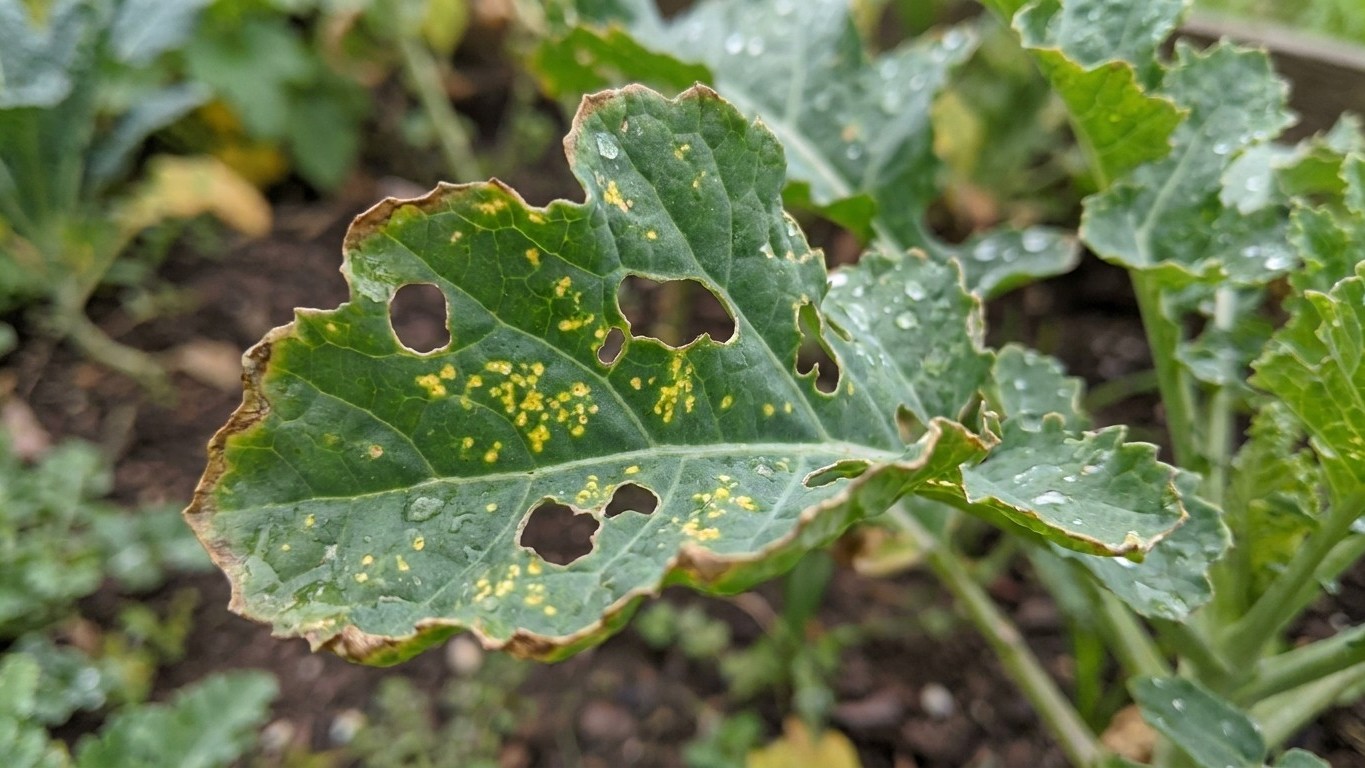
The third is pest pressure. The University of Arizona Cooperative Extension documents squash bug (Anasa tristis), aphids, whiteflies, and spider mites as pests that turn up on cucurbits in the state, alongside grasshoppers and the beet leafhopper, a curly top virus vector. Warm-season pest populations build quickly once the weather heats up, and checking the undersides of leaves regularly catches an infestation while it’s still small enough to manage by hand or with targeted treatment, before it shortens the harvest window that heat has already narrowed.