What Eats Parsnip in Connecticut, and When
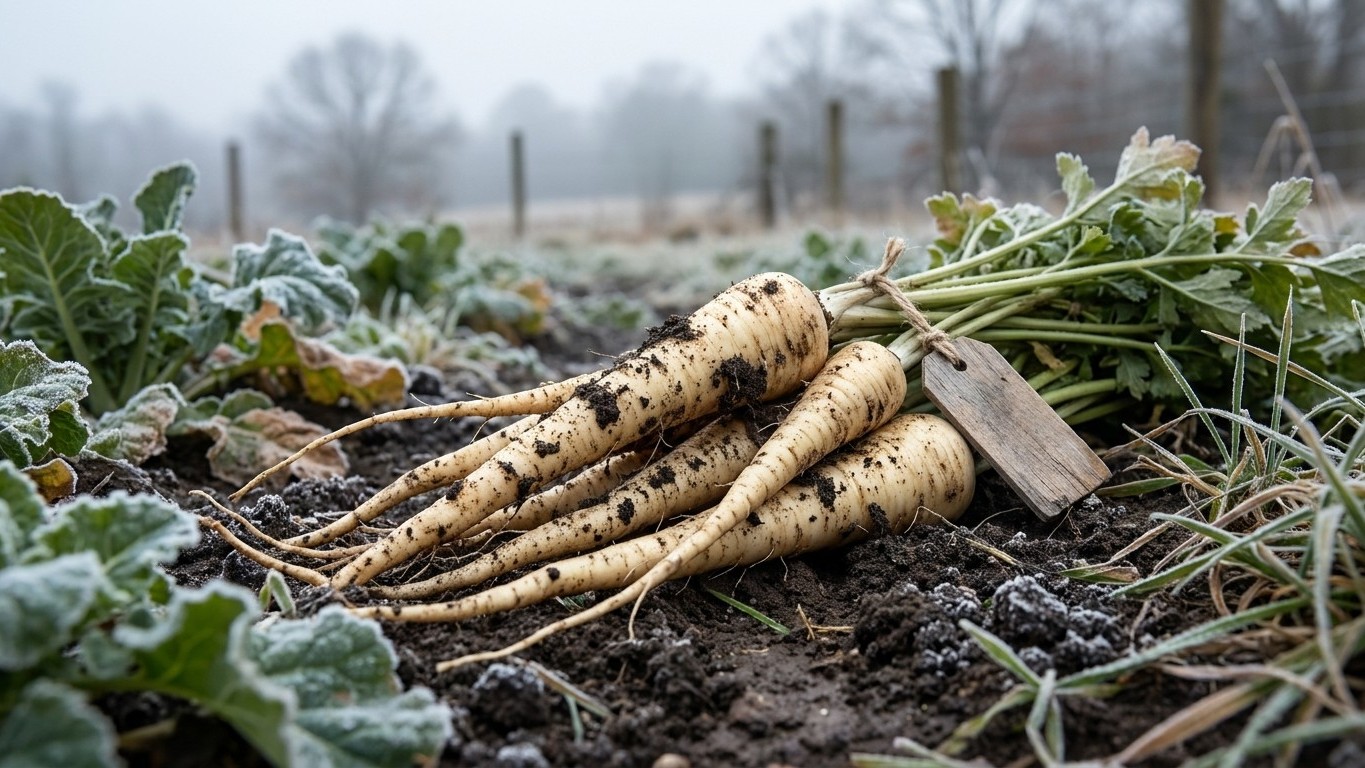
Four of the ten pests that UConn Extension documents in Connecticut vegetable gardens will feed on parsnip foliage or seedlings: brown marmorated stink…
Home & garden, state by state
Four of the ten pests that UConn Extension documents in Connecticut vegetable gardens will feed on parsnip foliage or seedlings: brown marmorated stink…
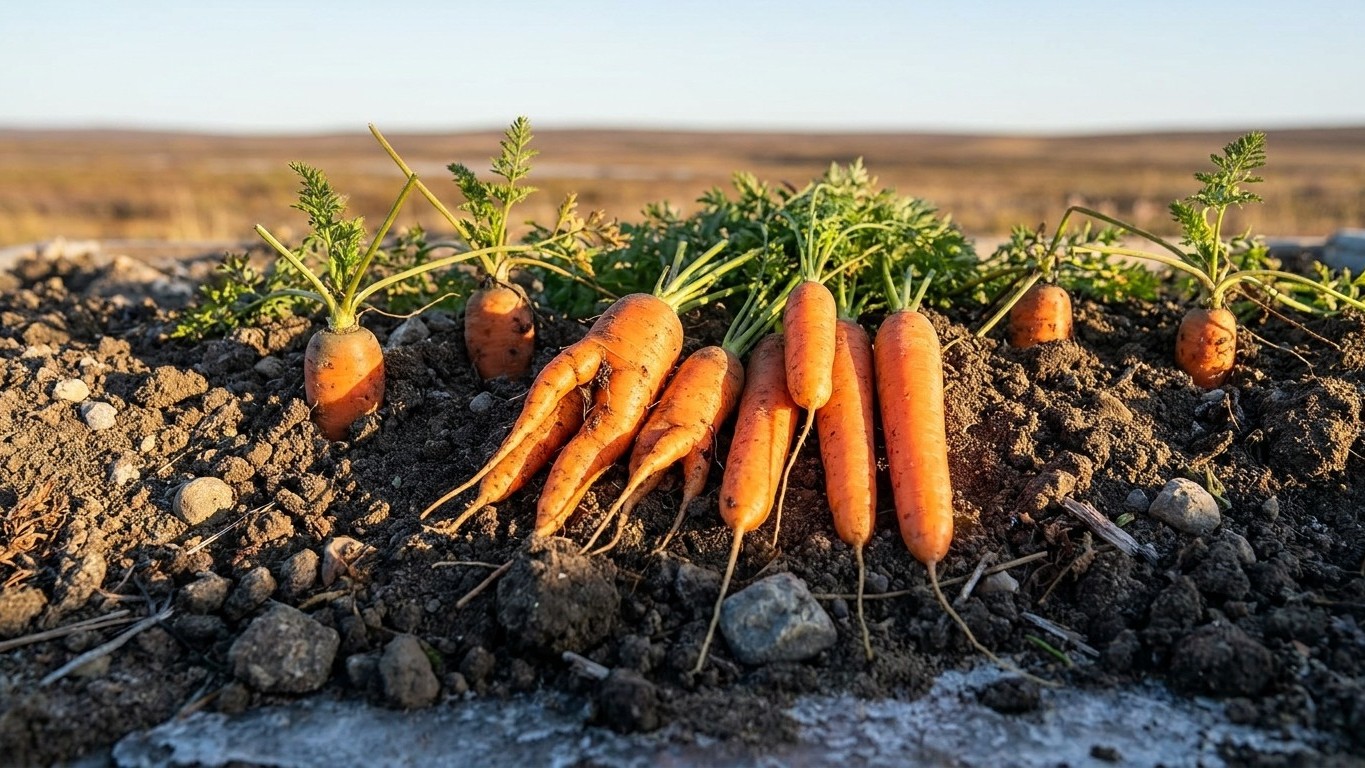
Only one insect on Connecticut’s documented pest list actually bothers carrots: cutworms.
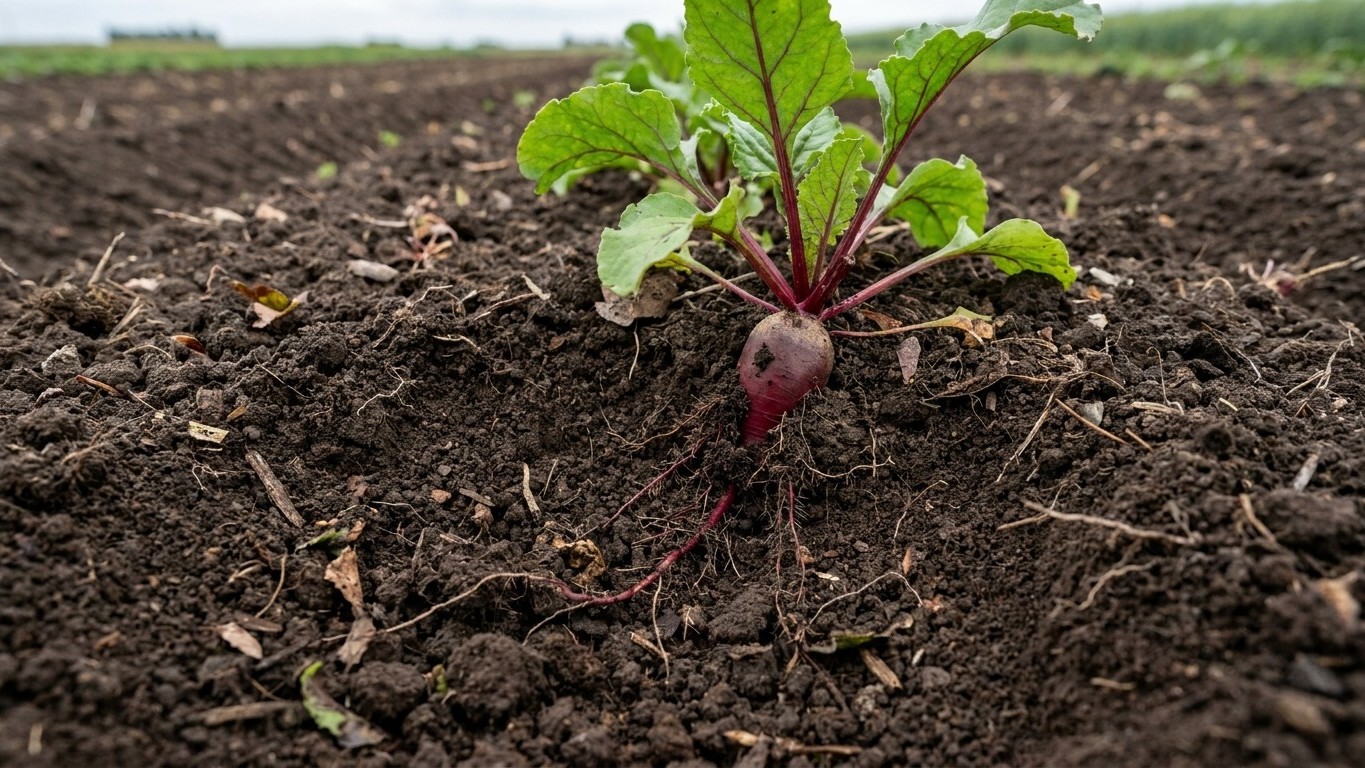
UConn Extension documents ten garden pest species statewide, but only three of them actually feed on beet: cutworms, the four-lined plant bug, and the…
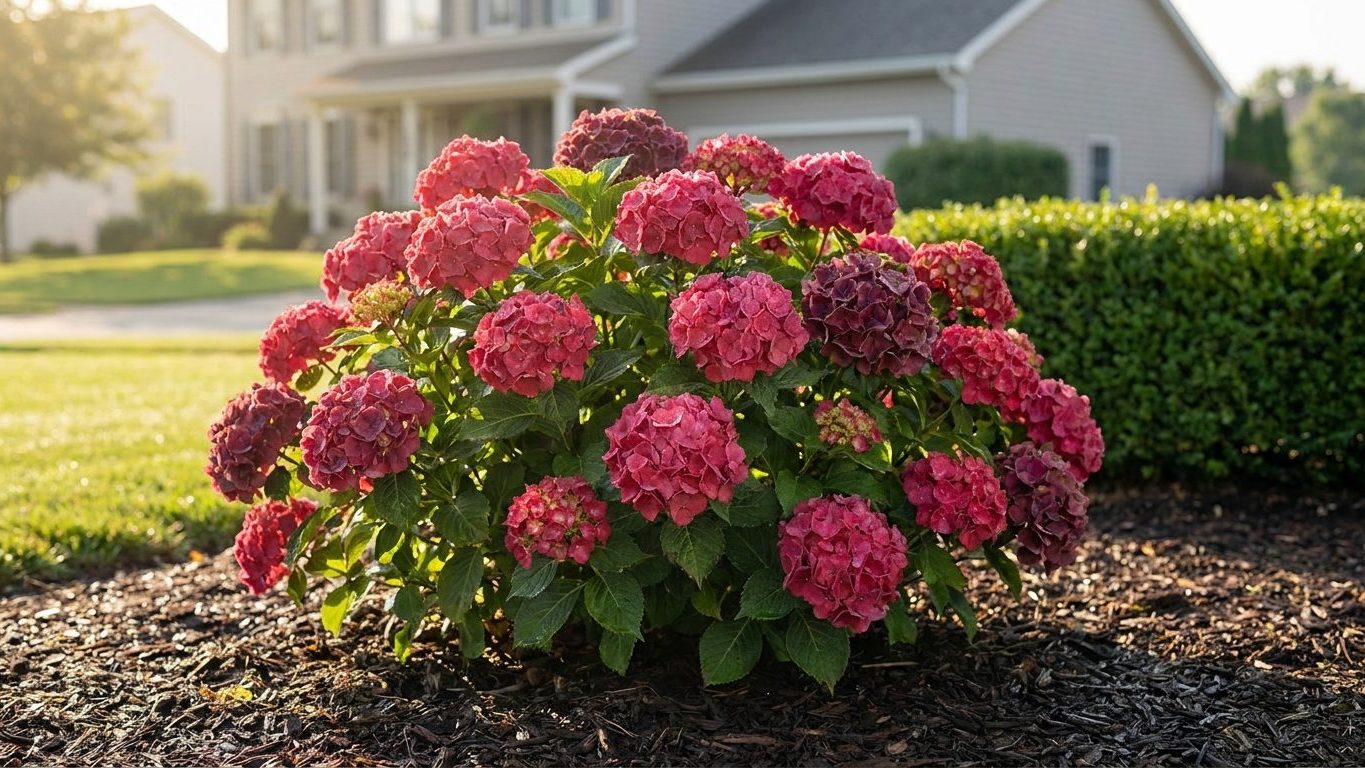
Cityline Paris is a compact bigleaf (mop-head) hydrangea hardy from USDA zone 6a through 11b, grown for dark rose-to-red flower heads that shift toward…
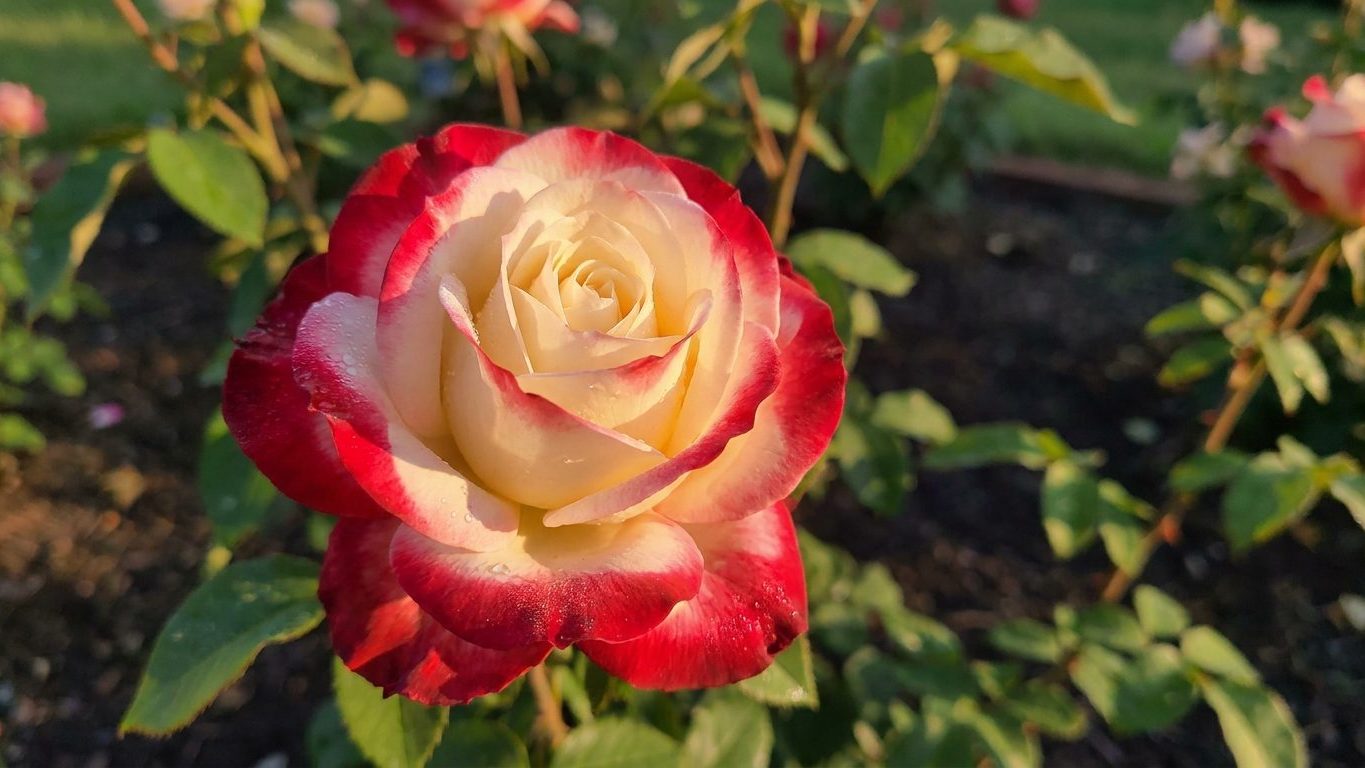
Double Delight is a Hybrid Tea rose grown for its two-tone bloom, cream petals edged in deep red carmine, paired with an intense spicy fragrance that’s…
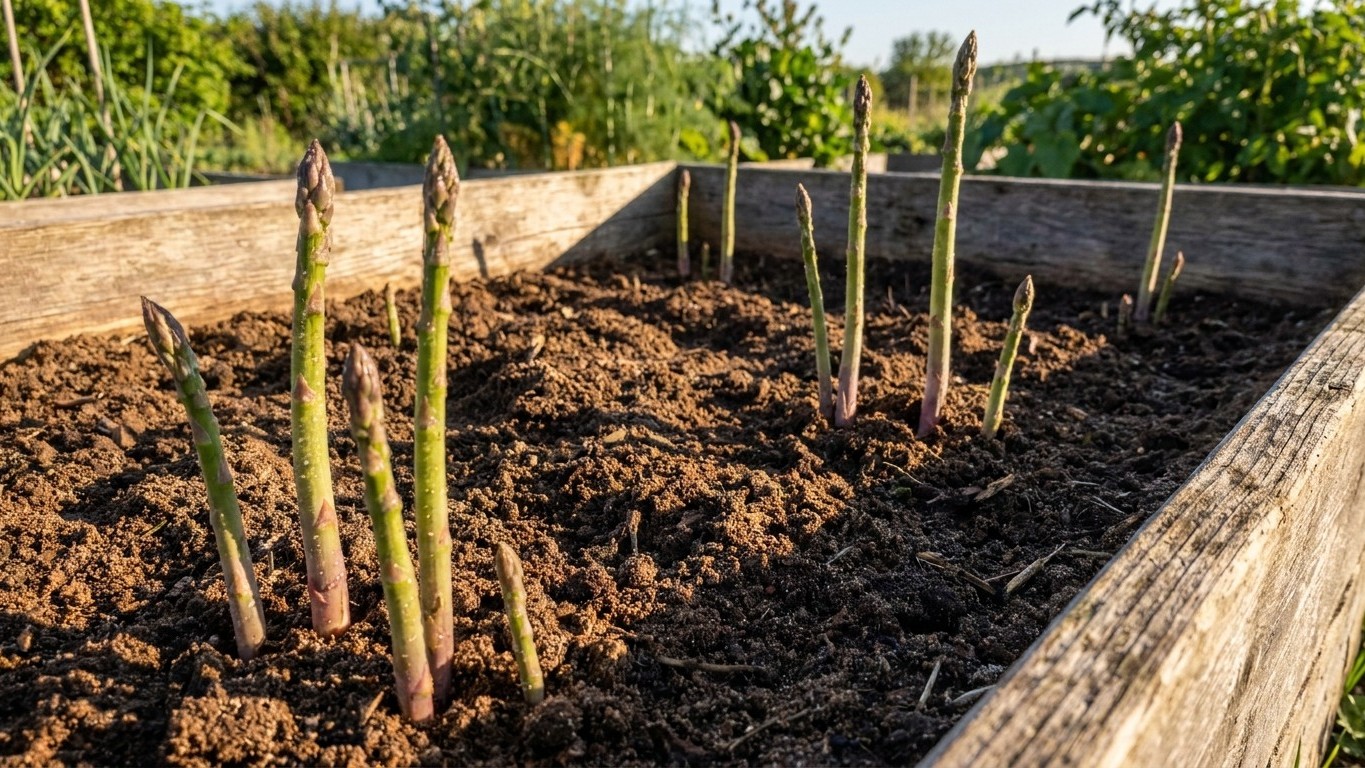
UConn Extension documents ten garden pests active in Connecticut, but only a handful ever touch asparagus.
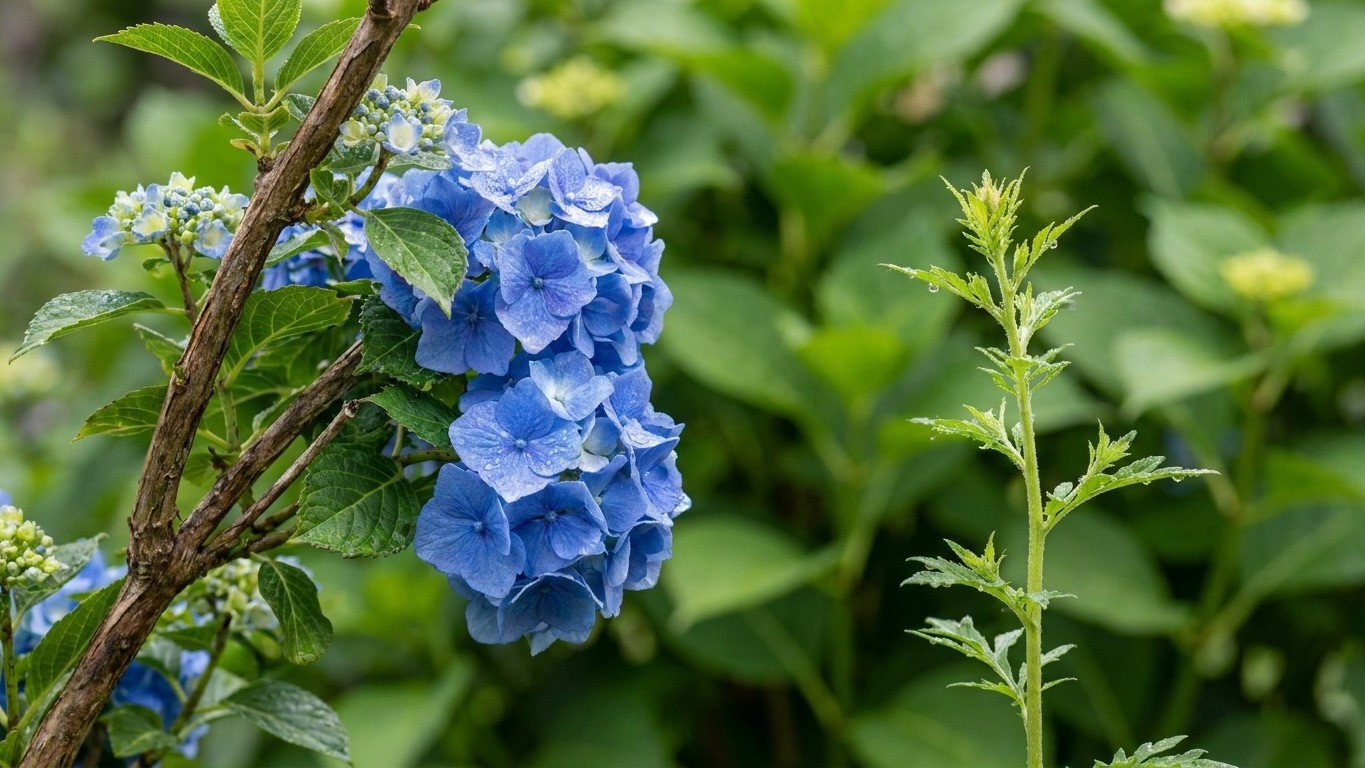
Prune most hydrangeas in Alaska in early spring, timed to the last frost window of May 3 to May 12 in Anchorage, cutting back new-wood bloomers just as…
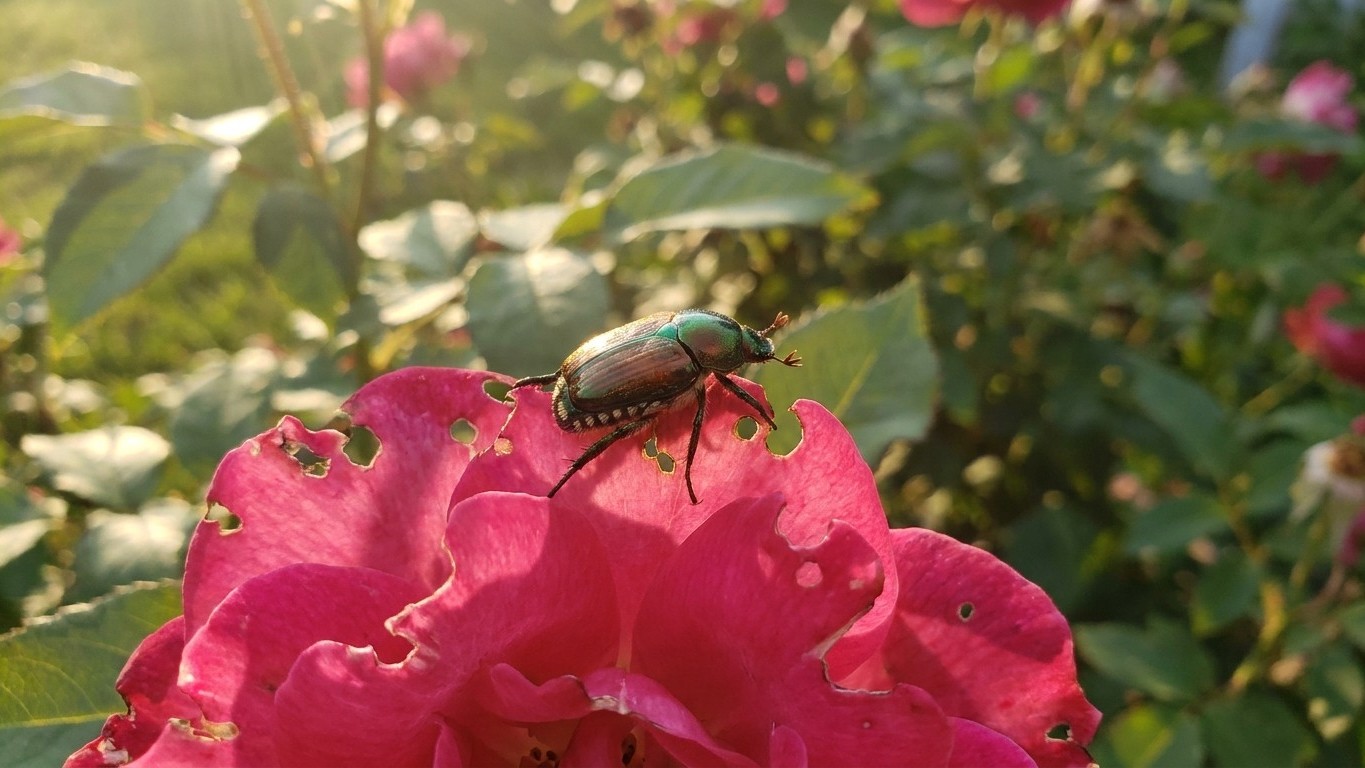
Alaska’s rose disease pressure comes down to cool, damp conditions rather than heat and humidity.
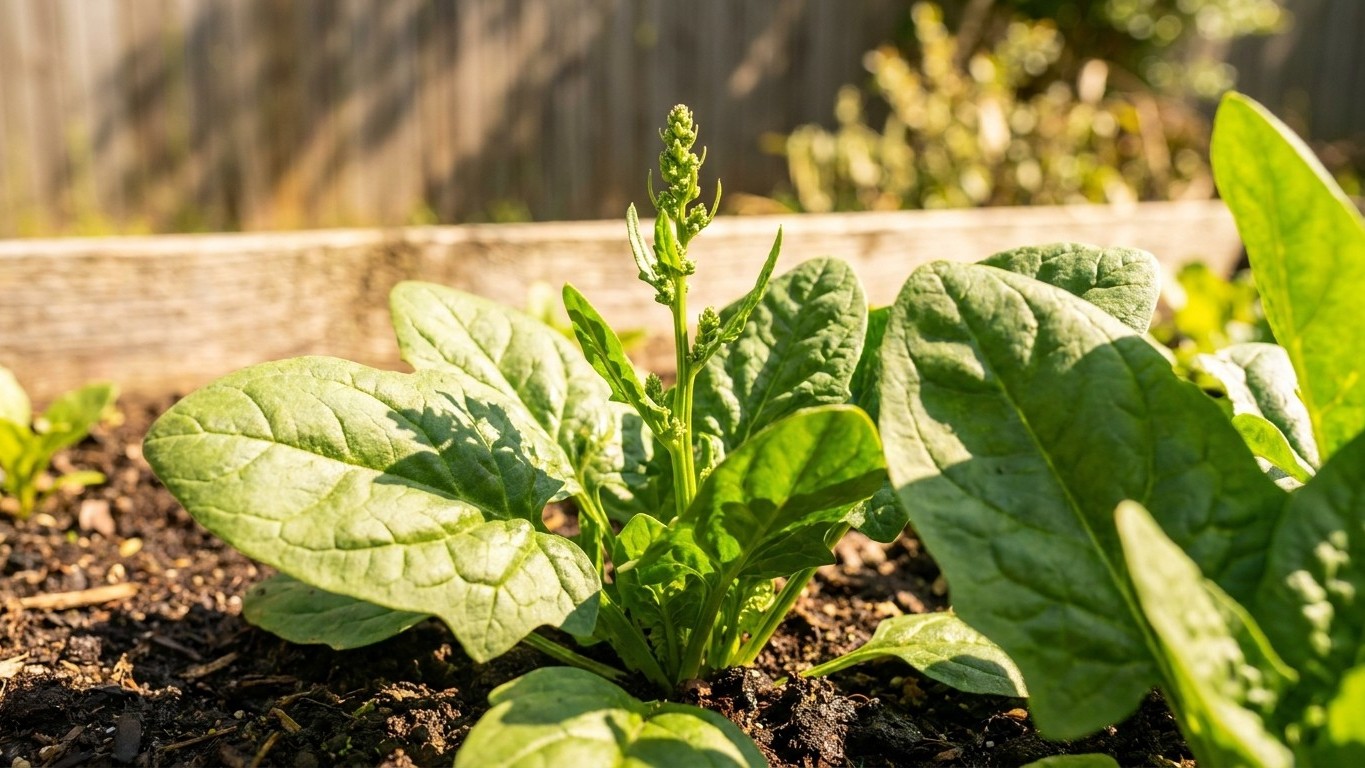
Five of the ten pests Colorado State University Extension tracks for vegetable gardens actually bother spinach: flea beetles, cutworms and seedcorn…
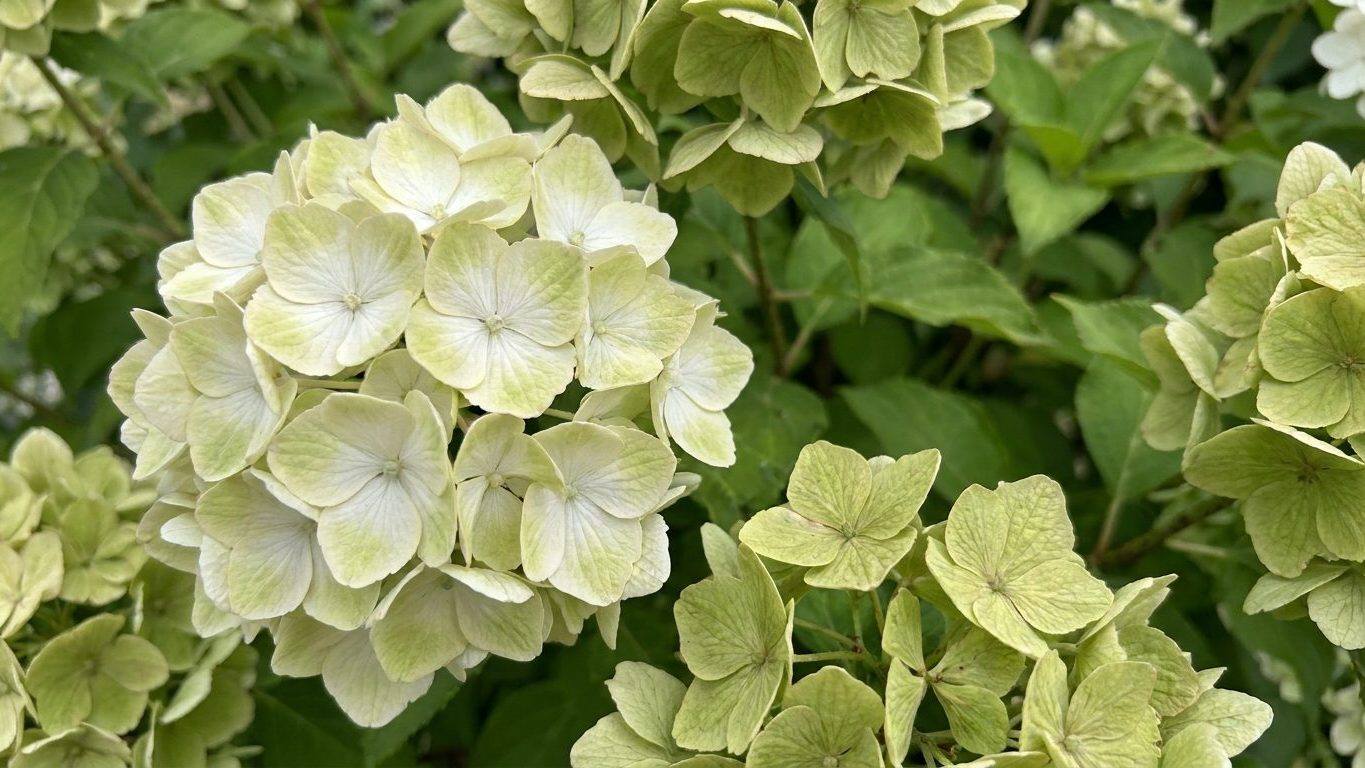
Green hydrangea flowers are almost always a natural aging shift, not a disease.