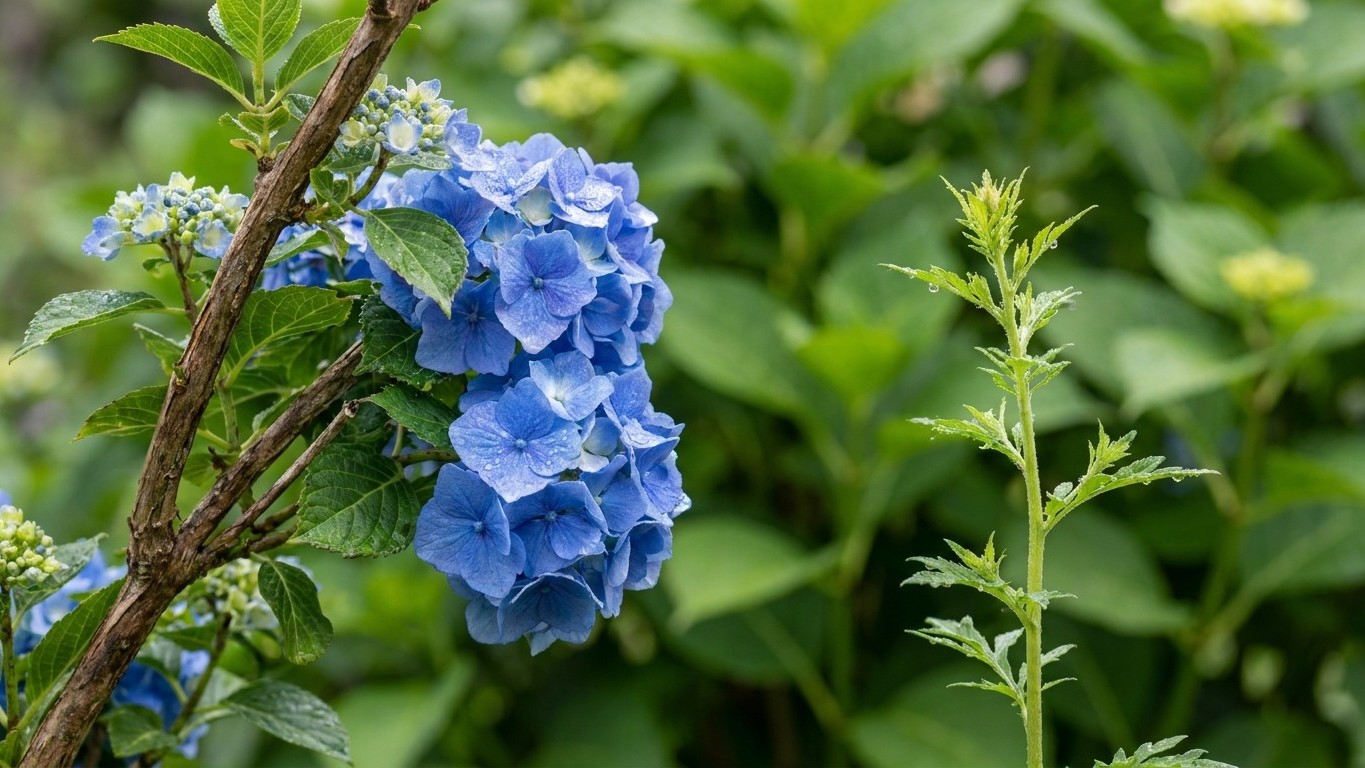

Prune most hydrangeas in Alaska in early spring, timed to the last frost window of May 3 to May 12 in Anchorage, cutting back new-wood bloomers just as buds swell but before leaves fully open. For old-wood types, the safer cut comes right after the flowers fade in late summer, well ahead of the first fall frost of September 22 to October 1. Get the type wrong and you cut off next year’s blooms.
What this comes down to in Alaska

The short answer sits inside two numbers: a last spring frost of May 3 to May 12 and a first fall frost of September 22 to October 1, both measured at station USW00026451 in Anchorage under NOAA NCEI’s 1991-2020 Climate Normals. That gap, about 143 frost-free days, is the frame every pruning decision has to fit inside. Anchorage counts among the mildest inhabited pockets of the state, so a gardener working from a Fairbanks backyard or a Kodiak hillside is working with a tighter frame than these dates suggest.
Pruning timing for hydrangeas splits along one line: does the plant set its flower buds on old wood (last year’s stems) or on new wood (the growth that comes up each spring)? Cut an old-wood bloomer in spring and you remove the buds that were already formed the previous fall, leaving a plant with leaves but no flowers for the season. Cut a new-wood bloomer too late in spring, after growth is well underway, and you delay bloom into a season that’s already short on daylight-driven warmth compared with lower latitudes, even though Alaska’s long summer days do help push growth along.
In a 143-day frost-free window, there’s little room to correct a mistake. A gardener in the Lower 48 who prunes at the wrong time might still get a partial bloom before frost. In Anchorage, and more so anywhere colder, a hydrangea that leafs out late after an ill-timed cut may barely finish hardening new wood before the first fall frost arrives. That’s the practical stakes behind the pruning calendar here: not just fewer flowers, but stems that go into winter soft and exposed.
The state’s USDA Plant Hardiness Zone Map range of 1a-8a, based on 1991-2020 average annual extreme minimum temperatures, underlines how much winter severity varies by location, and winter severity is exactly what decides whether pruning cuts heal cleanly or open a stem to dieback. A cut made in Anchorage’s zone has a very different winter ahead of it than the same cut made in a colder interior zone within that same statewide range.
Working it out for your own garden
Start from the last spring frost window, May 3 to May 12 in Anchorage. For a new-wood bloomer, the safe pruning point is right as that window closes, once the odds of a damaging freeze have dropped, but before the plant has pushed much new growth. Counting forward from May 12, most gardeners have roughly the back half of May before leaf-out is far enough along that a hard cut starts costing the season’s growth. That gives a working pruning range of about two to three weeks: early May through the tail end of the last-frost window, not a single date.
For an old-wood bloomer, the arithmetic runs the other direction, counting backward from the first fall frost. With frost arriving September 22 to October 1, and old-wood hydrangeas needing several weeks after flowering to set the following year’s buds on ripened stems, the safe pruning cutoff falls in the weeks right after bloom finishes, typically by mid to late summer. Subtract even four to six weeks of bud-set time from the earliest fall frost date of September 22, and the arithmetic pushes the cutoff back into August. Prune later than that and the plant hasn’t had time to firm up next year’s buds before cold weather sets in.
The practical test for your own yard: watch which stems carry the flowers. If blooms show up on thick, woody stems that clearly grew the year before, treat the plant as an old-wood bloomer and prune right after flowering, not in spring. If flowers appear on the current season’s soft green growth, it’s a new-wood type, and the spring window described above applies. This distinction matters more than any calendar date, because a misidentified plant will get pruned at exactly the wrong time no matter how carefully the frost dates are tracked.
One more check worth doing before the first cut: look at the previous year’s growth for dieback. In colder pockets of the state, some stems may have died back to the ground or to the snowline over winter regardless of type. Those dead sections get removed at either pruning window, spring or late summer, since dead wood produces nothing either way. That cleanup is separate from the type-specific pruning decision and can happen as soon as it’s clear which stems are alive.
What changes across the state
Anchorage’s frost window is a reference point, not a statewide rule. Elevation shifts the numbers first: gardens sitting higher on the hillsides above Anchorage or in mountain-adjacent valleys elsewhere in the state see frost linger later into spring and arrive earlier in fall than the coastal lowland reading, which shortens the pruning windows described above on both ends.
Distance from open water matters just as much. Coastal and near-coastal sites benefit from the moderating effect of the ocean, holding off the first fall frost and pulling the last spring frost earlier compared with inland locations at similar latitude. Move away from that coastal influence and the frost-free season contracts, which pushes the old-wood pruning cutoff earlier in the summer to leave enough bud-set time before cold arrives.
The north-south divide across Alaska is the largest factor of all. Southern coastal communities work with something closer to the Anchorage figures, while interior and northern parts of the state see both a later last spring frost and an earlier first fall frost, compressing the entire growing season and, with it, every pruning window discussed here. The state’s 1a-8a hardiness range reflects that spread in winter severity, and a stem left unpruned or cut at the wrong time carries very different risk depending on where in that range a garden sits.
None of this changes the underlying method, only the dates that go into it. A gardener outside Anchorage should treat the local frost pattern, not the Anchorage numbers, as the starting point for the same old-wood versus new-wood logic.
The mistakes this state punishes

Pruning an old-wood hydrangea in spring is the single most common misstep, and it costs an entire season of bloom rather than just a few flowers. The buds for that summer’s display were already set on the previous year’s stems the past fall; a spring cut removes them before they ever open.
Waiting too long into fall to prune a plant that needs it before frost is the second trap. In a state where the first fall frost can arrive as early as September 22 at the Anchorage reference point, and considerably earlier at higher elevation or farther from the coast, a late-summer cutting job pushed into September risks fresh wounds and any regrowth being caught by cold before it hardens off.
A third mistake is pruning right after a warm spell early in spring, before the last-frost window has actually closed. A stretch of mild days in April can trick a gardener into cutting back a new-wood bloomer weeks ahead of the May 3 to May 12 window, only to have a late freeze hit stems that just lost their protective older growth.
The fix in each case is the same discipline: confirm which type of hydrangea is in the ground before the first cut, anchor spring pruning to the closing of the local frost window rather than a warm week on the calendar, and anchor any late-summer pruning to leaving enough weeks before the first fall frost for new buds to ripen.
Checking this against your county
The Anchorage figures used throughout this page come from a single NOAA NCEI weather station and won’t match every county in a state this size. Before setting a pruning date, check current frost outlooks and local growing conditions with the University of Alaska Fairbanks Cooperative Extension Service, which can point to guidance specific to your borough or census area rather than a single statewide reference point.
Common questions
Can I prune a hydrangea in Alaska in fall?
Only to remove dead or damaged wood. Live stems on an old-wood bloomer need to be left through winter since next year’s flower buds are already set on them; new-wood types are generally left uncut in fall as well, with the main cutback saved for the following spring.
What happens if I prune at the wrong time?
On an old-wood bloomer, a spring cut removes the season’s flower buds, leaving foliage but no blooms. On a new-wood bloomer, cutting too late once growth has started delays flowering into a season that’s already short at 143 frost-free days at the Anchorage reference point.
How do I know if my hydrangea blooms on old or new wood?
Check where the flowers form. Blooms on thick stems that clearly grew the previous year point to an old-wood type; blooms on the current season’s soft green growth point to a new-wood type. This page doesn’t cover variety identification in detail, since that’s addressed on the site’s hydrangea varieties guide for Alaska.
Does Alaska’s hardiness zone affect pruning timing?
Indirectly. The USDA Plant Hardiness Zone Map places the state across a 1a-8a range based on extreme minimum winter temperatures, and colder zones within that range mean more winter dieback to clean up and a shorter margin for late-summer pruning before the first fall frost.