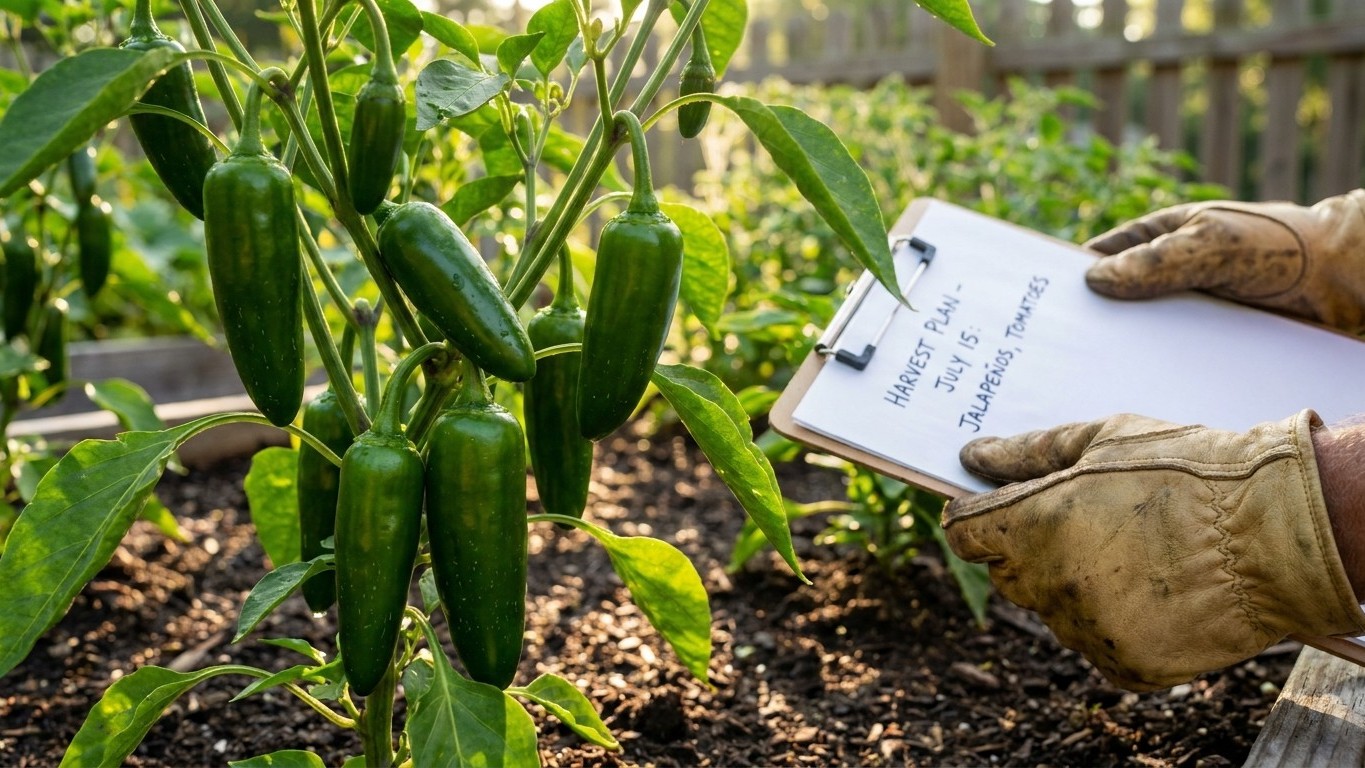

Mitla is a jalapeno-type pepper, one of the cultivars Clemson Cooperative Extension recommends for home gardens. That classification tells a grower most of what they need before planting: expect moderate heat, a fruit built for fresh salsa and pickling, and a plant that behaves like any other jalapeno. What Mitla does not come with is a published days-to-maturity count, a listed fruit size, or a yield figure. That gap matters as much as what’s actually documented.
What Mitla Actually Is
Clemson Cooperative Extension’s Home & Garden Information Center lists Mitla among its recommended pepper cultivars for South Carolina gardens, identifying its type as jalapeno. That’s the extent of the university’s classification: a name, a type, a place on a recommended list. NC State Extension, which maintains detailed pepper cultivar descriptions, does not carry a separate entry for Mitla with its own agronomic notes.
No days to maturity is published for Mitla specifically. No fruit length or weight is listed. No yield estimate exists in either extension source. Writing a number here anyway, borrowed from “typical jalapenos” or from memory, would hand the reader a false sense of precision. A grower who knows a figure is missing can plan around that gap; a grower given an invented number can’t tell the difference between fact and filler until the season proves it wrong.
This distinction matters more with peppers than some other vegetables, because the pepper world also includes ornamental varieties grown for colorful foliage or fall fruit display rather than eating. Mitla is not one of those. It’s a recommended jalapeno-type cultivar meant for the kitchen, but the two categories sit on the same nursery shelf and get confused often enough to be worth clarifying once.
For a grower comparing cultivars, the honest takeaway is this: Mitla’s type tells you the heat range and culinary use. Its specific performance numbers, the ones that would let you compare it side by side against another jalapeno cultivar, simply haven’t been published by either university source this page draws from.
How Hot Is It, Really
Jalapenos as a type run 2,500 to 8,000 Scoville heat units, a moderate range well below the extreme end of the pepper world. Mitla, as a jalapeno-type cultivar, falls into that range by category. No source publishes a Mitla-specific Scoville figure, so this describes the type, not a laboratory measurement of this particular cultivar.
That range is wider than most cooks expect, and the reason comes from NC State Extension’s own language about pepper fruits generally: they’re edible “but spiciness is unpredictable in intensity.” That’s a description of how capsaicin, the compound that produces heat, actually behaves in the plant.
Capsaicin concentrates under stress. A plant that goes through drought or bakes in hot, dry soil tends to produce hotter fruit than the same cultivar grown in a mild, evenly watered season, likely as part of the plant’s own defense chemistry. That means two jalapeno plants of the same cultivar, grown a mile apart or even in the same bed across different years, can turn out noticeably different in bite.
The practical upshot for anyone growing Mitla: expect jalapeno-range heat, but don’t expect it to be perfectly consistent fruit to fruit or season to season. A hot, dry August will push the peppers hotter than a cool, wet one. If a batch turns out milder or sharper than the last, that’s the plant responding to its year, not a sign anything went wrong.
Growing Requirements Specific to Mitla
What the Source Confirms and What It Doesn’t
Clemson Cooperative Extension’s listing places Mitla on its recommended cultivar roster without flagging it as compact, container-bred, unusually disease-resistant, or grown for anything beyond its fruit. It’s treated as a standard garden jalapeno rather than a specialty type bred for a particular constraint like small raised beds or extreme heat tolerance.
Days to maturity is the number most gardeners want at planting time, and here Mitla joins the majority of pepper cultivars in this set that simply don’t have one published by Clemson or NC State. Rather than estimate a number based on “jalapenos generally,” the more useful answer is to check the seed packet in hand. Seed producers print a days-to-maturity estimate specific to their own seed lot, and that number, not a generic type average, is the one that will actually apply to the plants growing in a particular yard.
The One Rule That Applies to Every Pepper
Regardless of cultivar or published maturity date, peppers share one non-negotiable requirement: warm soil. Peppers are a warm-season crop through and through, and transplanting into cold ground doesn’t just slow them down, it can stall growth for weeks while the plant sits in shock, vulnerable to disease and slow to root. Gardeners who get this step right on transplanting seedlings and who track germination timing on the starting pepper seeds indoors page tend to see far more consistent results than those chasing a specific calendar date. The soil temperature, not the calendar, is what starts the clock on any pepper, Mitla included.
Taste and Kitchen Use
Neither Clemson Cooperative Extension nor NC State Extension publishes a tasting note specific to Mitla, so the honest description here comes from its type. Jalapeno-type peppers are built for fresh, punchy use in the kitchen: diced into salsa, sliced onto nachos, stuffed and baked into poppers, or sliced into rounds for a quick refrigerator pickle. That’s a different culinary lane than a sweet bell meant for stuffing and roasting, a mild banana pepper suited to pickling whole, or a cayenne grown to dry and grind into powder.
Where NC State Extension does provide cultivar-specific tasting language for other peppers, it’s worth quoting to show what that detail looks like: one description notes a “sugary sweet flavor,” another describes a pepper with “no heat but the prolific production of a habanero pepper.” Those notes exist because someone at the university tasted or evaluated that specific fruit and wrote it down. No equivalent sentence exists for Mitla, which means the responsible answer is to describe what a jalapeno-type pepper generally delivers rather than invent a flavor note from a tasting panel that never happened.
For a cook, that translates simply enough: expect the familiar jalapeno profile, grassy and bright with a building heat that lands mid-palate rather than upfront, well suited to fresh salsa or a quick pickle brine, less suited to slow roasting or drying the way a cayenne or ancho type would be.
Common questions
Is Mitla the same as a regular jalapeno?
Mitla is classified as a jalapeno-type cultivar by Clemson Cooperative Extension, meaning it shares the same heat range and culinary use as other jalapenos. Specific fruit size or yield differences between Mitla and other jalapeno cultivars aren’t documented in the sources behind this page.
How many days until Mitla peppers are ready to pick?
No days-to-maturity figure for Mitla is published by Clemson Cooperative Extension or NC State Extension. Check the days-to-maturity number printed on your specific seed packet, since that figure reflects the actual seed lot you’re growing.
Why do my Mitla peppers taste hotter some years than others?
Capsaicin, the compound responsible for pepper heat, concentrates more heavily when the plant is under stress from drought or high heat. A hot, dry growing season tends to produce hotter fruit than a mild, evenly watered one, even from the same cultivar.
Can I grow Mitla in a container instead of the ground?
Clemson Cooperative Extension’s listing doesn’t flag Mitla as a container-specific or compact cultivar. It’s treated as a standard jalapeno-type pepper, so general pepper container guidance applies rather than any special accommodation tied to this cultivar.