Keeping Birds and Deer Off an Apple Tree
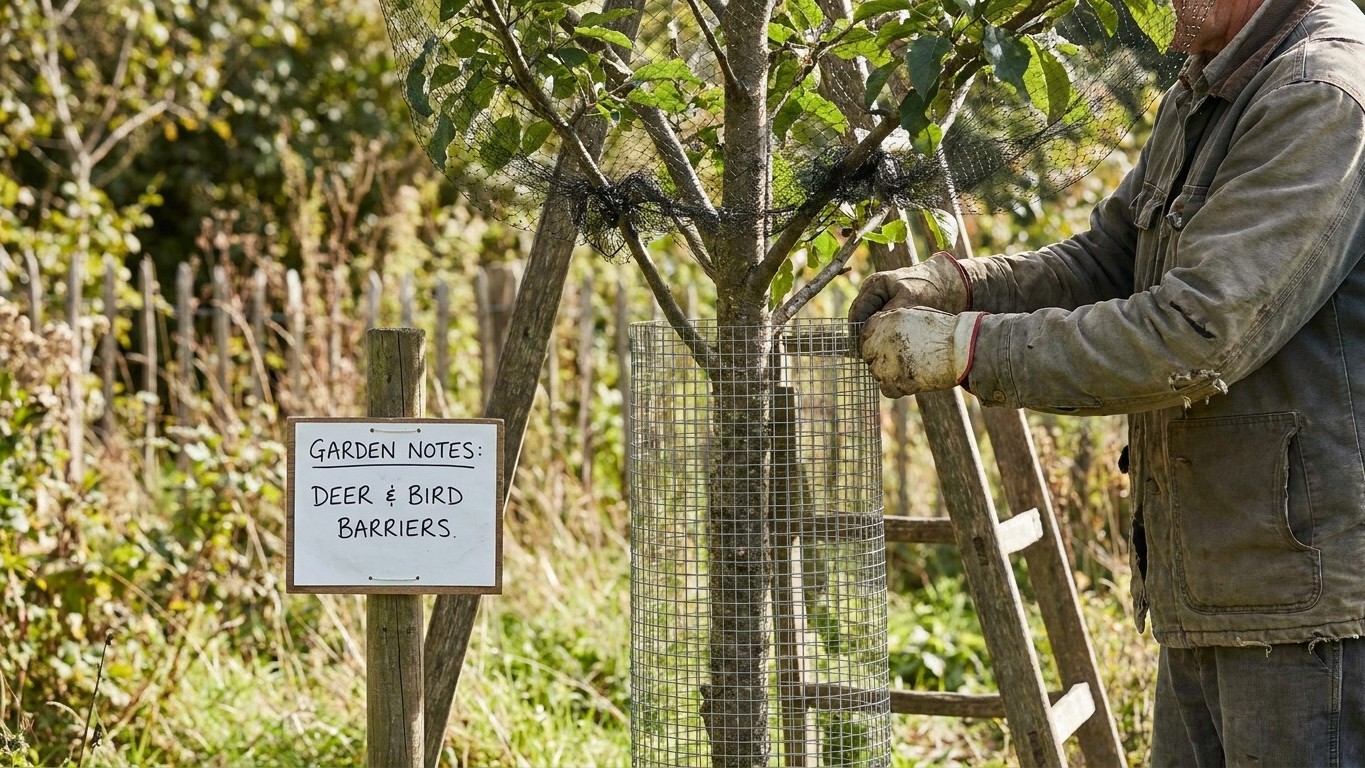
Bird netting and deer fencing protect an apple crop at different stages, and rootstock height decides which methods will actually work.
Home & garden, state by state
Bird netting and deer fencing protect an apple crop at different stages, and rootstock height decides which methods will actually work.
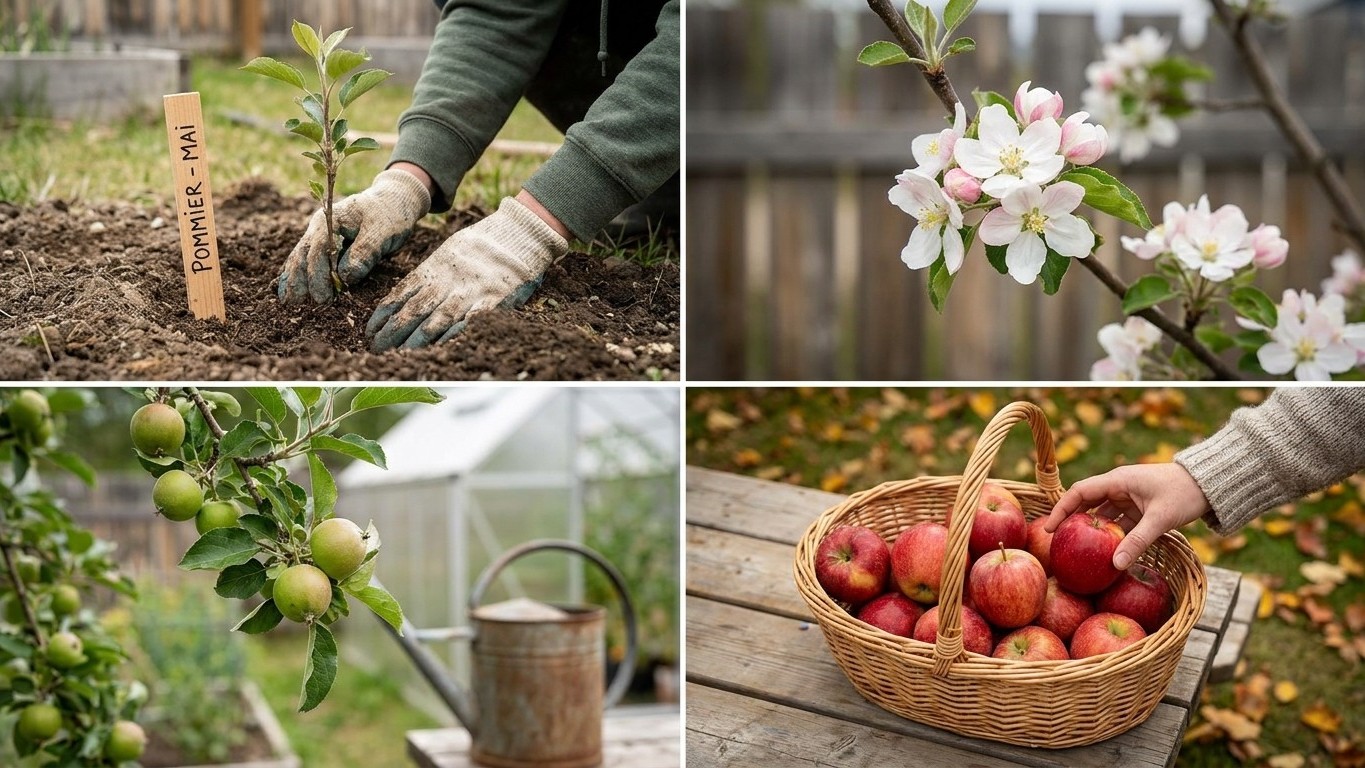
Yukon’s apple stages line up against Whitehorse’s June 5 and August 25 mean frost dates, from ECCC’s 1981-2010 normals, county by county.
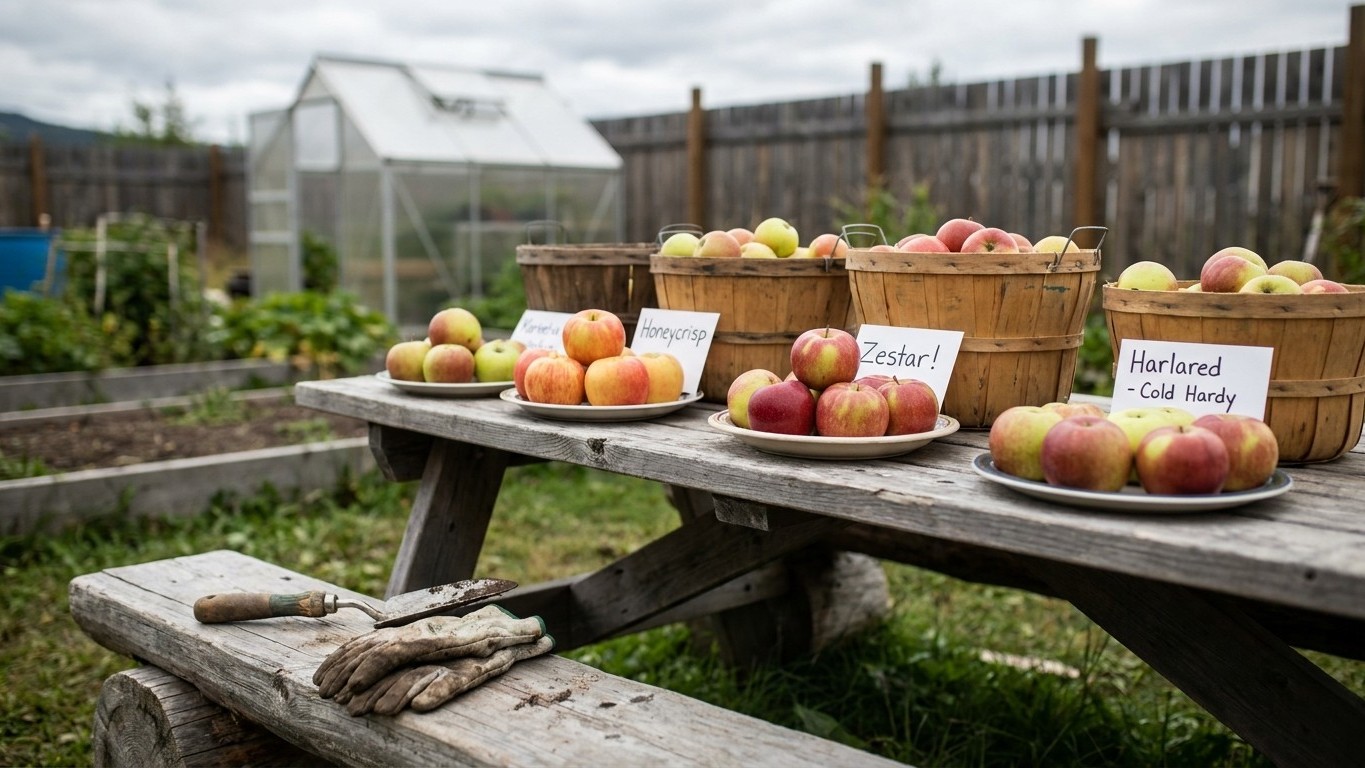
Yukon’s short, cold season rules out most orchard apples, leaving extreme-hardy crab type trees and a sheltered microsite as the realistic path to fruit.
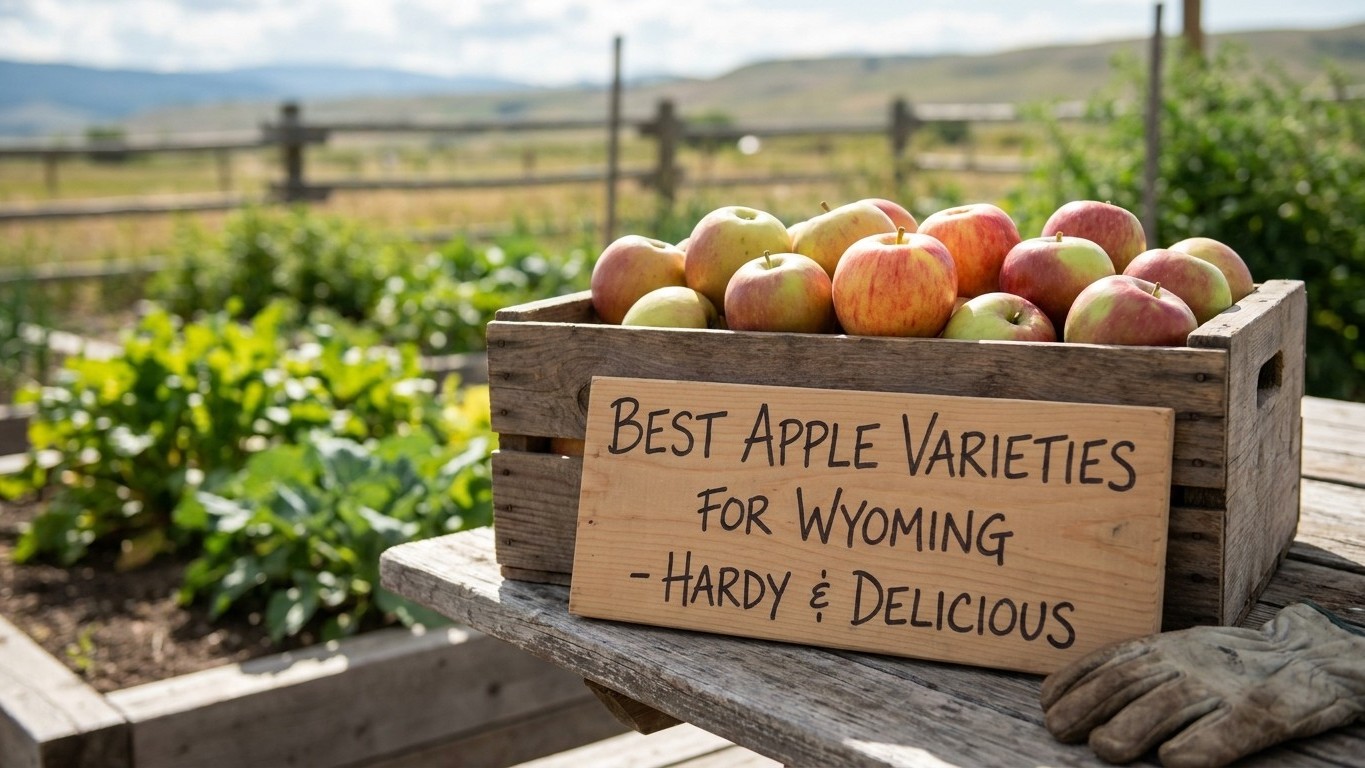
Wyoming’s short frost window and cold winters mean hardiness, bloom timing and rootstock choice decide whether apple trees survive and fruit here.
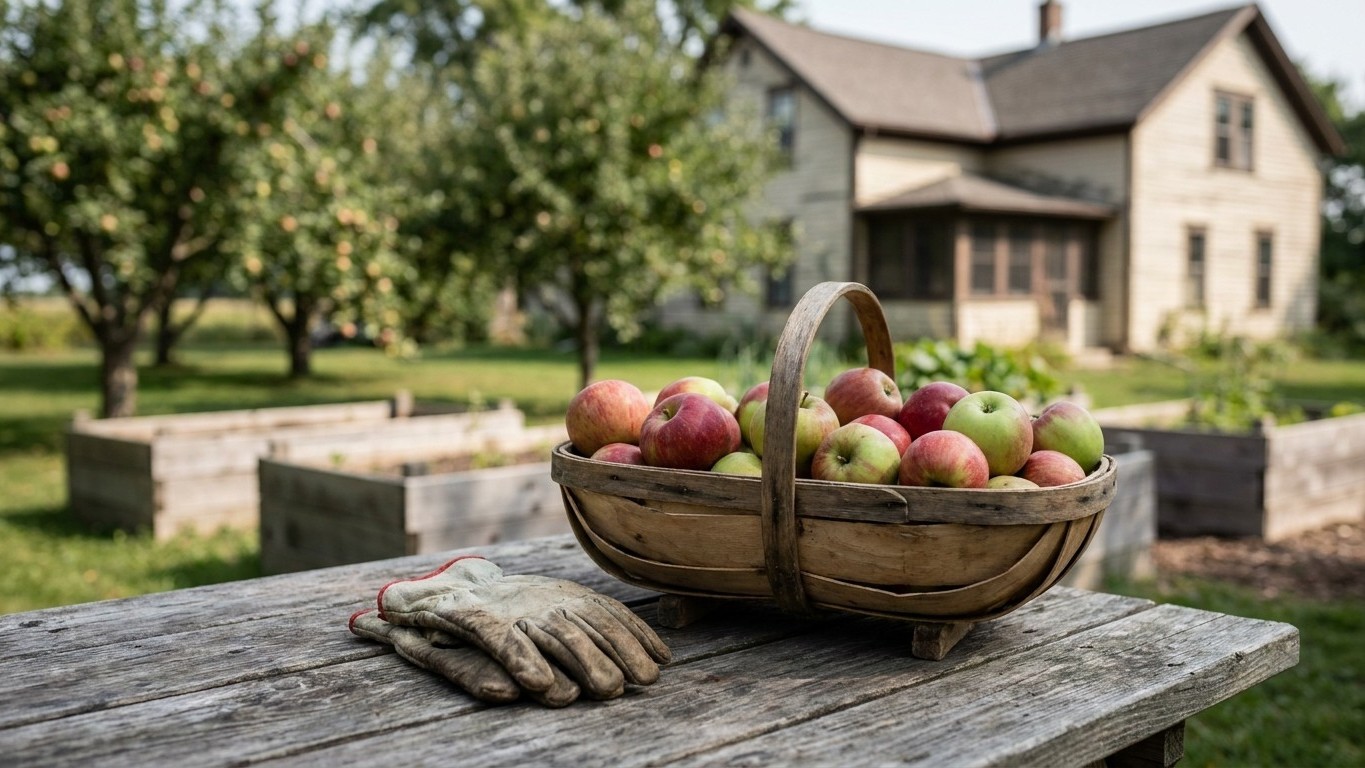
A stage-by-stage guide to dormancy, bloom, and harvest timing for Wisconsin apples, based on NOAA frost data and where the state’s climate differs.
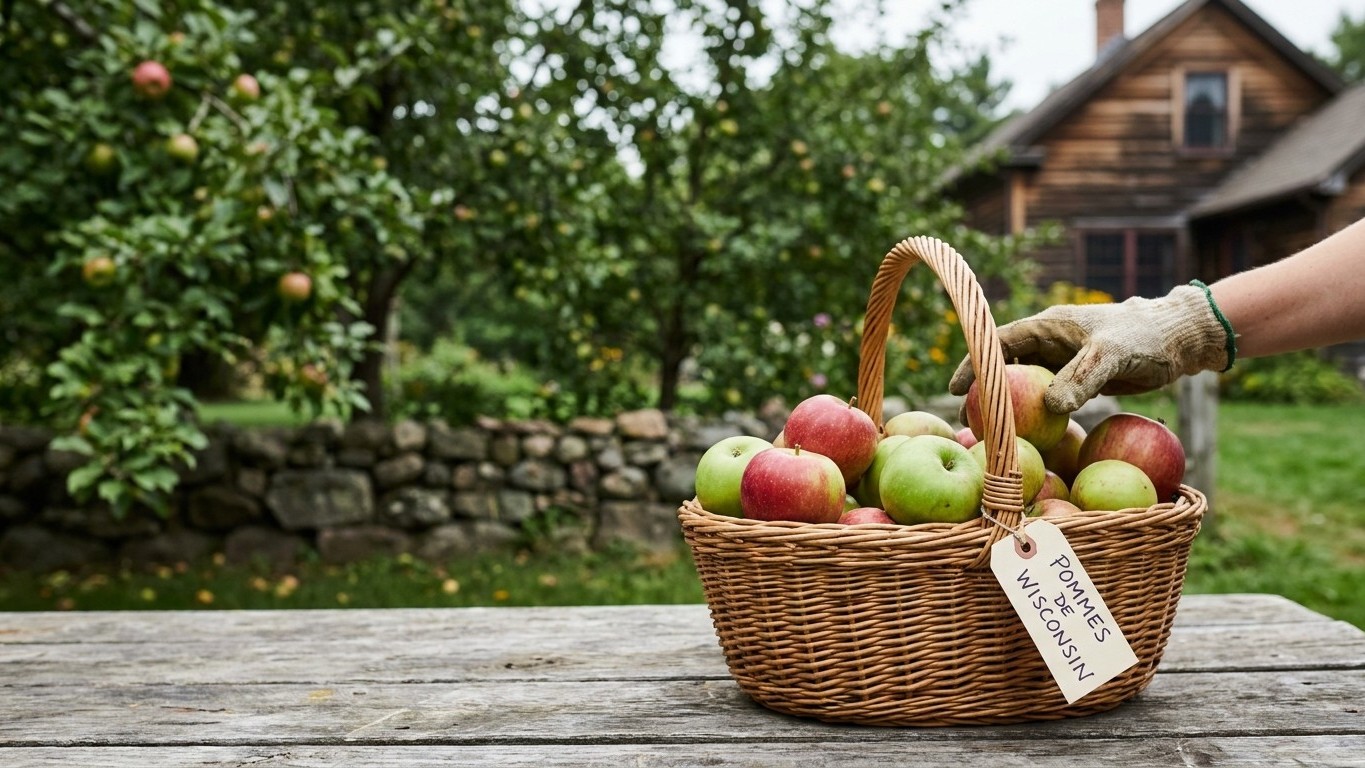
This page explains how to check a cultivar’s winter hardiness and chill needs against Wisconsin’s frost dates before you buy an apple tree.
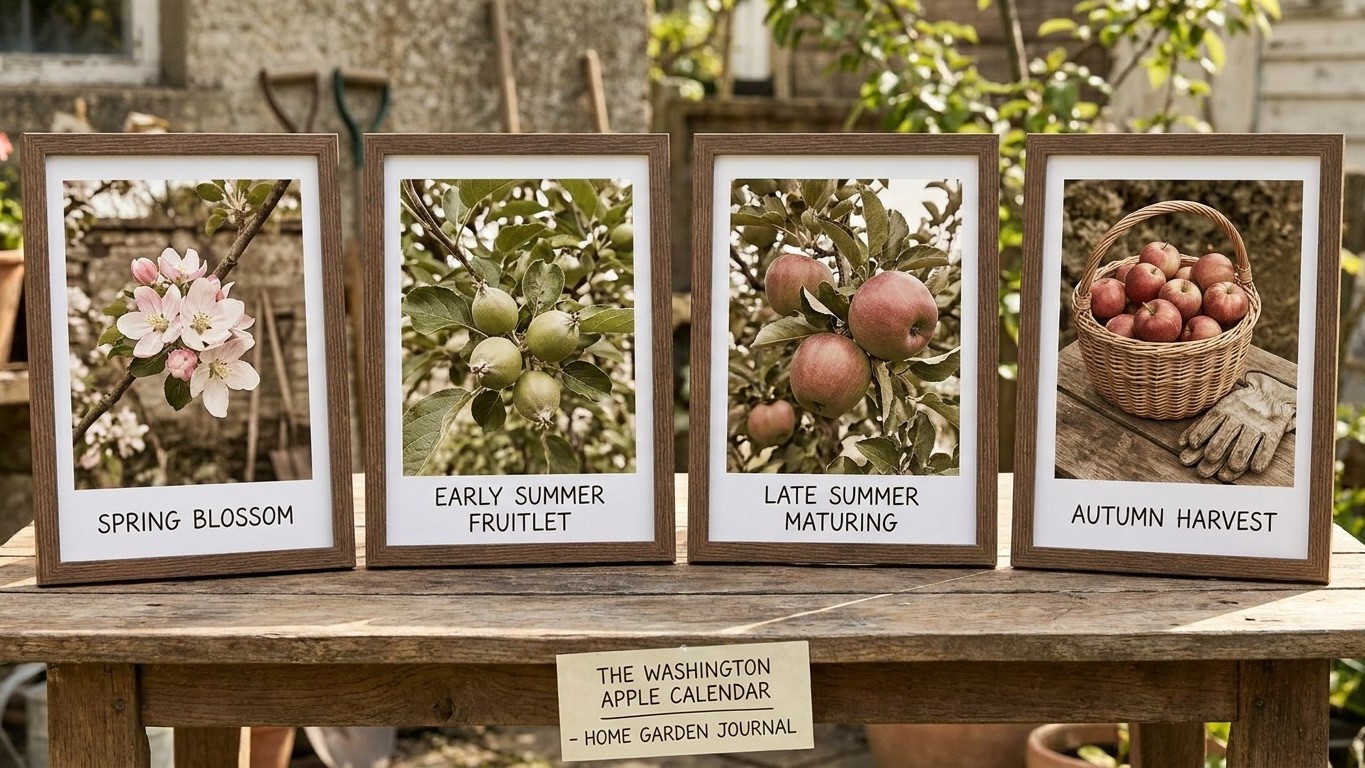
Washington’s apple calendar tracks bud stage against NOAA’s Seattle frost dates, since eastern Washington’s growing regions run on their own timeline.
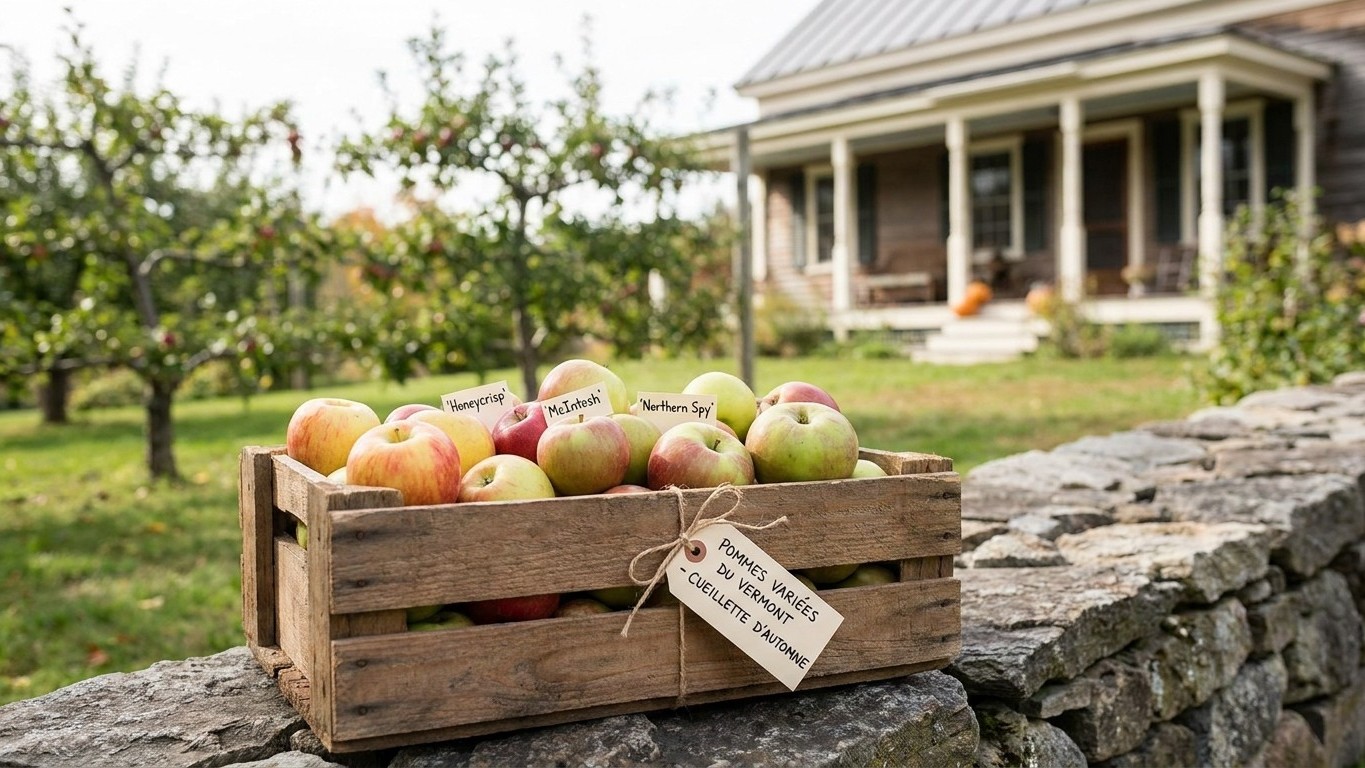
Vermont apple success depends on matching a tree’s winter hardiness and bloom timing to your local frost window, not a variety’s reputation.
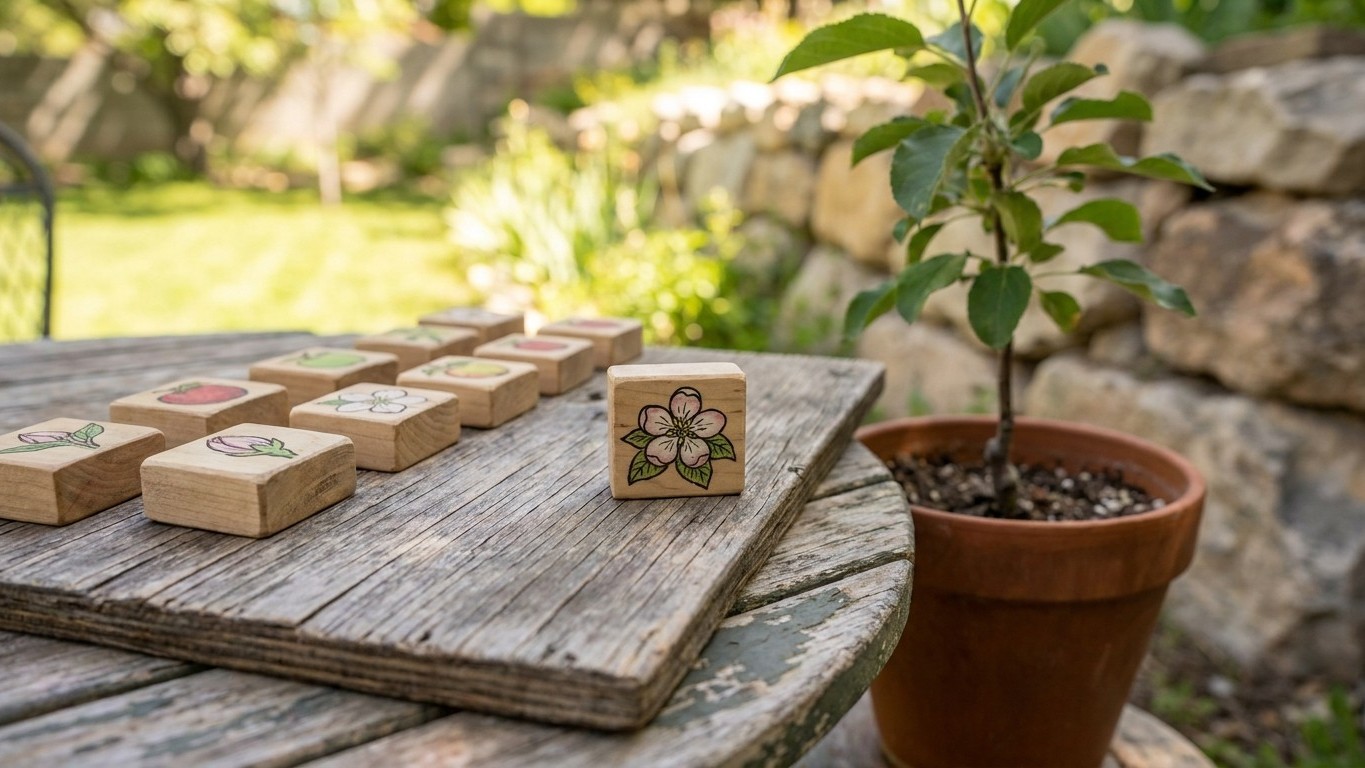
Utah’s apple bloom and harvest dates track frost stages, not months. This page walks through each stage using Salt Lake City’s NOAA frost data and regional differences.
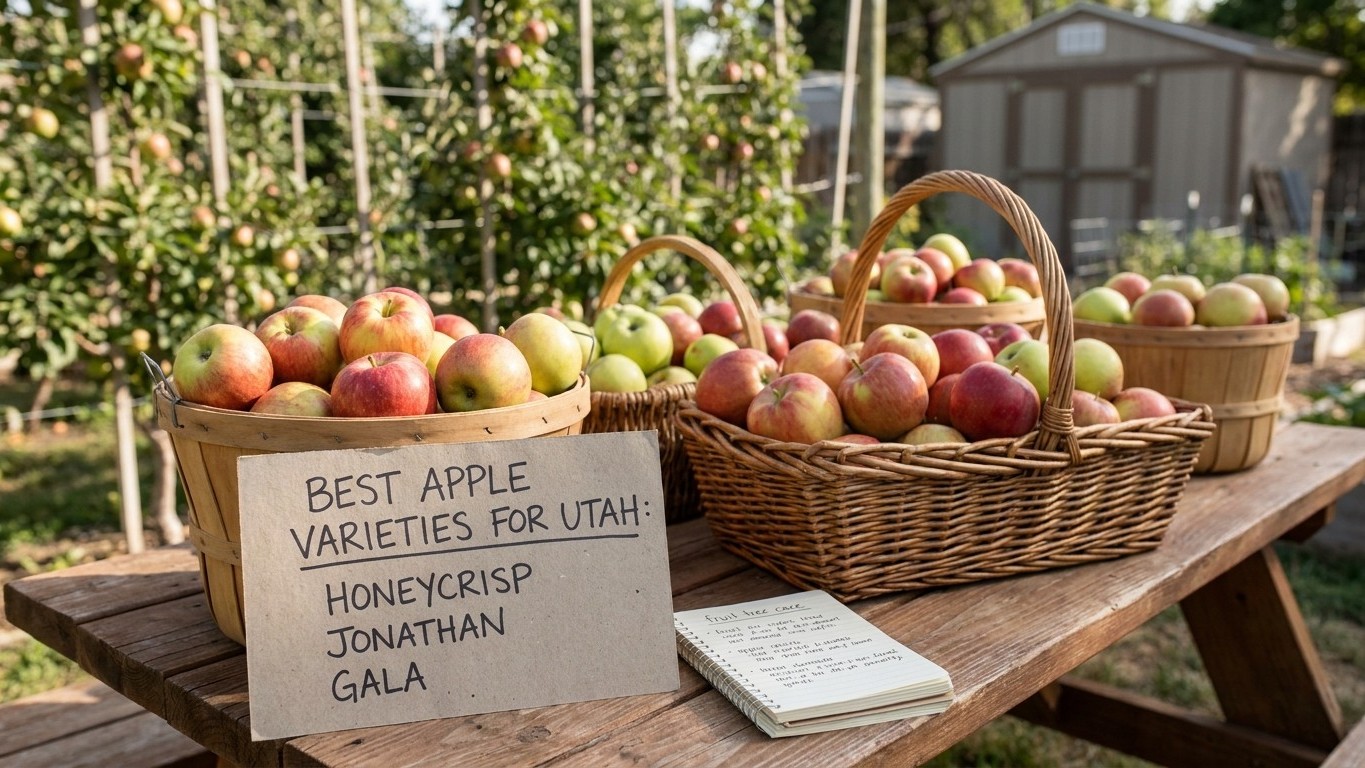
Utah apple success depends on matching bloom timing, hardiness, and chill needs to your county’s own frost dates, not a statewide pick.