Keeping These Roots Through the Winter
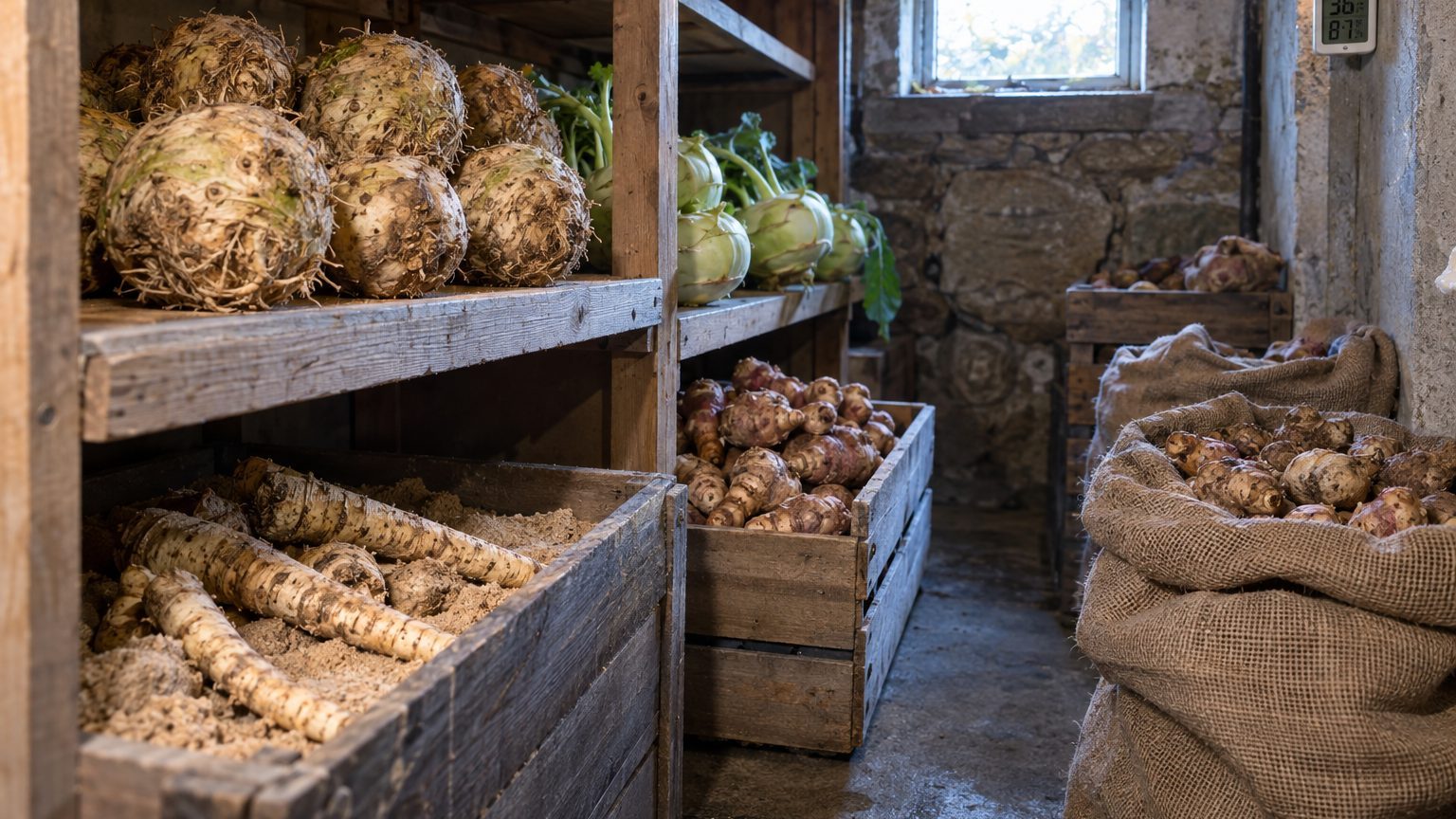
Cold, damp and dark: that is the recipe for storing unusual roots, and it works for most of them.
Home & garden, state by state
Cold, damp and dark: that is the recipe for storing unusual roots, and it works for most of them.
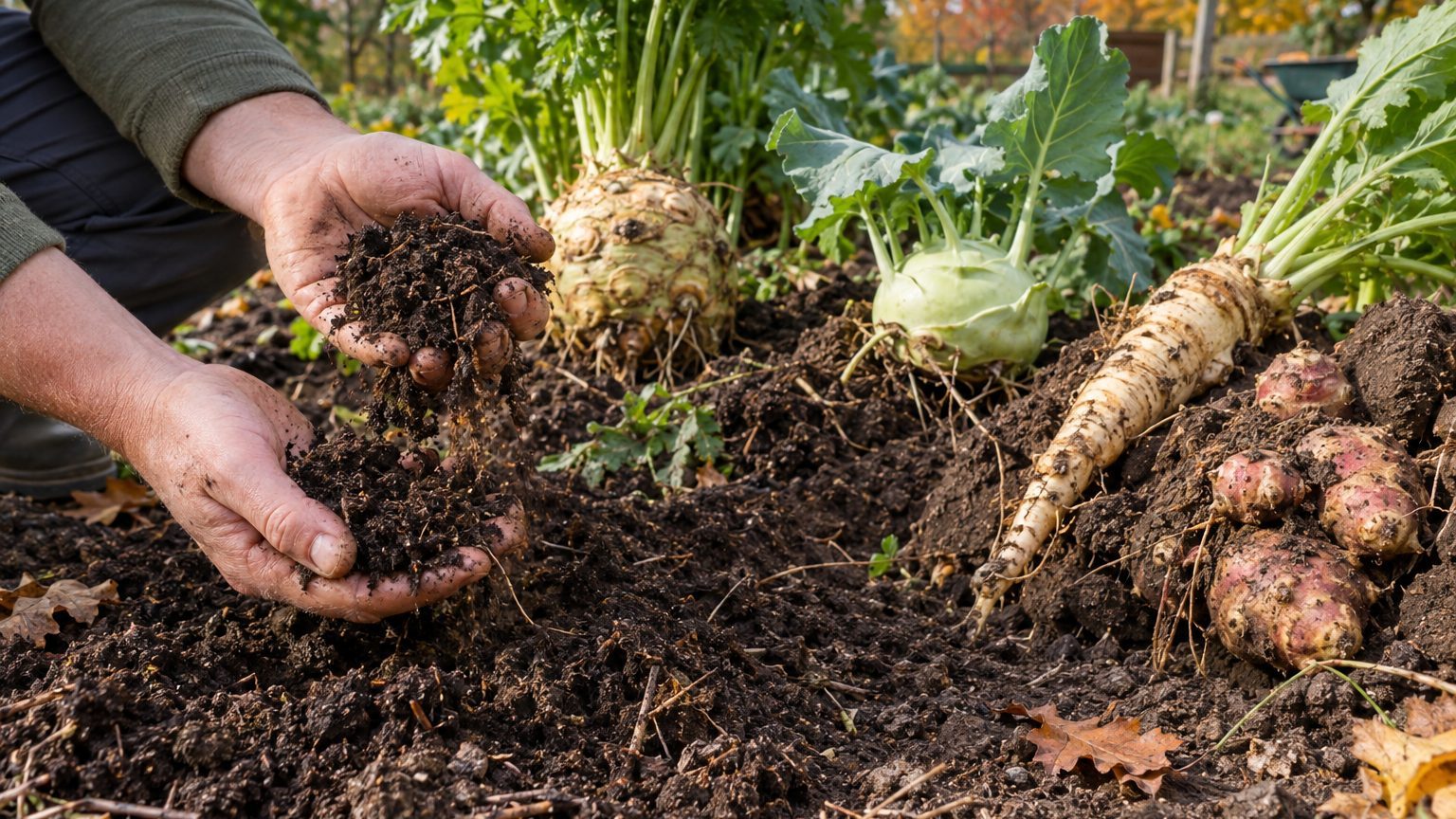
Four crops, three different soil personalities. Celeriac wants rich, moist ground and punishes neglect. Kohlrabi wants fertile soil that isn’t acidic.
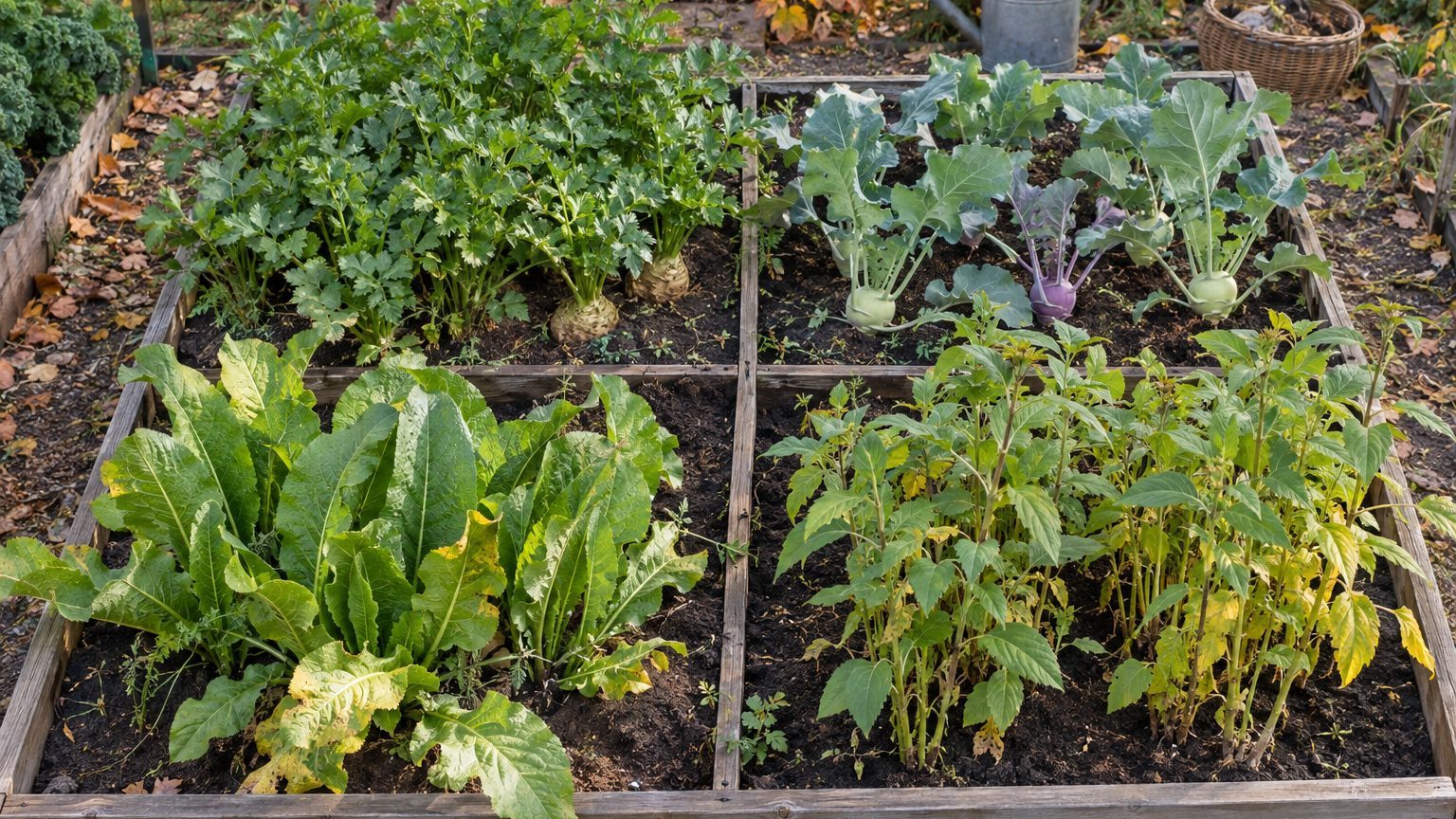
Four crops, four families? Not quite. Celeriac belongs to the carrot family (Apiaceae), kohlrabi and horseradish are both brassicas (Brassicaceae), and…
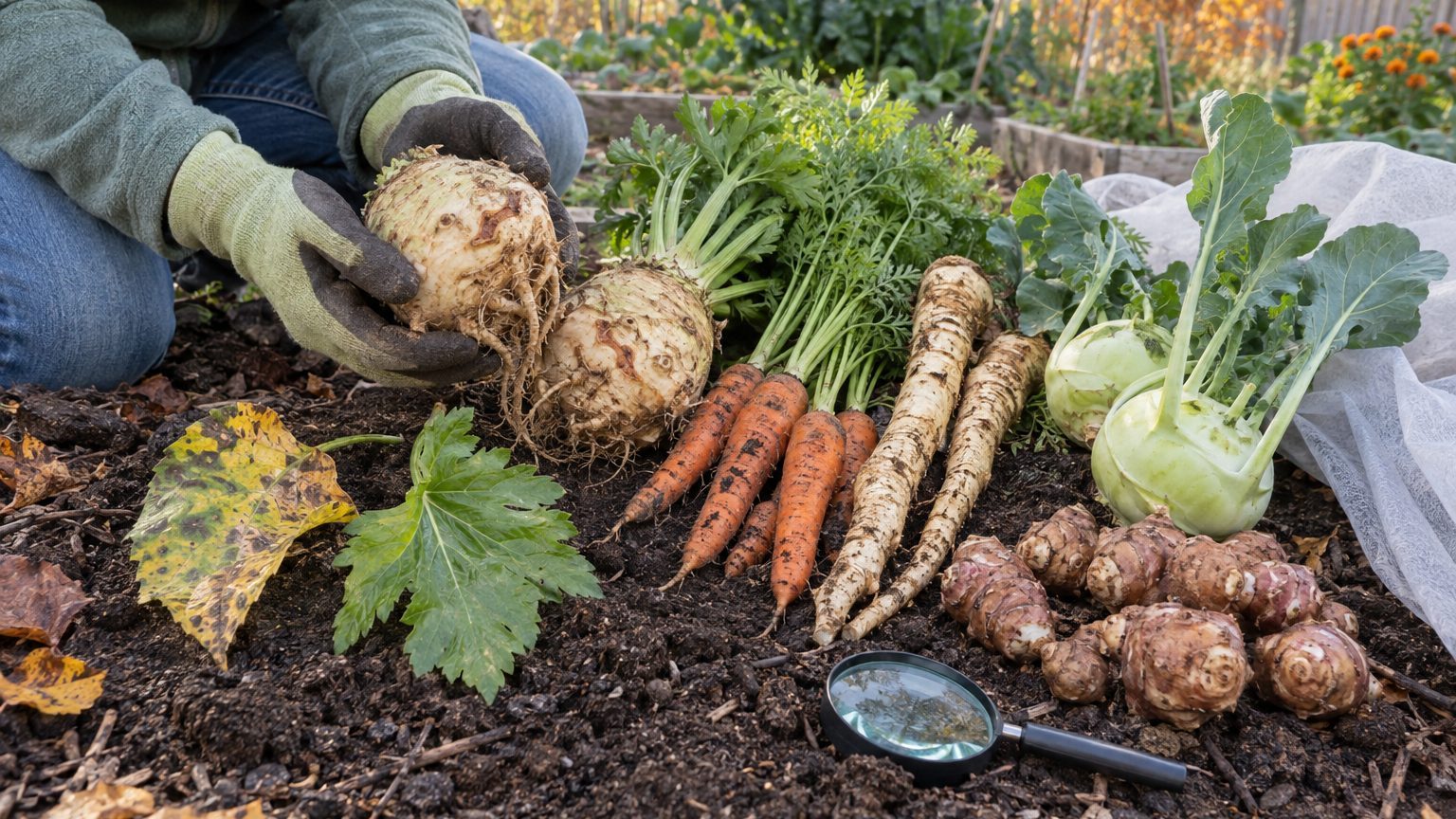
Each of these four crops has its own short list of troublemakers, and the lists overlap less than you’d expect.
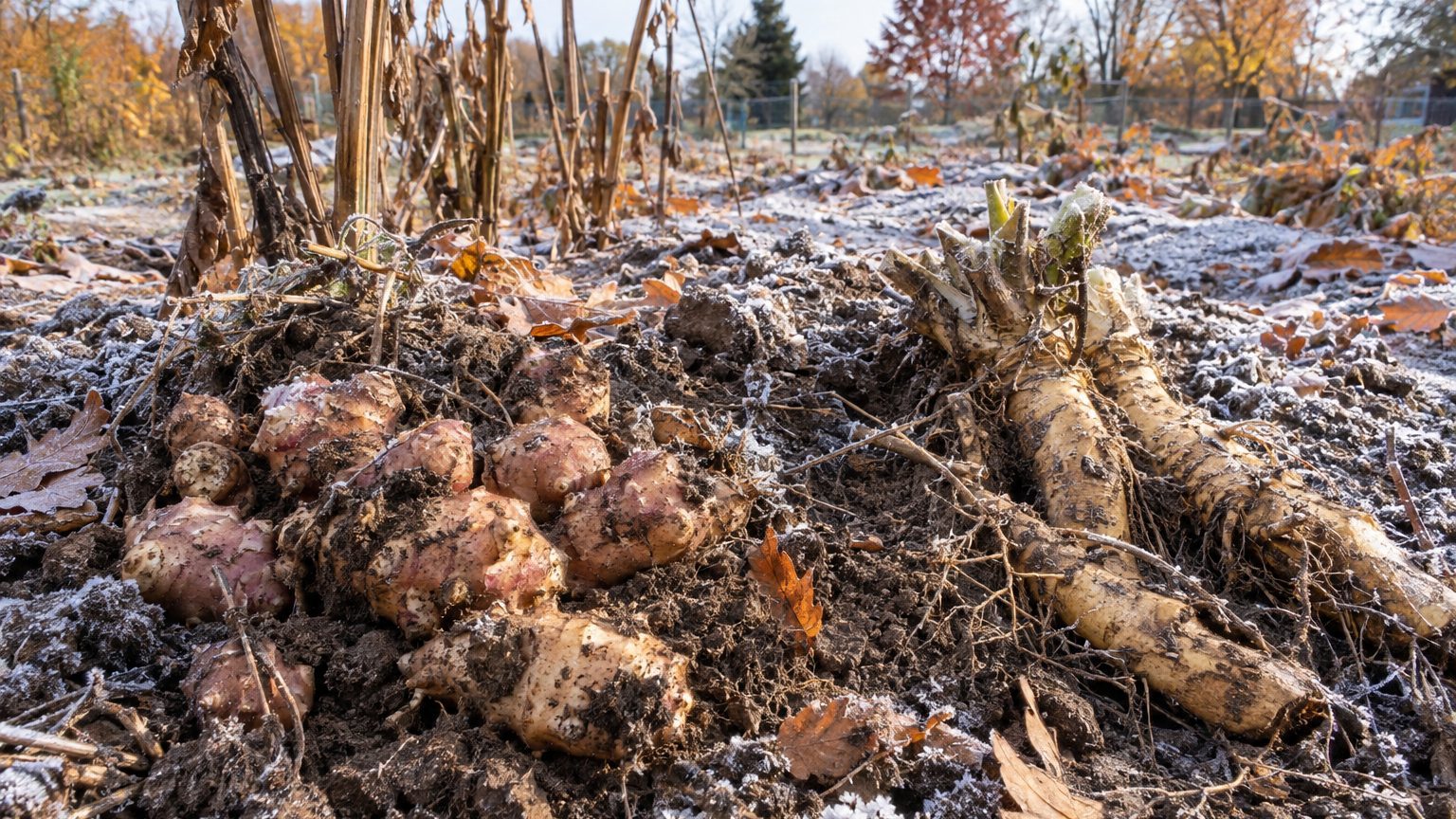
Two of the four stay put without complaint. Jerusalem artichokes and horseradish are hardy perennials that do better, and taste better, when left in the…
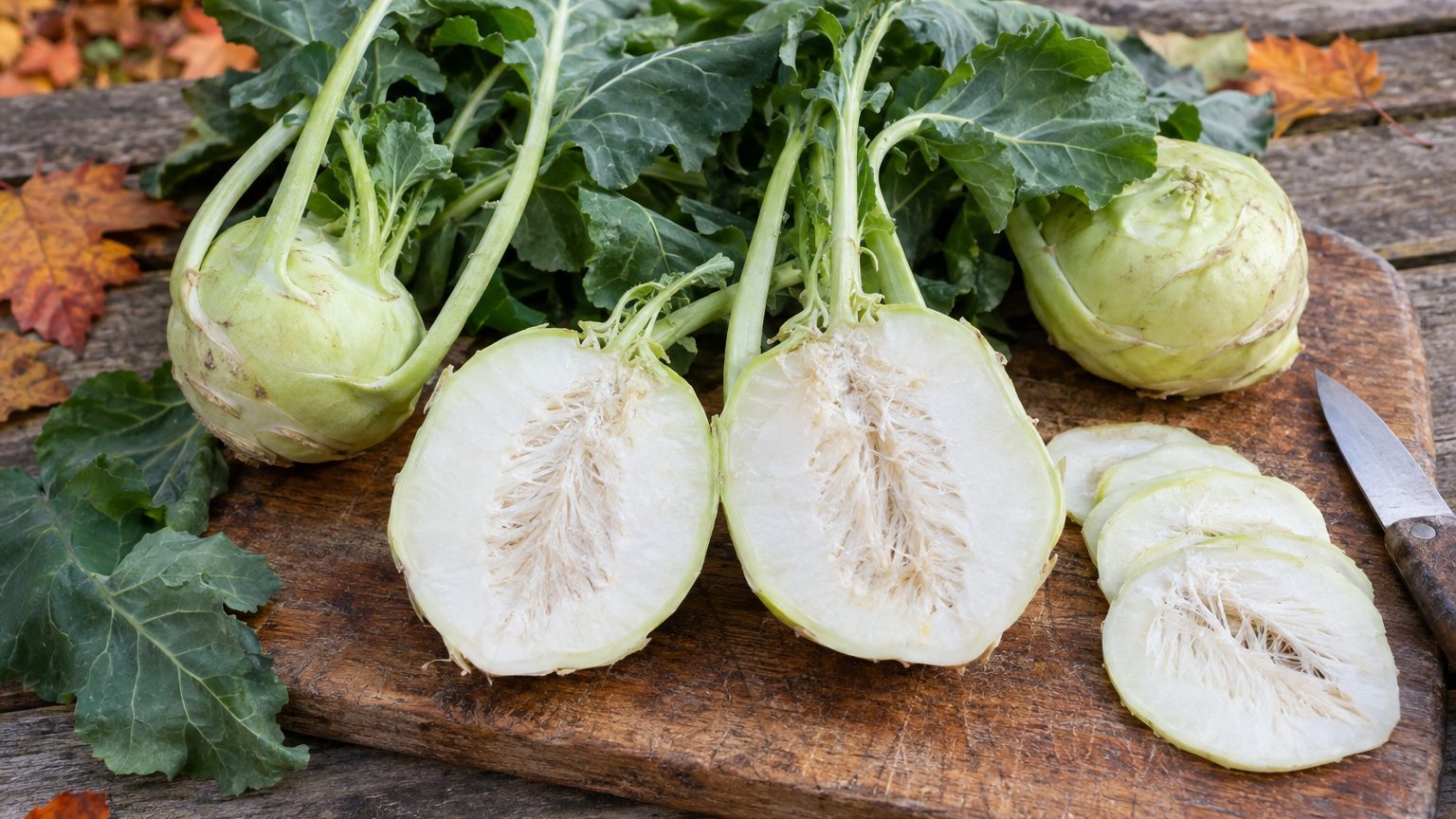
Kohlrabi turns woody when growth stalls, and stalled growth almost always traces back to heat, dry spells, crowding, or simply waiting too long to pick.
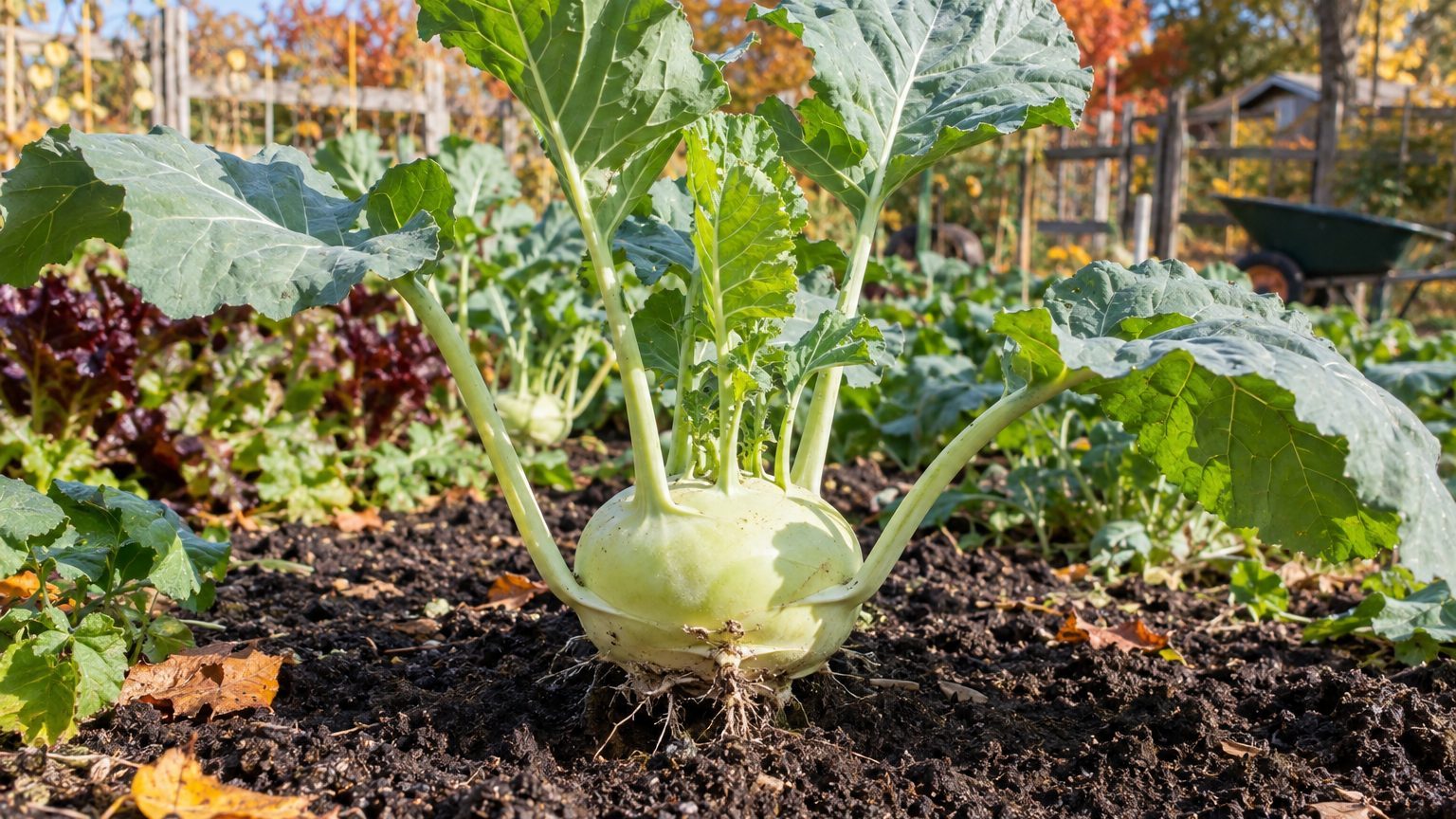
Kohlrabi is ready to eat roughly 45 to 60 days after sowing, which makes it the fastest crop in the unusual-roots family. It also isn’t a root.
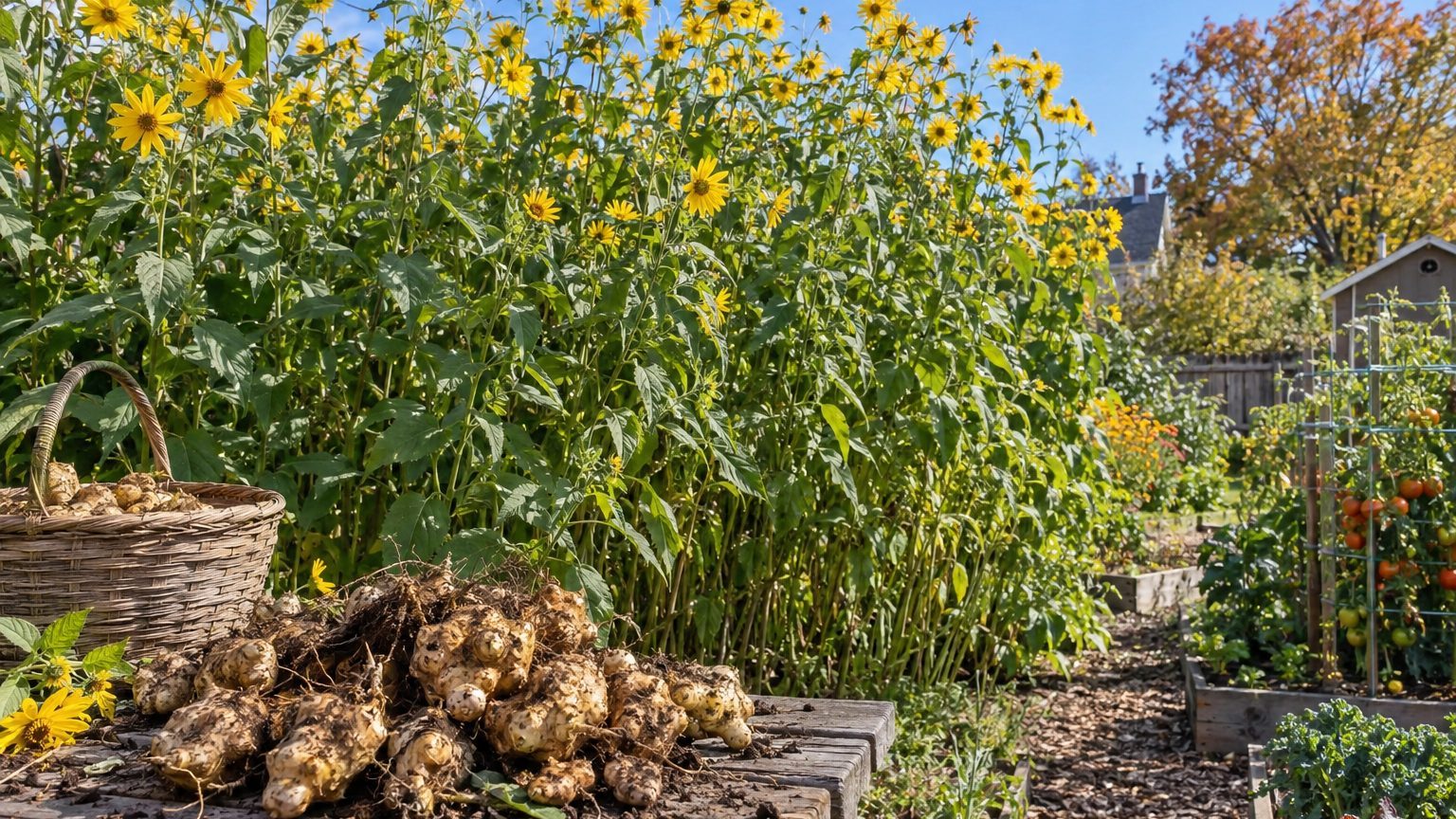
Plant Jerusalem artichokes (also sold as sunchokes) once, in a spot you are happy to give up for good.
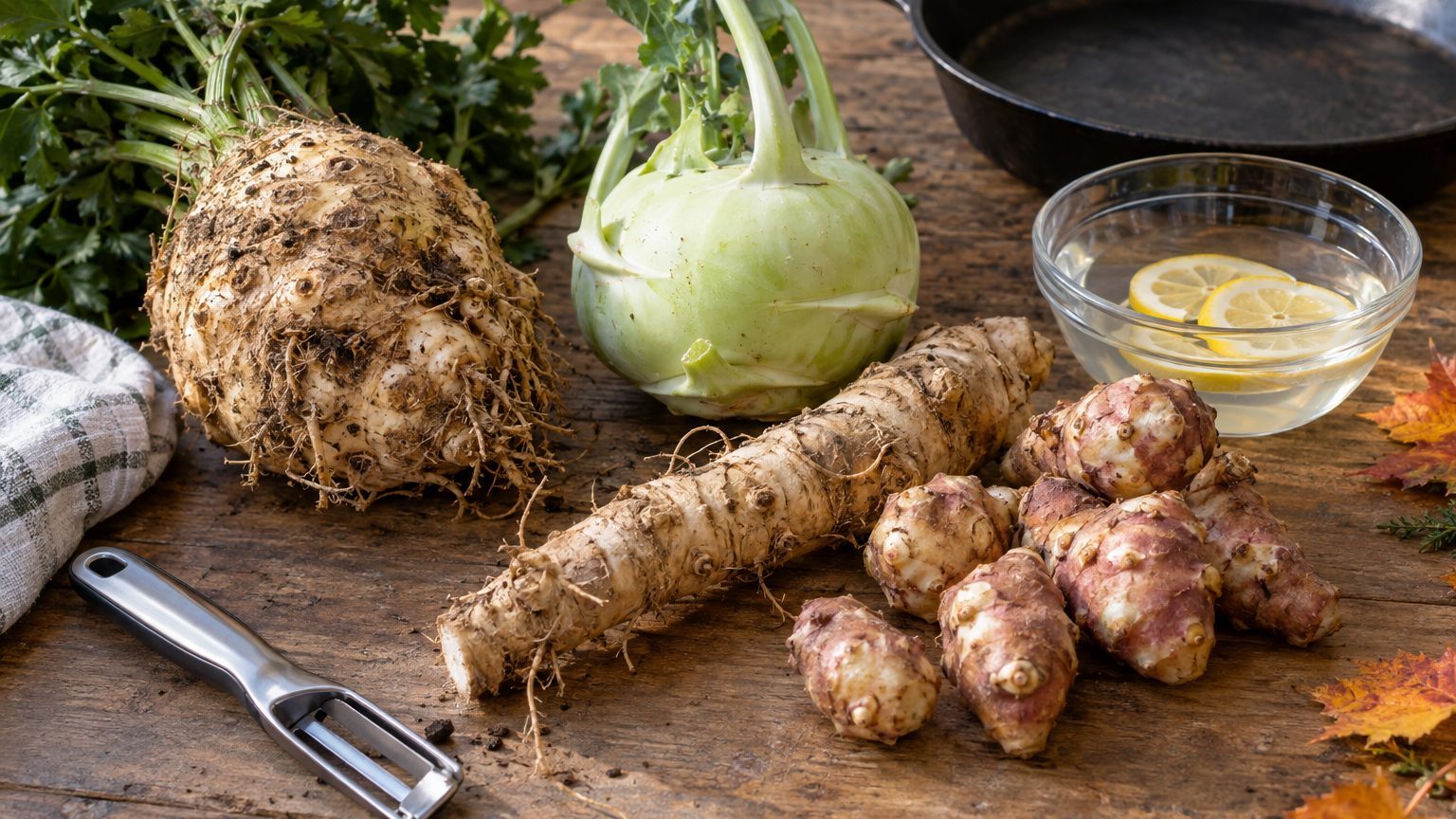
Roast the celeriac and the Jerusalem artichokes, shred the kohlrabi raw, and grate the horseradish into a sauce.
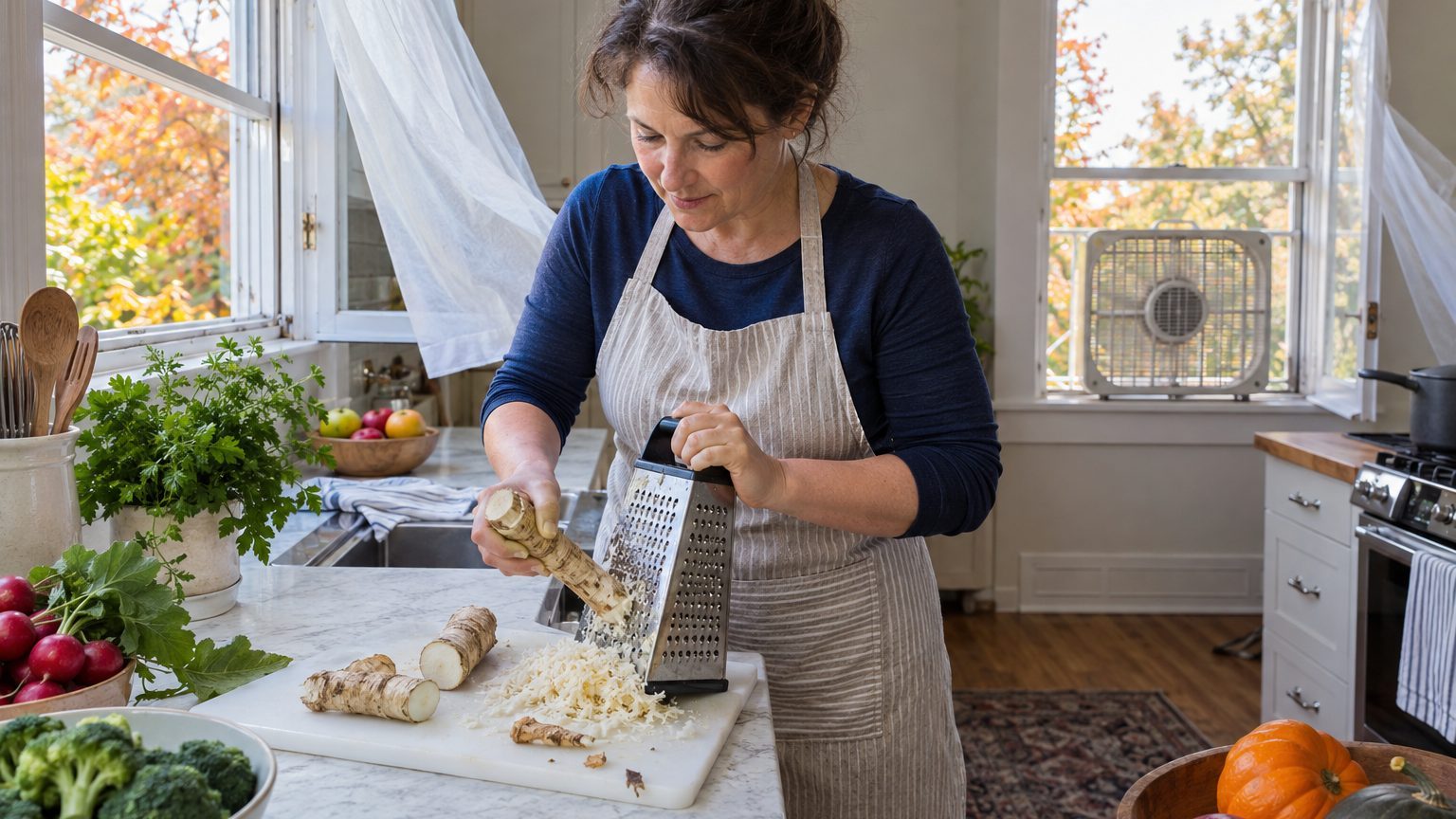
Open two windows, point a box fan outward, and grate the root where the fumes can escape.