Skip to content

The Homestead Post

Home & garden, state by state

  • Home
  • Garden
    • Flowers
    • Lawn
    • Soil & Compost
    • Trees & Shrubs
    • Vegetables
  • Home Care
    • Electrical
    • Foundations
    • HVAC
    • Plumbing
    • Roofing
  • Energy
    • Heating & Cooling
    • Insulation
    • Rebates & Credits
    • Solar
  • Pests
    • Ants
    • Mosquitoes
    • Rodents
    • Termites
    • Ticks
  • Decor
    • Bedrooms
    • Kitchens
    • Living Rooms
    • Outdoor Spaces
  • DIY
    • Repairs
    • Tools
    • Weekend Projects
  • State Guides
    • Northeast
      • Connecticut
      • Maine
      • Massachusetts
      • New Hampshire
      • New Jersey
      • New York
      • Pennsylvania
      • Rhode Island
      • Vermont
    • Southeast
      • Alabama
      • Arkansas
      • Delaware
      • Florida
      • Georgia
      • Kentucky
      • Louisiana
      • Maryland
      • Mississippi
      • North Carolina
      • South Carolina
      • Tennessee
      • Virginia
      • West Virginia
    • Midwest
      • Illinois
      • Indiana
      • Iowa
      • Kansas
      • Michigan
      • Minnesota
      • Missouri
      • Nebraska
      • North Dakota
      • Ohio
      • South Dakota
      • Wisconsin
    • Southwest
      • Arizona
      • New Mexico
      • Oklahoma
      • Texas
    • West
      • Alaska
      • California
      • Colorado
      • Hawaii
      • Idaho
      • Montana
      • Nevada
      • Utah
      • Wyoming
    • Pacific Northwest
      • Oregon
      • Washington
    • Canada
      • Alberta
      • British Columbia
      • Manitoba
      • New Brunswick
      • Newfoundland and Labrador
      • Northwest Territories
      • Nova Scotia
      • Nunavut
      • Ontario
      • Prince Edward Island
      • Quebec
      • Saskatchewan
      • Yukon

What Eats Pumpkin in West Virginia, and When
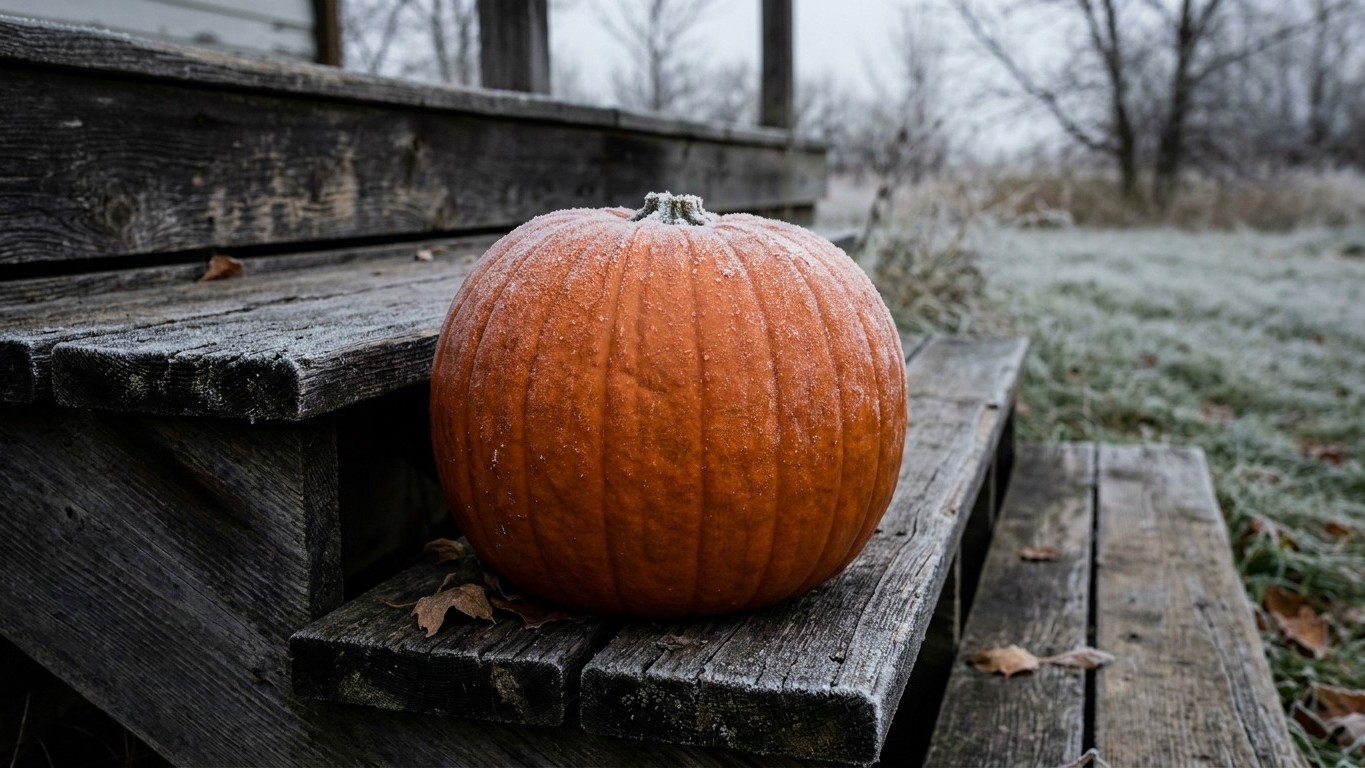
A mature orange pumpkin rests on a weathered wooden bench in an autumn garden setting with bare trees in the background.

Squash bugs and cucumber beetles get most of the blame for lost pumpkins, but in West Virginia the calendar can take as big a bite as any insect.
When to Plant Okra in Prince Edward Island

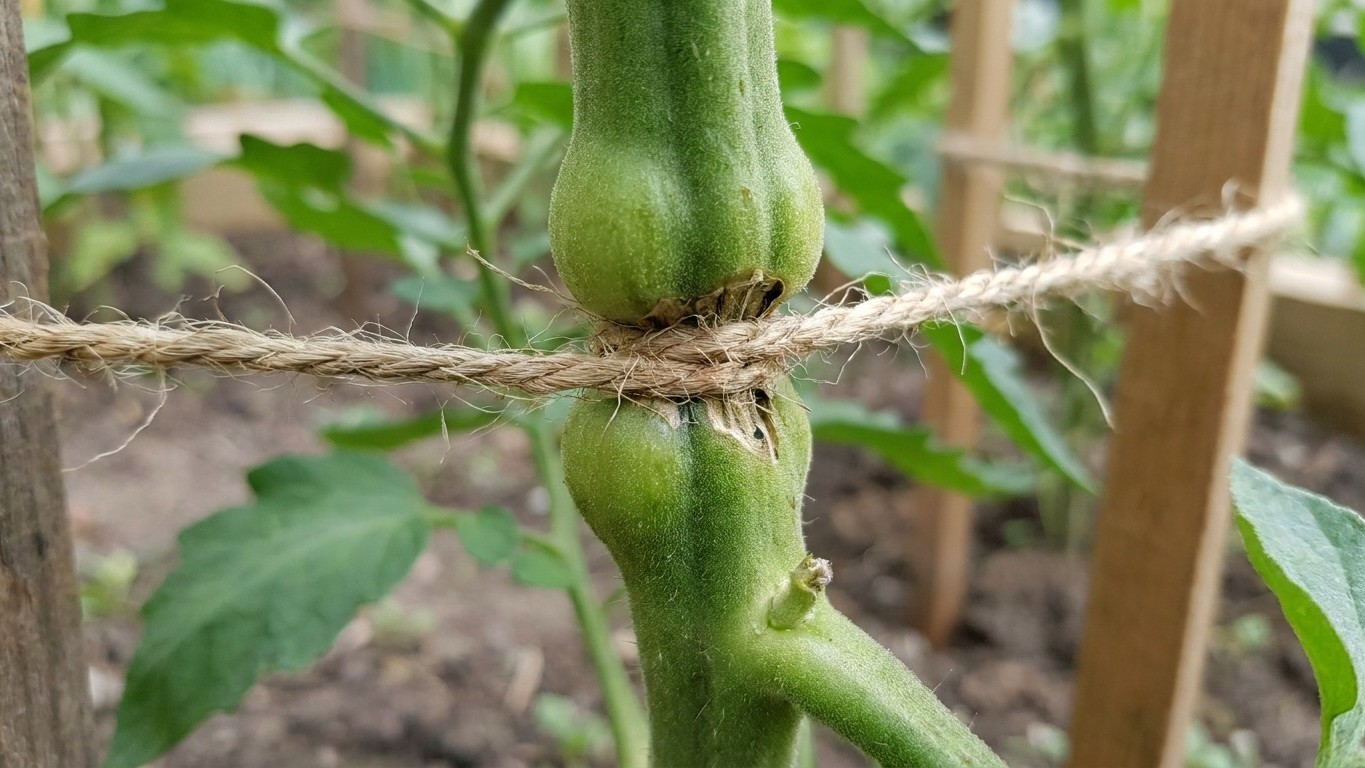
Immature green okra fruits developing on a garden plant supported by twine, showing typical pod texture and arrangement.

In Prince Edward Island, okra goes outdoors as transplants in late May to early June, not as seed in early May.
What Eats Corn in Nova Scotia, and When

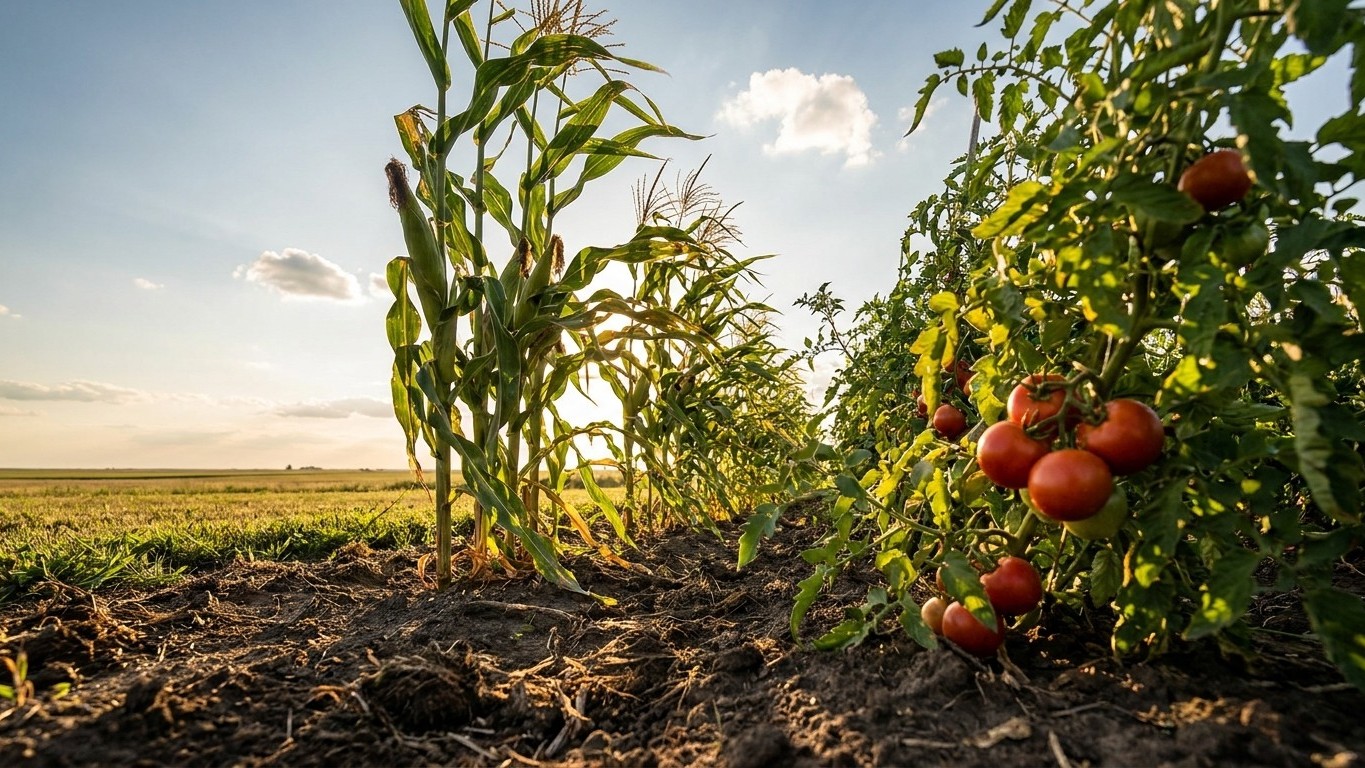
A productive vegetable garden showing mature corn stalks and tomato plants laden with ripe red fruit under bright summer sunlight.

In Nova Scotia, sweet corn is eaten up by the calendar before anything else. The soil has to reach 60 F, which happens well after the average last frost…
What Eats Pumpkin in Washington, and When

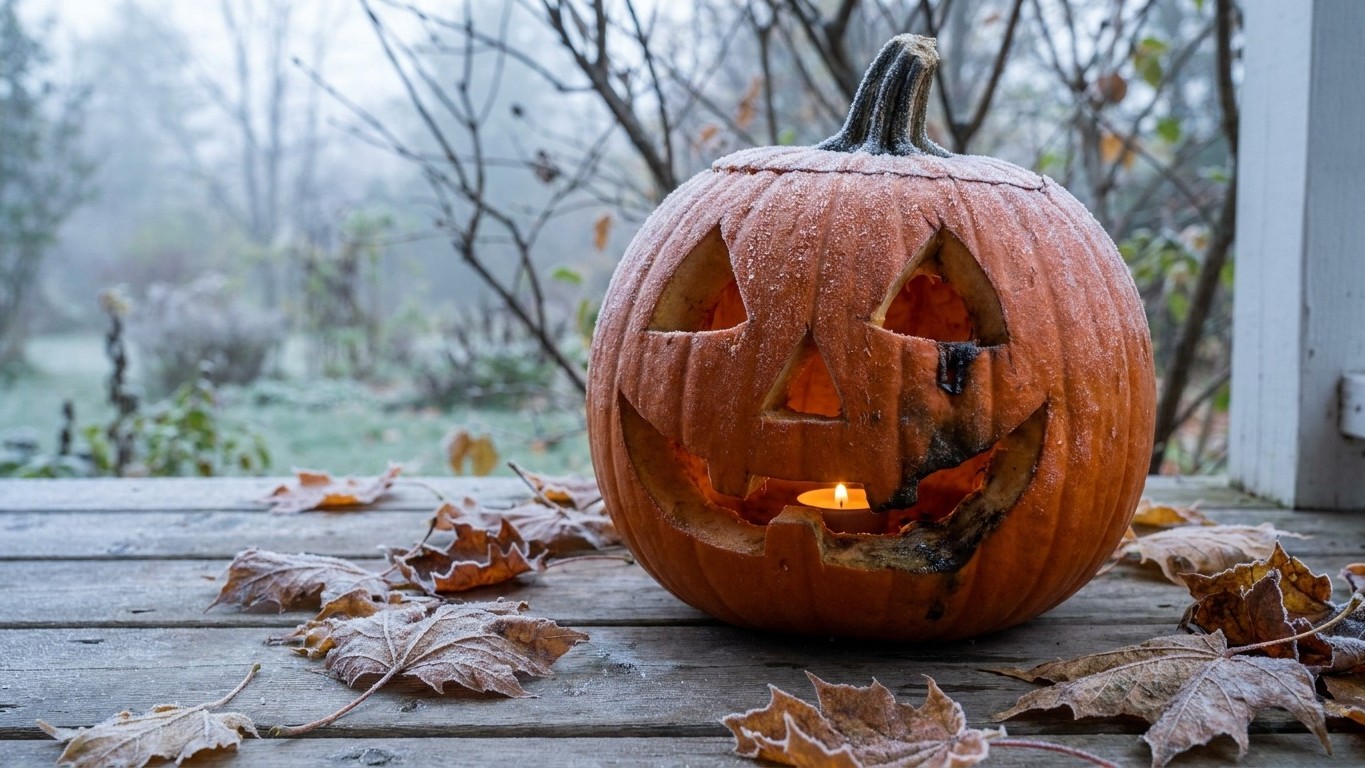
A carved jack-o'-lantern pumpkin with glowing candle sits on a wooden surface surrounded by fallen leaves in an autumn setting.

In western Washington, the thing that eats most pumpkin crops is the calendar.
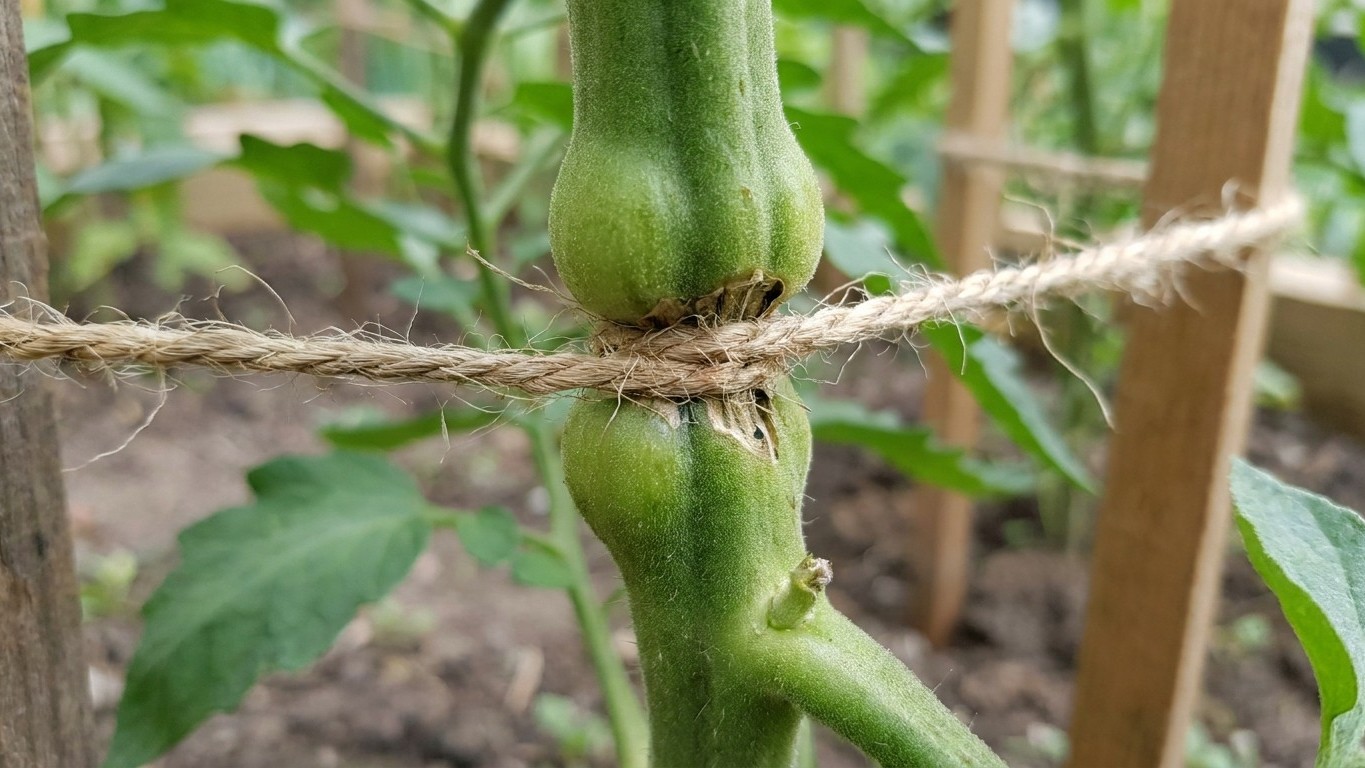
The Best Okra to Grow in Prince Edward Island

Immature green okra fruits developing on a garden plant supported by twine, showing typical pod texture and arrangement.

On Prince Edward Island, the best okra is an early-maturing, compact type, started indoors and set out only after nights have settled.
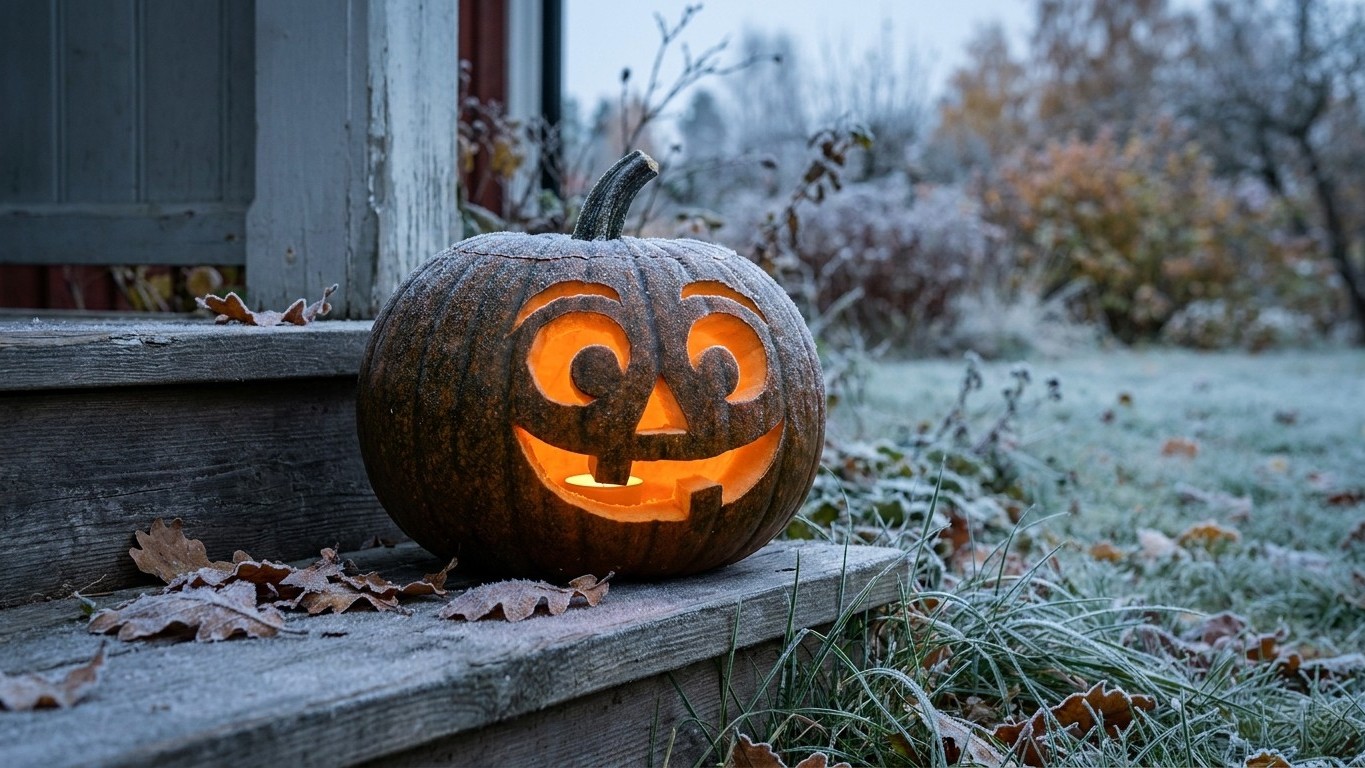
What Eats Pumpkin in Rhode Island, and When

A glowing carved jack-o-lantern pumpkin sits on a frost-covered front porch with autumn foliage visible in the blurred background.

Frost is what ends most Rhode Island pumpkins, but the damage is usually settled weeks earlier, by the day the flower opened.
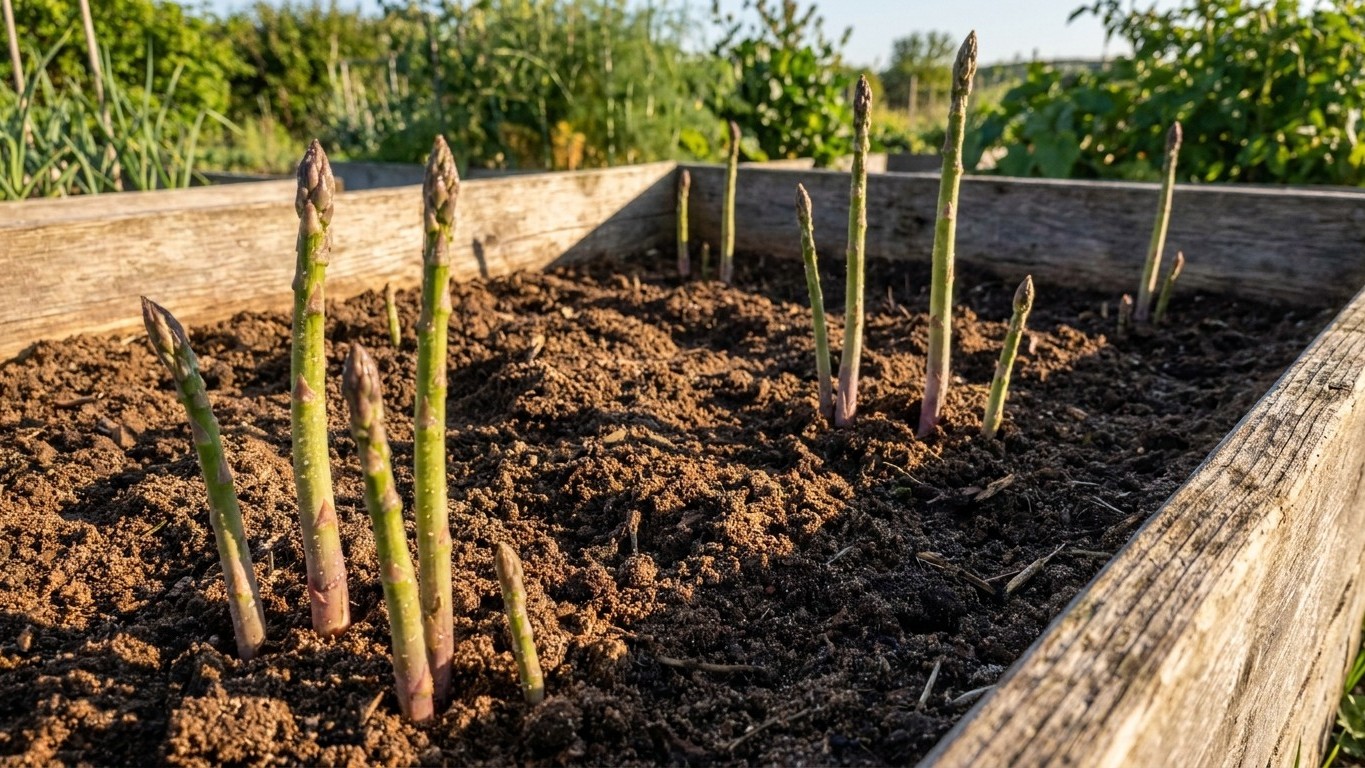
When to Stop Cutting Asparagus in Georgia, and How to Keep the Spears

Young asparagus spears pushing through rich dark soil in a wooden raised garden bed on a sunny spring day.

Stop cutting when most of the spears coming up are thinner than a pencil. That signal matters more than any date on a Georgia calendar.
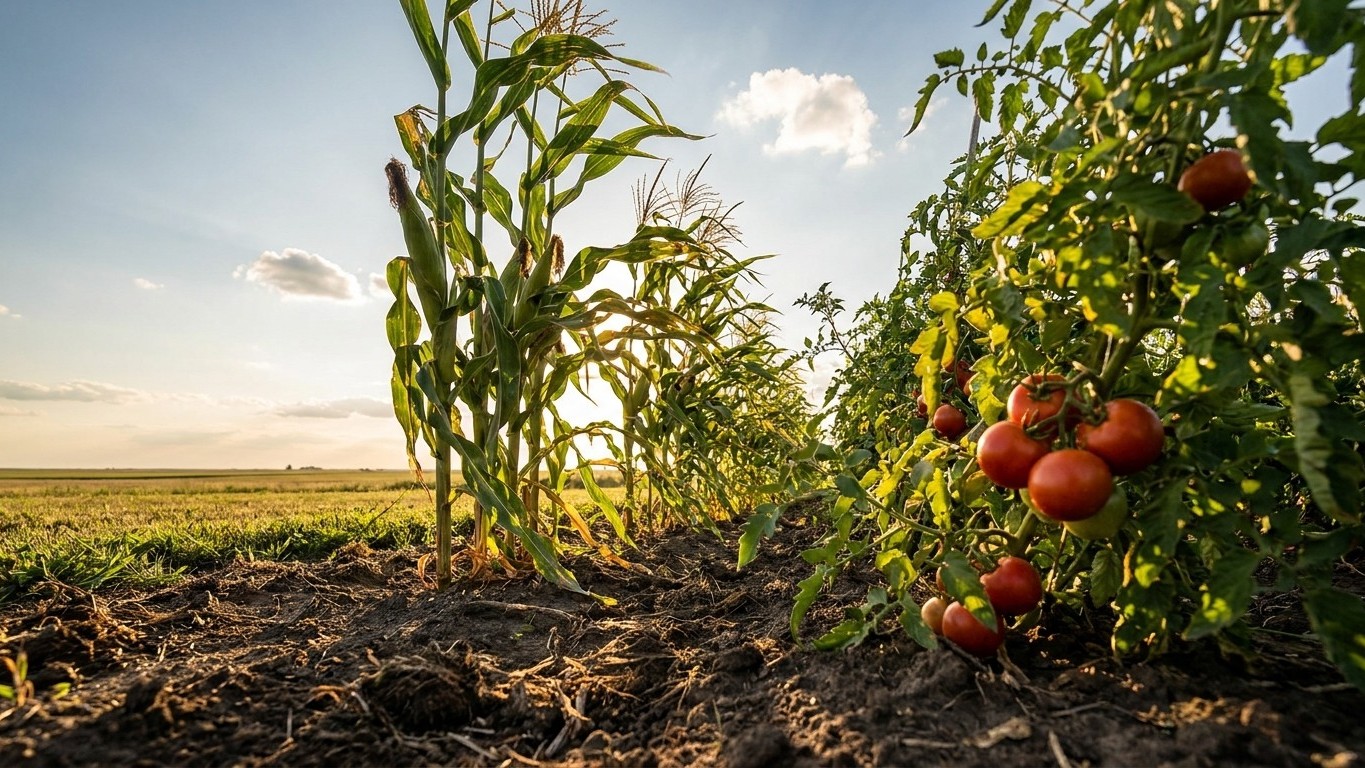
What Eats Corn in Northwest Territories, and When

A productive vegetable garden showing mature corn stalks and tomato plants laden with ripe red fruit under bright summer sunlight.

Up here, three things eat into a sweet corn crop, and they arrive in a fixed order. First, spring soil too cold to wake the seed.
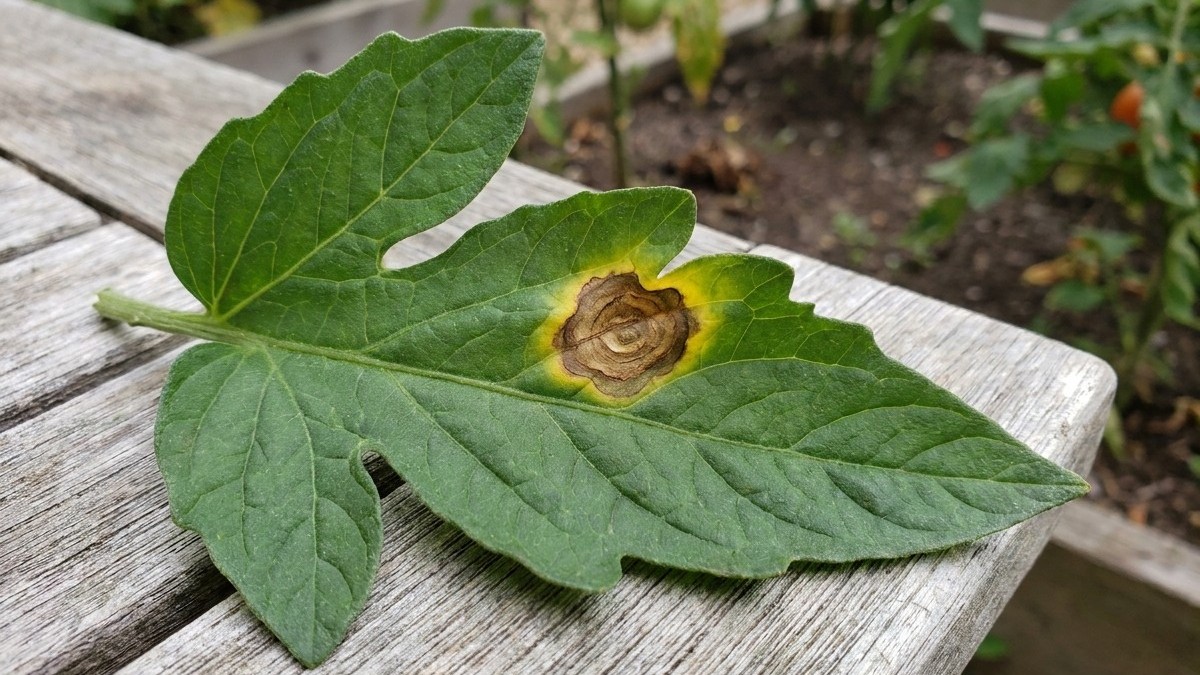
When to Plant Okra in Pennsylvania

Okra leaf displaying a fungal or bacterial disease with a brown necrotic center surrounded by a yellow halo on weathered wooden surface.

In Pennsylvania, plant okra only after the last spring frost has passed and the soil feels warm.
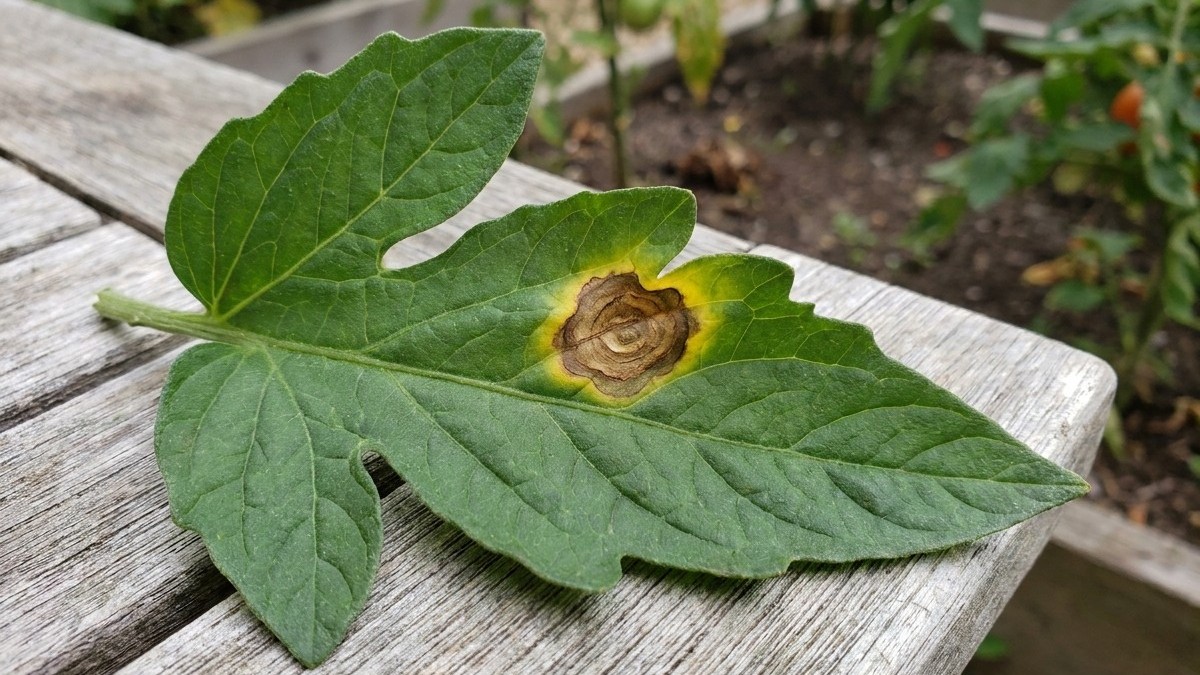
The Best Okra to Grow in Pennsylvania

Okra leaf displaying a fungal or bacterial disease with a brown necrotic center surrounded by a yellow halo on weathered wooden surface.

For most Pennsylvania gardens, the best okra is an early-maturing, compact type, either a hybrid or a spineless standard bred for a shorter season.

Older posts
Newer posts
← Previous Page1 … Page78 Page79 Page80 … Page676 Next →

The Homestead Post

Home and garden advice with the numbers attached — written for your climate, your season and your local rules.

Sections

  • Garden
  • Home Care
  • Energy
  • Pests
  • Decor
  • DIY

Popular states

  • California
  • Texas
  • Florida
  • New York
  • Pennsylvania
  • Ohio
  • Georgia
  • North Carolina
  • All states →

The Post

  • About us
  • Contact
  • Editorial guidelines
  • Affiliate disclosure
  • Privacy policy
  • Terms of use
© 2026 The Homestead Post·Home & garden, state by state