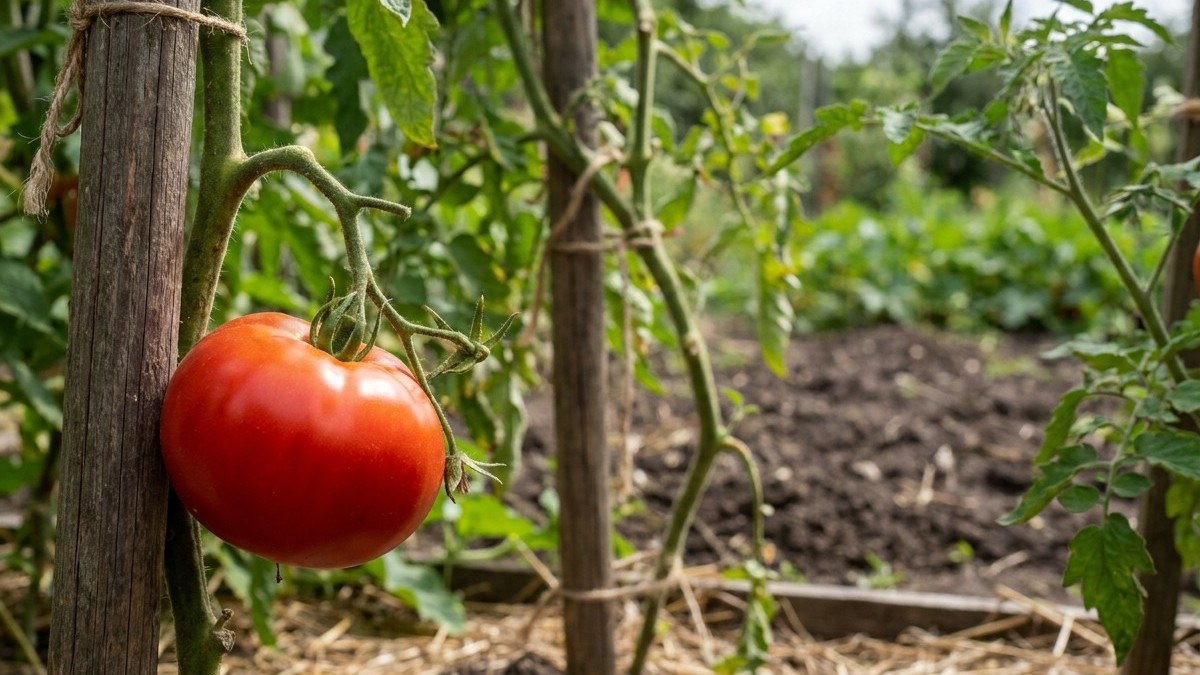

There’s no frost date to plan around in Hawaii, so tomato harvest here comes down to reading the fruit, not the calendar. Pick when the skin colors fully and the flesh gives slightly under gentle pressure; during wetter stretches, pull fruit at first blush and finish ripening indoors before rain splits the skins. Because the islands never see a freeze, growers can stagger plantings and harvests across most of the year, unlike the single frost-bound window mainland guides describe.
When to Pick Tomatoes in Hawaii
No frost line, no fixed calendar
NOAA’s 1991-2020 climate normals for station USW00022521 show every freeze percentile at 32°F and 36°F flagged as not-computable, with zero days per year at or below 32°F. That’s the technical way of saying a freeze essentially doesn’t happen in the places people actually garden. Frost shows up only on the high volcanic summits, Mauna Kea, Mauna Loa, and Haleakala, ground no tomato plant has ever occupied. So the usual “count back from first frost” math that guides harvest timing elsewhere simply doesn’t apply on any inhabited part of the islands.
The USDA Plant Hardiness Zone Map places Hawaii across a striking 9a-13a span, built on one measurement: average annual extreme minimum temperature. That range covers everything from warm coastal flats to cooler upland communities on the same island, so a statewide number tells you almost nothing about your own yard. A garden near sea level on the windward side of an island sits at the warm end of that range, while a plot a few thousand feet up-slope, even on the same island, runs noticeably cooler and slower.
What actually sets your harvest window
With frost out of the picture, three things decide when your tomatoes are ready: elevation, rainfall pattern, and whether your garden faces windward or leeward. Higher elevation means cooler nights, which slows ripening and can stretch the time a fruit hangs on the vine before it colors up. Windward exposures catch more regular rain, which keeps skins under more pressure and often pushes growers to pick a little earlier than they would on a drier leeward slope. None of this is a countdown to a single date. It’s closer to reading local weather day by day, deciding whether this week’s rain risk outweighs a few more days of vine-ripening.
What to do with the green ones
Why you’d pick early here
Hawaii growers pull green tomatoes for reasons that have nothing to do with cold. A tropical downpour moving in, especially after a dry stretch, is the classic trigger: fruit that’s absorbed a sudden jump in soil moisture is prone to splitting right at the shoulder, and a cracked tomato left on the vine turns into an easy target for rot. Heavy wind ahead of a storm system does similar damage, knocking fruit against stakes or the ground. Some growers also pick green simply to clear a vine that’s finished its productive run and needs to come out for the next planting, since there’s no forced end-of-season the way frost creates on the mainland.
Kitchen options for the green harvest
Green tomatoes pulled ahead of a storm aren’t a loss, they’re just a different ingredient. Firm, unripe fruit holds up well sliced and pan-fried, and it’s the standard base for pickled tomato relishes and green tomato chutney, both of which use the tomato’s tartness and firmness rather than working against them. Smaller green fruit can go straight into a quick refrigerator pickle, ready within days rather than weeks. None of this requires special equipment, just a decision to treat green tomatoes as their own category instead of an unfinished version of a ripe one.
Ripening indoors, and how long they keep
Speeding it up
A green or breaker-stage tomato ripens fastest at room temperature, out of direct sun, in a paper bag or loosely closed box. Fruit gives off ethylene gas as it matures, and enclosing it traps that gas around the tomato, speeding up the color change. Tucking a ripe banana or apple into the same bag adds extra ethylene and can shorten the wait further, a trick that works the same way in a Hilo kitchen as it does anywhere else. Direct sun on a windowsill is worth avoiding, not because light itself matters much to ripening, but because it can overheat fruit that’s already sitting in a warm island climate.
Keeping mold out in a humid climate
Ambient humidity is the bigger obstacle here compared with drier mainland climates, and it changes how you should ripen fruit indoors. Tomatoes packed tightly in a sealed container in a humid house are more prone to surface mold than the same fruit ripened in a drier region, so a loosely closed bag with some airflow, checked daily, works better than a fully sealed one. Spacing fruit out rather than stacking it, and pulling out anything that shows a soft or discolored patch right away, keeps one spoiling tomato from taking down the rest of the batch. Most fruit finishes color change within a matter of days once it’s off the vine and sitting at room temperature, though pace varies with how far along it was when picked.
What goes wrong here
Splitting, rot, and sun damage
Cracking is the most common complaint, and it traces straight back to rainfall swings rather than anything wrong with the plant. A dry week followed by a sudden heavy rain sends a rush of water into the fruit faster than the skin can stretch, and the result is a split, usually right where the shoulder meets the stem. Irregular watering produces a related problem, blossom end rot, where the blossom end of the fruit turns dark and sunken because calcium isn’t reaching the fruit evenly, a symptom of moisture inconsistency more than a nutrient shortage in the soil itself.
Fruit exposed to direct tropical sun after nearby foliage thins out can develop sunscald, a pale, leathery patch on the shoulder facing the light. And once fruit is off the vine, the same humidity that helps plants grow works against stored tomatoes, encouraging mold on anything bruised or nicked during picking. Local growers dealing with recurring issues can find region-specific guidance through the University of Hawaii’s CTAHR extension service, which fields questions tied to specific islands and elevations rather than the state as a whole.
Common questions
Does Hawaii have a fall tomato harvest deadline tied to frost?
No. NOAA’s climate normals for the islands show zero days at or below 32°F in inhabited areas, so there’s no frost-driven deadline forcing a final harvest. Timing decisions come from rainfall and storm risk instead.
Can tomatoes ripen on the vine year-round in Hawaii?
In principle, yes, since freezing weather never interrupts the growing season at garden elevations. In practice, growers often pick ahead of heavy rain or wind rather than letting fruit ripen fully on the vine every time.
What’s the fastest way to ripen a green tomato indoors?
A loosely closed paper bag at room temperature, kept out of direct sun, works well. Adding a ripe banana or apple to the bag boosts ethylene exposure and can shorten the wait.
Do all parts of Hawaii share the same tomato harvest timing?
No. The USDA hardiness range across the islands spans 9a to 13a, and elevation plus windward or leeward exposure changes rainfall and temperature enough that two gardens on the same island can be weeks apart in timing.