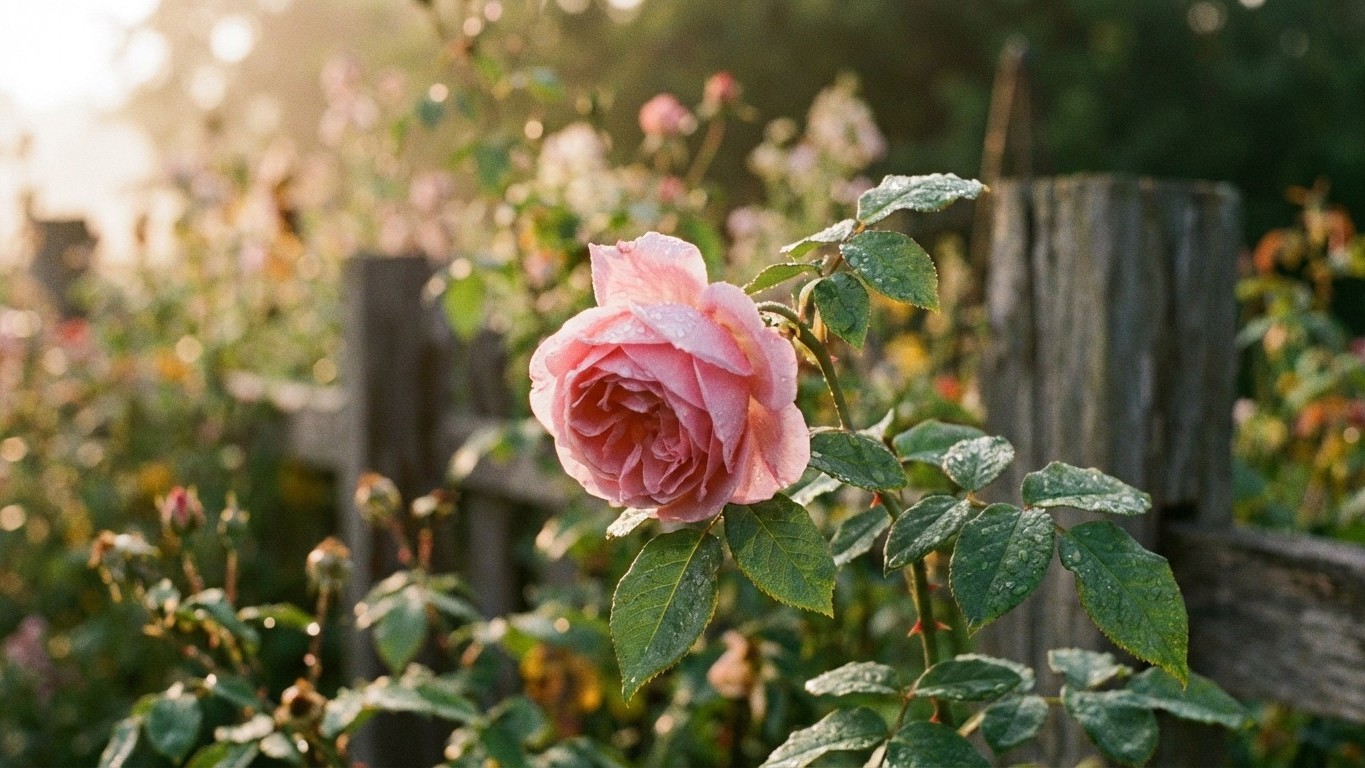

In Kentucky, container roses go in after the last spring frost, which falls between March 24 and April 4 in Louisville. Bare-root plants can go in earlier, while still dormant, as soon as the ground is workable. Give them at least six hours of sun, choose varieties bred to resist black spot, and expect Japanese beetles in July.
When to plant Roses in Kentucky

Louisville is the reference city. NOAA’s 1991-2020 Climate Normals put the last spring frost between March 24 and April 4, and the first fall frost between November 2 and November 12. Both ranges are the 30 to 70 percent probability band for a 32F freeze. They describe one urban station, not the whole state. Northern Kentucky and higher-elevation ground run later in spring and earlier in fall, and NWS Louisville cautions that its own urban readings differ from the rural parts of Jefferson County. If you garden out in the country, assume a tighter window than the numbers above.
Bare-root and container roses
Most Kentucky gardeners start with plants, not seed, and there are two ways to do it. Bare-root roses arrive dormant in late winter. Plant them in March once the soil is no longer frozen or soggy, after soaking the roots overnight in a bucket of water. Early growth can get nipped by a late frost, so keep an upturned bucket or a bedsheet handy for cold nights.
Container roses are the easier path. Plant them after the frost window closes, so April 4 is the safe date if you want to stop checking forecasts. Plants that spent the spring in a greenhouse need hardening off first. Set them outdoors in part shade for an hour or two, then lengthen the exposure over about a week. Counting back from April 4, that means starting around March 28. On the early end of the range, start around March 17 for a March 24 planting.
Starting from seed
Growing from seed is a hobbyist project. Rose seed from hips needs weeks of cold, damp stratification before it sprouts, and the seedlings take a couple of seasons to reach decent size. The durations below are rule-of-thumb figures. Plan on roughly eight weeks of stratification in the refrigerator, then roughly eight weeks of indoor growth under lights. Work back from an April 4 transplant date. Subtract the one-week hardening-off period and you land on March 28 for moving the pots outside. Eight weeks earlier is about February 1 for sowing indoors. Eight weeks before that is early December for starting the cold treatment. Shift every date about eleven days earlier if you are aiming for the March 24 end of the window.
Early October is an ordering month, not a planting month. Nurseries open spring bare-root reservations now, and the better varieties sell out well before March.
Soil and site preparation
Sun comes first. Roses want six or more hours of direct light, and morning sun is worth more than afternoon sun because it dries dew off the leaves. In Kentucky’s humid summers, wet foliage is how black spot gets started. A bed on the east side of a house, open to air on at least two sides, beats a sheltered corner every time.
Drainage decides whether roses live. Many Kentucky yards sit on heavy clay, which holds water around the crown. Dig a hole about a foot deep, fill it with water, and let it drain. If it is still standing there the next morning, build a raised bed or choose a different spot rather than hoping for the best. Soil that stays wet in winter is a bigger rose killer than cold.
Timing the prep matters more than the planting itself. Fall is the time to work in compost, since it has months to settle and break down. Spread two to three inches over the bed and fork it into the top 8 to 10 inches. Skip sand, which turns clay into something closer to concrete. A soil test through your county extension office tells you pH and nutrient levels before you add anything. Roses do best in slightly acidic soil, around 6.0 to 6.5, and guessing at lime is how people end up with yellow leaves.
In the week before planting, loosen the bed again and mark each spot. Space most shrub and hybrid tea roses about 3 feet apart, and big shrub roses 4 to 5 feet. Crowded plants hold moisture in the canopy, which is exactly what you are trying to avoid. Dig each hole wider than the root ball, set the graft union (the swollen knob where the canes meet the roots) at or just below ground level, firm the soil, and water deeply.
Varieties that suit Kentucky
The traits that matter most here are disease resistance, heat tolerance, and winter hardiness. Kentucky summers are hot, humid, and wet enough to make black spot and powdery mildew routine. A rose that needs a weekly fungicide schedule in Connecticut will need it more here. Repeat bloom matters too, since you want flowers from late spring until frost, not a single flush in May. The useful split is compact shrub versus climber, because it controls where the plant fits and how much pruning it asks for.
The table below lists widely sold varieties and what each is good for. Traits are general reputations. Read the plant tag, because breeding lines change.
| Variety | Type | Good for | Watch for |
|---|---|---|---|
| Knock Out series | Shrub | Repeat bloom, strong black spot resistance, low fuss | Black spot resistance is not rose rosette resistance |
| Drift series | Groundcover | Edging, slopes, small beds, compact habit | Spreads wider than the tag implies in good soil |
| Iceberg | Floribunda | Long bloom season, white flowers, hedges | Can pick up black spot in wet summers |
| New Dawn | Climber | Fences, arbors, trellises, vigorous growth | Needs annual tying and thinning |
| Mister Lincoln | Hybrid tea | Fragrance, cut flowers, classic form | Hybrid teas as a group need more disease attention in humid summers |
My own advice leans toward the first two rows for anyone who wants roses without a spray schedule. Knock Out and Drift types have spread across the country for good reason, and they handle Kentucky heat without sulking. They are not invincible, though. Rose rosette disease, covered below, affects them too, so resistance to leaf spots should not make you complacent about the rest. Hybrid teas are worth growing if you love the cut flowers. Just accept the extra care.
Own-root roses (grown on their own roots rather than grafted) are worth seeking out. If a hard winter kills the top, regrowth comes back true to variety instead of reverting to the rootstock.
What to plant alongside
Good companions for roses are low, shallow-rooted, and open to air. Catmint and salvia are the classic pairings, and both draw pollinators while staying out of the way. Sweet alyssum at the base of the bed works as living mulch and brings in small beneficial insects such as hoverflies, which eat aphids. That effect is better documented than most companion claims.
Clematis on a climbing rose is a time-honored combination. The rose supplies the support, and the clematis roots in the shade at its base. Give it its own hole about a foot away so the two are not fighting over the same water.
Garlic and chives get recommended for repelling aphids and reducing black spot. Gardeners swear by it, but I could not point to solid research showing the effect holds up in a home bed. Plant them if you like the look and the harvest, not as a replacement for airflow and clean-up. French marigolds have somewhat better support for suppressing certain root nematodes in the soil, though the benefit is modest.
Avoid plants that compete or share trouble. Large trees and shrubs steal water and nutrients, so keep roses out of the root zone of maples, and use extra caution near black walnuts, whose roots release a compound toxic to many garden plants. Lavender looks wonderful next to roses, but it wants dry, lean soil while roses want steady moisture and fertility, so one of them will suffer. Never replant a rose in the exact spot where an old rose came out. Soil-borne problems build up there, and the usual advice is to dig out a large hole and refill it with fresh soil, or choose a new site.
Watering, feeding and support
Water deeply and less often. Roses want about an inch a week during the growing season, delivered at the base of the plant, not overhead. Wet leaves invite fungus. A soaker hose or drip line is the cheap fix, and morning is the best time. A deep soak once or twice a week builds roots that handle July heat. A light daily sprinkle trains them to stay shallow.
Mulch locks in the water. Spread two to three inches of shredded bark or leaf mold, and keep it a couple of inches back from the canes so the crown does not stay damp. Refresh it each spring after pruning, and clean up fallen leaves around the plant so any black spot spores do not overwinter in the bed.
Feed in rhythm with growth. Give the first round of balanced rose fertilizer when new leaves are unfurling in spring, then again after the first big flush of bloom. Count back from the first fall frost window (November 2 to 12 at Louisville) and stop feeding about six to eight weeks earlier, so by mid-September. Late nitrogen pushes soft new growth that freezes. Compost worked in each spring does more for the long game than any bagged product.
Pruning, suckers and support
Prune bush roses in late winter, as growth begins to swell and the worst freezes are behind you. A common marker is when forsythia blooms. Cut out dead, damaged, and crossing canes, and open up the center for airflow. Climbers and once-blooming roses are different: prune them right after flowering so you do not cut off next year’s buds. Pull off suckers, the shoots with a different leaf shape that come up from below the graft union, by following them to their source and tearing them off. Cutting them at ground level just encourages more.
Climbers need support. Tie canes loosely and train them toward horizontal, which pushes the plant to produce flowering side shoots instead of just tall bare stems.
Common problems

Black spot shows up as circular black patches with fringed edges, often with yellow halos, starting on lower leaves in warm, wet weather. The leaves drop, and a bad year can strip a bush by August. Water at the base, give plants room, rake up fallen leaves, and use a fungicide labeled for roses if you grow susceptible types. Powdery mildew looks like white dust on new growth and buds, and it prefers warm days and cool, humid nights. Increase airflow and treat early.
Yellow leaves with green veins usually point to nutrient lockout from high pH or soggy soil. Yellowing across the whole plant often means overwatering or a hungry plant. A soil test sorts the two out. If a healthy-looking plant refuses to bloom, the cause is almost always too little sun, too much nitrogen, or pruning at the wrong time.
Cane dieback after winter looks like black or brown stems that never leaf out. Cut back to green tissue, where the pith inside is white or cream, not brown. Roses grown near a south wall or in exposed spots take the most damage.
Rose rosette disease is the one to learn. Spread by a tiny eriophyid mite, it causes a cluster of thin, deformed shoots called a witches’ broom, with dense thorns and unusually red growth. There is no cure. Dig the whole plant, bag it, and keep it out of the compost pile, because the disease will spread to neighboring roses. Check each plant a few times in summer, and early removal saves nearby plants.
Chewing damage is a different matter, and it belongs to the insects covered next.
Pests that actually show up in Kentucky
The University of Kentucky Extension Entomology calendar (EF447) tracks the insects that matter in home landscapes. It is not exhaustive, and pressure varies across the state, so take unfamiliar damage to your county office for identification. From that list, four groups do real damage around roses.
Japanese beetle. What you see first is lacy, skeletonized leaves and flowers eaten to ragged shreds, with metallic green-and-copper beetles clustered on the blooms. They arrive in July and stay through August. The control that works is hand-picking, shaking beetles into a bucket of soapy water in the cool of the morning when they are sluggish. Traps are a poor idea, since they tend to pull more beetles into your yard.
Bagworm. Look for small hanging cones of silk and debris on stems, with tiny caterpillars feeding from them. Mid-May through mid-June is the feeding window. Spray Bacillus thuringiensis (Bt) while the larvae are small. By late June the bags are big and sprays stop working. If you have only a few, pick off the bags and drop them in soapy water.
Brown marmorated stink bug. The first sign is a shield-shaped, mottled brown bug on buds and canes, and numbers peak in early August. Feeding leaves dimpled, distorted buds. Knock them into soapy water, since a vacuum or a sprayer does little more.
Eastern tent caterpillar and fall webworm. These show up mostly as silk webbing, on trees near the rose bed more than on the roses themselves. Tent caterpillars appear early April to mid-May. Fall webworm comes in late May to June and again in mid to late July. Prune out the web or tear it open so birds and wasps can get at the caterpillars.
Harvest and end of season
Cut roses for the vase in the morning, when stems are full of water. For hybrid teas, the best stage is a tight bud with the first petal just loosening. Cut above a five-leaflet leaf, and the plant will push new growth from that node. Put stems straight into a bucket of cool water, then recut under water before arranging. The buds open fine off the plant, and flowers cut at this stage last longer than fully open ones.
Deadhead through summer to keep repeat bloomers going, snipping spent flowers back to a leaf. In late summer, ease off. Leave some of the last flowers on the plant after mid-September so they form hips, which signals the bush to slow down and harden for winter. Hips can be picked after the first frost for tea or jelly, and the birds will take whatever you leave.
As the first fall frost window approaches (November 2 to November 12 at Louisville, earlier in rural areas and in the northern part of the state), stop feeding and avoid heavy pruning. Wait until the ground has cooled, then mound a shovelful or two of soil or mulch over the crowns of grafted roses for insulation. Pull it away in spring as new growth begins. Clean up fallen leaves and diseased debris so black spot does not overwinter.
Local help
County dates, soil testing, and pest identification differ across the state, so check with your local University of Kentucky Extension office. A soil test through your county agent costs little and takes the guesswork out of fertilizing. More local advice is in our Kentucky guides.
Common questions
Can I plant roses in the fall in Kentucky?
Container roses can go in during early fall if they have time to root before the ground freezes. Louisville’s first fall frost window opens November 2 to 12, so an early-October planting leaves roughly a month. Water well and mulch. Bare-root roses are a spring job.
How much sun do roses need?
At least six hours of direct sun a day. Morning sun is better than late afternoon sun because it dries the leaves, which cuts down on fungal disease in Kentucky’s humid summers.
Are Knock Out roses really maintenance-free?
Not quite. They resist black spot well and need little pruning, but they still need sun, drainage, mulch, and occasional feeding. They are also affected by rose rosette disease, so inspect them for witches’ broom growth.
When should I prune my roses?
Prune bush roses in late winter as buds begin to swell. Prune climbers and once-blooming roses right after they flower. For more on how roses differ in other states, see the guides for Growing Roses in Indiana: Planting Dates, Varieties and Local Pests and Growing Roses in West Virginia: Planting Dates, Varieties and Local Pests, which sit on Kentucky’s northern and eastern borders. For a coastal contrast, try Growing Roses in Rhode Island: Planting Dates, Varieties and Local Pests.
Where can I read the full basics of rose care?
Our pillar page, How to Grow Roses: The Complete Guide, covers the fundamentals that apply in every state, from choosing a rose type to long-term pruning.