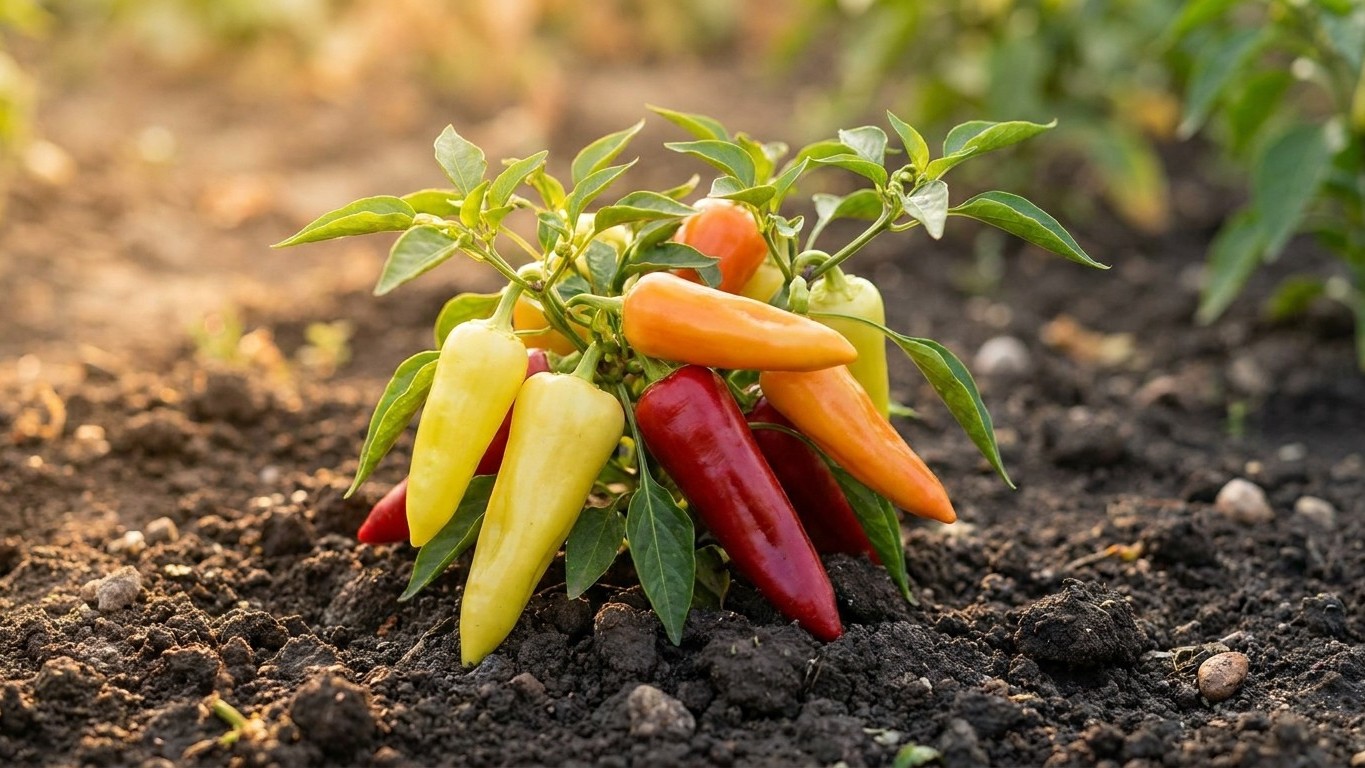

No source used here identifies specific insects that feed on pepper plants in Maine by name. What the state’s climate records do document, precisely, is when pepper plants come under stress and what conditions cause fruit to fail to set, which matters more for a short growing season than any pest list would.
Which pests attack pepper in Maine
Here’s the honest answer: the sourced records behind this page don’t include a state-specific inventory of pepper-feeding insects for Maine. That’s a gap worth naming rather than papering over with guesses. The climate and horticultural data used on this site come from NOAA NCEI Climate Normals for the Portland reference station and from Utah State University Extension’s general guidance on growing peppers, neither of which catalogs Maine insect pests by species. No pest survey citation exists here to draw from, so none gets invented.
What that means practically: if a leaf shows chew marks, a stem looks girdled, or fruit has a hole in the side, the safest path is to photograph it and send it to a diagnostic service rather than match it against a name pulled from a generic pest list that may not even apply to Maine’s growing conditions. Insect pressure on pepper varies enormously by county, by soil, by what was planted nearby the year before, and by how mild or harsh the previous winter was. A list built for one region routinely misleads gardeners two states over.
What the data does cover instead
The numbers this page can speak to with confidence are environmental, not entomological. Pepper fruit set fails at both ends of the temperature scale: nights below 55°F and days above 90°F, according to Utah State University Extension. Maine’s Portland reference station averages just 3.8 days a year at or above 90°F, so sustained heat failure is the less common problem here; a run of cool nights below 55°F after transplant is the more likely culprit behind blossom drop that gets mistaken for insect damage. That distinction matters more in a short-season state than knowing an insect’s Latin name.
When each one shows up, and what it does first
Because no species list applies here, think in terms of a stress calendar tied to the actual frost window instead of a pest calendar. Maine’s last spring frost, at the Portland reference station, falls between April 22 and May 1, and that date runs later inland and further north. Transplants need 8 to 10 weeks indoors before that date and shouldn’t go into the ground until soil hits 60°F, whichever comes later. Setting plants out too early doesn’t invite pests so much as it invites a cold snap that stunts growth and makes the plant an easier target for anything that does show up.
The first two to three weeks after transplant are the highest-risk window for cool-night flower drop, since nighttime lows below 55°F prevent fruit set even when the plant otherwise looks healthy. Gardeners often see blossoms forming and falling off without ever setting fruit, and the instinct is to blame an insect. Check the overnight low first.
Moving into midsummer, watch for the opposite failure: daytime highs above 90°F, though Portland’s average of well under four such days a year means this is the shorter of the two risk windows on the coast. Inland and northern gardens that run hotter in July should watch this threshold more closely than the coastal average suggests.
Once flowering is underway, Utah State University Extension notes that fruit typically needs 35 to 45 days from the flower opening, not from the date of transplant or seeding, to reach maturity. Any damage that shows up on the fruit itself during that window, scarring, soft spots, holes, is worth documenting with a photo and date, since timing relative to flowering (not to the calendar month) is what a diagnostician will ask about first.
Telling the damage apart from everything else
Insect feeding gets blamed for a lot of symptoms that come from something else entirely, and pepper is a particularly easy plant to misdiagnose because it reacts visibly and fast to temperature swings. The decisive move is checking the overnight low before assuming a bug is responsible, since nights under 55°F and days over 90°F both cause blossom and small-fruit drop that looks identical to feeding damage from a distance.
| What you see | Likely cause to rule out first | What tells it apart |
|---|---|---|
| Flowers dropping before fruit forms | Night temperature below 55°F or day above 90°F | Check overnight low for the past week; no chew marks or frass on stems |
| Yellowing leaves, lower canopy first | Uneven watering or nutrient stress | Soil dry several inches down, or uniform yellowing rather than patchy spotting |
| Soft, pitted skin on stored fruit | Storage temperature below 45°F | Fruit was refrigerated; pitting appears within days, not on the plant |
| Torn or ragged leaf edges | Wind or hail damage | Damage matches a specific weather event, spread evenly across the row |
None of this replaces an actual look at the plant. When a symptom doesn’t match an environmental explanation, meaning the overnight lows have been fine, watering has been consistent, and the damage still looks fresh and localized, that’s the point to involve a diagnostic service rather than guess further from a photo online.
What actually works here, and what is a waste of time
On a growing season this short, timing beats intervention almost every time. Getting transplants into the ground only after the soil reaches 60°F and the frost window has closed does more to protect a pepper crop than any treatment applied later, because a stressed plant is more vulnerable to everything, insects included. Floating row cover placed over young transplants during a cool snap protects against the 55°F threshold directly and costs nothing to remove once nights warm up.
Where an actual insect problem is confirmed by extension, that same office is the right source for what’s labeled for use in Maine, since pesticide registrations vary by state and this site doesn’t carry product names or application rates. Spraying preventively against an unidentified problem wastes both money and time, and it risks harming beneficial insects that would otherwise keep a real pest in check.
Harvest and storage handling matters just as much as anything done earlier in the season. Peppers are generally ready 70 to 85 days after transplant, and the optimal storage window is 45 to 50°F at 80 to 90 percent humidity for two to three weeks, per Clemson Cooperative Extension. A standard kitchen refrigerator runs colder than that, and peppers held below roughly 45°F develop pitting and soft spots from chilling injury, damage that gets mistaken for insect or disease trouble after the fact. Storing peppers on a cool countertop or in a root cellar-style space beats the fridge for anything meant to last more than a few days.
Where to check this for your own county
University of Maine Cooperative Extension is the right first call for anything that doesn’t match an environmental explanation, and each county office handles this differently depending on what’s actually showing up locally that season. Bring a photo, the date first noticed, and what the overnight lows have been, since that’s the information a diagnostician needs before naming anything.
Worth remembering: the frost and heat data this page draws from come from a single reference station in Portland, which NOAA NCEI itself notes represents the mild end of Maine’s climate. Inland and northern counties run their frost window later in spring and earlier in fall, which shifts every other date in this article along with it, transplant timing, the cool-night risk window, even the harvest countdown. A county office can confirm local frost history far than a statewide average ever will.
Statewide documentation, even when it exists for a category of pest, still doesn’t say what’s present in one particular garden. Soil history, nearby plantings, and even which direction a garden faces all shift what shows up. The next useful step isn’t reading further online but calling the county extension office directly with specifics in hand.
Common questions
Is there a list of insects known to eat pepper plants in Maine?
Not in the sourced records behind this page. Species-level pest documentation for pepper specific to Maine isn’t part of the NOAA or extension sources cited here; a county extension office is the accurate source for that question.
When is it safe to transplant peppers outdoors in Maine?
After the last spring frost, which runs April 22 to May 1 at the Portland reference station (later inland and north), and only once soil temperature reaches 60°F, whichever comes later.
Can pepper fruit set fail without any insect involved?
Yes. Nights below 55°F or days above 90°F both stop fruit set on their own, according to Utah State University Extension, with no pest required to explain dropped blossoms.
Is it fine to store fresh peppers in the refrigerator?
No. A standard fridge runs colder than the 45 to 50°F range Clemson Cooperative Extension recommends, and peppers held below that develop pitting and soft spots from chilling injury.