When to Sow Pumpkins in Minnesota
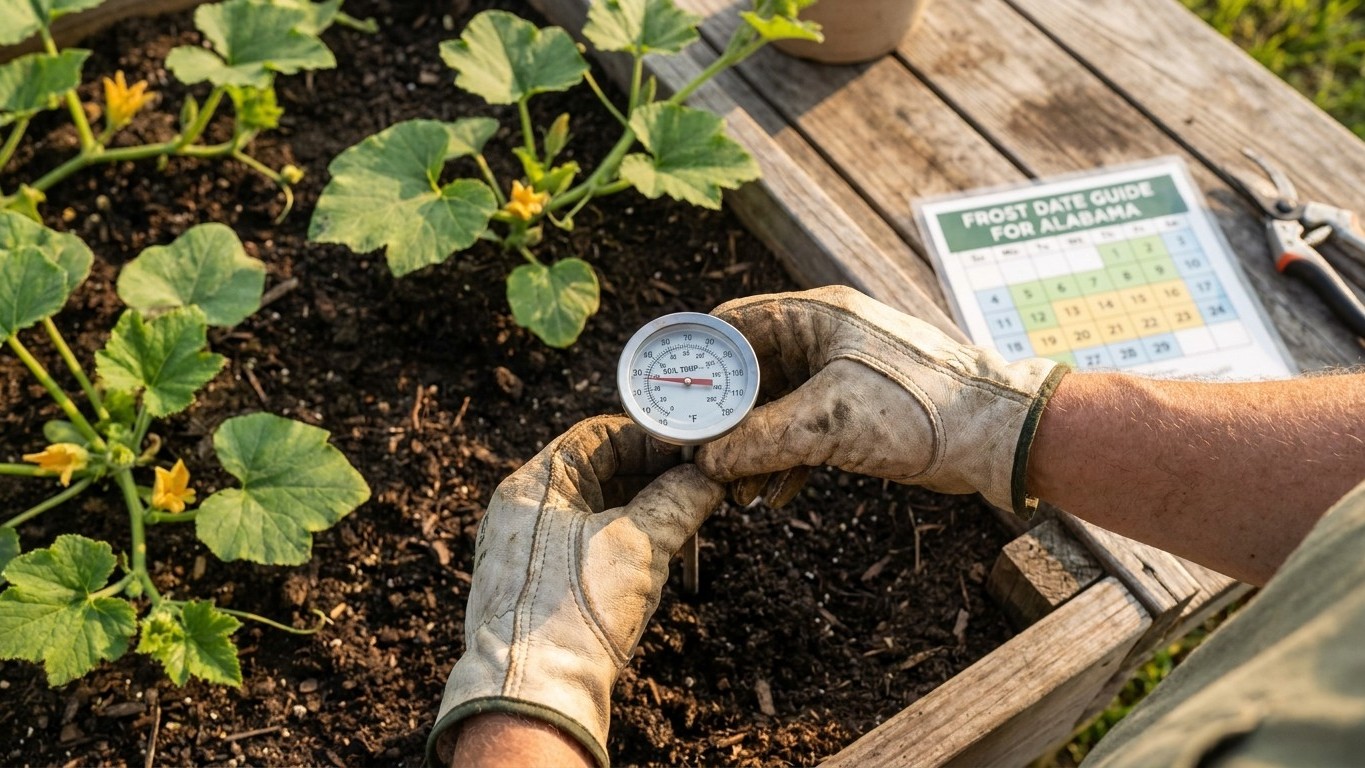
Minnesota gardeners get one real planting signal for pumpkins: soil temperature, not the calendar. Once soil reaches 65°F, seeds can go in the ground.
Home & garden, state by state
Everything we have worked out for Minnesota: what to plant and when, which varieties finish in time, the pests that actually turn up here, and the jobs that pay off month by month. We also cover the rest of the property, from lawns and soil to home care and energy, because a garden rarely stops at the vegetable bed.
The numbers first, because everything else follows from them. Measured at the weather station in Minneapolis, the last spring freeze runs April 17 to April 30 and the first fall freeze runs October 11 to October 23, USDA zones 3a-5a, 3,013 growing degree days in the year.
Garlic does well: 30.4 weeks below 40 °F, comfortably past the six it needs to form a proper head.
Elsewhere on the property in Minnesota: the pests that turn up here.
Figures from NOAA's 1991-2020 climate normals. A state is not one climate: elevation, a large lake or the coast can move these dates by two weeks either way, so check your own county with the extension service before you spend money.
Minnesota gardeners get one real planting signal for pumpkins: soil temperature, not the calendar. Once soil reaches 65°F, seeds can go in the ground.
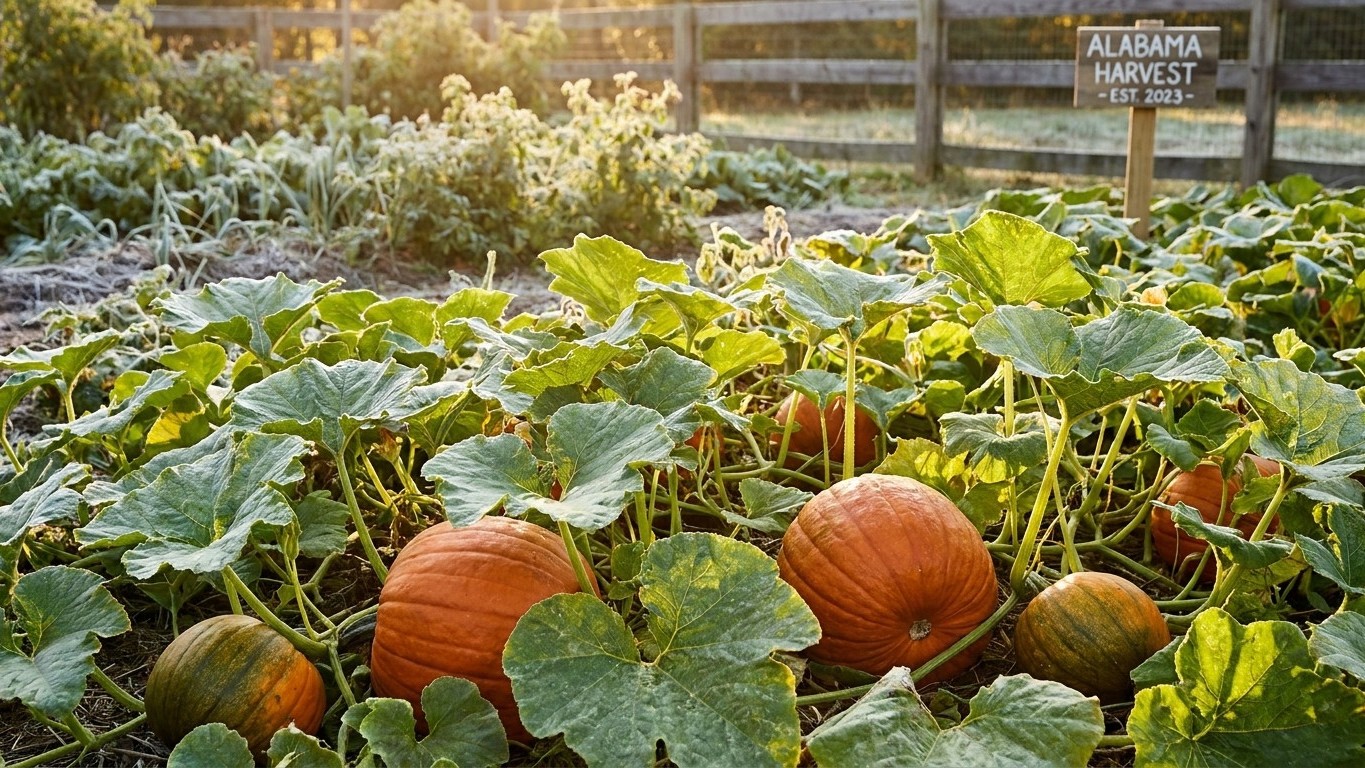
Yes, but only inside a specific window. Minnesota’s first fall frost lands somewhere between October 11 and October 23, and a pumpkin needs 45 to 55 days…
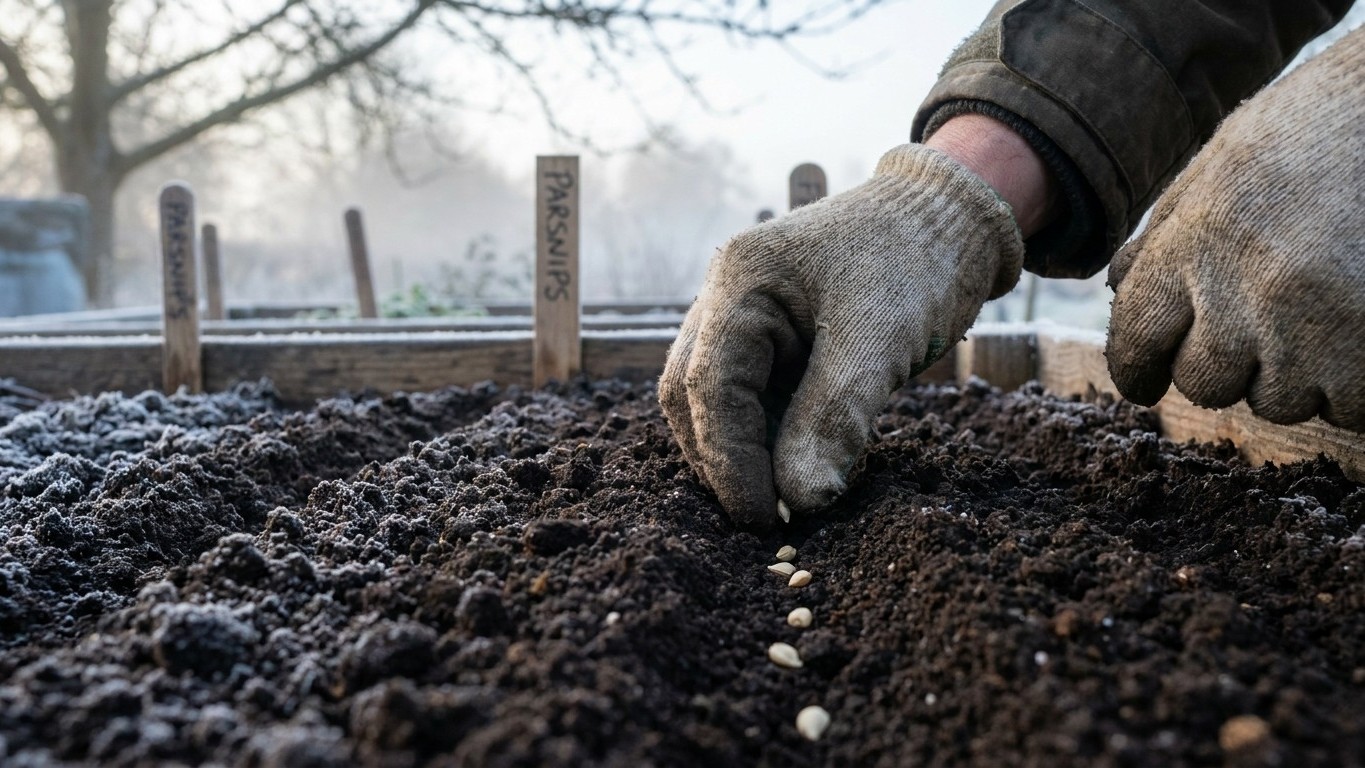
Sow parsnip seed directly in the garden bed 2 to 3 weeks before the last spring frost, which lands between April 17 and April 30 in the Twin Cities.
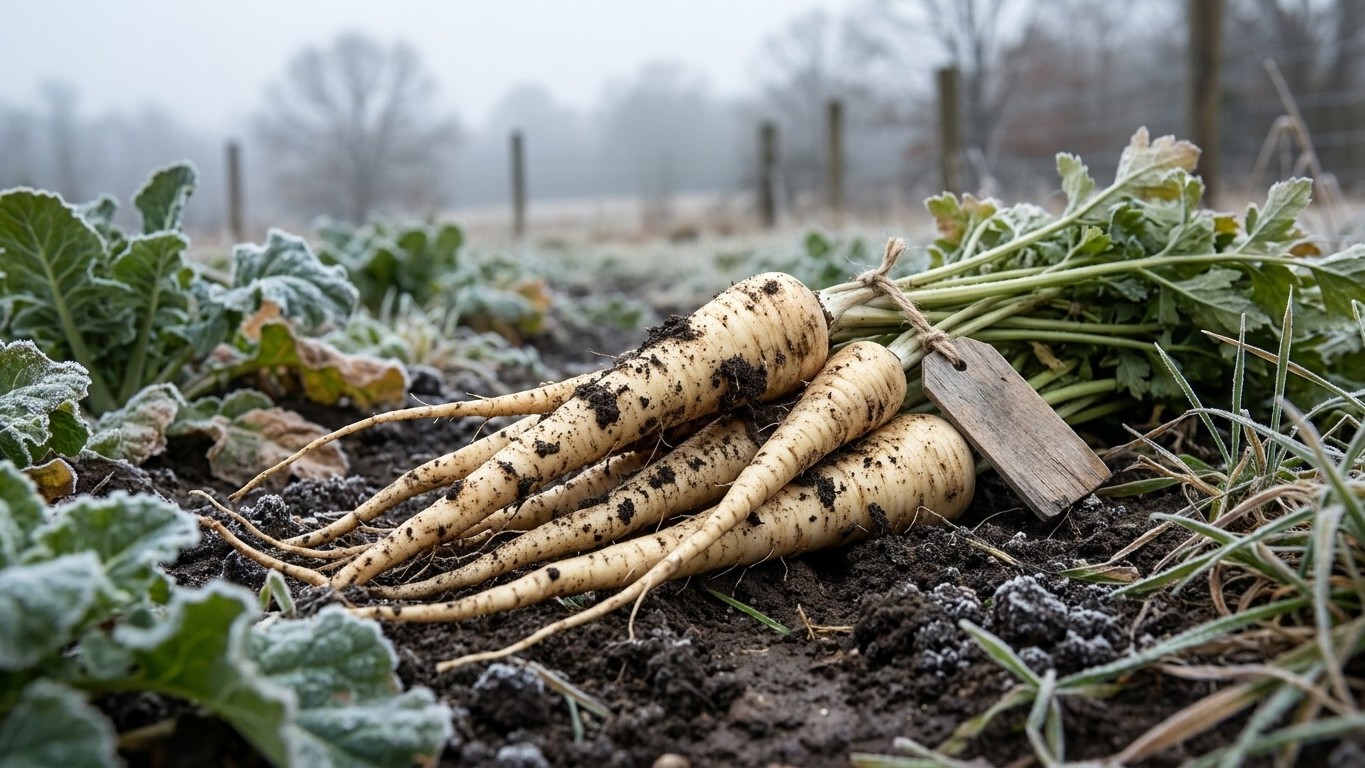
Yes, across most of Minnesota. The state’s winters hand parsnips exactly what they need to turn stored starch into sugar: long stretches of air well…
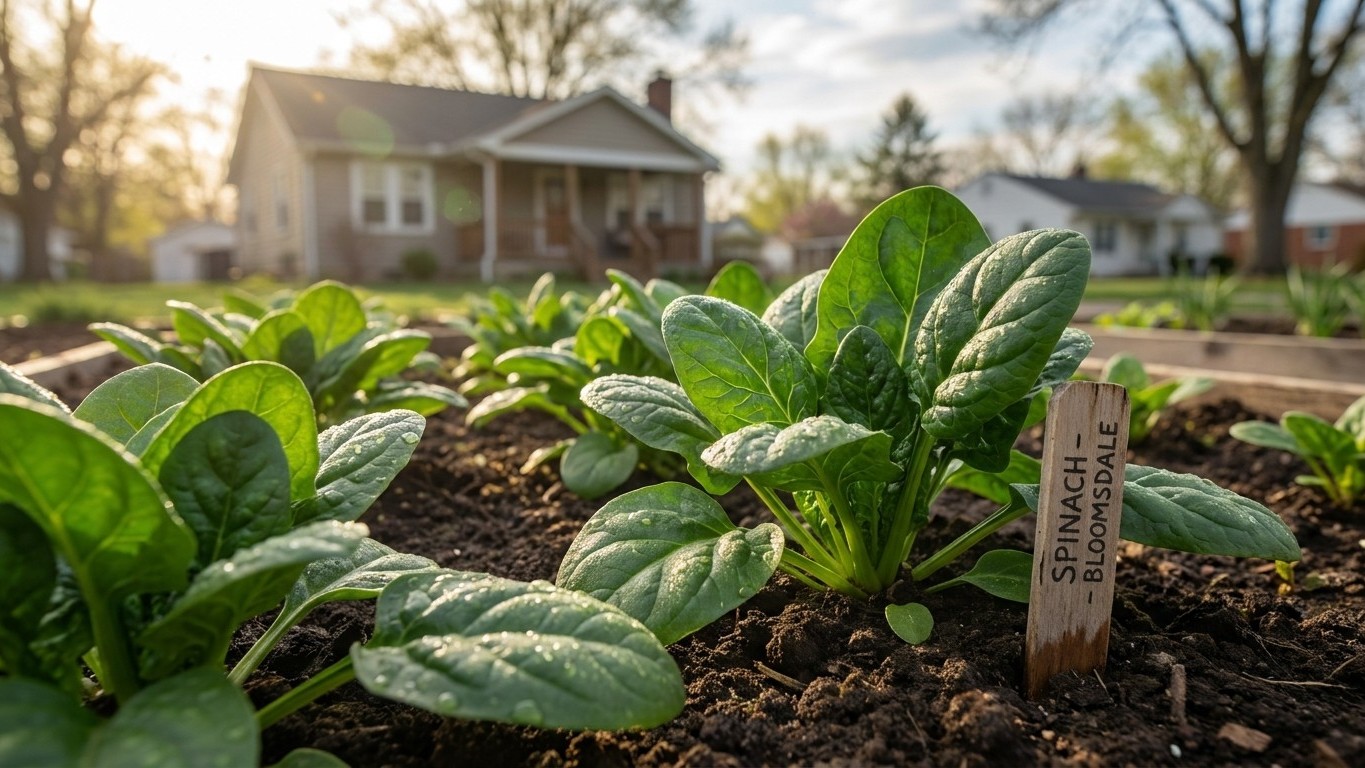
Minnesota spinach bolts on a clock set mostly by daylight, not by the thermometer, and that clock runs the same whether the summer feels mild or brutal.
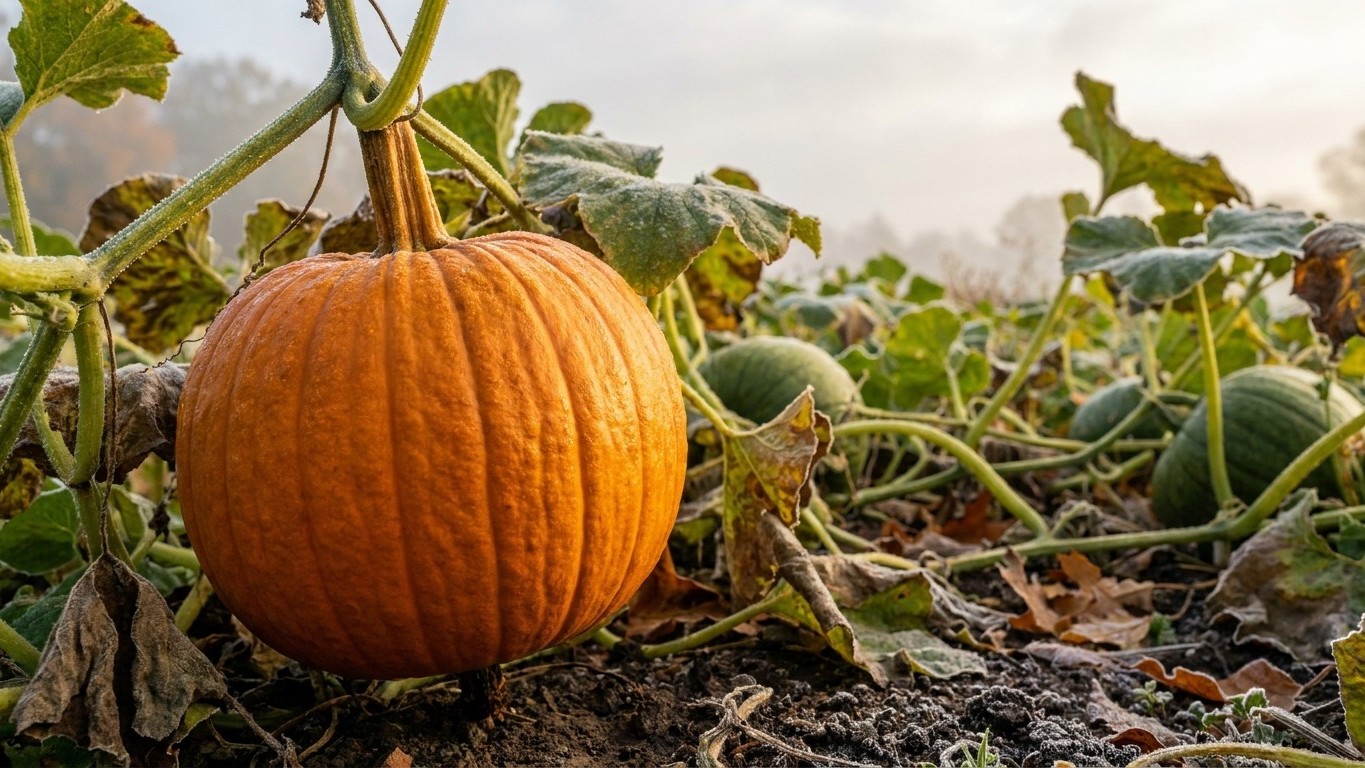
Most years, yes, but the flower matters more than the seed. Minnesota’s growing season closes with the first fall frost sometime between October 11 and…
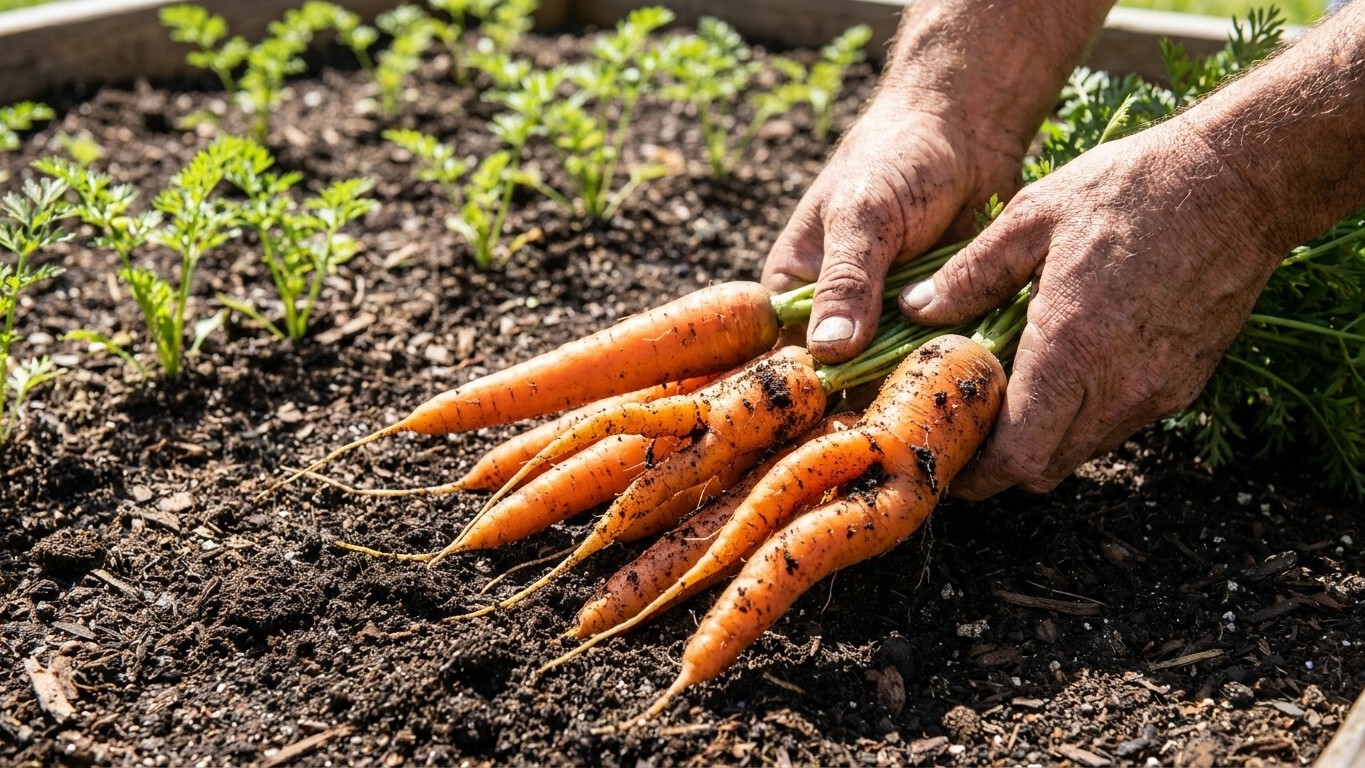
Carrots go into Minnesota ground as direct-sown seed, and the math runs 70 to 100 days from that sowing to harvest, never from a transplant date, since…
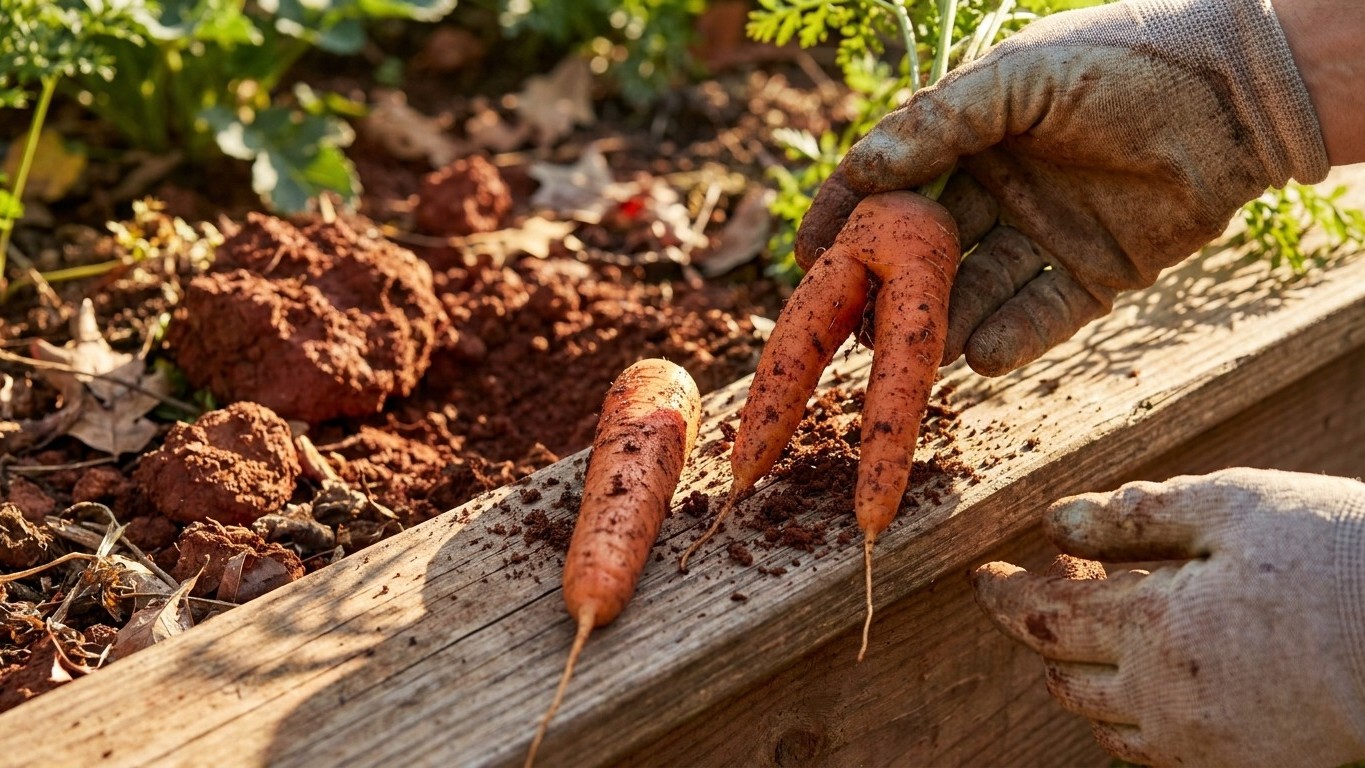
Minnesota’s official soil, the Lester series, is a loam built from 39 percent sand, 24 percent clay and 37 percent silt, and it drains well.
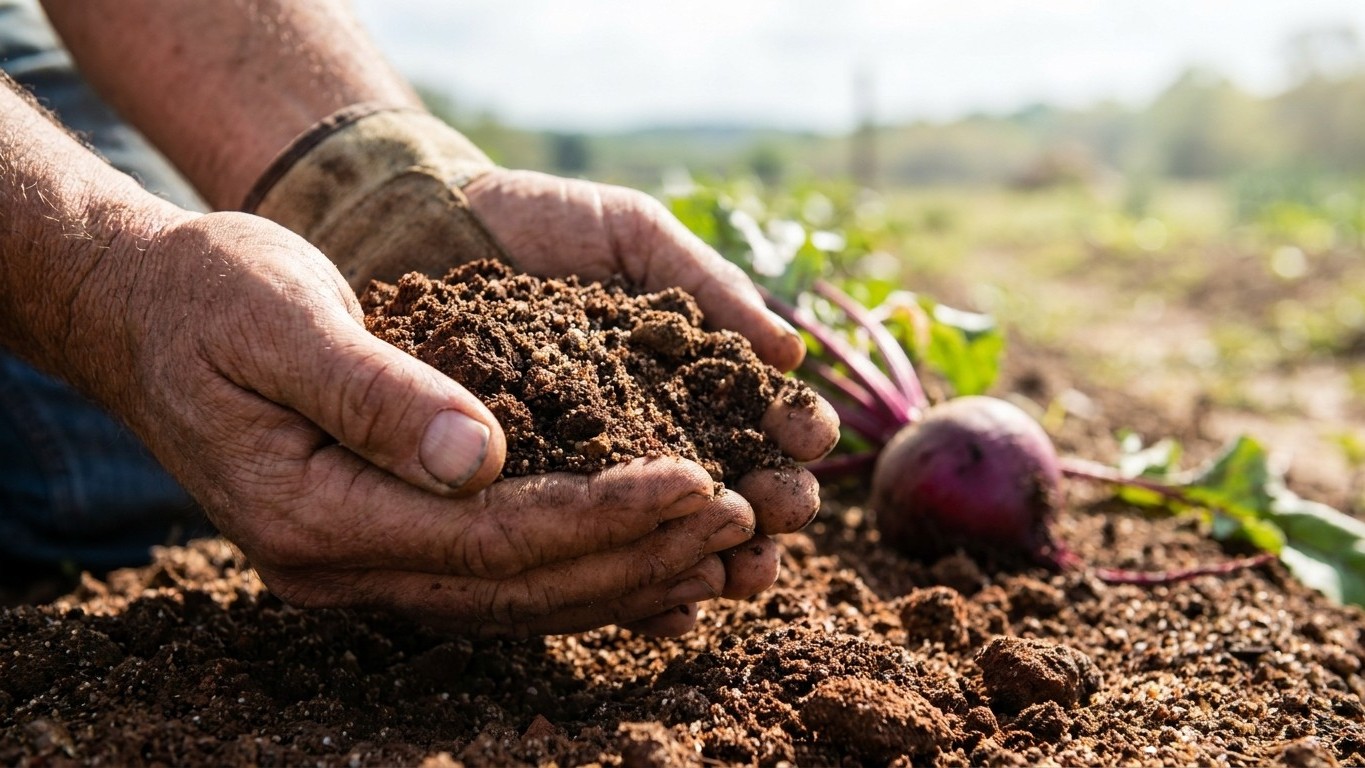
Minnesota’s representative soil, the Lester series, is a well-drained loam that leans slightly sandy and sits at a near-neutral pH, so a beet root can…
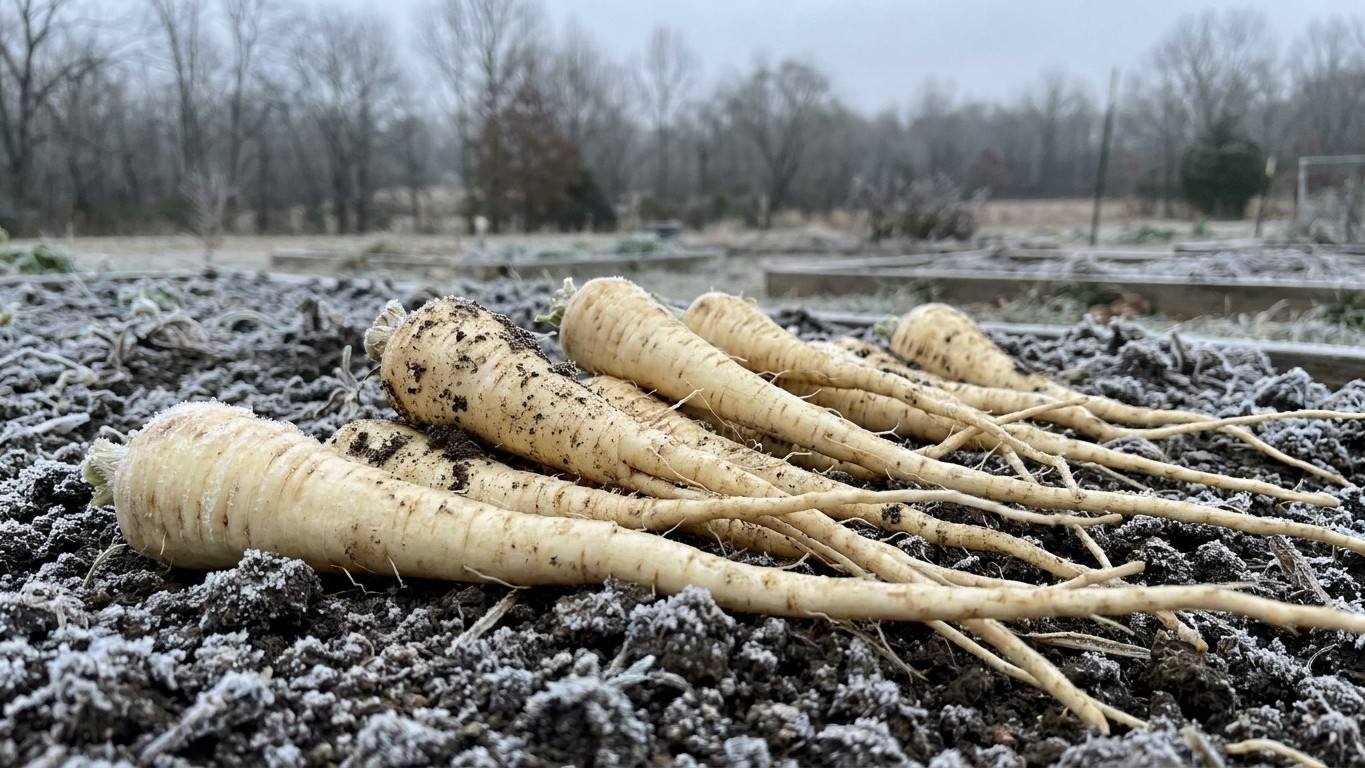
Minnesota parsnip growers get good news on one front and a scheduling puzzle on another.