When to Sow Beets in Minnesota
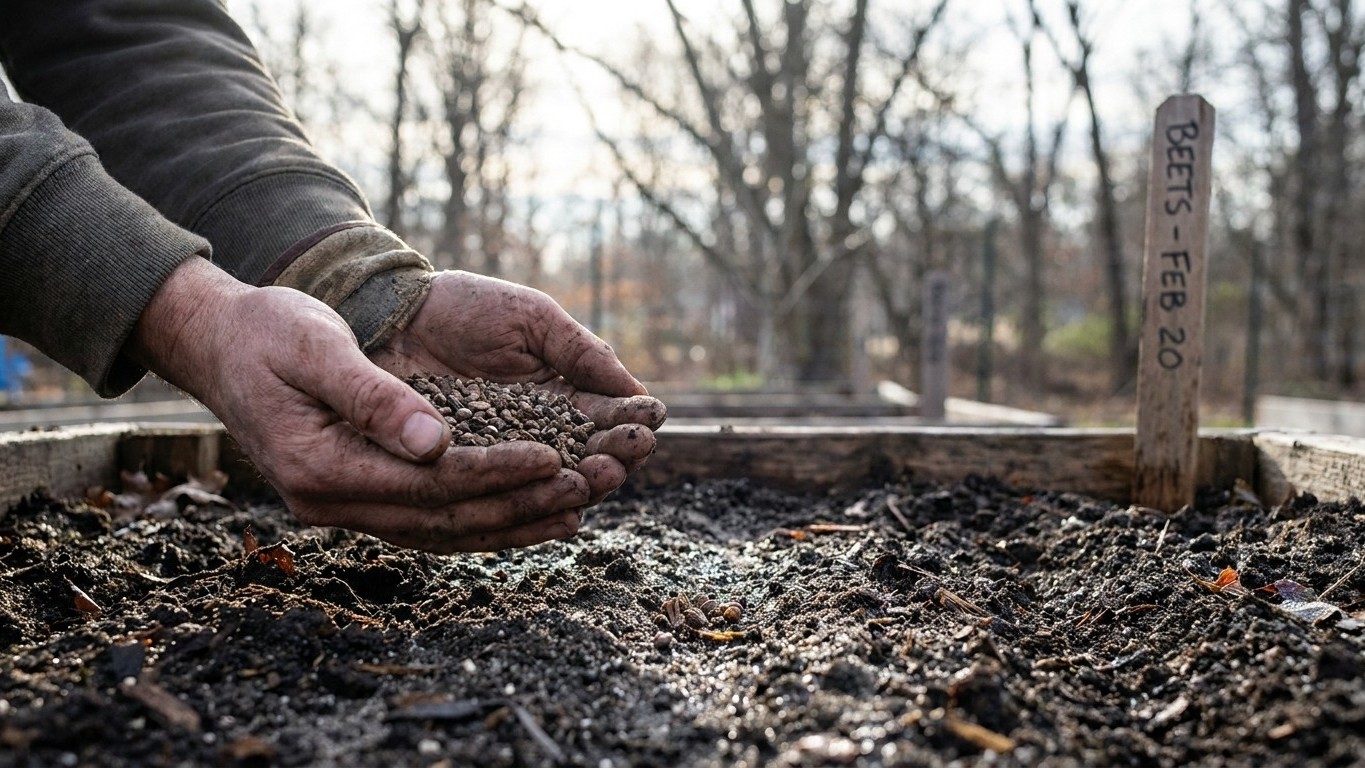
Minnesota gardeners get the best beet roots by sowing seed directly in the ground two to three weeks before the last spring frost, which the Twin Cities…
Home & garden, state by state
Everything we have worked out for Minnesota: what to plant and when, which varieties finish in time, the pests that actually turn up here, and the jobs that pay off month by month. We also cover the rest of the property, from lawns and soil to home care and energy, because a garden rarely stops at the vegetable bed.
The numbers first, because everything else follows from them. Measured at the weather station in Minneapolis, the last spring freeze runs April 17 to April 30 and the first fall freeze runs October 11 to October 23, USDA zones 3a-5a, 3,013 growing degree days in the year.
Garlic does well: 30.4 weeks below 40 °F, comfortably past the six it needs to form a proper head.
Elsewhere on the property in Minnesota: the pests that turn up here.
Figures from NOAA's 1991-2020 climate normals. A state is not one climate: elevation, a large lake or the coast can move these dates by two weeks either way, so check your own county with the extension service before you spend money.
Minnesota gardeners get the best beet roots by sowing seed directly in the ground two to three weeks before the last spring frost, which the Twin Cities…

In Minnesota, the closest thing to a real no-heat window falls in June, but even then the state logs about 210 combined heating and cooling degree days…
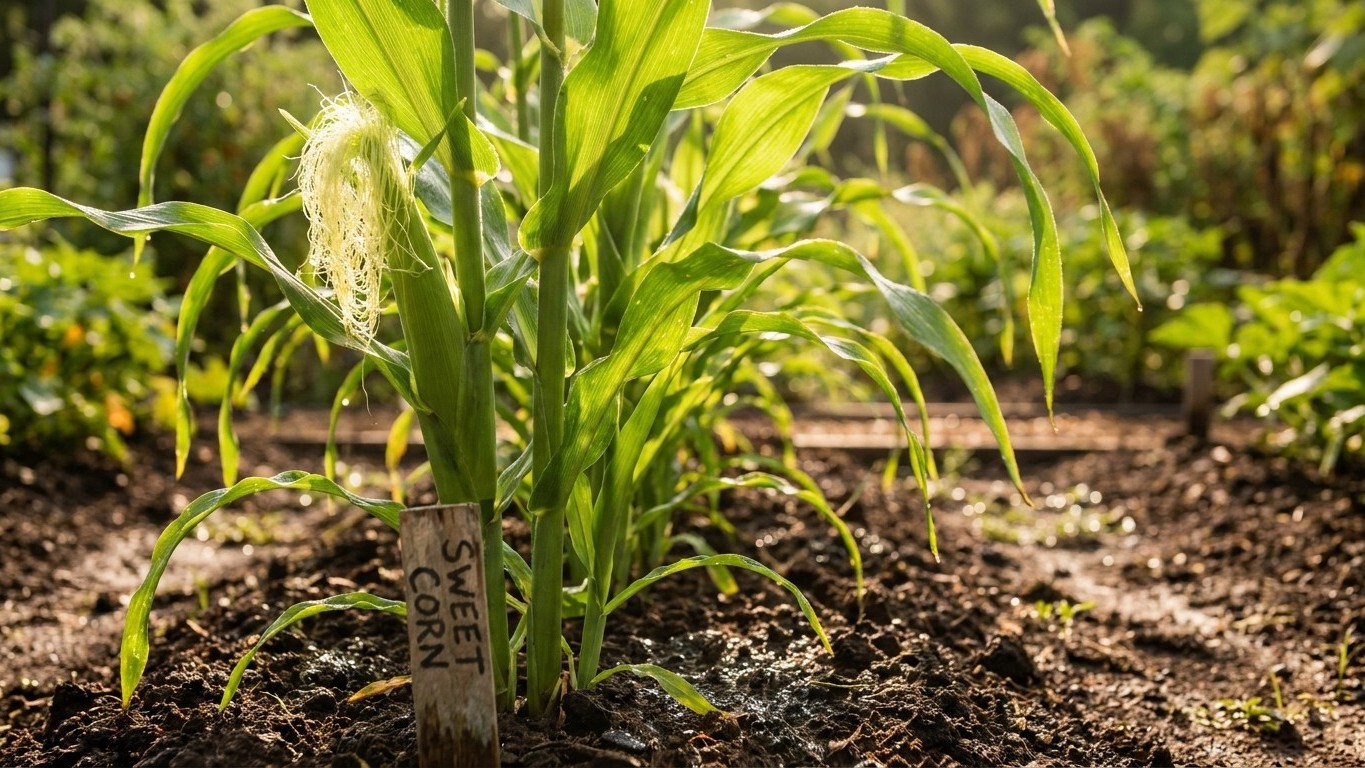
Yes, in most of Minnesota, sweet corn has enough season to ripen fully, but the window is tighter than gardeners assume.
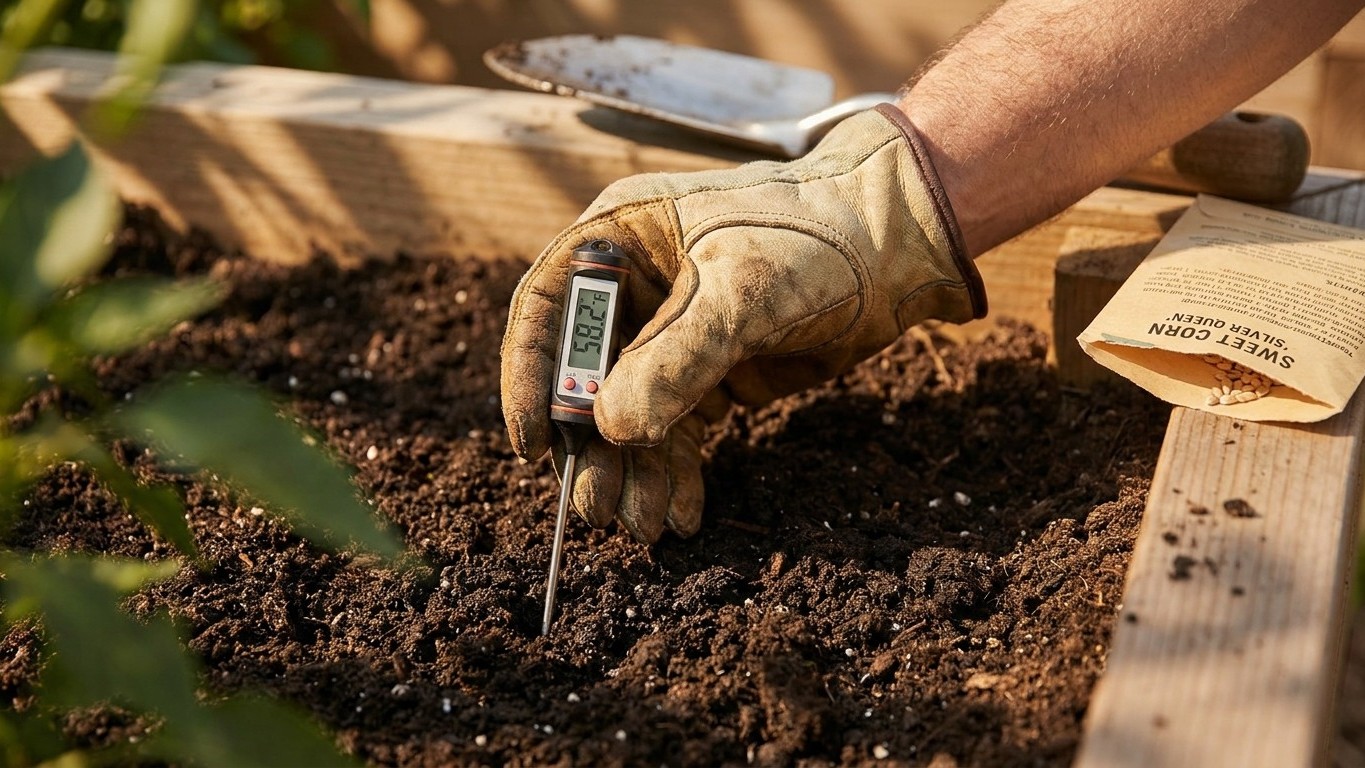
Minnesota’s sweet corn window opens once soil temperatures hold above 60°F, which lands well after the last spring frost (April 17 to April 30 in the…
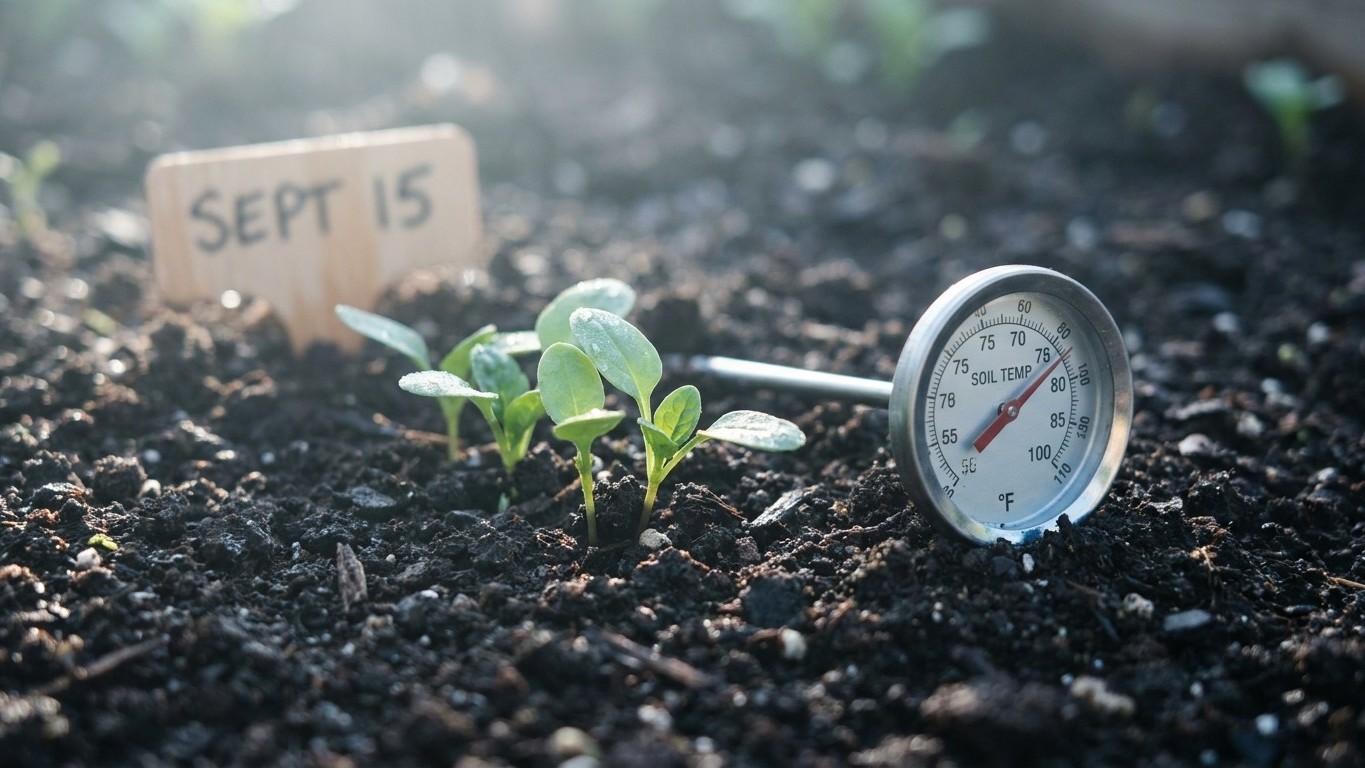
In Minnesota, autumn spinach goes into the ground anywhere from late July to early September, timed 50 to 75 days before the first fall frost (October 11…
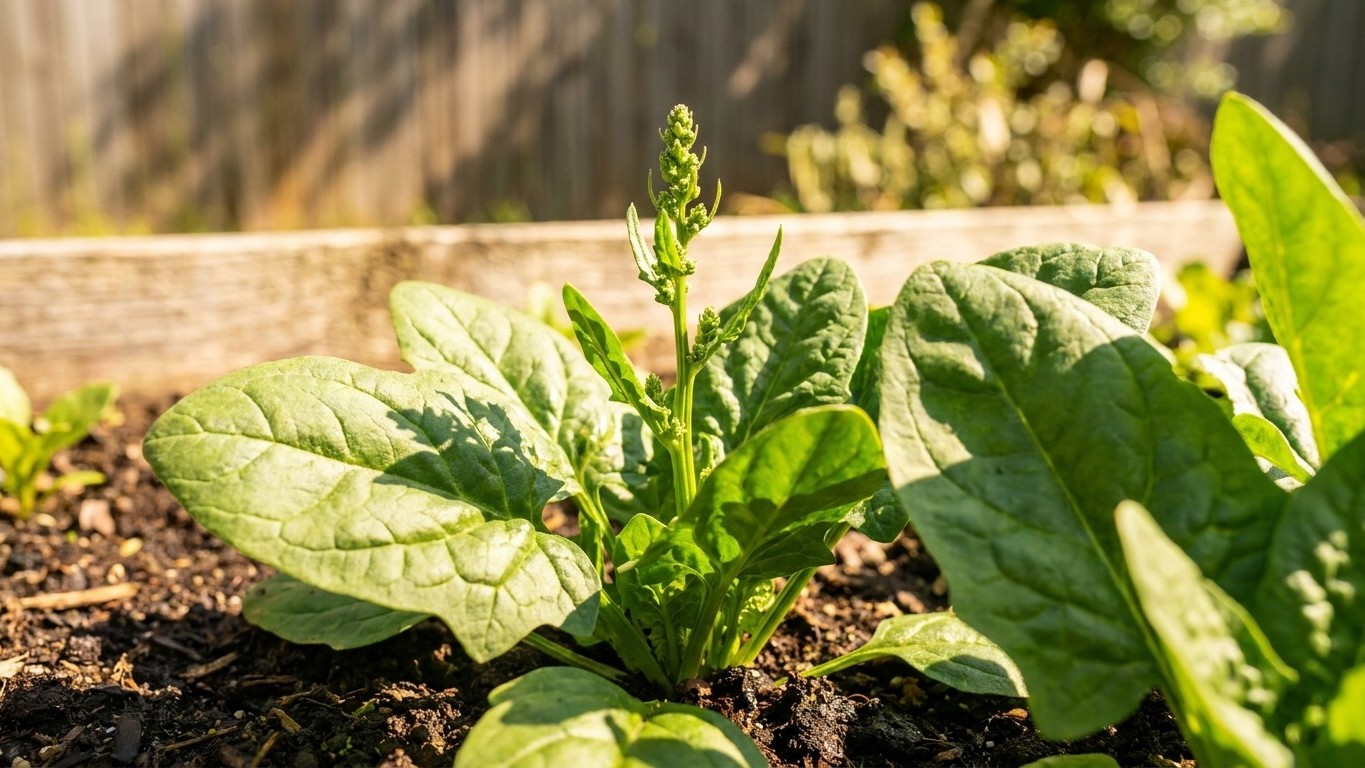
Spinach bolts early almost everywhere in Minnesota, and the culprit isn’t the state’s famous humidity or its short growing season. It’s daylight.
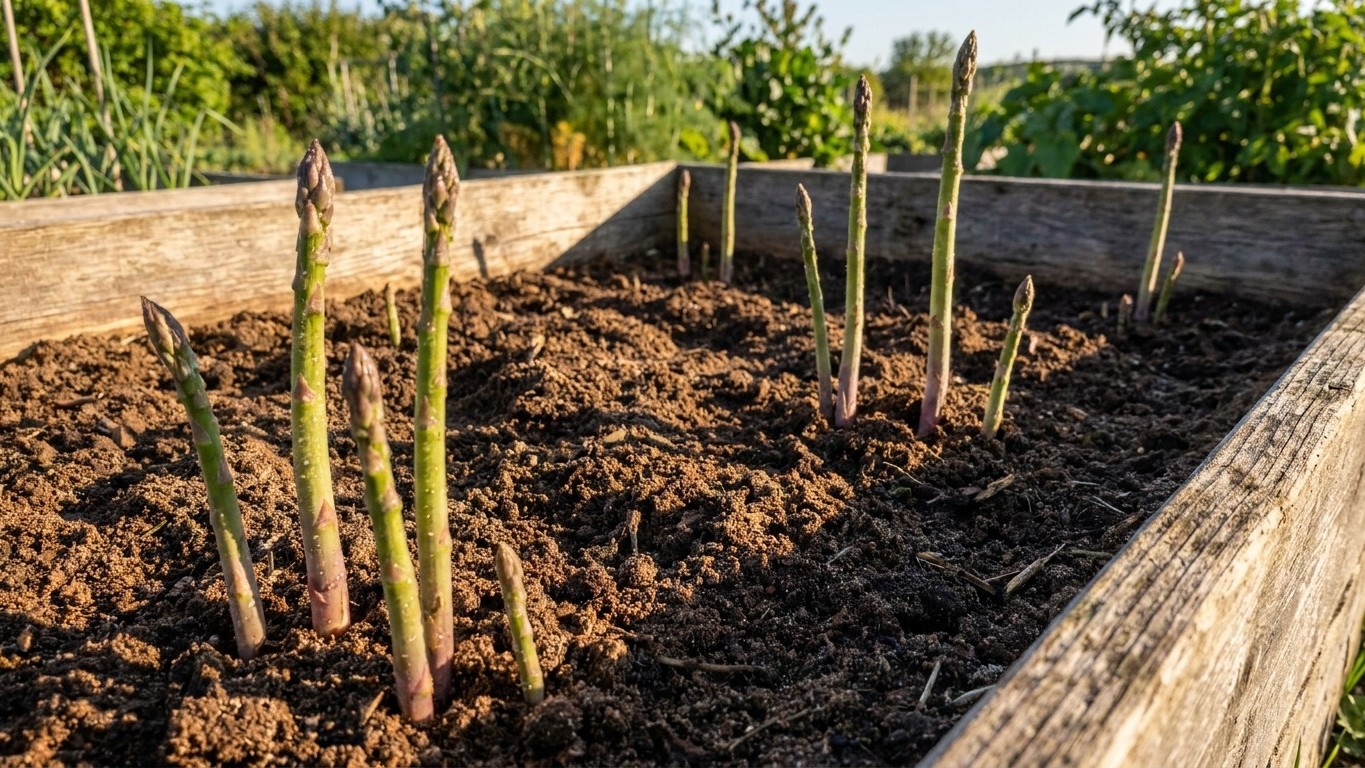
Fifteen years is the outer edge of what an asparagus bed can give you, and the ground you plant it in has to hold up for the whole stretch.
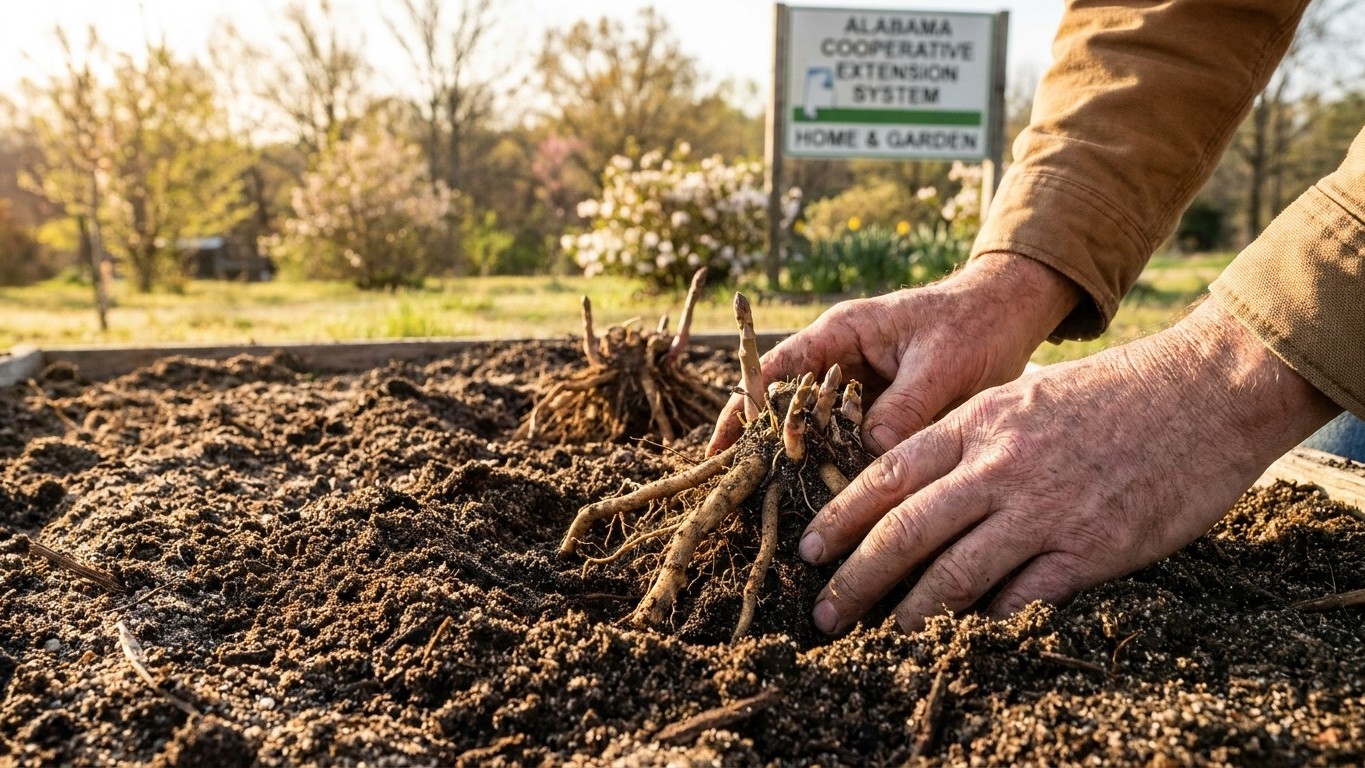
Plant asparagus crowns in early spring, once the soil can be worked and the ground has begun to warm, in a spot that drains well because this bed will…
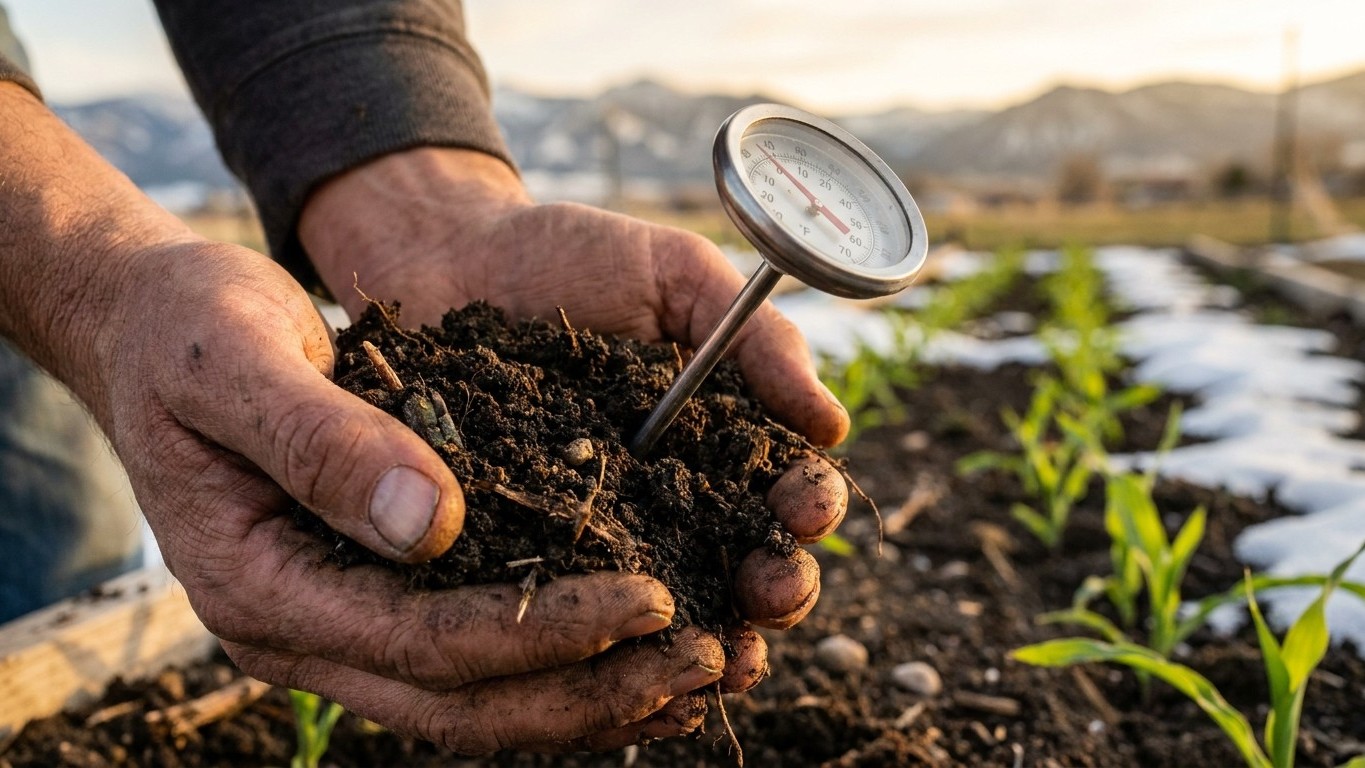
In most of Minnesota, including the Twin Cities area, sweet corn ripens just fine, but the timing is tighter than the calendar suggests.
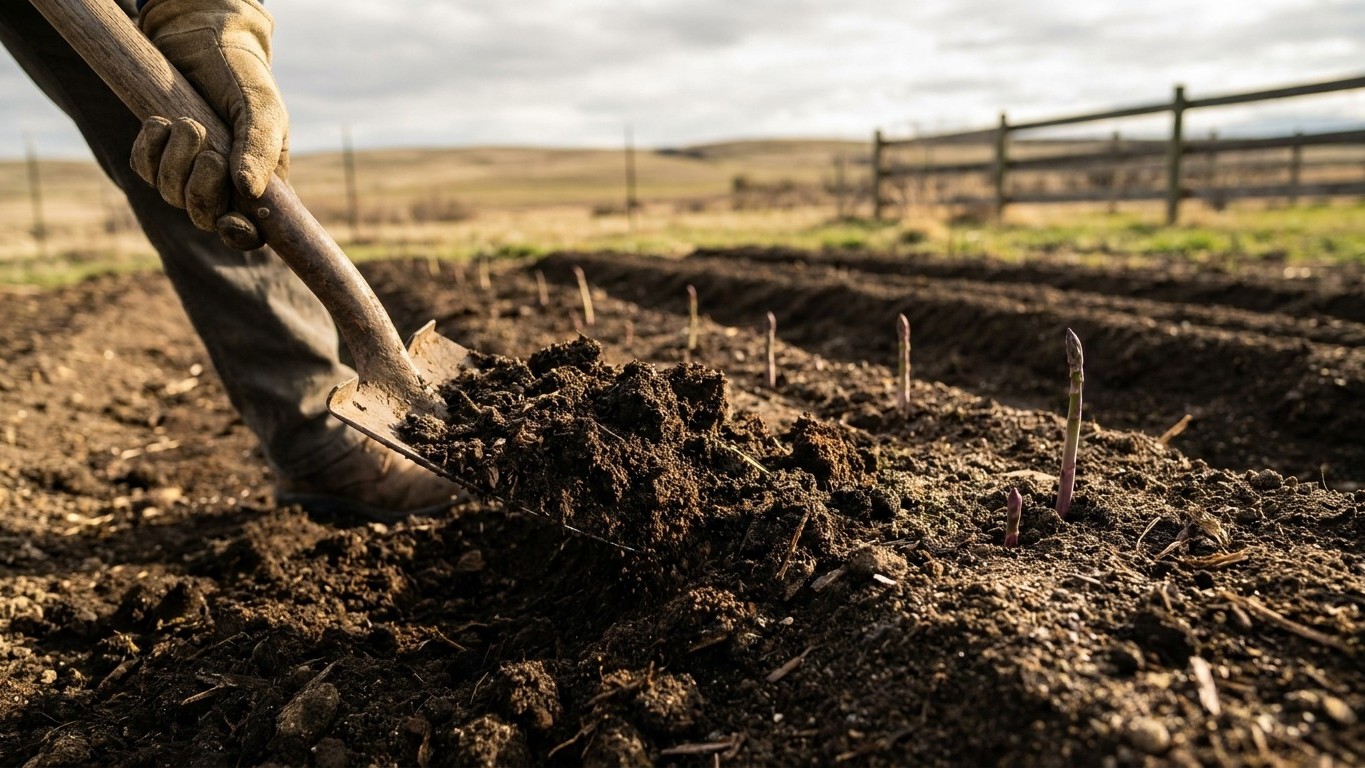
Minnesota gardeners can grow asparagus successfully, and the commitment is real: once a bed is established it stays productive for a decade and a half.