What Eats Parsnip in New Brunswick, and When
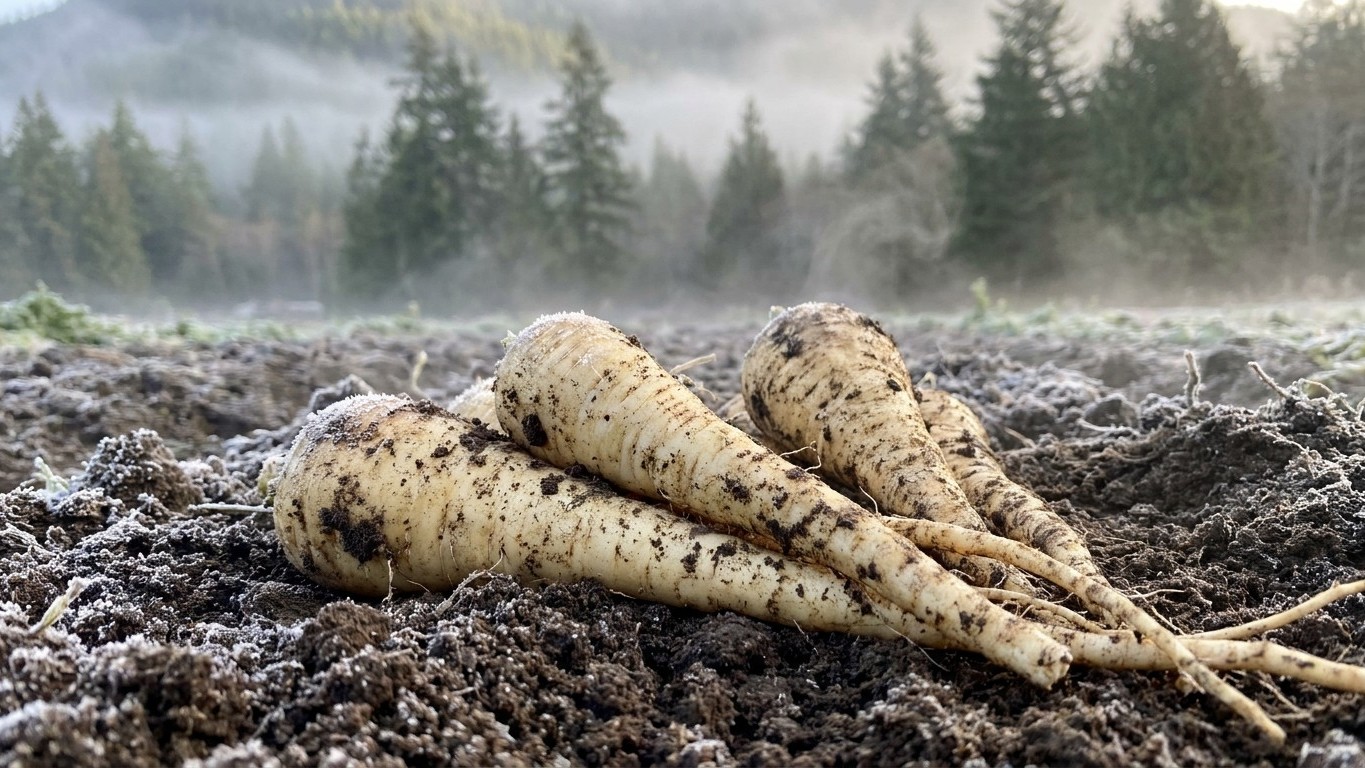
Only one insect on the province’s documented pest list has any real business in a parsnip bed: the seedcorn maggot, a generalist that attacks…
Home & garden, state by state
Everything we have worked out for New Brunswick: what to plant and when, which varieties finish in time, the pests that actually turn up here, and the jobs that pay off month by month. We also cover the rest of the property, from lawns and soil to home care and energy, because a garden rarely stops at the vegetable bed.
The numbers first, because everything else follows from them. Measured at the weather station in Moncton, the last spring freeze falls around May 23 and the first fall freeze falls around October 2, 1,594 growing degree days in the year.
That is enough for early varieties, tight for anything late. Garlic does well: 34.8 weeks below 40 °F, comfortably past the six it needs to form a proper head.
Elsewhere on the property in New Brunswick: the pests that turn up here.
Figures from Environment and Climate Change Canada. A state is not one climate: elevation, a large lake or the coast can move these dates by two weeks either way, so check your own county with the extension service before you spend money.
Only one insect on the province’s documented pest list has any real business in a parsnip bed: the seedcorn maggot, a generalist that attacks…
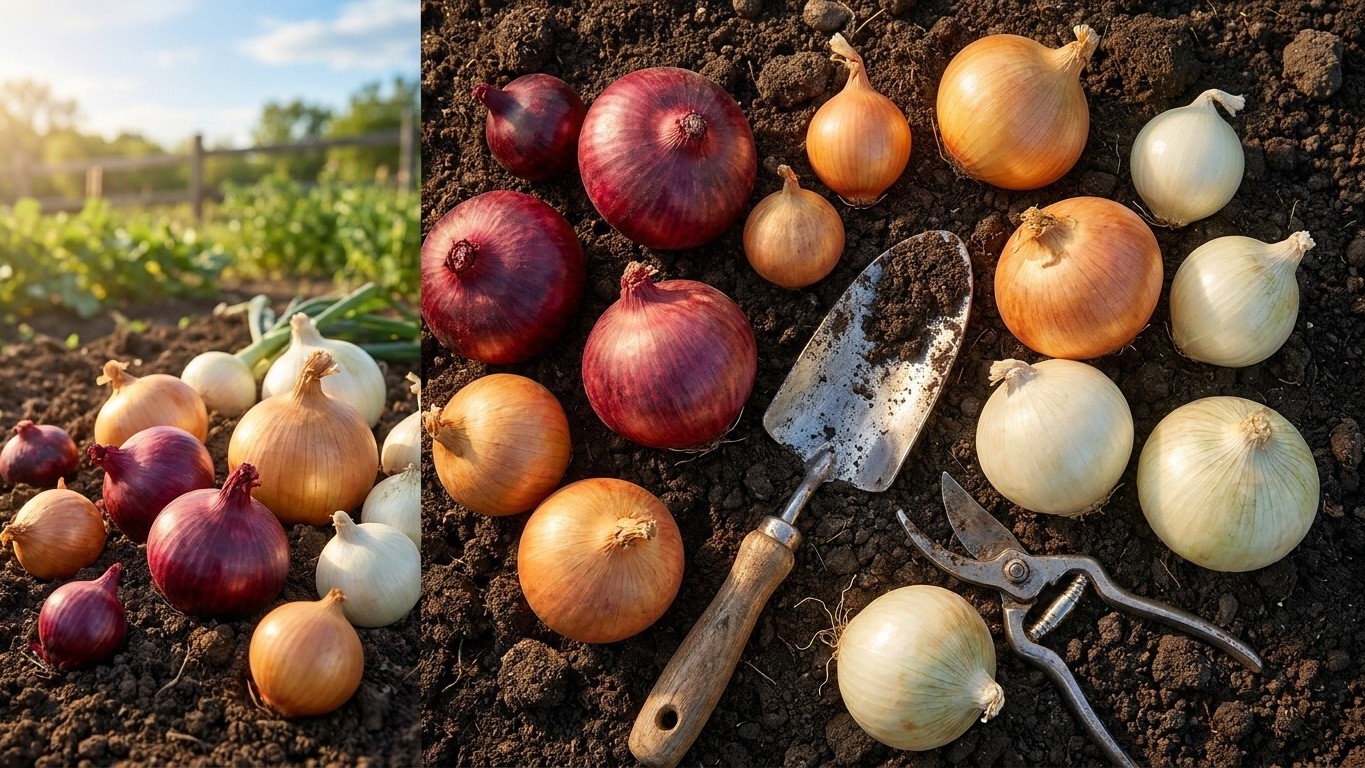
The University of Maine Cooperative Extension, which covers the closest documented growing region to New Brunswick, lists only one insect that actually…
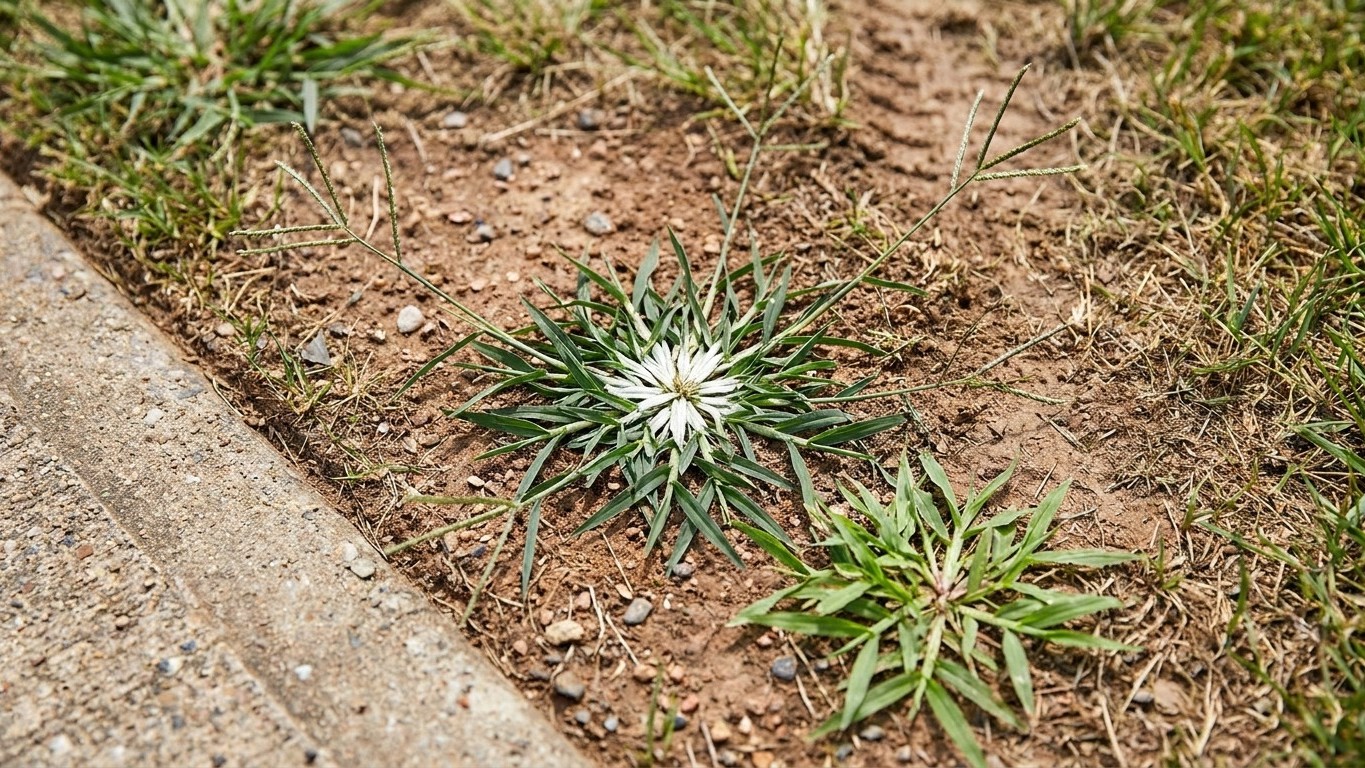
The short answer: aim to get seed down by mid-August in most of New Brunswick, and treat early September as your last reasonable stretch, not your target.
The average last spring frost in New Brunswick falls on May 23, and the average first fall frost arrives on October 2, based on the Moncton climate…
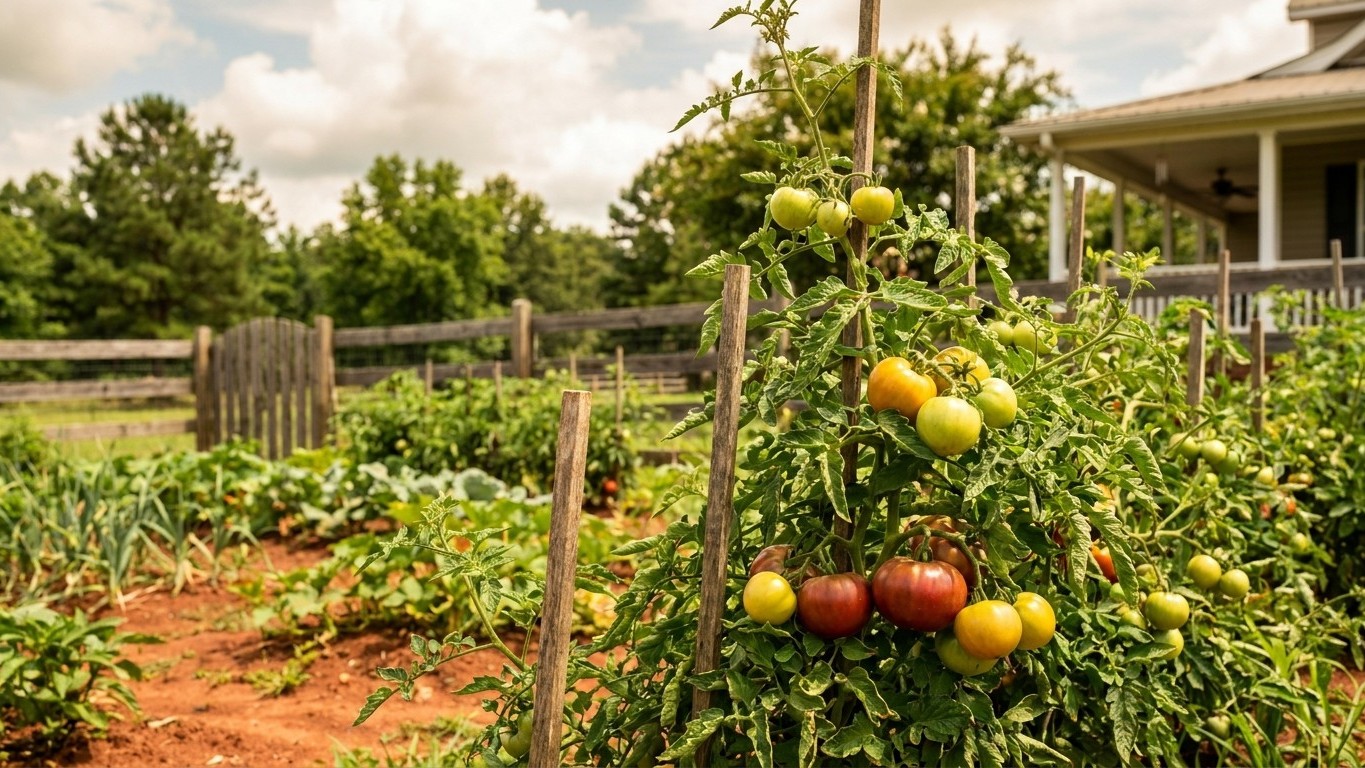
The short answer: pick most New Brunswick tomatoes at the “breaker” stage, when the skin just starts to blush, rather than waiting for full red on the…
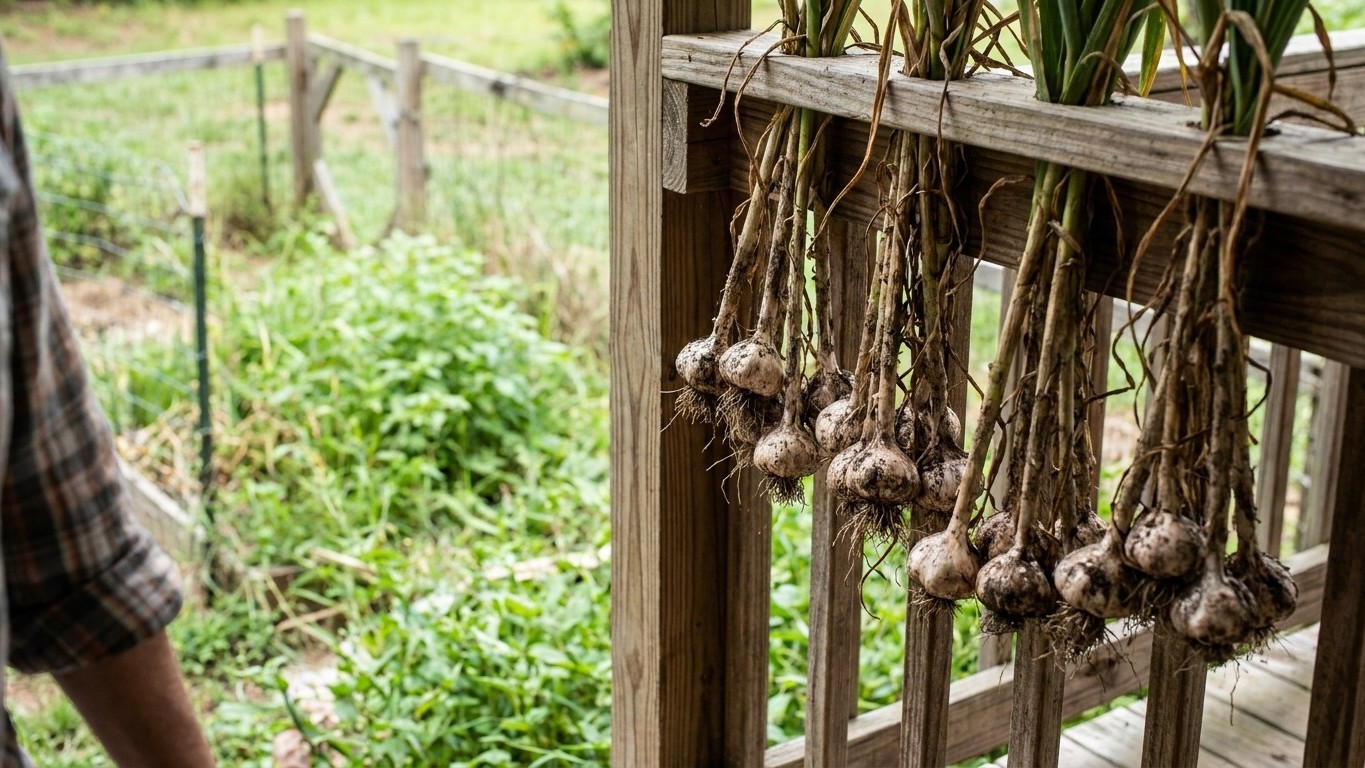
Lift garlic in New Brunswick once the bottom third to half of the leaves have turned brown, typically from mid-July into early August.
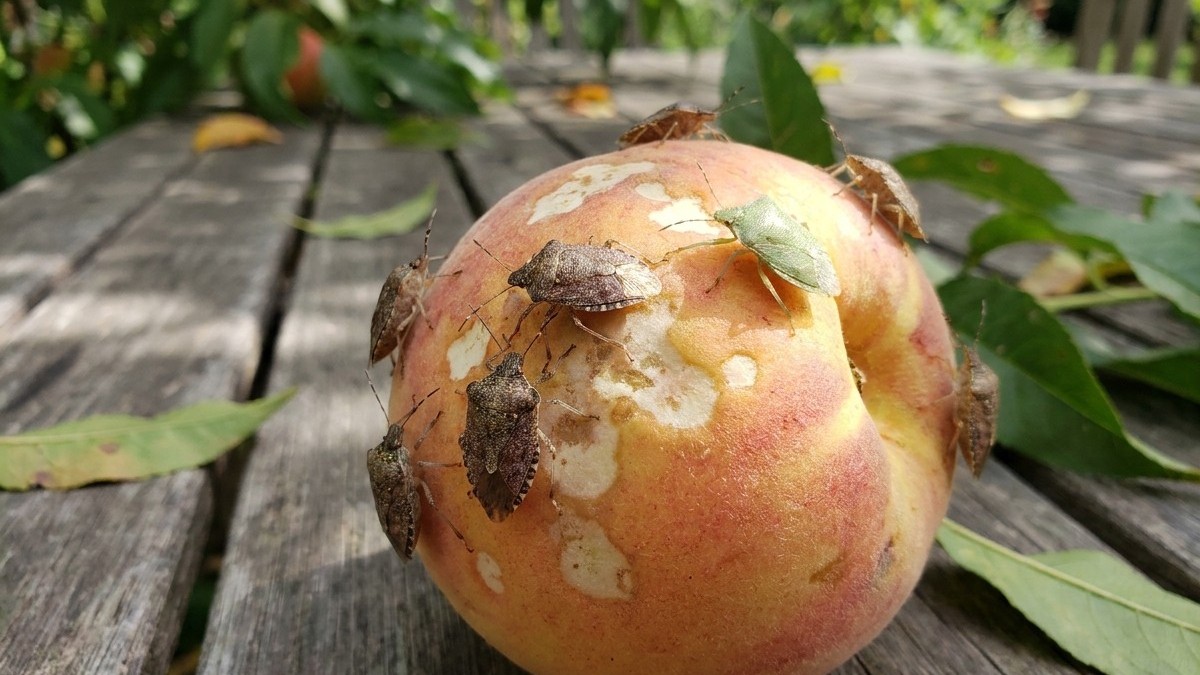
Most apple varieties in New Brunswick come off the tree between late August and early October, with the exact week set by variety type rather than a…
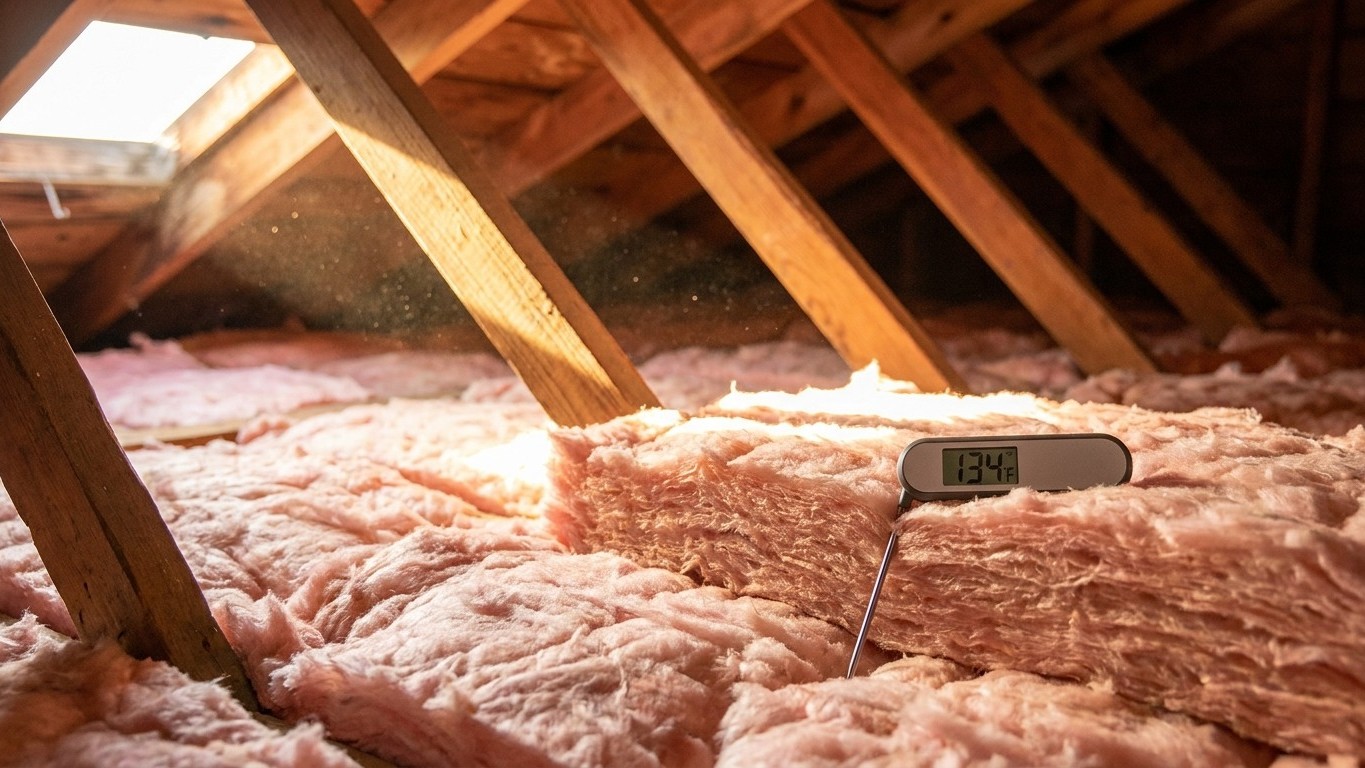
Yes, insulation helps keep a New Brunswick home cooler, but the honest answer here leans toward winter.
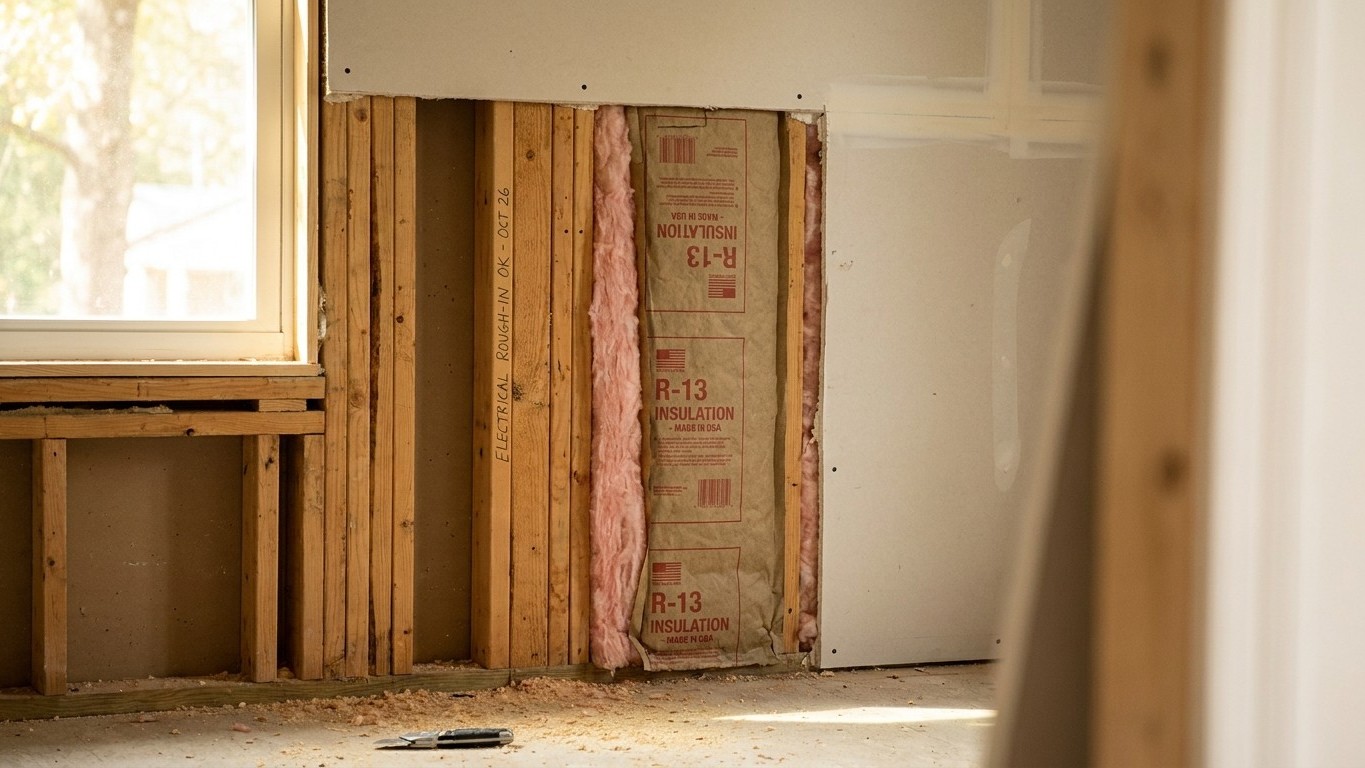
In New Brunswick, a wall governed by the National Building Code of Canada needs a vapour barrier whenever it’s insulated.
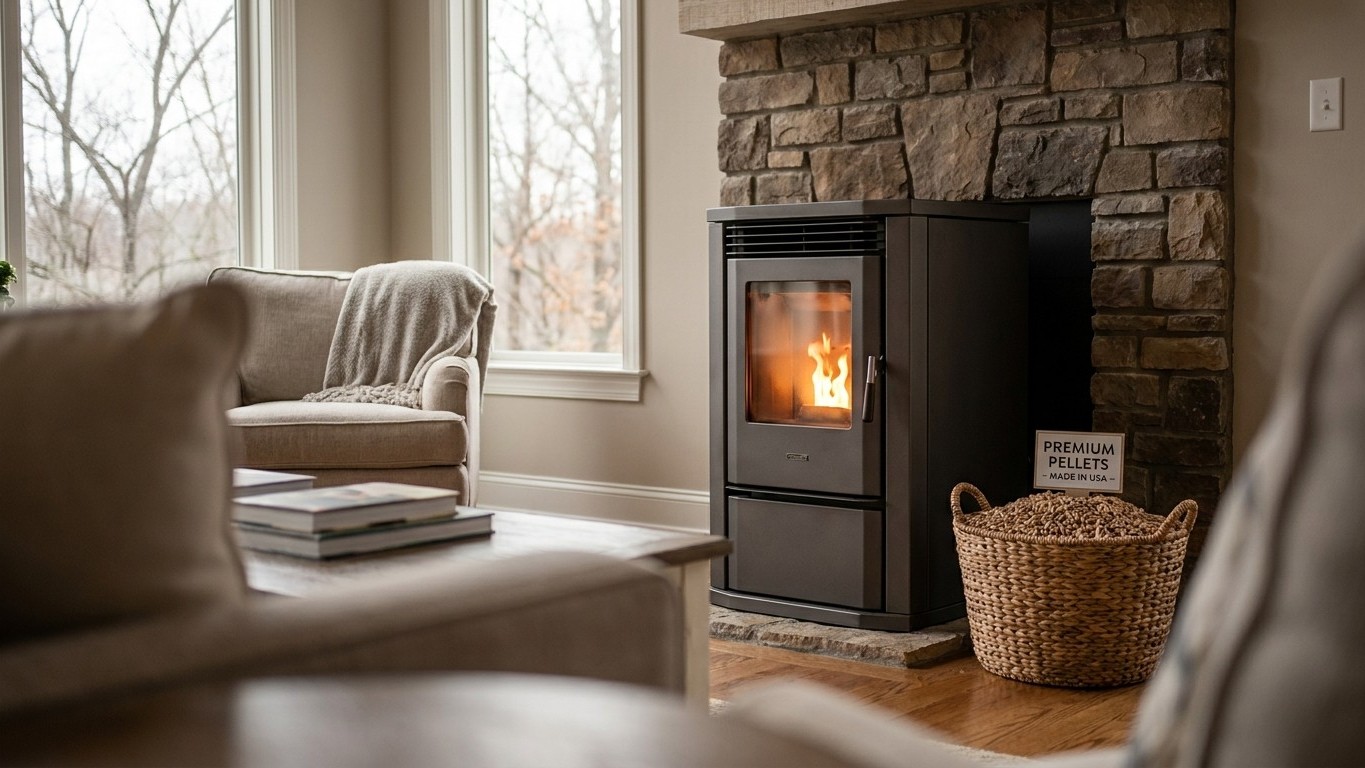
In and around Moncton, a pellet stove burns through roughly 2.5 to 4 tons of fuel over a typical winter for a house that leans on it as a main heat…