When to Aerate a Lawn in New Brunswick
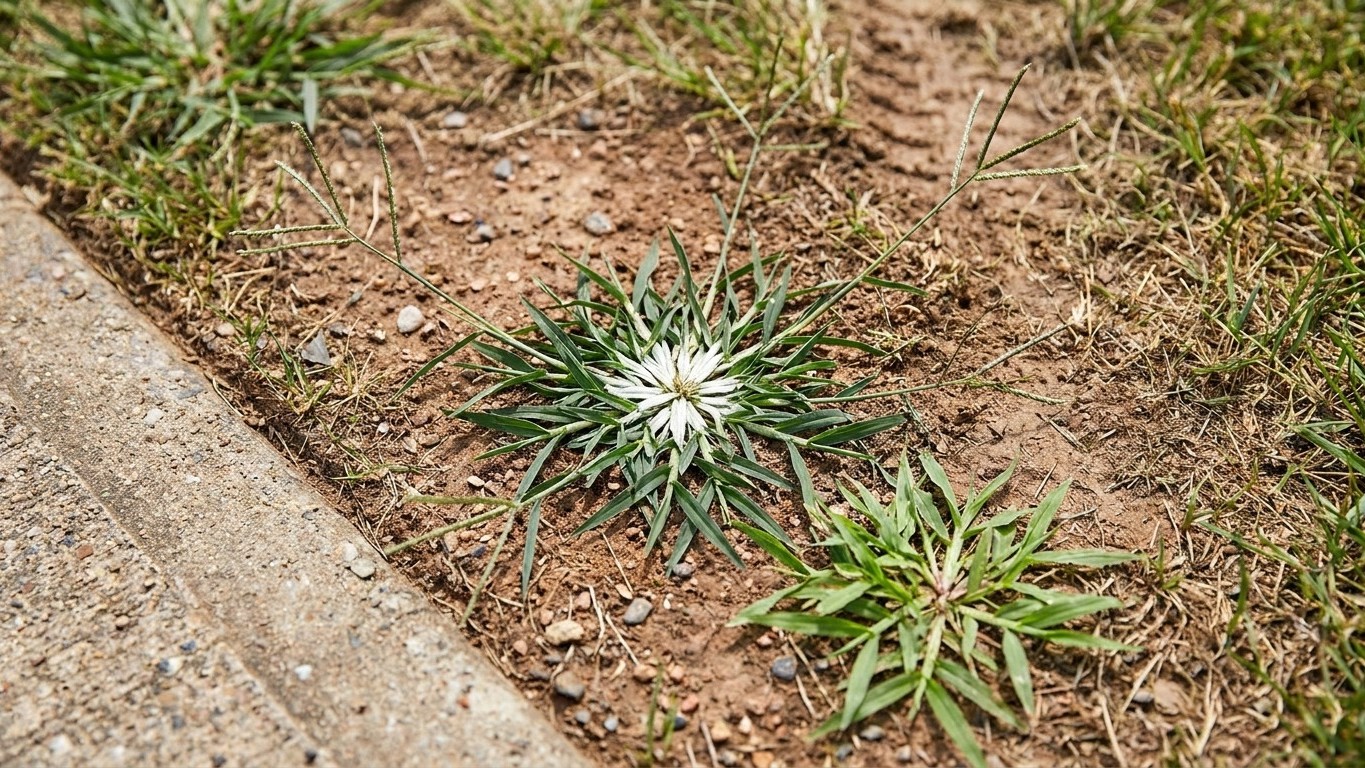
Aerate a New Brunswick lawn in early fall, once summer heat has eased and the grass is growing hard again, and finish before the first frost window opens.
Home & garden, state by state
Everything we have worked out for New Brunswick: what to plant and when, which varieties finish in time, the pests that actually turn up here, and the jobs that pay off month by month. We also cover the rest of the property, from lawns and soil to home care and energy, because a garden rarely stops at the vegetable bed.
The numbers first, because everything else follows from them. Measured at the weather station in Moncton, the last spring freeze falls around May 23 and the first fall freeze falls around October 2, 1,594 growing degree days in the year.
That is enough for early varieties, tight for anything late. Garlic does well: 34.8 weeks below 40 °F, comfortably past the six it needs to form a proper head.
Elsewhere on the property in New Brunswick: the pests that turn up here.
Figures from Environment and Climate Change Canada. A state is not one climate: elevation, a large lake or the coast can move these dates by two weeks either way, so check your own county with the extension service before you spend money.
Aerate a New Brunswick lawn in early fall, once summer heat has eased and the grass is growing hard again, and finish before the first frost window opens.
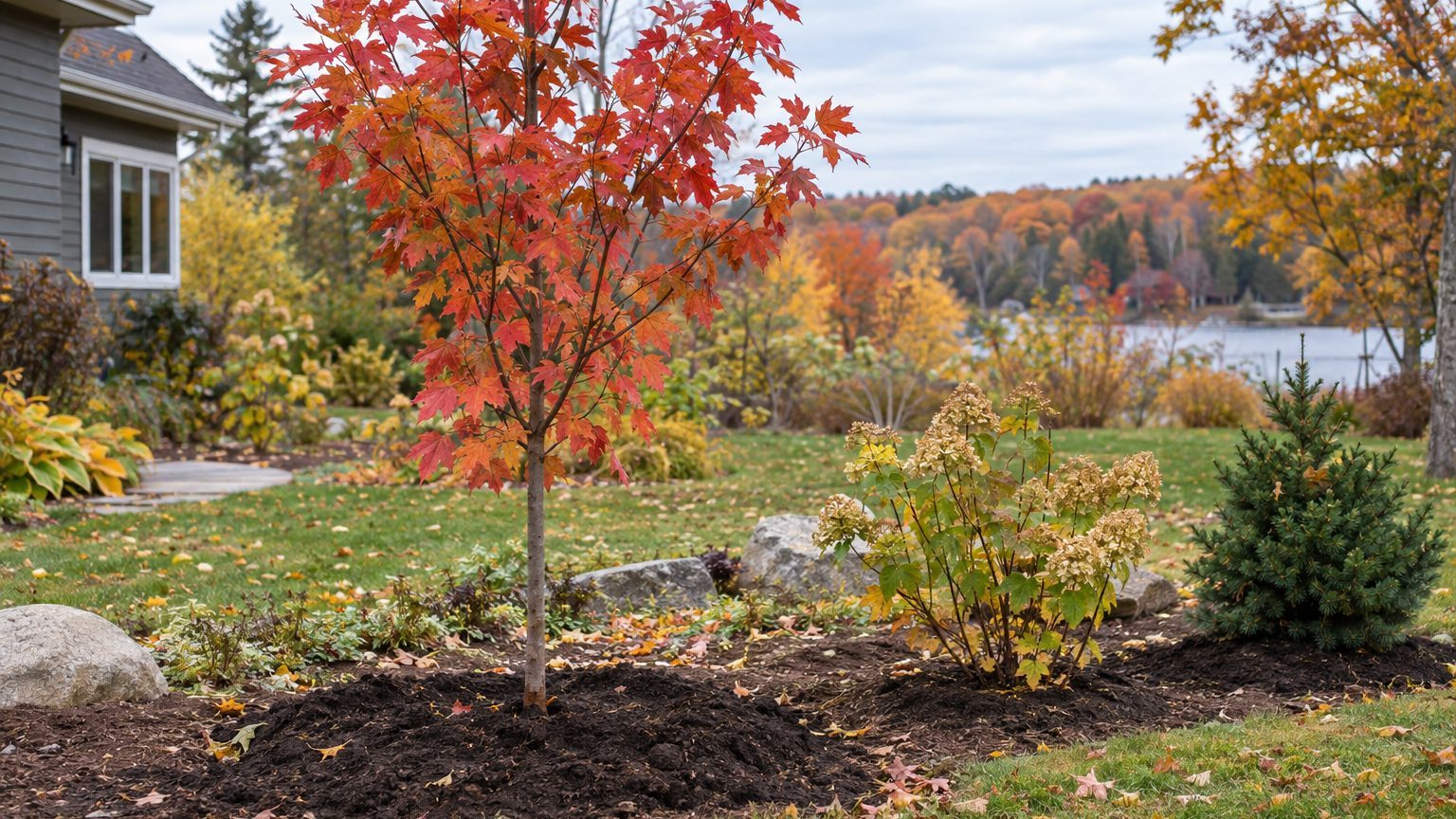
The safe target in New Brunswick is to get trees and shrubs in the ground at least six weeks before the first fall frost, which works out to around…
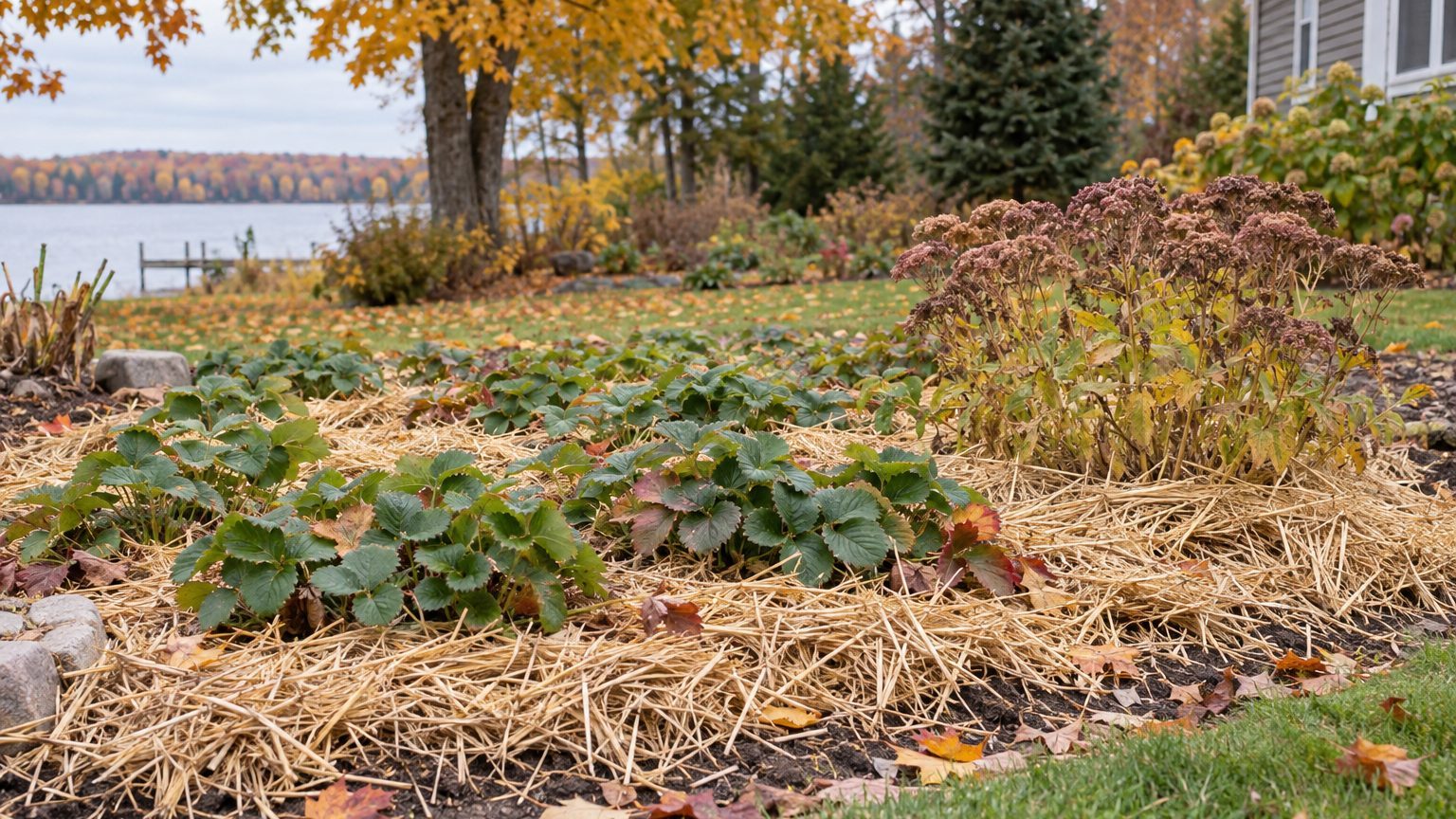
Mulch strawberries and perennials after the ground starts to freeze, not when the first frost blackens the leaves.
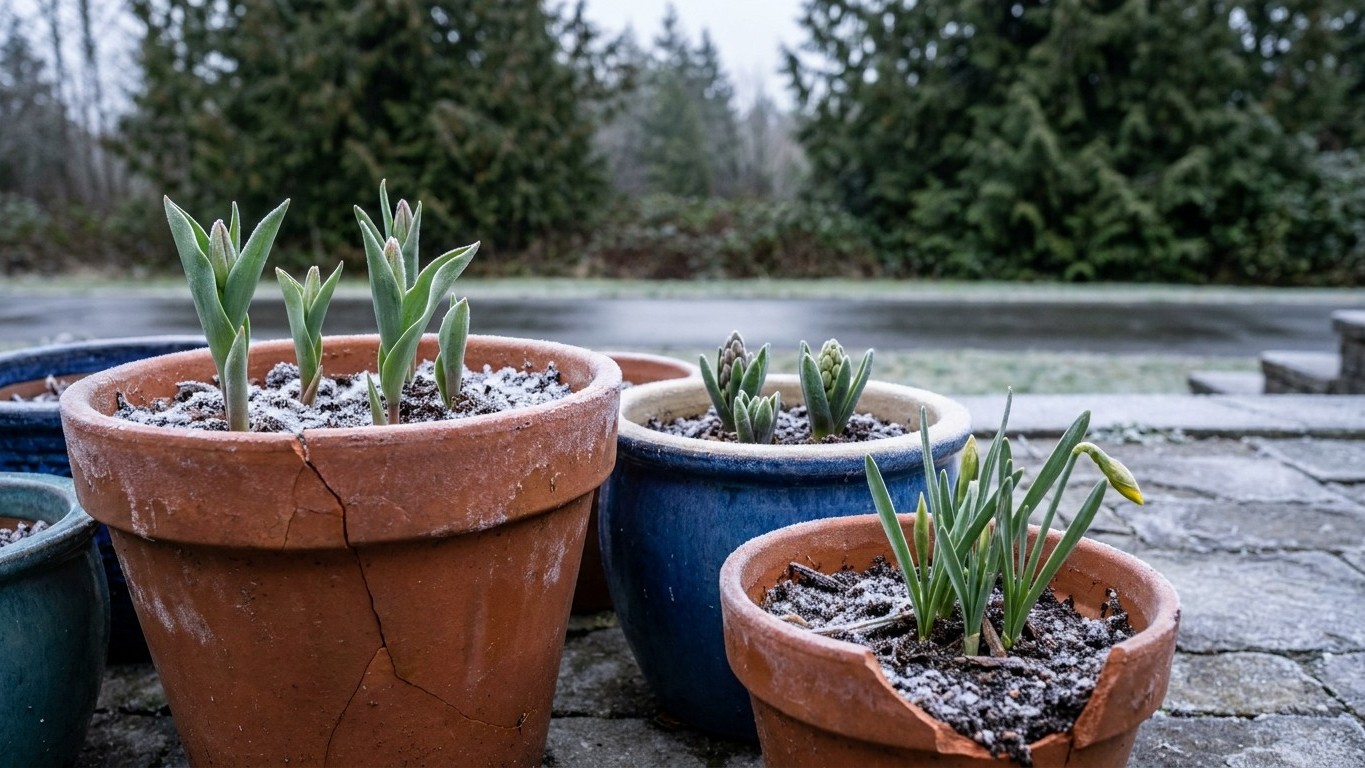
Dig them up. In New Brunswick, dahlia tubers, canna rhizomes and gladiolus corms do not reliably survive winter in the ground.
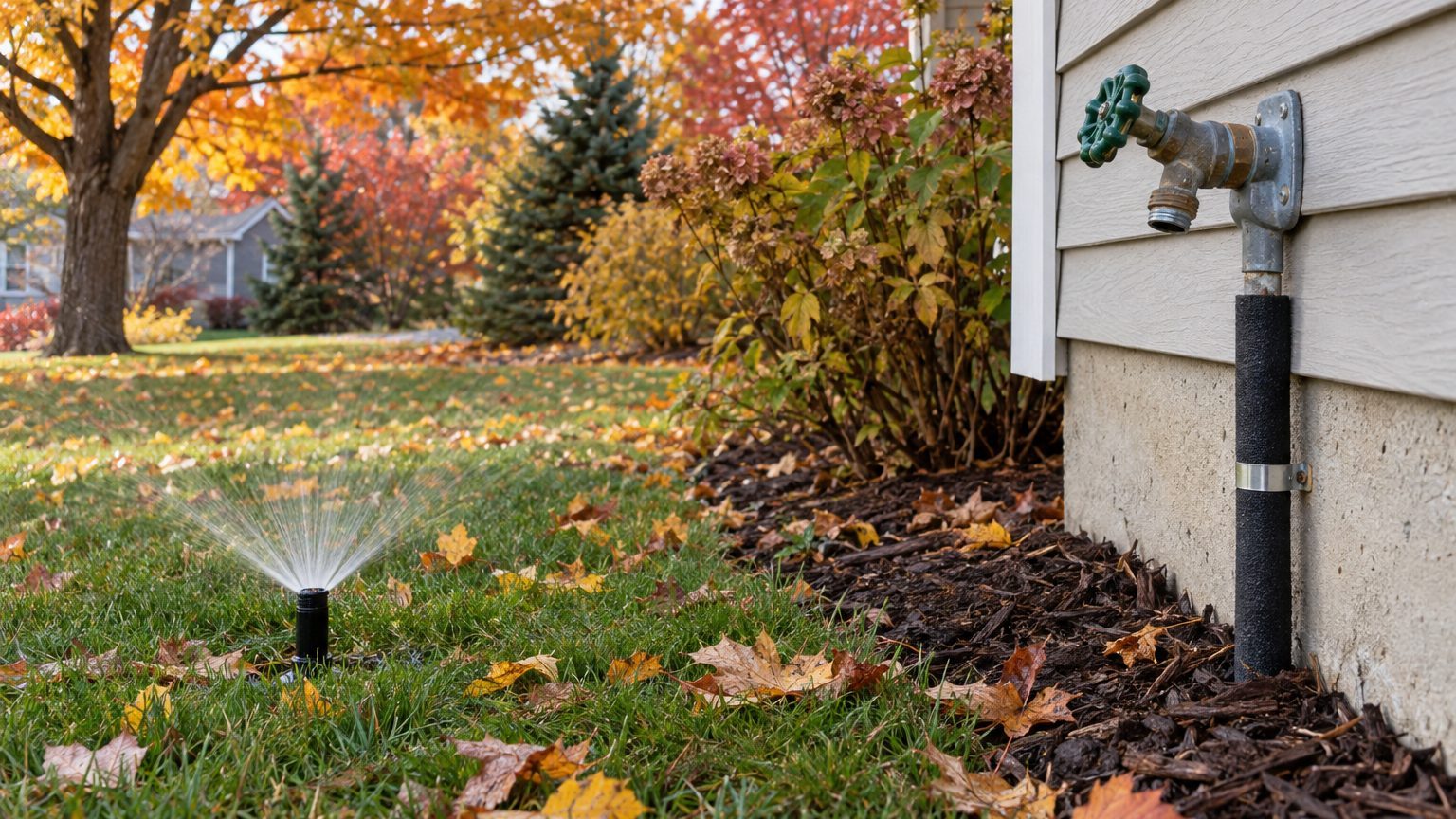
Late September into early October is the working window for emptying sprinkler lines and outdoor faucets in New Brunswick.

Count 70 to 100 days from the day you sow the seed, not from any transplant, because carrots are sown in place.
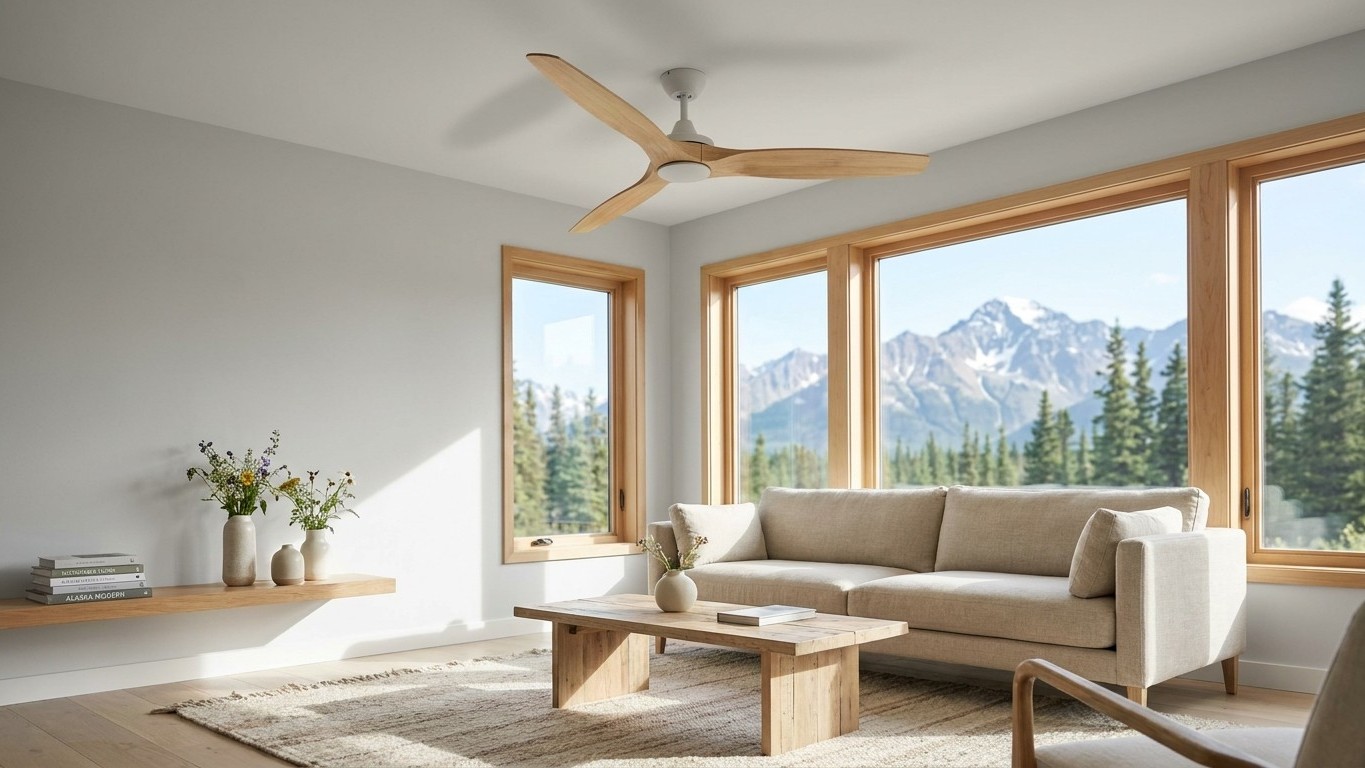
New Brunswick homes lean far more on individual cooling equipment than on central systems, and a large share of households have no air conditioning at all.
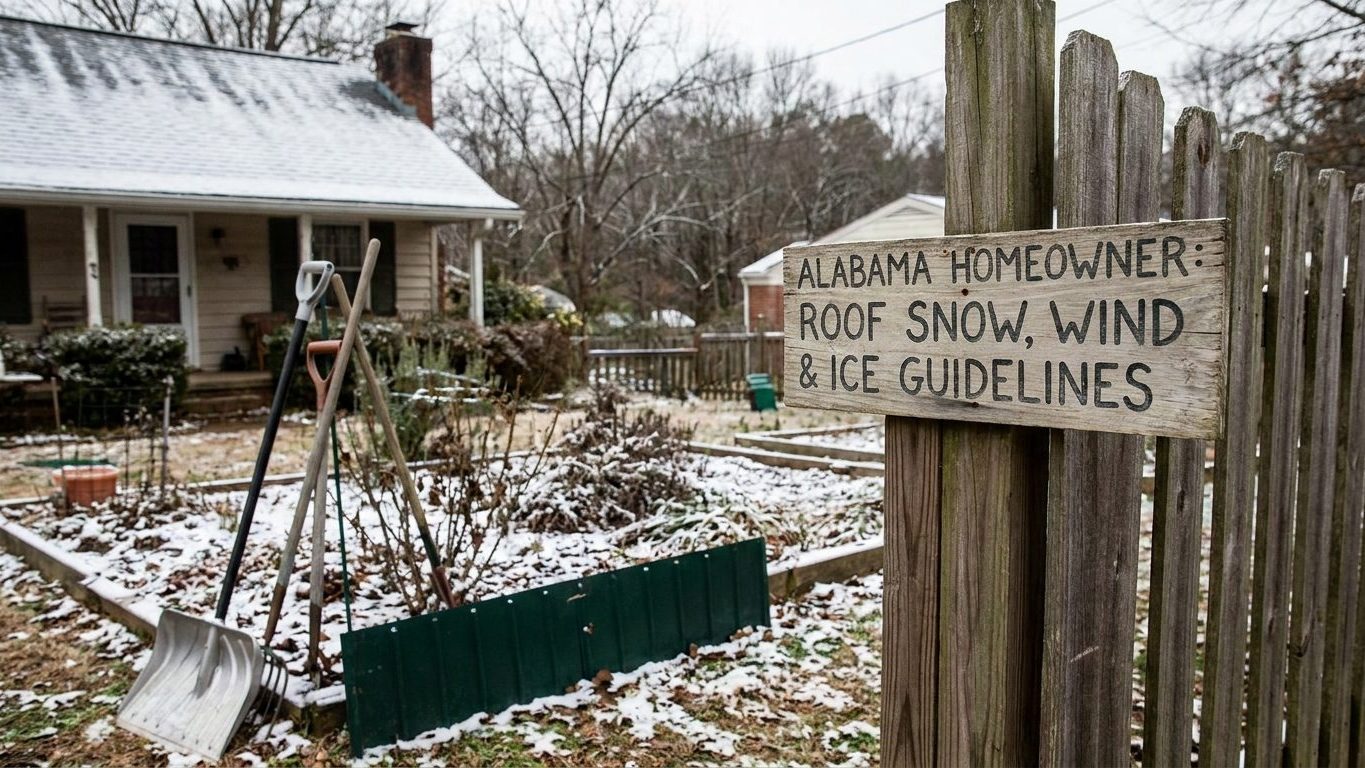
Explains how Moncton’s ground snow, rain-on-snow load, wind pressure and ice-dam risk set New Brunswick’s roof design rules, and where local codes apply.

The short answer: no insect species for carrot is documented specifically for New Brunswick in the sourced records behind this page.
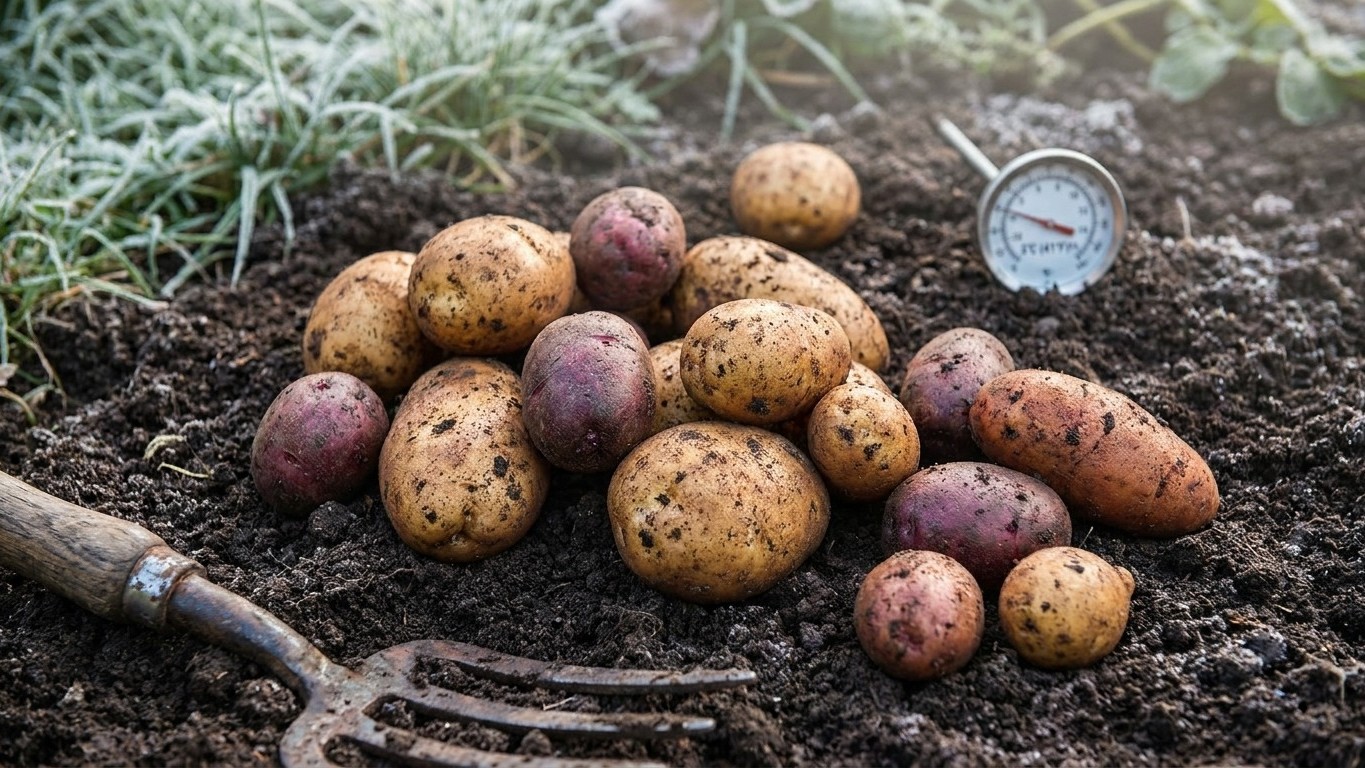
Colorado potato beetle and seedcorn maggot are the two insects documented for potato in this border region, according to University of Maine Cooperative…