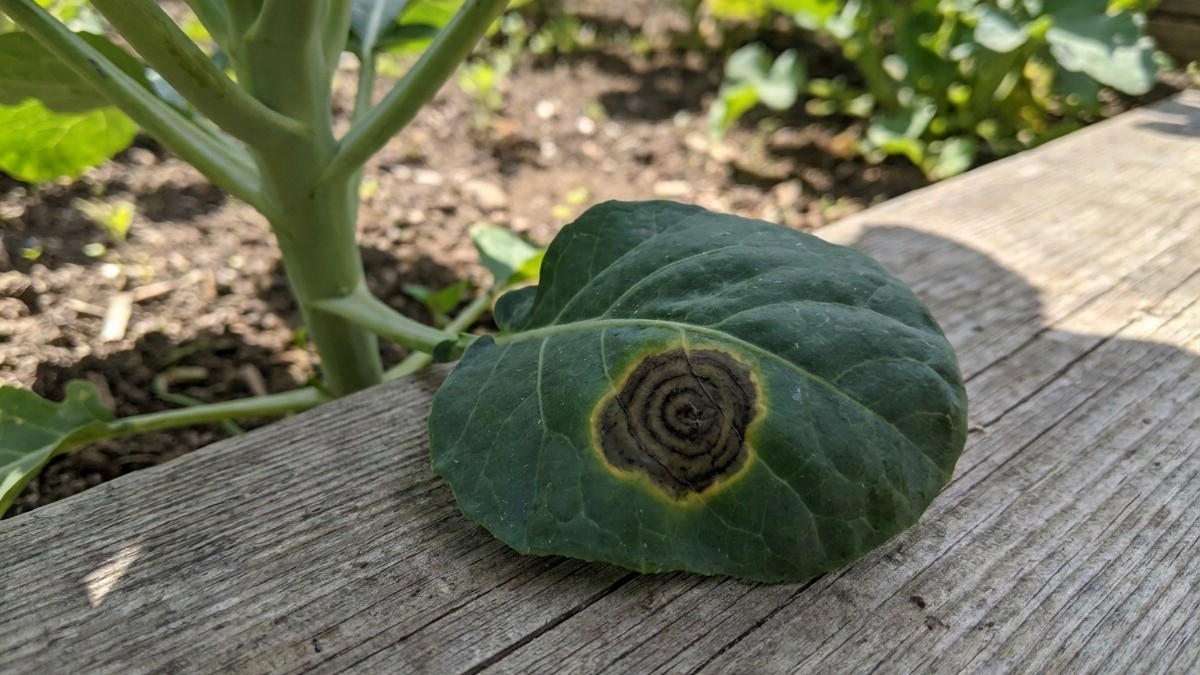

Cut a pumpkin when the rind has hardened, the color is even all over and the stem has started to dry, and do it before the first hard frost. Kept whole in a cool, dark place at 45-50 F, a pumpkin can last up to six months under the best conditions. Most gardeners in New York run short of time, not storage space. The calendar is set by when the flowers opened and where in the state you garden.
When pumpkins are ready in New York
A pumpkin is ready when the rind resists a fingernail, the color has deepened evenly and the stem has turned woody. The deadline is the first fall frost, which at Central Park falls between November 14 and November 27, according to NOAA NCEI’s U.S. Climate Normals (station data here). Central Park is a dense urban site, so treat that as the New York City window. Upstate New York and the Adirondacks frost far earlier in fall.
Pumpkins take 45 to 55 days to mature after flowering. The count starts on the day a female flower opens and a fruit begins to form, not on the day you sowed the seed. That one detail trips up a lot of gardeners. A vine can sprawl for months and still set fruit too late, because the clock on each pumpkin only starts at its own flower. Utah State University Extension gives that 45-55 day figure and adds that pumpkins should be harvested with the stem attached, before frost.
What does the New York growing clock look like?
The pumpkin season runs on two different signals, and they are easy to mix up. Soil temperature decides when to sow. The air decides when frost ends and begins. The table puts them side by side.
| Milestone | Figure | Source |
|---|---|---|
| Last spring frost, Central Park | March 23 to April 3 | NOAA NCEI U.S. Climate Normals |
| Sowing | When soil reaches 65 F | Utah State University Extension |
| Flowering to mature fruit | 45 to 55 days | Utah State University Extension |
| First fall frost, Central Park | November 14 to November 27 | NOAA NCEI U.S. Climate Normals |
Look at the first and second rows. A last spring frost date in late March or early April does not mean the soil is warm enough for seed. Soil lags the air by weeks, so 65 F usually arrives well after the final frost. A thermometer pushed a few inches into the bed settles the question better than the calendar does.
How do you know a pumpkin is ripe on the vine?
The calendar gives you a deadline, and the plant tells you the rest. Check these signs on each fruit:
- The rind is hard and a thumbnail leaves no dent.
- The color is deep and even, with no green streaks.
- The stem is dry, ridged and woody.
- The vine leaves around the fruit are yellowing or dying back.
Cut each pumpkin with a clean knife or pruners and leave the stem on. Lift it by the body, since a snapped stem opens a wound where rot gets in. Gardeners who have watched the vines suffer from insects may want to check the rind for chew marks first. The What Eats Pumpkin in New York, and When page covers the culprits.
Is there still time if the fruit is green?
Count forward from the day the first flowers opened. If that count runs past mid-November in the city, or past frost date upstate, the fruit will not finish. A flower that opens too late gives a green fruit that will not reach full size or color. The Will Pumpkins Ripen Before Frost in New York? page works through that decision in detail, and the Growing Pumpkins in New York page covers earlier steps like sowing time.
Keeping them, and for how long
The University of Illinois Extension, in its guide Choosing a Pumpkin, says a whole pumpkin keeps for three to six months in a cool, dark location between 45-50 F. That is a maximum under optimal conditions. A pumpkin with a bruise, a cut or a damaged stem will not reach it, and neither will one stored in a warm or bright spot. Treat six months as the ceiling and three months as the more realistic target for a garden pumpkin.
Utah State University Extension adds the floor under all of this: store pumpkins where they will not freeze. A frozen pumpkin looks fine until it thaws, and then it collapses into a soft mess. In New York, any unheated space that follows the outdoor temperature can get there by midwinter.
What should pumpkins be stored away from?
The Illinois Extension guide also says to keep pumpkins away from ripening fruit and vegetables, with apples, potatoes and tomatoes named as examples. Ripening produce gives off a gas that ages the pumpkin faster. Most people never hear about this. The porch next to a crate of apples is the worst place for a pumpkin, and so is the pantry shelf above the potato bin.
- Apples
- Potatoes
- Tomatoes
Check the pumpkin every couple of weeks. Any soft spot, damp patch or mold means that pumpkin goes to the kitchen first, because rot spreads to its neighbors. Pumpkins that took chew damage in the field are the most likely to start to go. The pest page shows what leaves those marks, so you can sort the sound fruit from the questionable ones before storage.
Does the 45-50 F figure apply to carved pumpkins?
No. That figure is for a whole, uncut pumpkin. A carved pumpkin has open flesh that dries, molds and attracts insects. Carve it close to the day you want to display it, and plan on a short life outdoors rather than months of storage.
Where in the house that actually is
Few homes have a room that holds a steady 45-50 F. A domestic refrigerator runs colder than a pumpkin tolerates, and it has no space for a pumpkin anyway. A heated living space is too warm. A garage swings with the weather, so in a New York winter it can drop below freezing on a cold night and stay mild during a thaw. The table sorts the common spots.
| Spot | Problem | Verdict |
|---|---|---|
| Refrigerator | Runs colder than a whole pumpkin needs, and has no room | Skip |
| Heated room or kitchen | Too warm, and usually bright | Skip |
| Attached garage | Temperature follows the weather and may freeze | Risky |
| Porch or shed | Freezes, and may sit near ripening fruit | Risky |
| Cool basement or closed-off spare room with the vent shut | Closest to cool and dark | Best bet |
For most New York houses, a basement that stays cool or a spare room with the heat shut off comes closest. It is dark, and it does not swing much from day to day. It also tends to be far from the kitchen fruit bowl, which matters because of the gas from ripening produce.
Before you move a whole crop in, leave a thermometer at pumpkin height for several days and confirm the spot holds near 45-50 F. A min/max thermometer is best, because it records the overnight low you would otherwise miss. Skipping the check can cost you a season’s pumpkins, since a spot that feels cool in October may be too warm by December or freeze in January. Read it again after the first cold snap. If the reading creeps above that range, move the pumpkins to the coolest spot you have.
Set the pumpkins on a shelf or a few boards, not directly on bare concrete, and leave a little space between them so air moves and you can spot trouble early. Keep them in a single layer if you can, with the stem up.
Common questions
Can I cut pumpkins before they turn fully orange?
You can, but a pumpkin cut before the rind hardens will not keep. If frost is coming and the fruit is only partly colored, cut it with the stem attached and bring it inside. Expect a shorter life than a fully ripe pumpkin gets.
Should I cut pumpkins before the first frost?
Yes. Utah State University Extension says to harvest with the stem attached, before frost. Frost kills the vine and can damage fruit left outdoors. A hard freeze can ruin the flesh of anything still on the ground.
How long do whole pumpkins last in storage?
The University of Illinois Extension says three to six months in a cool, dark spot at 45-50 F. Six months is the best case, and a bruised or warm-stored pumpkin will not last that long. Keep them away from apples, potatoes and tomatoes.
Is the frost date the same across New York?
No. The November 14 to November 27 window is the Central Park figure for New York City. Upstate New York and the Adirondacks frost far earlier in fall. Your county extension office can tell you what to expect where you garden.