Everything we have worked out for Newfoundland and Labrador: what to plant and
when, which varieties finish in time, the pests that actually turn up here, and
the jobs that pay off month by month. We also cover the rest of the property,
from lawns and soil to home care and energy, because a garden rarely stops at
the vegetable bed.
The numbers first, because everything else follows from them. Measured at
the weather station in St. John's,
the last spring freeze falls around May 30 and the first fall freeze falls around October 17, 1,006 growing degree days in the year.
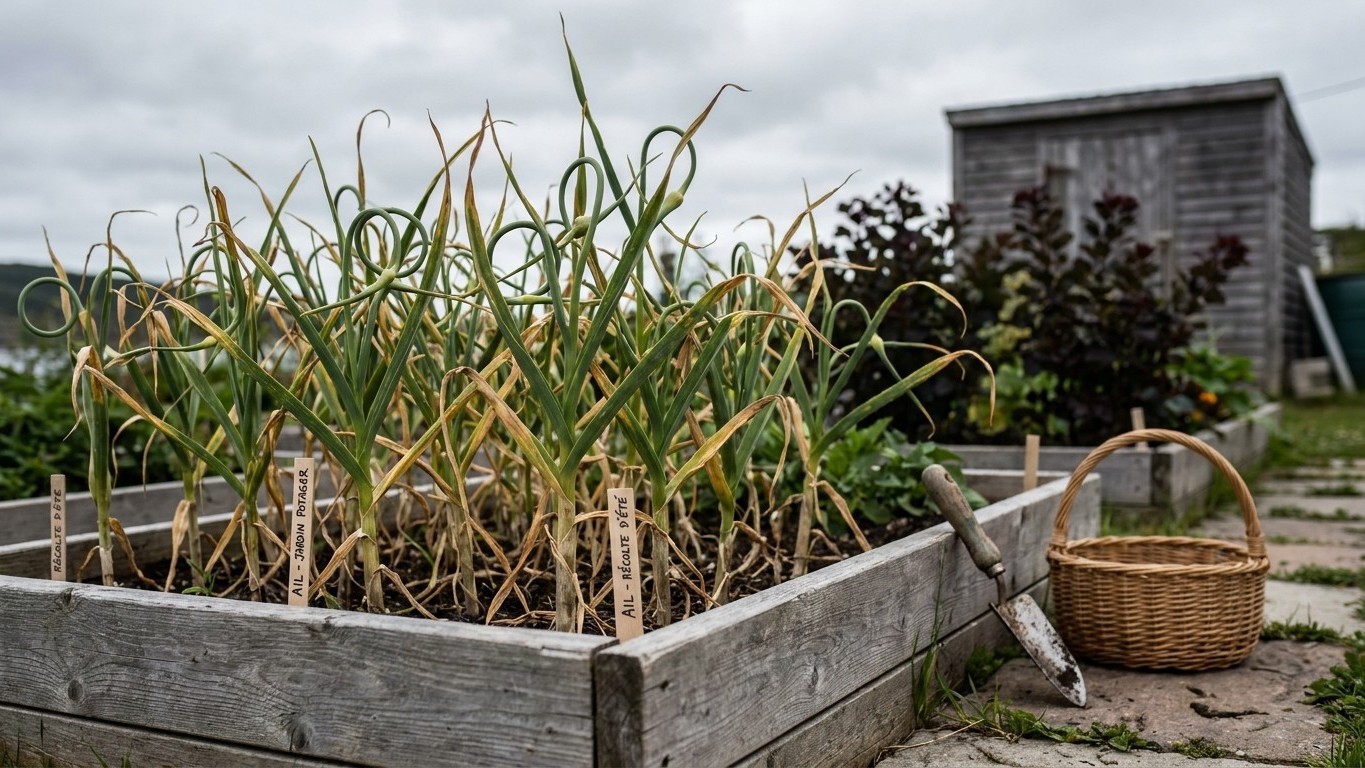
That is little accumulated warmth: tomatoes need a tunnel or a greenhouse here, whatever the frost dates suggest. Garlic does well: 34.8 weeks below 40 °F, comfortably past the six it needs to form a proper head.
Figures from
Environment and Climate Change Canada.
A state is not one climate: elevation, a large lake or the coast can move these
dates by two weeks either way, so check your own county with the extension service before you spend money.
Garlic in Newfoundland and Labrador gets plenty of winter cold; the real decision is which type to plant and when to set cloves before the October frost.
St. John’s averages 139 frost-free days, so this guide covers exact planting windows, disease-resistant varieties, and steps to ripen tomatoes before the first fall frost.
Calculate tomato transplant and ripening dates for Newfoundland and Labrador using St. John’s frost averages, catalogue days to maturity, and your own county’s conditions.
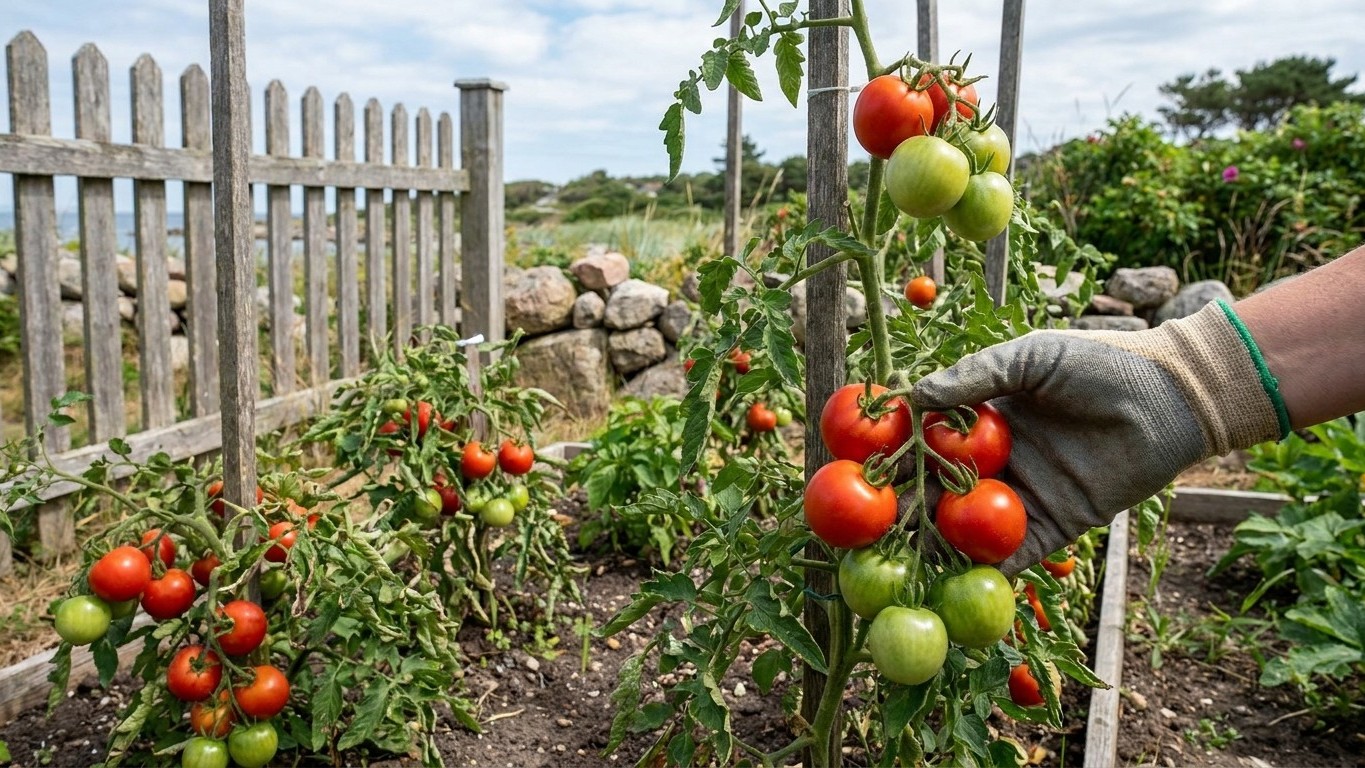
Eight named tomato cultivars matched against St. John’s mean frost dates, from 55-day cherry tomatoes to 78-day paste types, to show which ones actually finish.