What Eats Onion in North Dakota, and When
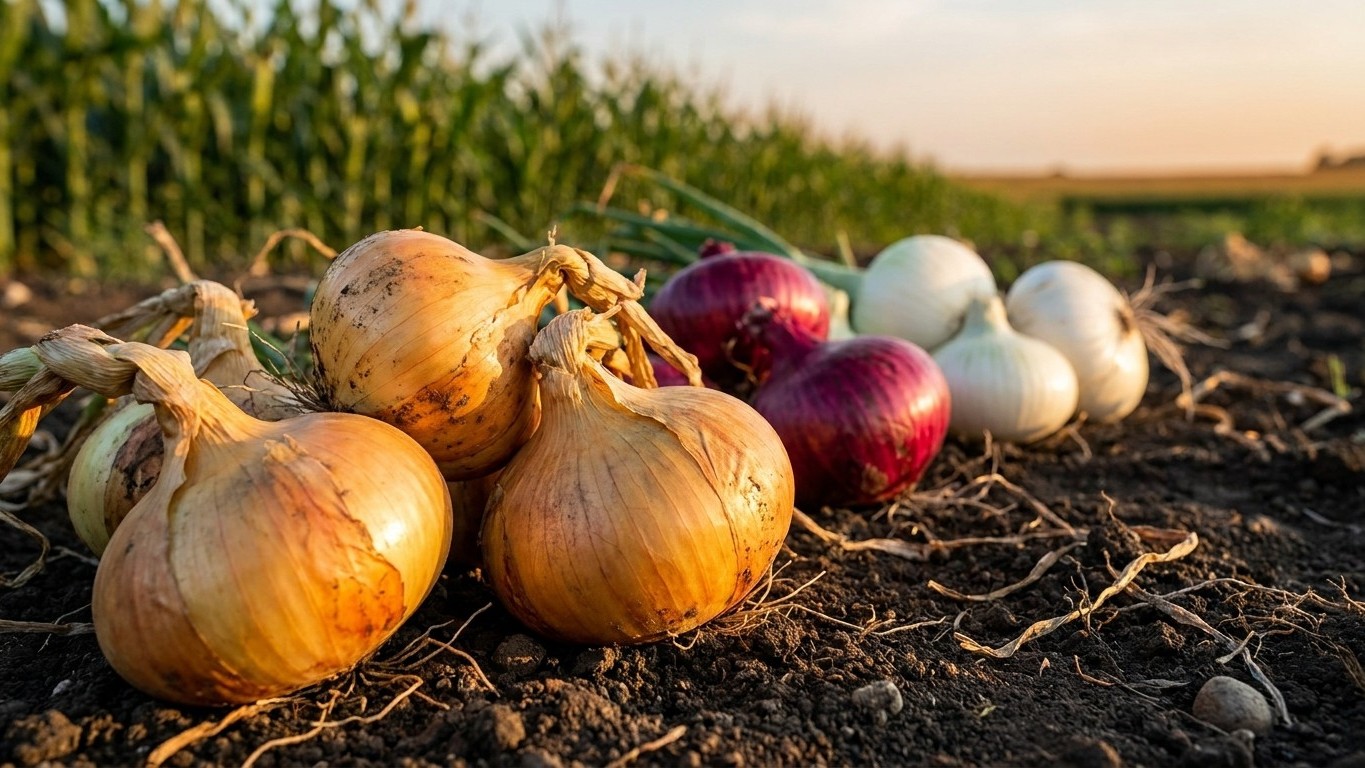
NDSU Extension publishes fact sheets on six insects common enough across North Dakota to warrant tracking: apple maggot, boxelder bug, Colorado potato…
Home & garden, state by state
Everything we have worked out for North Dakota: what to plant and when, which varieties finish in time, the pests that actually turn up here, and the jobs that pay off month by month. We also cover the rest of the property, from lawns and soil to home care and energy, because a garden rarely stops at the vegetable bed.
The numbers first, because everything else follows from them. Measured at the weather station in Fargo, the last spring freeze runs May 4 to May 15 and the first fall freeze runs September 25 to October 5, USDA zones 3a-4b, 2,673 growing degree days in the year.
Garlic does well: 30.4 weeks below 40 °F, comfortably past the six it needs to form a proper head.
Elsewhere on the property in North Dakota: the pests that turn up here.
Figures from NOAA's 1991-2020 climate normals. A state is not one climate: elevation, a large lake or the coast can move these dates by two weeks either way, so check your own county with the extension service before you spend money.
NDSU Extension publishes fact sheets on six insects common enough across North Dakota to warrant tracking: apple maggot, boxelder bug, Colorado potato…
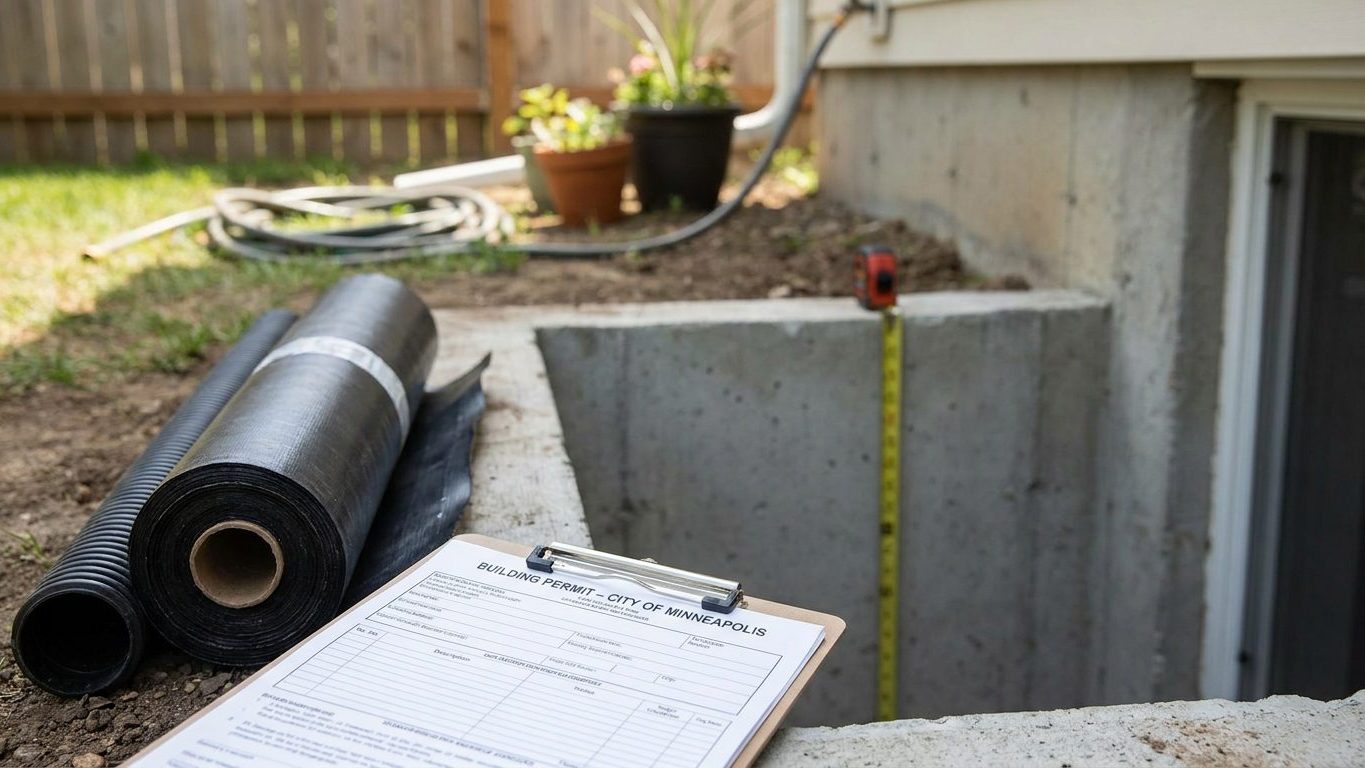
North Dakota’s basement rules depend on local adoption of the state building code, with specific egress, ceiling height and waterproofing requirements once it applies.
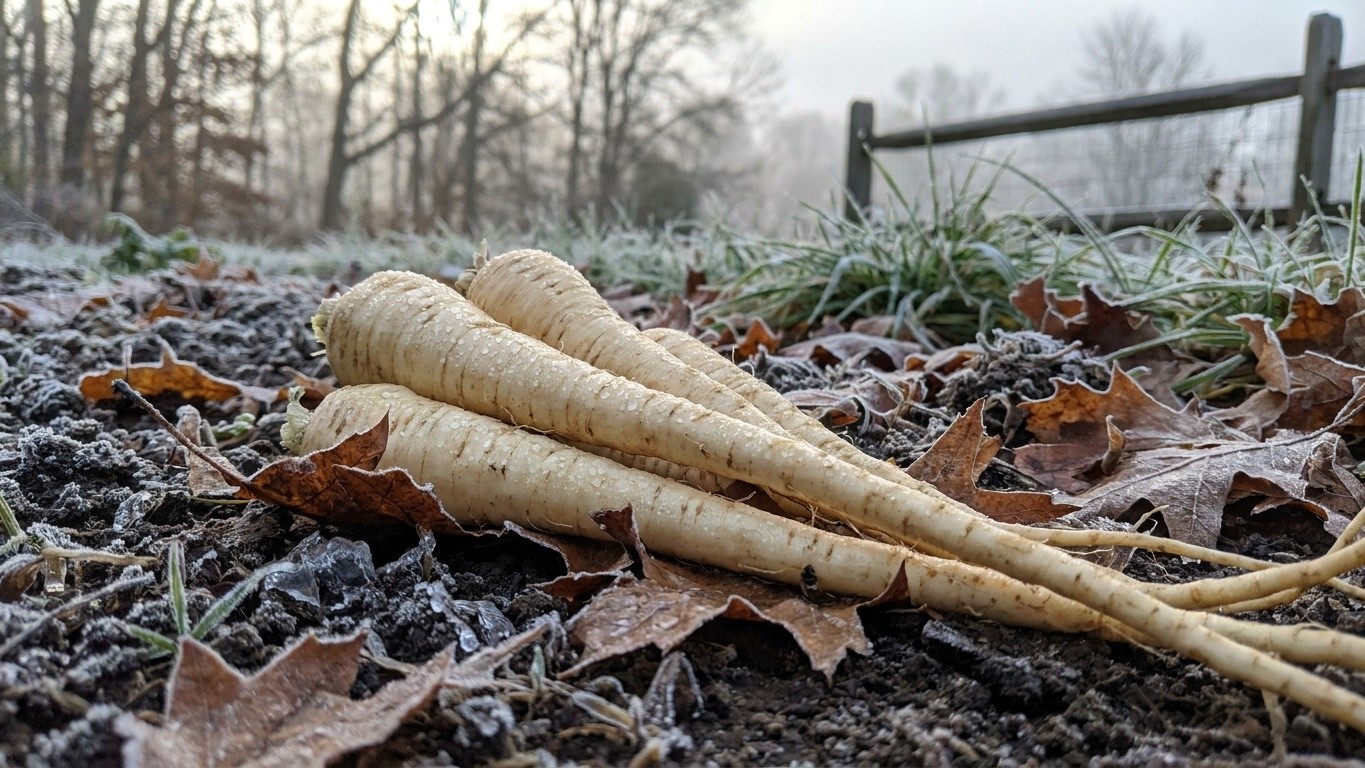
NDSU Extension documents six pest species with a track record in the state: apple maggot, boxelder bug, Colorado potato beetle, corn earworm, emerald ash…
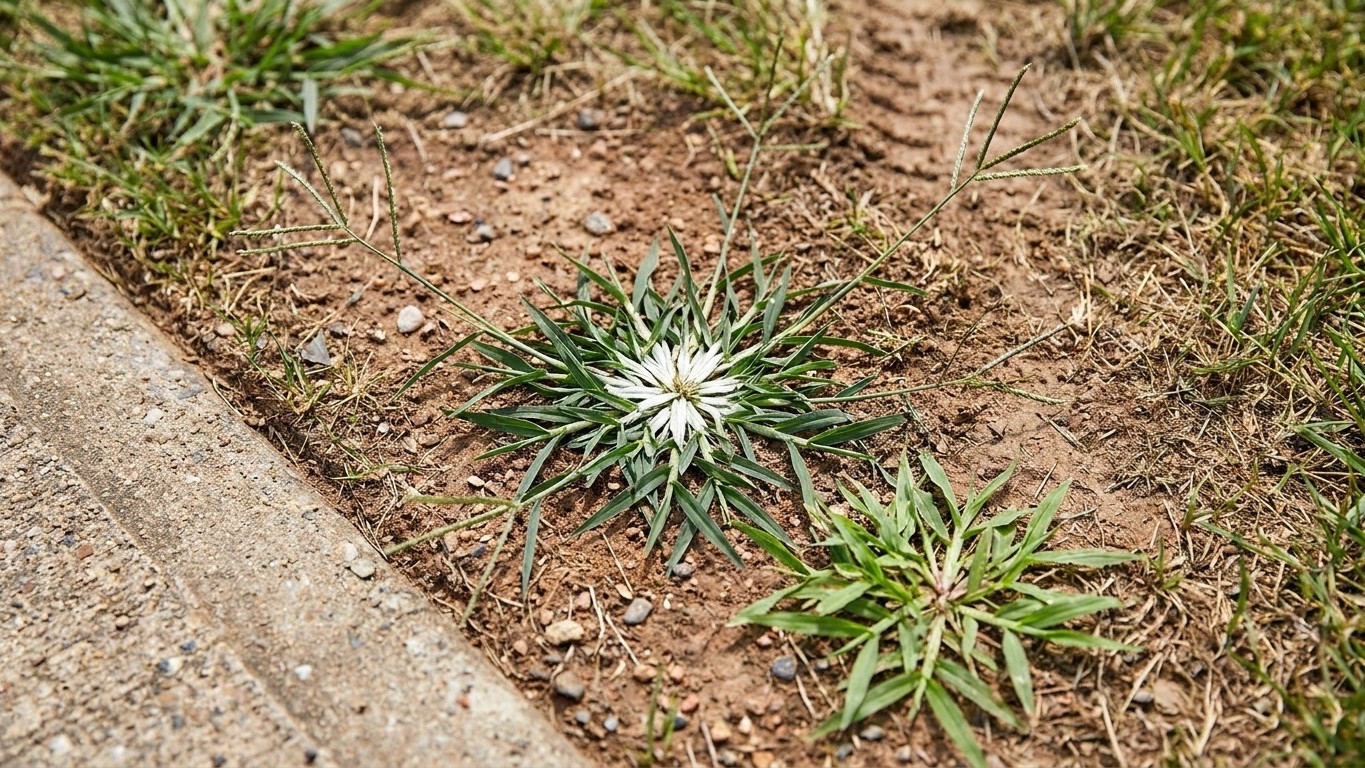
The safest overseeding window in North Dakota runs from mid-August through the first week of September, timed to give cool-season grass roughly 45 days…
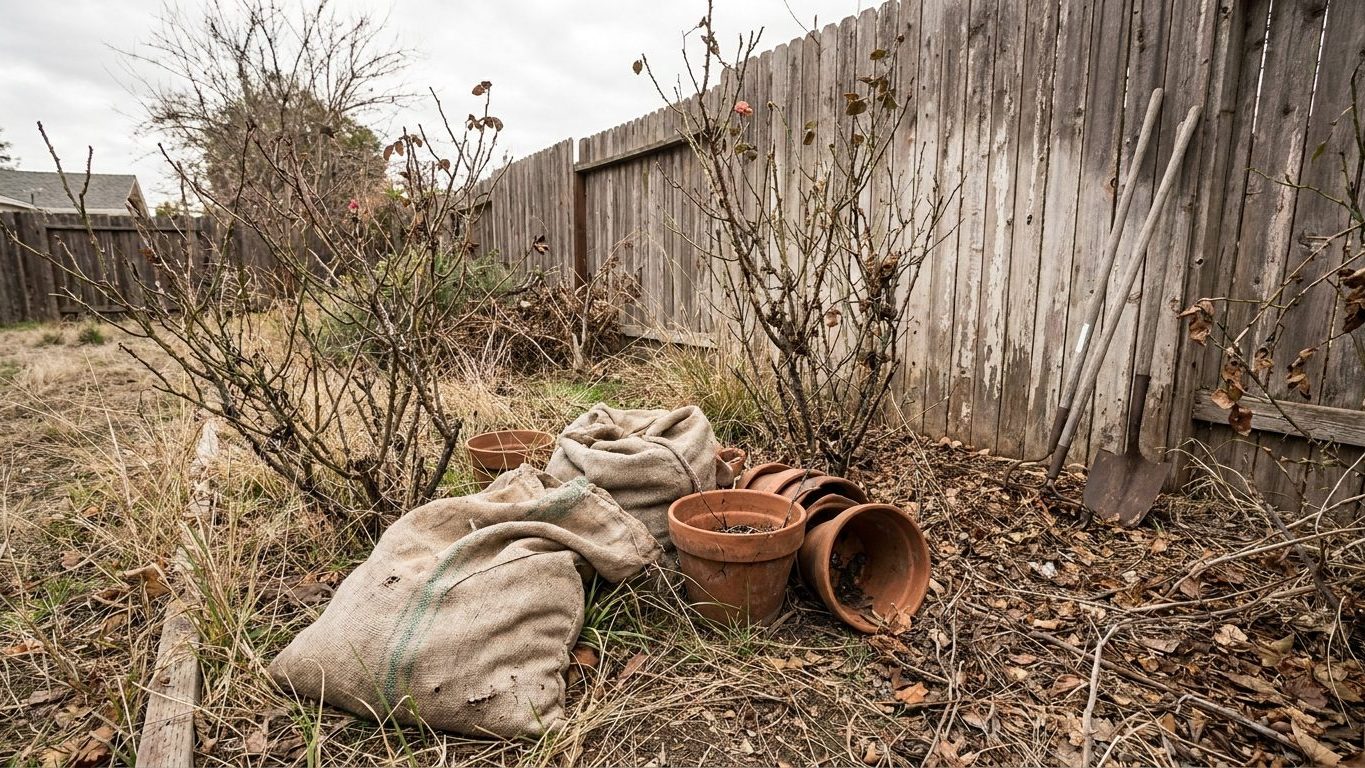
The last spring frost in North Dakota’s reference station falls between May 4 and May 15, and the first fall frost arrives between September 25 and…
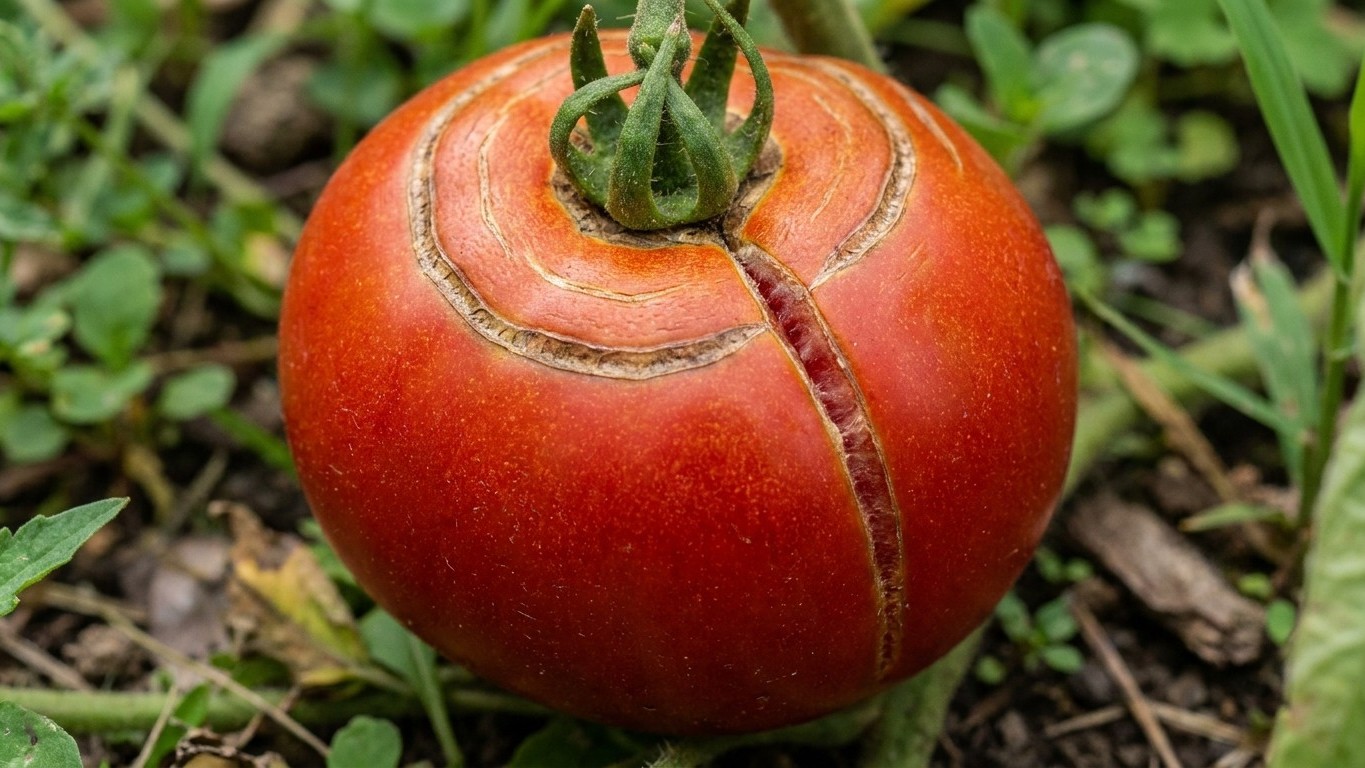
Most tomato harvest decisions in North Dakota get made by the calendar, not by the fruit itself.
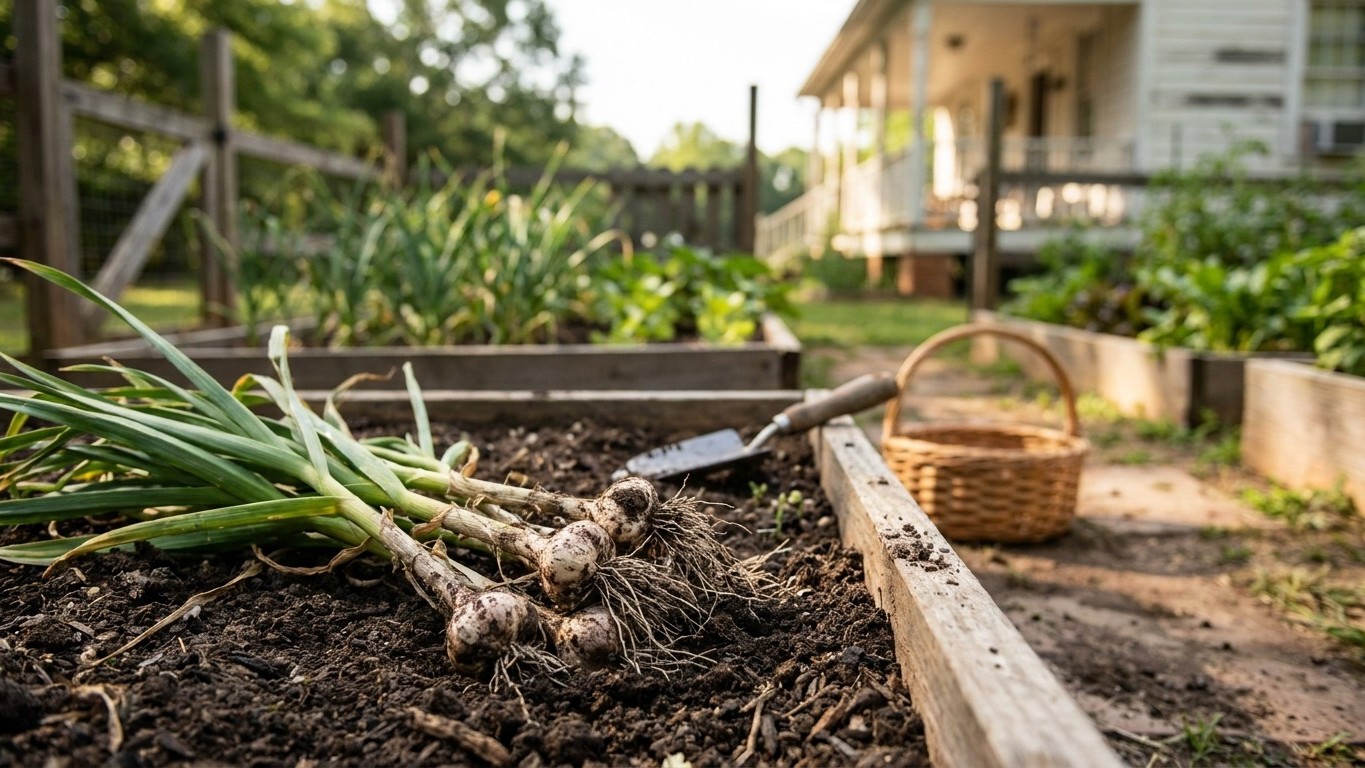
In North Dakota, garlic goes into the ground in autumn, sits under snow all winter, and comes up the following summer, usually in July, once the lower…
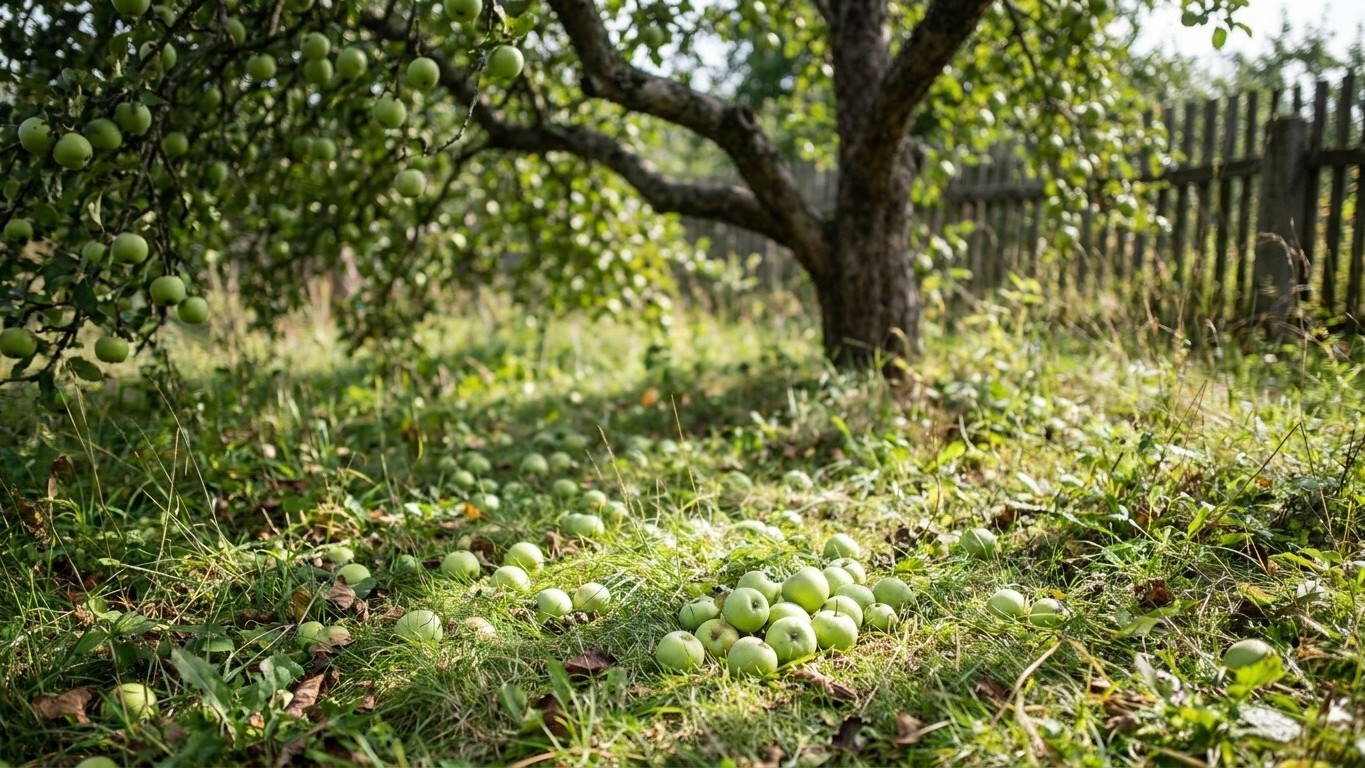
Apples in North Dakota are picked by stage, not by date on a calendar, but the workable window runs from mid-August for the earliest varieties to early…
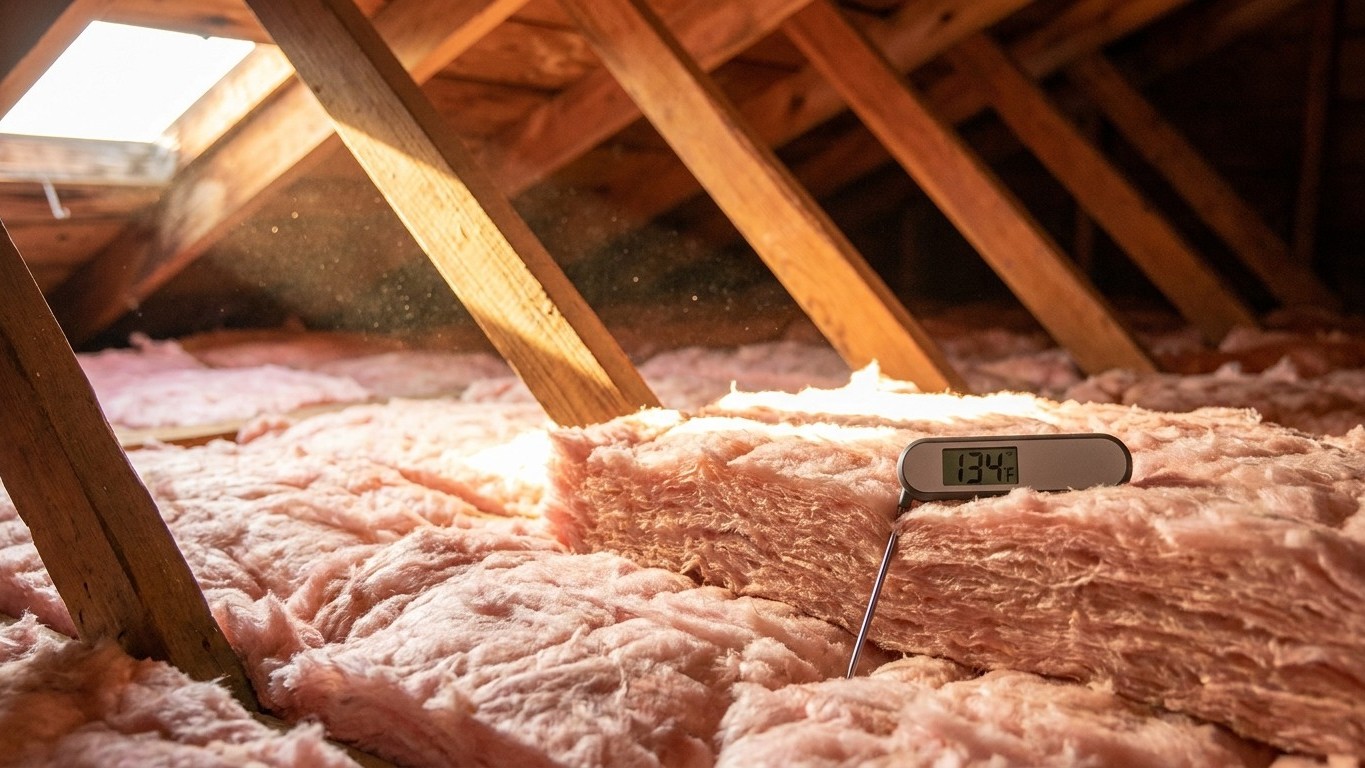
Yes, insulation helps a North Dakota home stay cool, but the honest picture starts with how short that cooling season actually is.
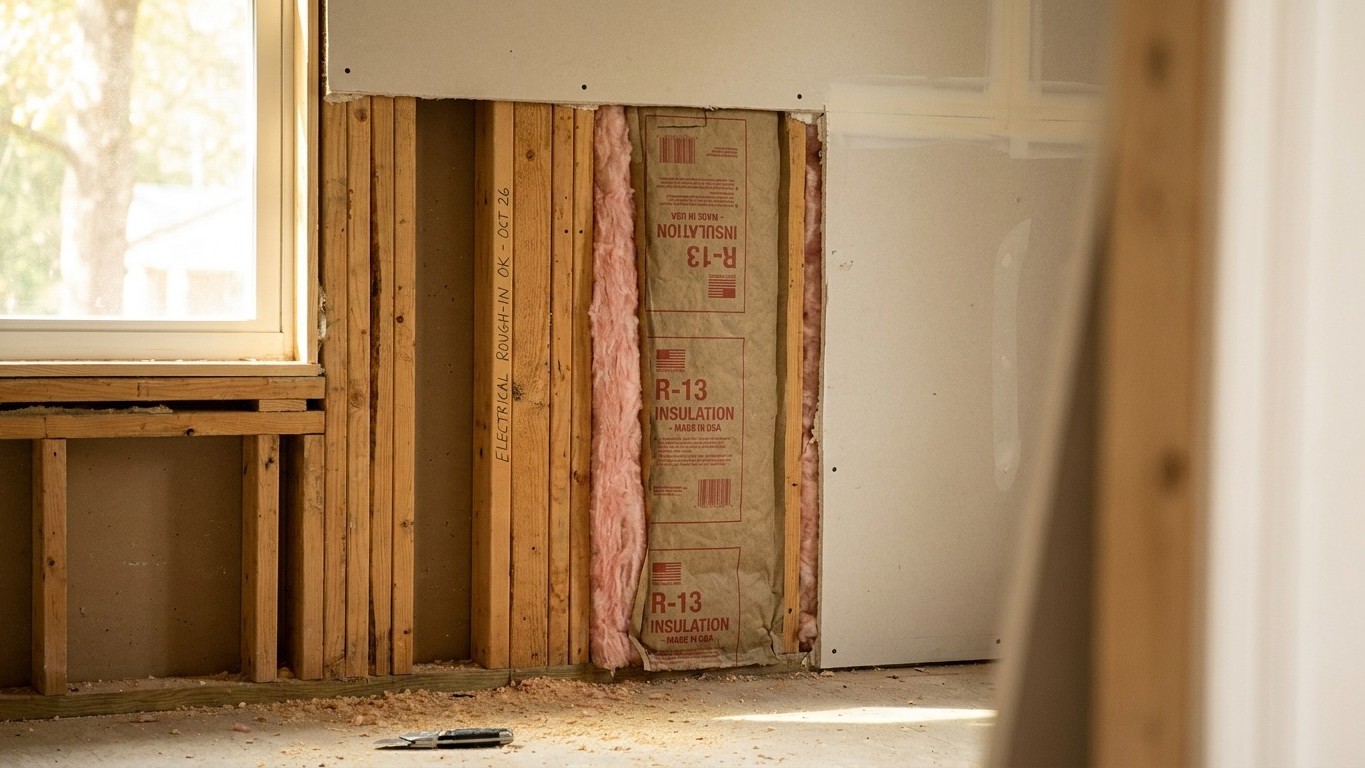
Yes. North Dakota’s counties sit in IECC climate zones 6A and 7, and neither zone falls under the code’s exception for warm climates, so a vapor retarder…