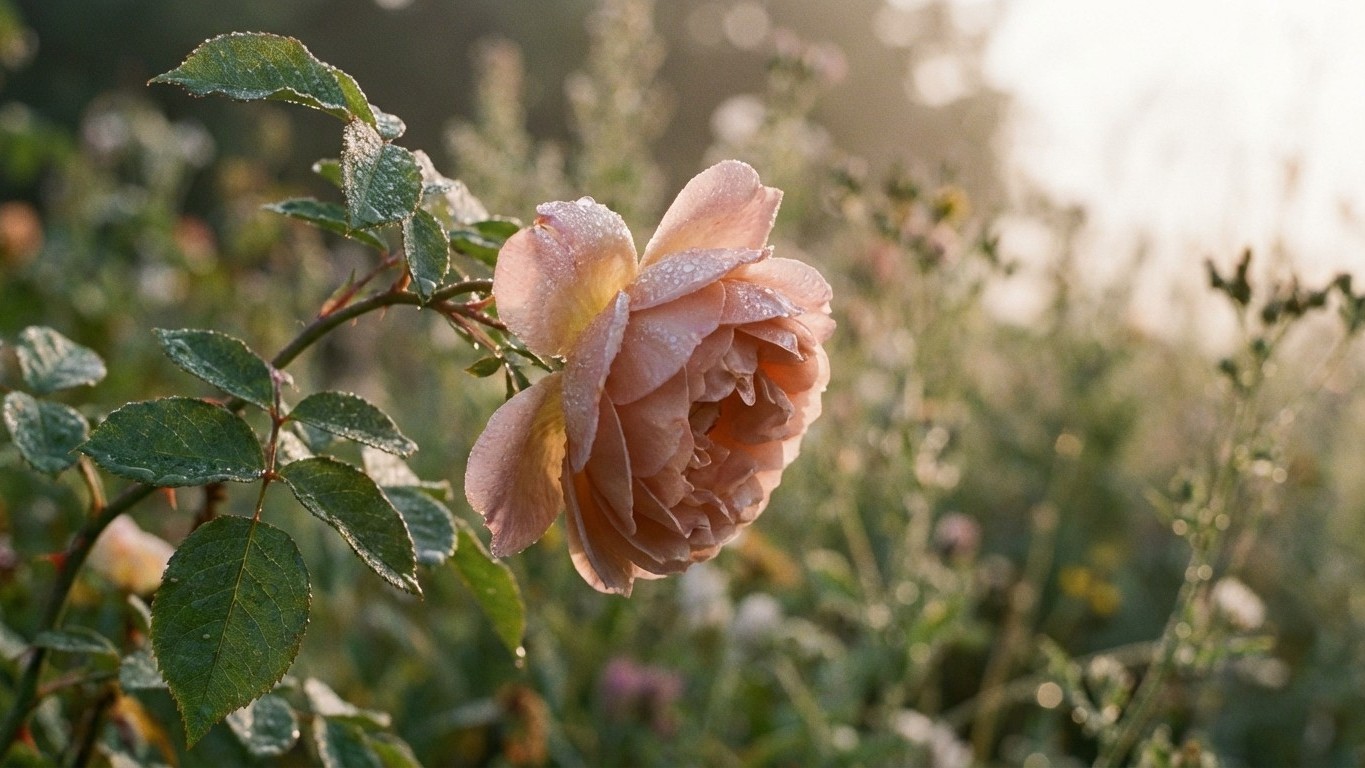

Rugosa roses, the Canadian Explorer series, Knock Out, and a few tough climbers such as New Dawn are the ones that come through Oregon winters with little fuss, though Knock Out and New Dawn need more care in the coldest zones. Hybrid teas, grandifloras and tree roses are the ones that struggle, and they fill many garden center benches. What separates the two groups is cold hardiness and how the plant was propagated. West of the Cascades most roses will live. East of them, the list shrinks fast.
Which roses survive an Oregon winter
The USDA Plant Hardiness Zone Map places Oregon anywhere from about 5a to 10a (older editions of the map showed pockets of zone 4 and topped out at 9b). That range runs from cold mountain valleys and basins in the east to the mildest ground in the west and southwest. The USDA system rests on a single variable, the average annual extreme minimum temperature. It tells you how cold the worst night of a typical winter gets, and says nothing about soggy soil, wind or summer heat. Use it as the first filter when you read a plant tag.
Rugosa roses and their hybrids sit at the cold end. The species shrugs off zone 4 winters without any covering. The Explorer series does the same. Gallicas and albas, the old European garden roses, are also worth growing. All of these are usually grown on their own roots, which turns out to matter a great deal (more on that below).
The middle of the pack is modern shrub roses and sturdy climbers. They live through most Oregon winters, though in the colder zones they may lose the tips of their canes. At the tender end are hybrid teas, floribundas and grandifloras. In zone 4 and 5 country they need help every winter, usually a mound of soil or bark over the base of the plant, and even then they can die back hard.
Portland is the useful reference for the mild side of the state. Its typical last spring freeze falls between March 6 and March 21, and its typical first fall freeze between November 11 and November 27. Those windows come from the 30 to 70 percent probability band for a 32 F freeze in the NOAA NCEI U.S. Climate Normals. Portland sits west of the Cascades. Central and eastern Oregon are high desert with a far shorter season, so those dates do not carry over there.
In the valley, deep cold seldom kills a rose outright. The damage comes from an occasional arctic outbreak, or from a freeze that lands after warm weather has pushed out soft new shoots. A rose that leafs out early can lose that first growth to a late-winter freeze and still live. Cold hardiness decides whether the plant survives. It does not decide whether you get a clean first flush.
Named roses that hold up here
The roses below are sold widely and have a long record in cold gardens. Where a rose needs a caveat in the coldest zones, the table says so.
| Rose | Type | What it survives |
|---|---|---|
| Hansa | Rugosa shrub, double magenta-purple, fragrant | Zone 4 winters with no protection; also handles poor soil |
| Therese Bugnet | Hybrid rugosa bred in Alberta, pale pink, fragrant | Zone 4 winters with no protection; canes stay sound through hard freezes |
| Henry Hudson | Explorer series, compact white rugosa hybrid | Cold winters bred into it; a good low shrub for exposed sites |
| William Baffin | Explorer series, tall climbing shrub, deep pink | Cold winters bred into it; holds up as a trained pillar or fence rose |
| Knock Out | Modern shrub, repeat bloomer | Wet, mild valley winters without trouble; in colder zones it can die back and regrow from the base |
| New Dawn | Pale pink climber | Valley winters well; in zone 4 and 5 country it wants a sheltered wall |
Hansa and Therese Bugnet are the safest bets for a gardener who wants fragrance and does not want to think about winter. Both bloom heavily in late spring and then repeat more lightly. Hansa follows with large red hips that birds and jam makers both appreciate. Rugosas on their own roots also send up suckers, so give them room.
Many Explorer roses are named for Canadian explorers, and they were bred specifically so a rose could live through a prairie winter. Henry Hudson stays compact, which suits a small yard. William Baffin gets big and can be tied to a fence or post, giving you a climber for places where New Dawn would suffer.
Knock Out earns its reputation west of the Cascades. It blooms from late spring until frost and tolerates the long, wet, mild winters of the Willamette Valley. In colder areas the canes may freeze back. Wait until the buds swell in spring before you judge what is dead, because a cane that looks lifeless in February may leaf out in April and a hasty cut removes live wood.
New Dawn is the classic climber for the valley. It blooms on both old and new wood, so a hard winter that kills some canes still leaves flowers. Where the temperature drops harder, plant it against a south or west wall so the house holds some warmth.
Sold here, but not for this zone
Garden centers buy from national growers, and the stock follows national demand. A bench of hybrid teas in March tells you what sells in Ohio and Georgia as well as Oregon. Several groups on that bench will not come through a cold Oregon winter without work.
- Grafted hybrid teas, grandifloras and floribundas. These are fine in the mild valley with a mulch mound. In zone 4 and 5 country they die back every winter, sometimes to the ground.
- Tree roses. A standard rose is a flowering variety grafted on top of a bare trunk. The graft sits high in the open air, so one hard freeze can kill the whole top.
- Miniature gift roses. Those pots at the grocery store are grown indoors and forced into bloom. They often fail in the ground the first winter.
- Tea, China and Noisette types. Old garden roses from warm regions are lovely and tender. They suit the mildest coastal and southwest pockets, and almost nowhere else.
English roses are a gray area. They are sold nationally and do well in the Willamette Valley, but in the colder zones many need the same protection as hybrid teas.
The grafting problem explains most of the grief. Grafted plants combine a showy top with a tough rootstock. When a freeze kills the top to the ground, what regrows is the rootstock, not the rose you paid for. The result is a vigorous shrub with small single flowers that looks nothing like the label. Many gardeners have spent a summer watering a plant they never chose.
Timing adds a second trap. Roses that are already leafed out in pots in late winter have soft growth, and a freeze in that March window in the Portland area can burn it. Bring the pot into a garage on cold nights, or hold off on planting until the new leaves have hardened.
What to check on the label before buying
Three details on the tag or bag tell you most of what you need. The first is the grade. Bare-root roses are sold in grades, and the top grade has the most and thickest canes. A cheap No. 2 may live, but in cold ground a plant with less stored energy recovers more slowly after a freeze.
The second is whether the rose is grafted or on its own roots. Own-root plants are often marked as such, and grafted ones show a swollen knob at the base of the stem where the top meets the rootstock. If the tag says nothing, look at the base.
The third is the zone number on the tag. Compare it against your own USDA zone, not against the zone of the grower. A tag that reads zone 5 to 9 is a plant that will take a zone 5 winter at the edge of its range. If you live in a zone 4 pocket, pick a plant rated lower or plan on protection.
Own-root matters more the colder it gets. In the mild valley a grafted rose that freezes back is a minor annoyance, because the plant usually regrows from above the graft. In cold country, dieback is routine, and an own-root rose that freezes to the ground comes back as the same variety from its own crown. For a zone 4 or 5 garden, choose own-root plants over grafted ones whenever the variety is offered both ways. Plant a grafted rose only if you accept that the top may die and you are willing to protect the graft union each winter.
Checking this against your own county
Oregon packs high desert, mountain valleys, coast and river lowlands into one state, and a single county can hold more than one hardiness zone. Frost dates and winter lows differ from one valley floor to the next hillside. Oregon State University Extension runs county offices staffed by trained Master Gardeners who know the local conditions. Call your county extension office and ask which roses have held up in your area, and what the typical last spring and first fall freezes are where you live. Once you have the right plant, the rest of the routine is covered in growing roses in Oregon.
Common questions
Are Knock Out roses hardy in Oregon?
Yes, in the Willamette Valley and other mild areas they come through winter with little trouble. In colder zones the canes can die back, but the plant often regrows from the base. Wait until buds swell in spring before pruning out dead wood.
Do hybrid teas need winter protection west of the Cascades?
Usually a mulch mound over the graft union is enough in mild areas. They need real protection in colder zones, where canes can die back to the ground in a hard freeze.
Which roses are the safest for eastern Oregon?
Rugosas such as Hansa and Therese Bugnet, and Explorer roses such as Henry Hudson and William Baffin, are the most dependable. All of them are bred to take zone 4 winters. Own-root plants are the best choice.
What happens when a grafted rose freezes to the ground?
The rootstock usually sends up new shoots. Those shoots grow a different rose from the one you planted, typically with small single flowers. If the new growth looks different from the original, the variety is gone and only the rootstock is left.