Will Parsnips Sweeten in South Carolina?
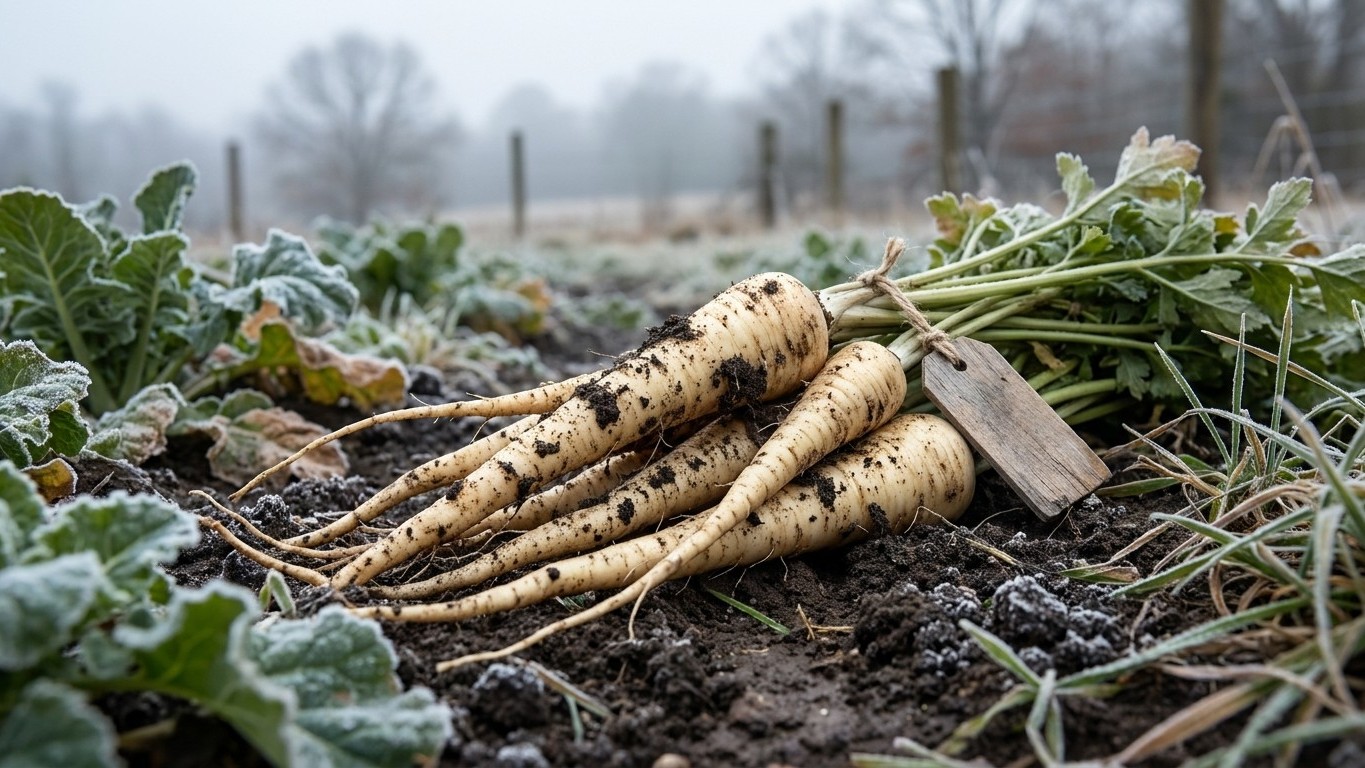
South Carolina’s coldest month brings a mean minimum of 38.9°F at the Charleston reference station, a number that sits nearly seven degrees above freezing.
Home & garden, state by state
Everything we have worked out for South Carolina: what to plant and when, which varieties finish in time, the pests that actually turn up here, and the jobs that pay off month by month. We also cover the rest of the property, from lawns and soil to home care and energy, because a garden rarely stops at the vegetable bed.
The numbers first, because everything else follows from them. Measured at the weather station in Charleston, the last spring freeze runs February 28 to March 17 and the first fall freeze runs November 20 to December 5, USDA zones 7a-9a, 6,323 growing degree days in the year.
Garlic is the awkward one: only 4.3 weeks below 40 °F, where it needs six to split into cloves. Chill the cloves before planting, or grow a softneck type.
Elsewhere on the property in South Carolina: the pests that turn up here.
Figures from NOAA's 1991-2020 climate normals. A state is not one climate: elevation, a large lake or the coast can move these dates by two weeks either way, so check your own county with the extension service before you spend money.
South Carolina’s coldest month brings a mean minimum of 38.9°F at the Charleston reference station, a number that sits nearly seven degrees above freezing.

In South Carolina, heating demand starts showing up in November, when the average temperature first dips below the 65°F mark used to calculate heating…
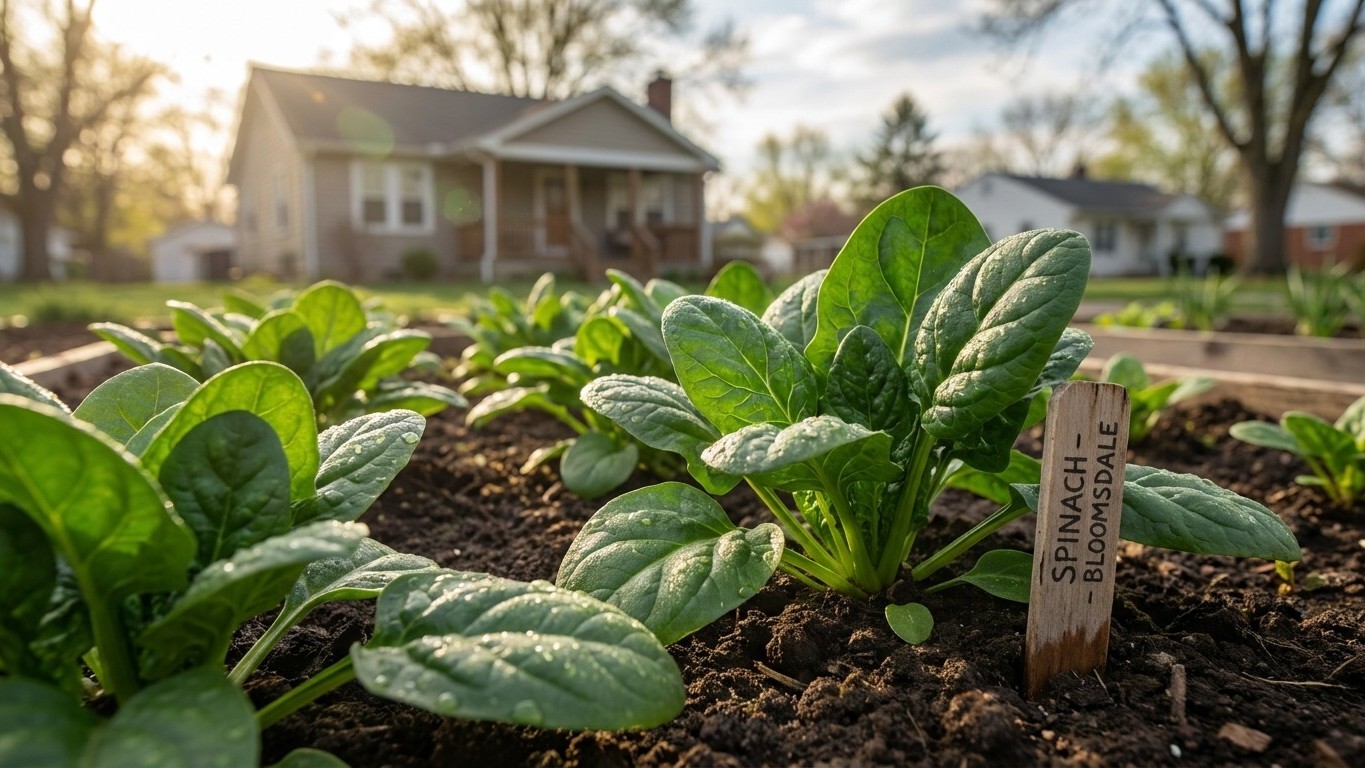
Spinach in South Carolina bolts fast because the state stacks two triggers at once: day length and heat.
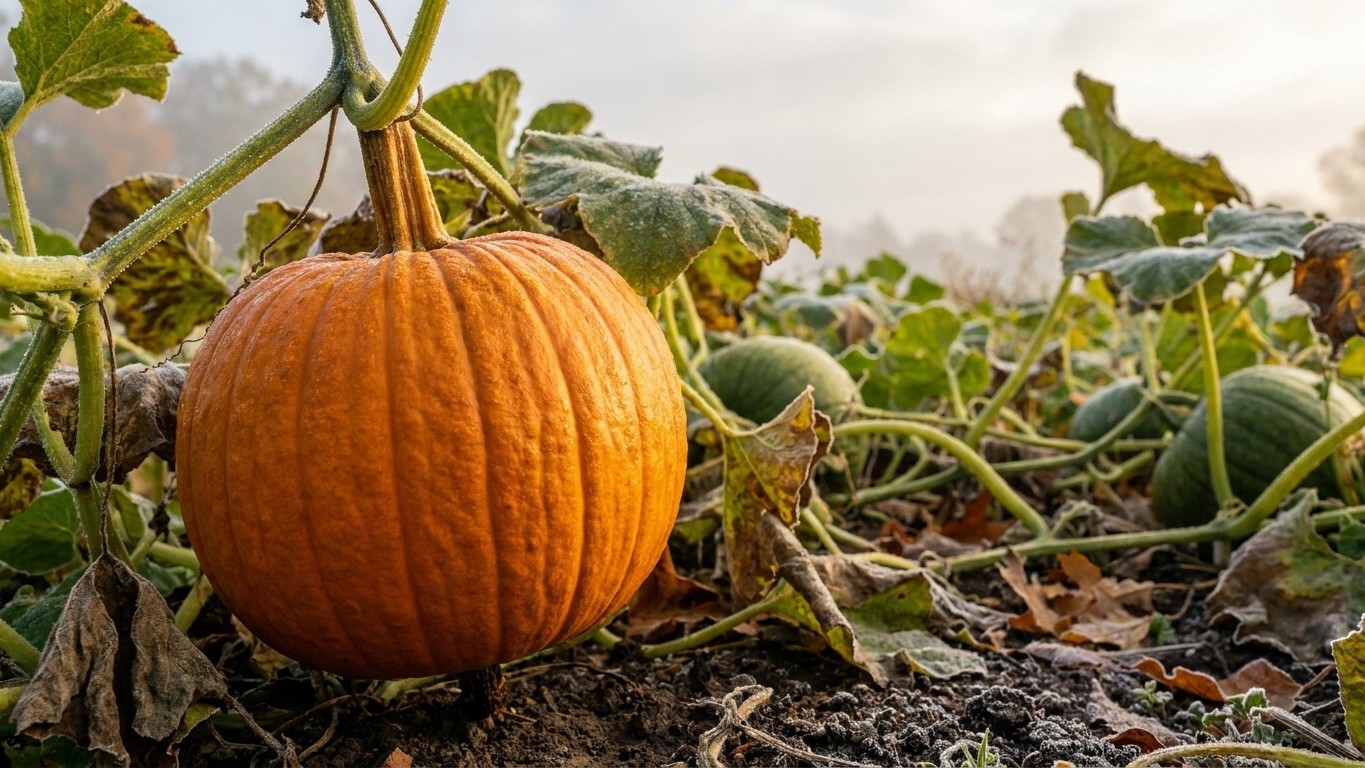
A pumpkin flower that opens after the first week of October in most of South Carolina is racing a clock it probably can’t win.
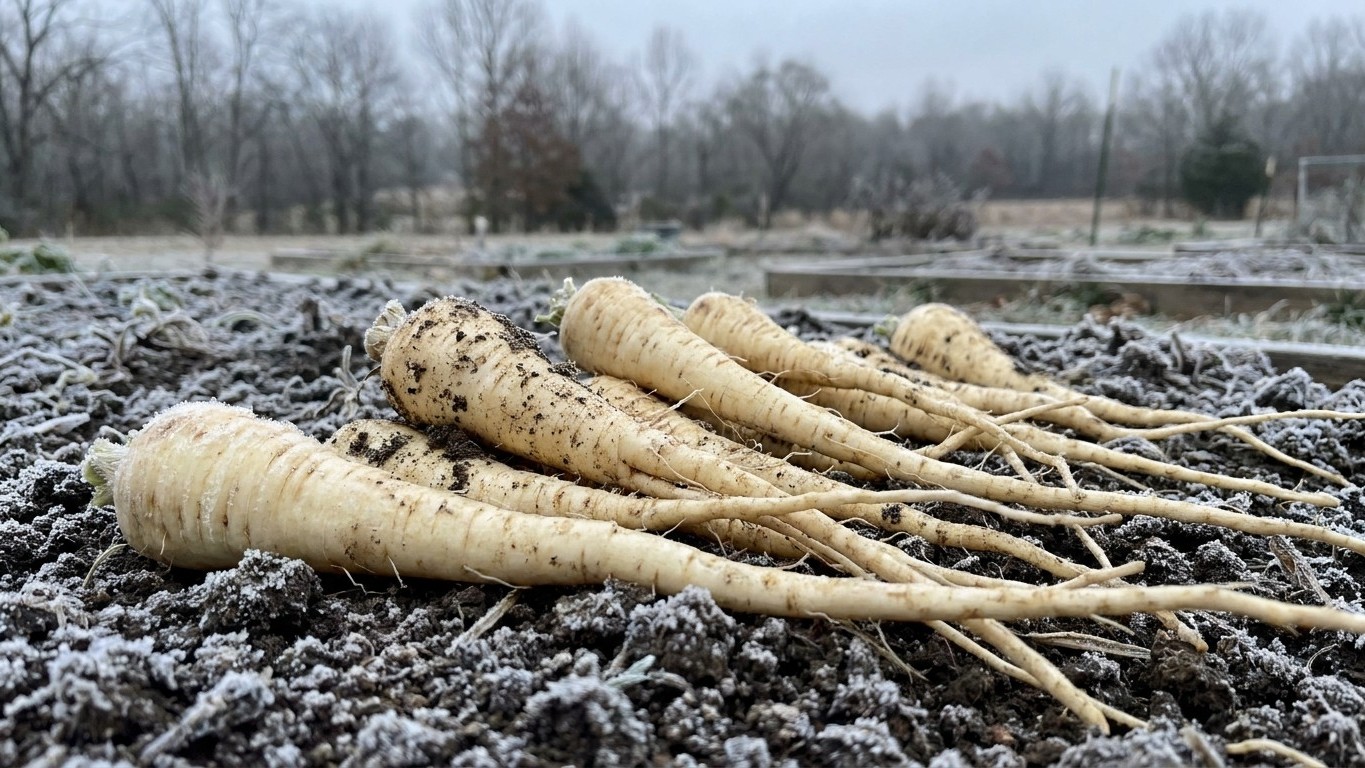
Parsnips will grow across South Carolina without much trouble, but sweetening is a different question.
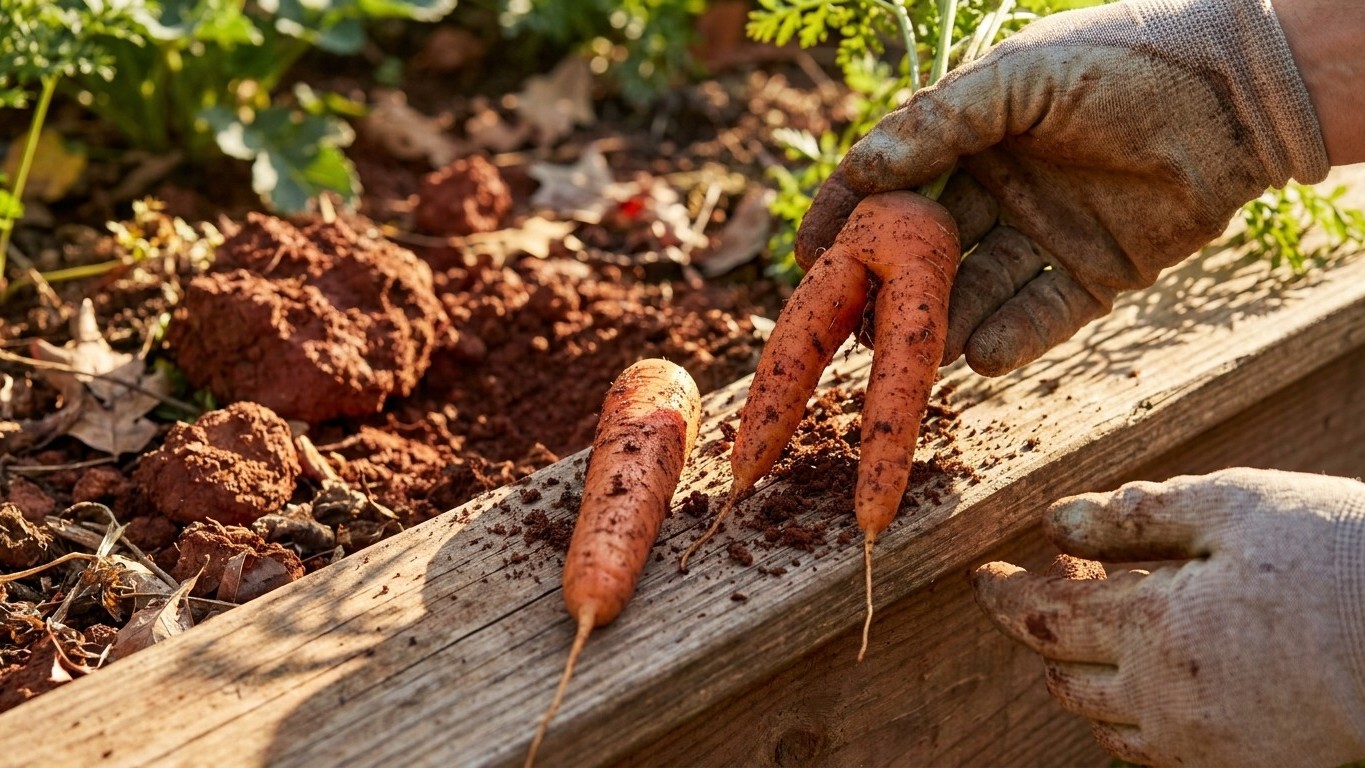
Yes, in this state’s representative soil carrots will almost certainly fork. That soil, the Bohicket series, runs 35 percent clay and drains so poorly…
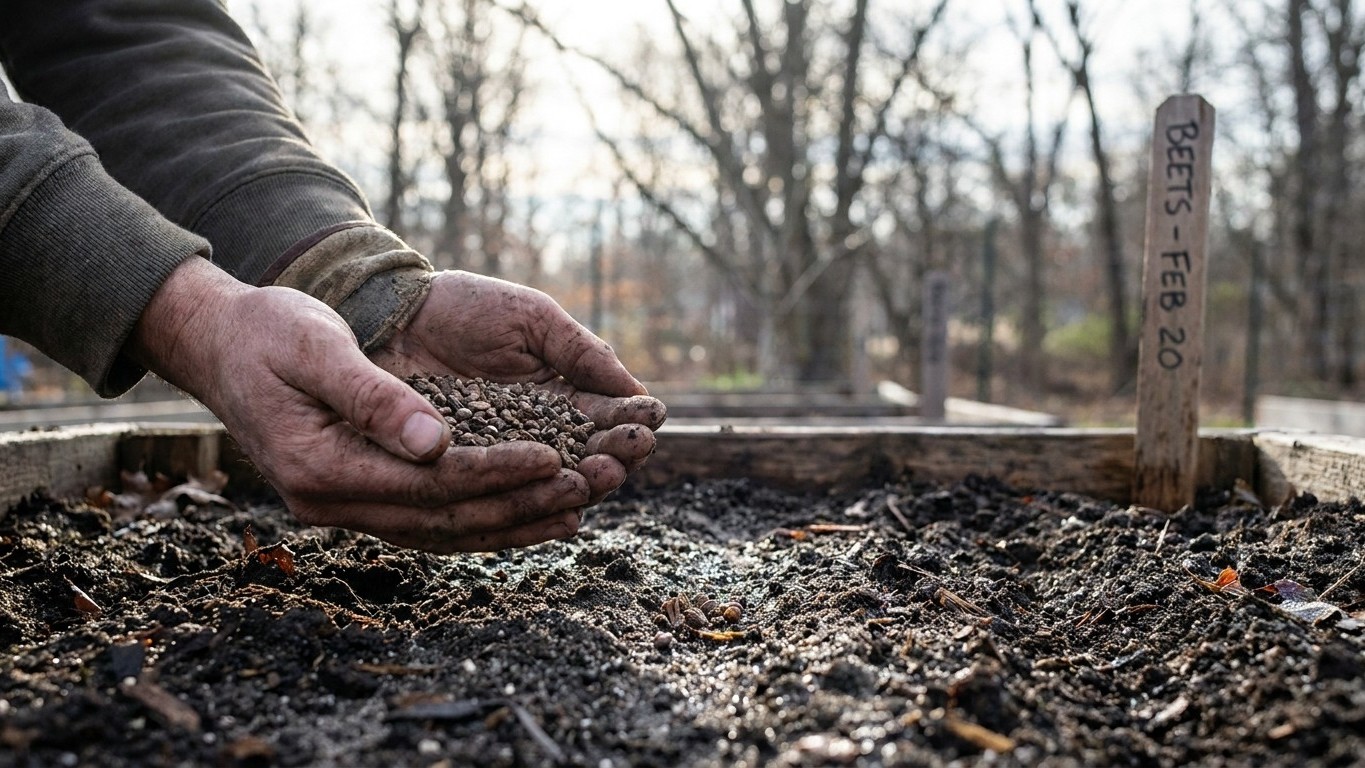
In most of South Carolina, beet seed goes into the ground between early February and early March, timed to land two to three weeks ahead of the last…
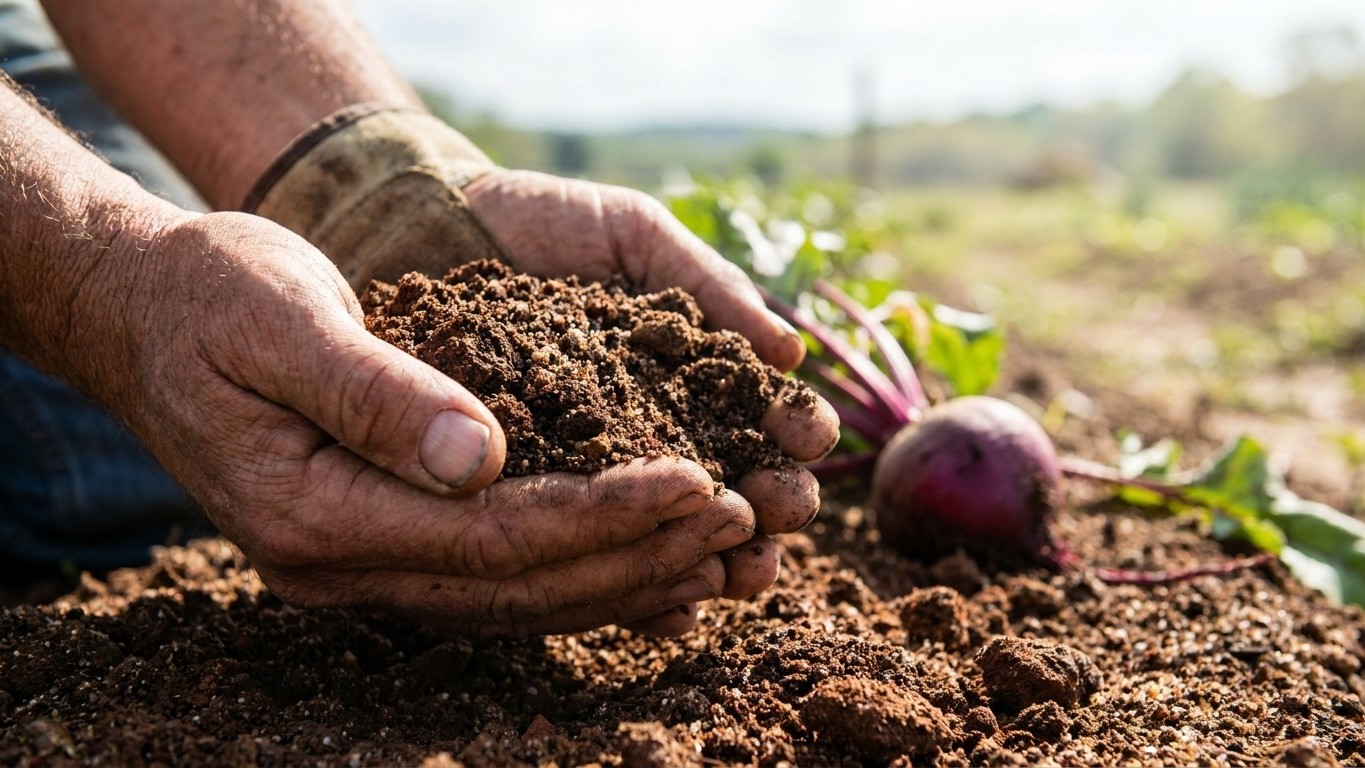
South Carolina’s representative soil is heavy clay, holds water instead of shedding it, and sits near neutral pH, which is close to the opposite of what…
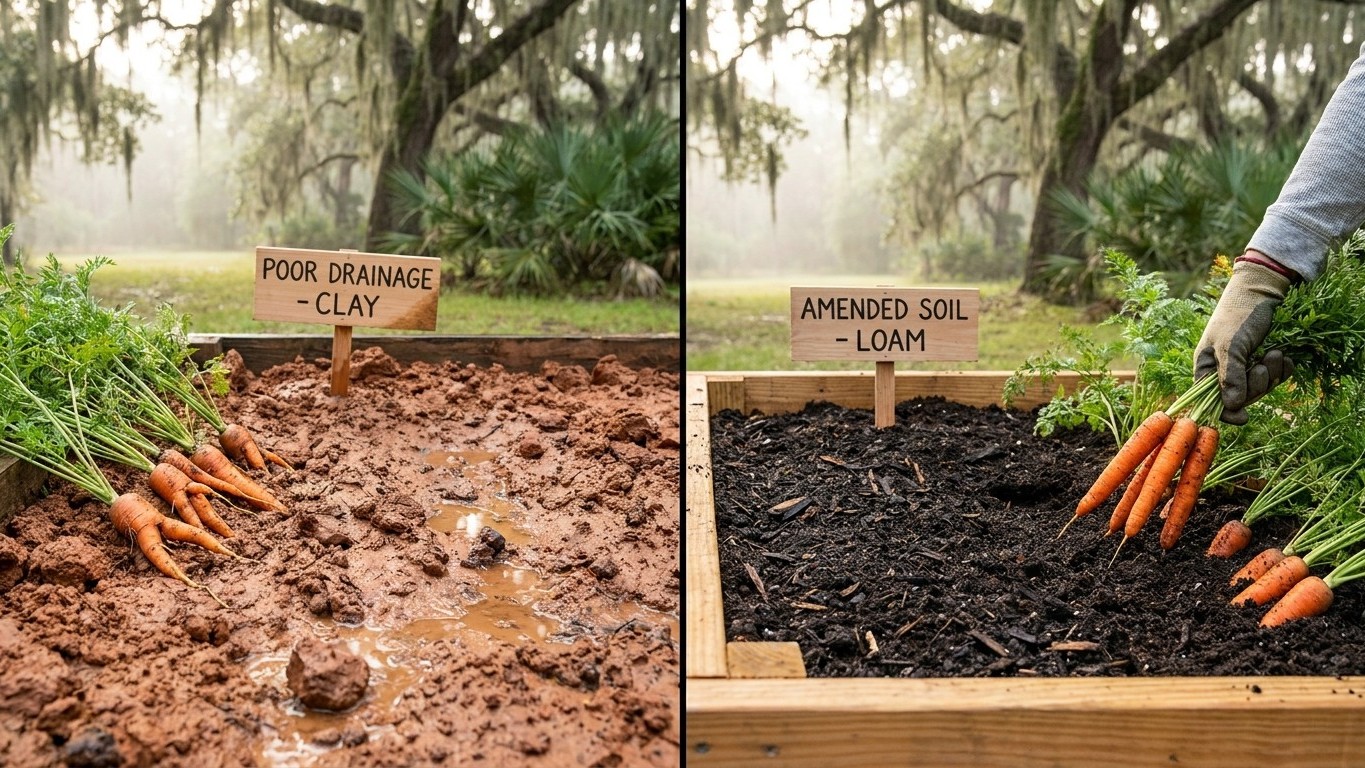
South Carolina’s official state soil, the Bohicket series, runs 35 percent clay and only 17 percent sand, sitting in the very poorly drained class.
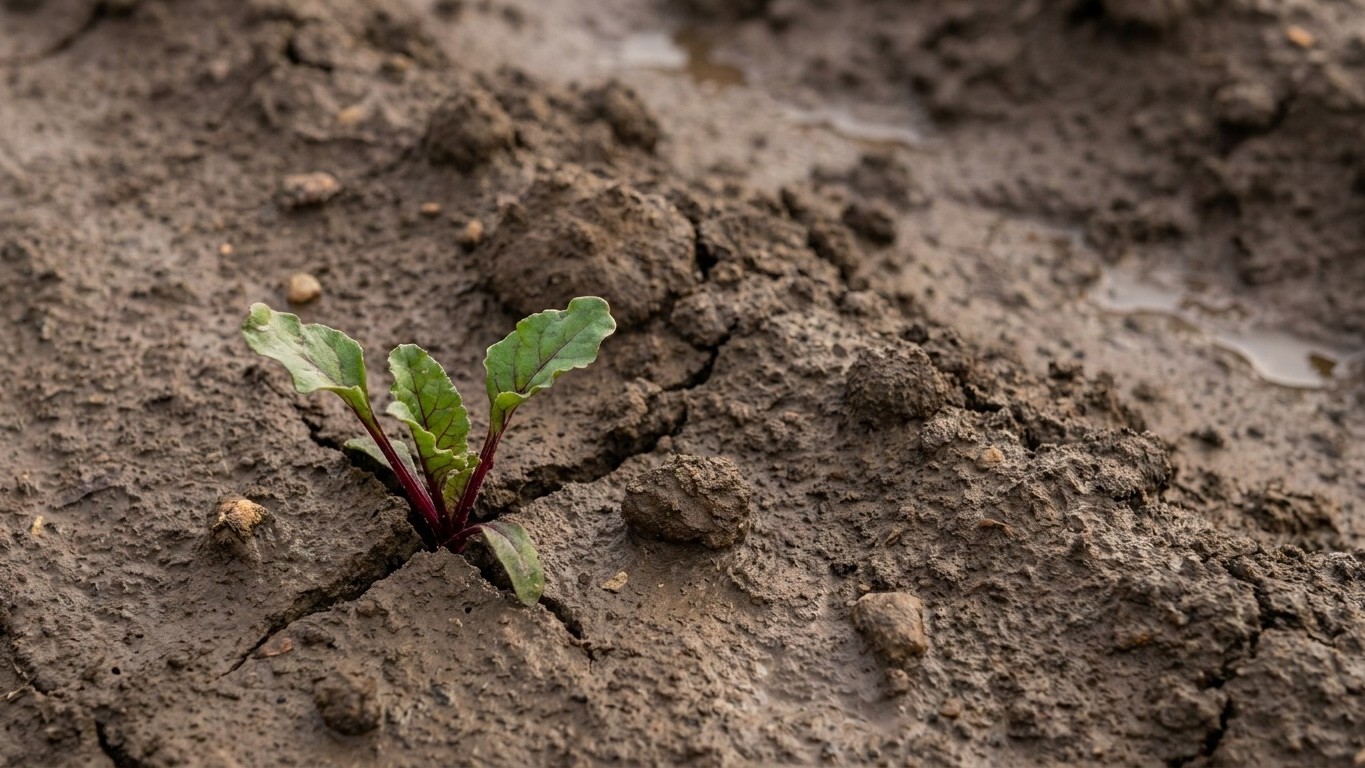
South Carolina’s answer starts with clay, not luck. The soil USDA lists to represent the state, the Bohicket series, holds water instead of shedding it…