When to Aerate a Lawn in Tennessee
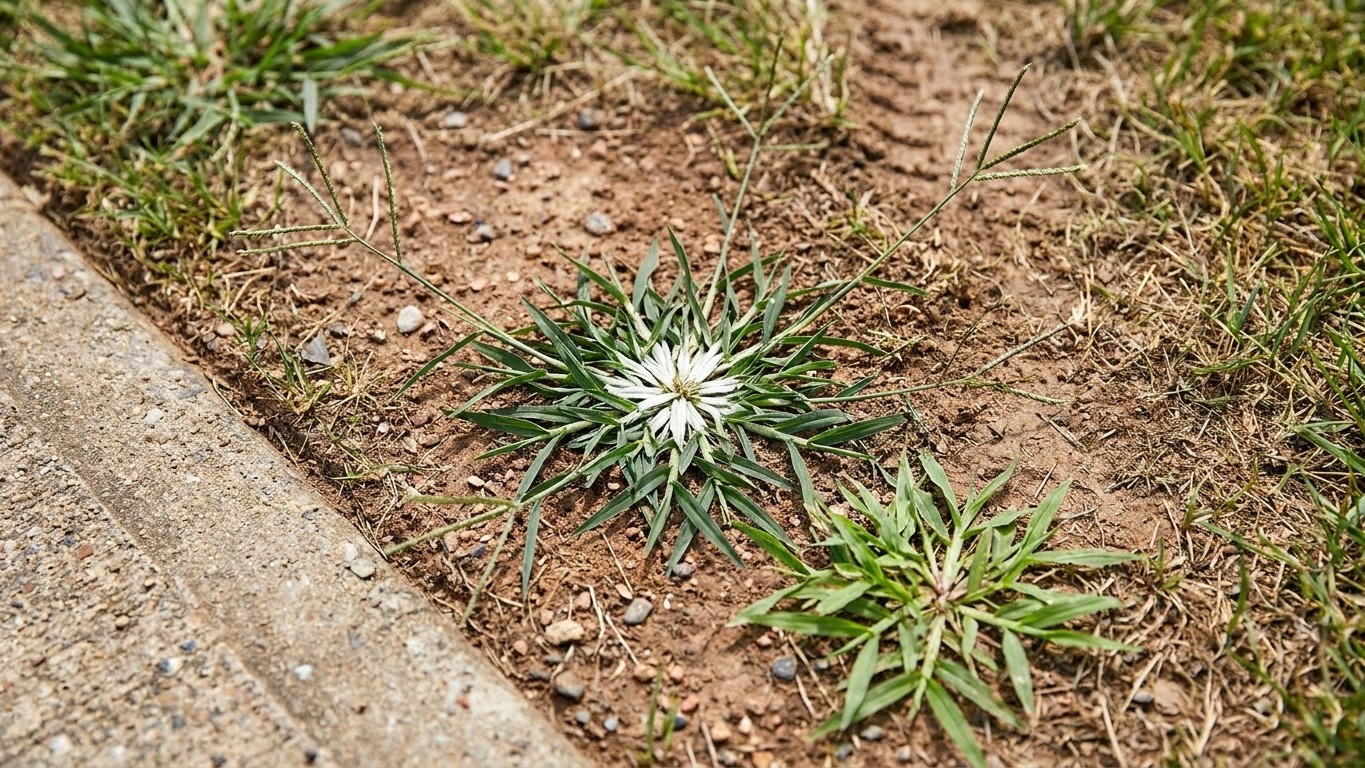
Tennessee sits in the transition zone, so the answer depends on what grass you grow.
Home & garden, state by state
Everything we have worked out for Tennessee: what to plant and when, which varieties finish in time, the pests that actually turn up here, and the jobs that pay off month by month. We also cover the rest of the property, from lawns and soil to home care and energy, because a garden rarely stops at the vegetable bed.
The numbers first, because everything else follows from them. Measured at the weather station in Nashville, the last spring freeze runs March 31 to April 12 and the first fall freeze runs October 28 to November 8, USDA zones 5b-8a, 4,937 growing degree days in the year.
Garlic does well: 21.8 weeks below 40 °F, comfortably past the six it needs to form a proper head.
Elsewhere on the property in Tennessee: the pests that turn up here.
Figures from NOAA's 1991-2020 climate normals. A state is not one climate: elevation, a large lake or the coast can move these dates by two weeks either way, so check your own county with the extension service before you spend money.
Tennessee sits in the transition zone, so the answer depends on what grass you grow.
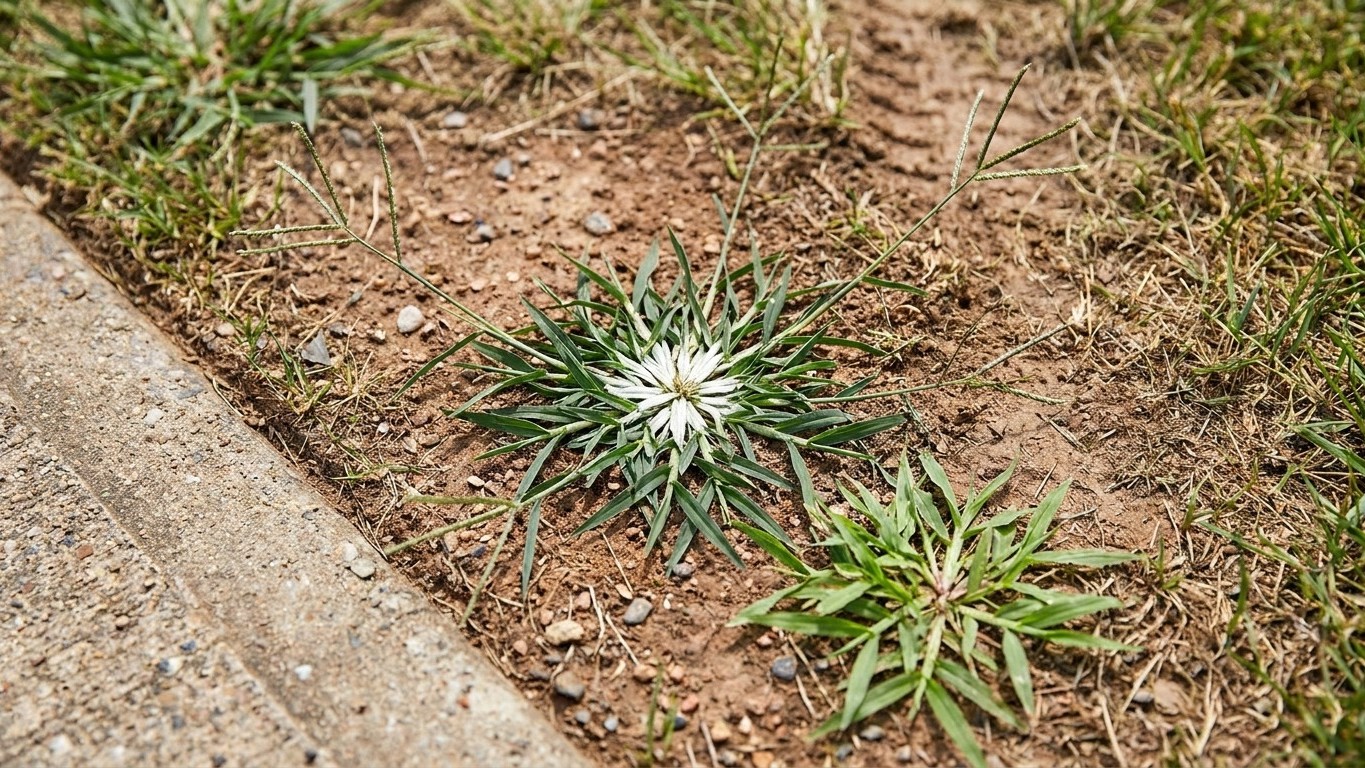
Sow cool-season grass (tall fescue, Kentucky bluegrass, perennial ryegrass) in early fall, and warm-season grass (zoysiagrass, bermudagrass) in late…
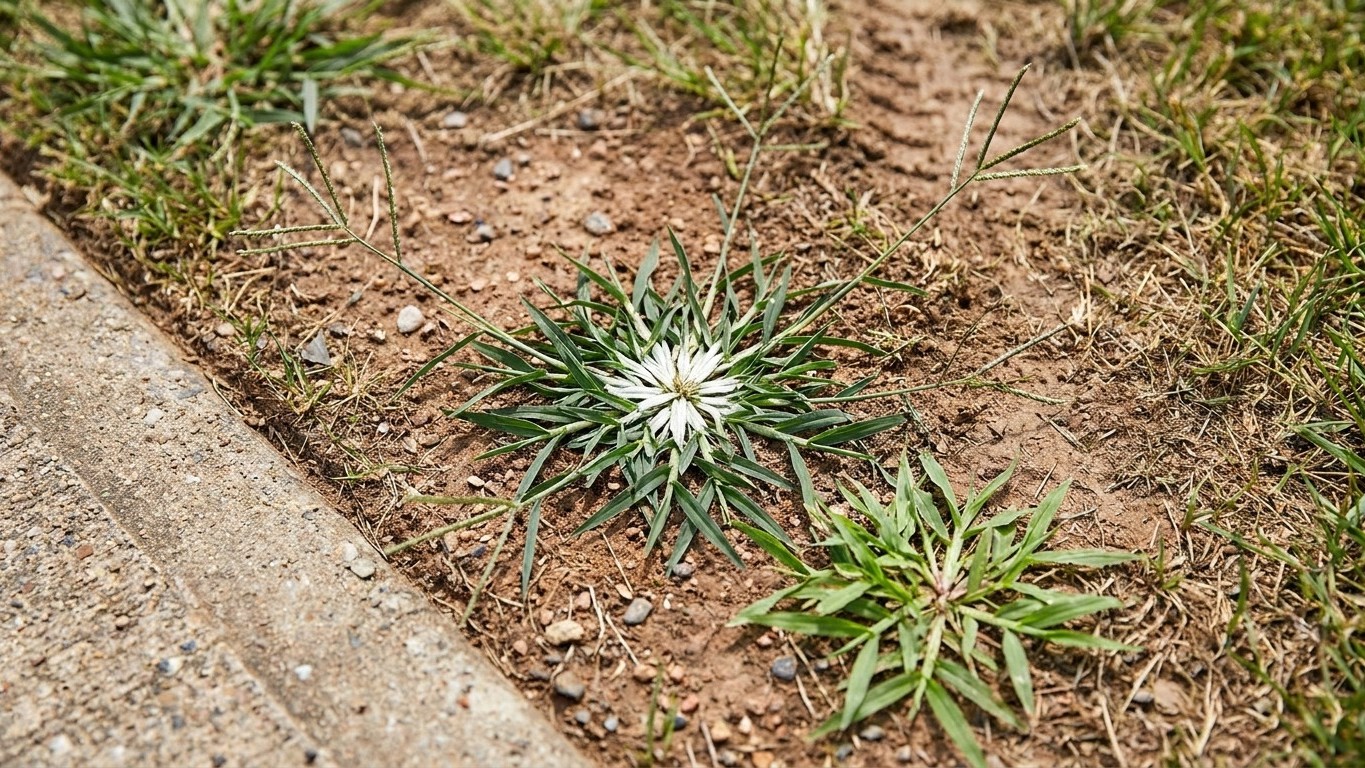
Most Tennessee lawns never need dethatching. If yours does, meaning the thatch layer is thicker than 0.75 inch, do it while the grass is growing hard…
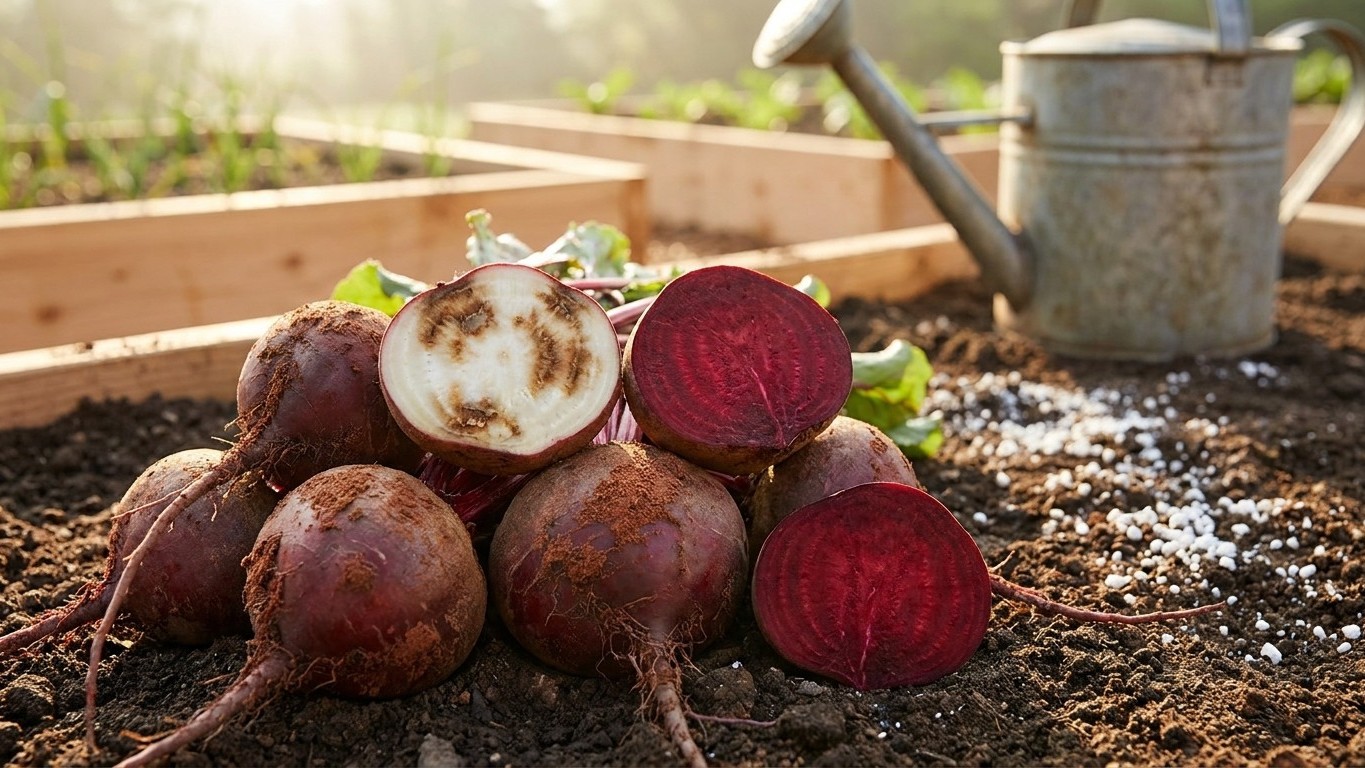
Most of what eats a beet crop in Tennessee isn’t an insect. It’s acid silt that crusts and then holds water, a spring that swings between soggy and dry…
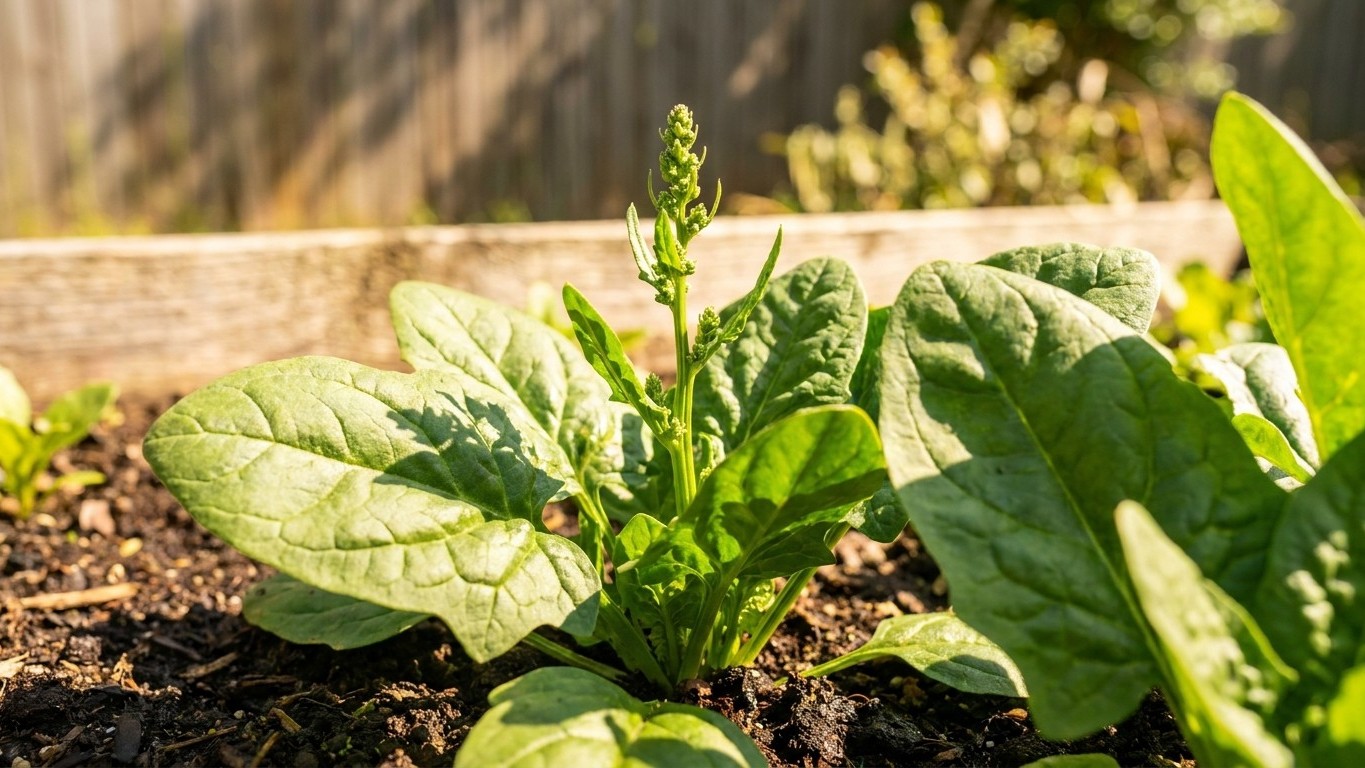
In Tennessee, cut spinach in two windows. The spring window runs from a mid-March sowing until daytime highs start passing 75 F.
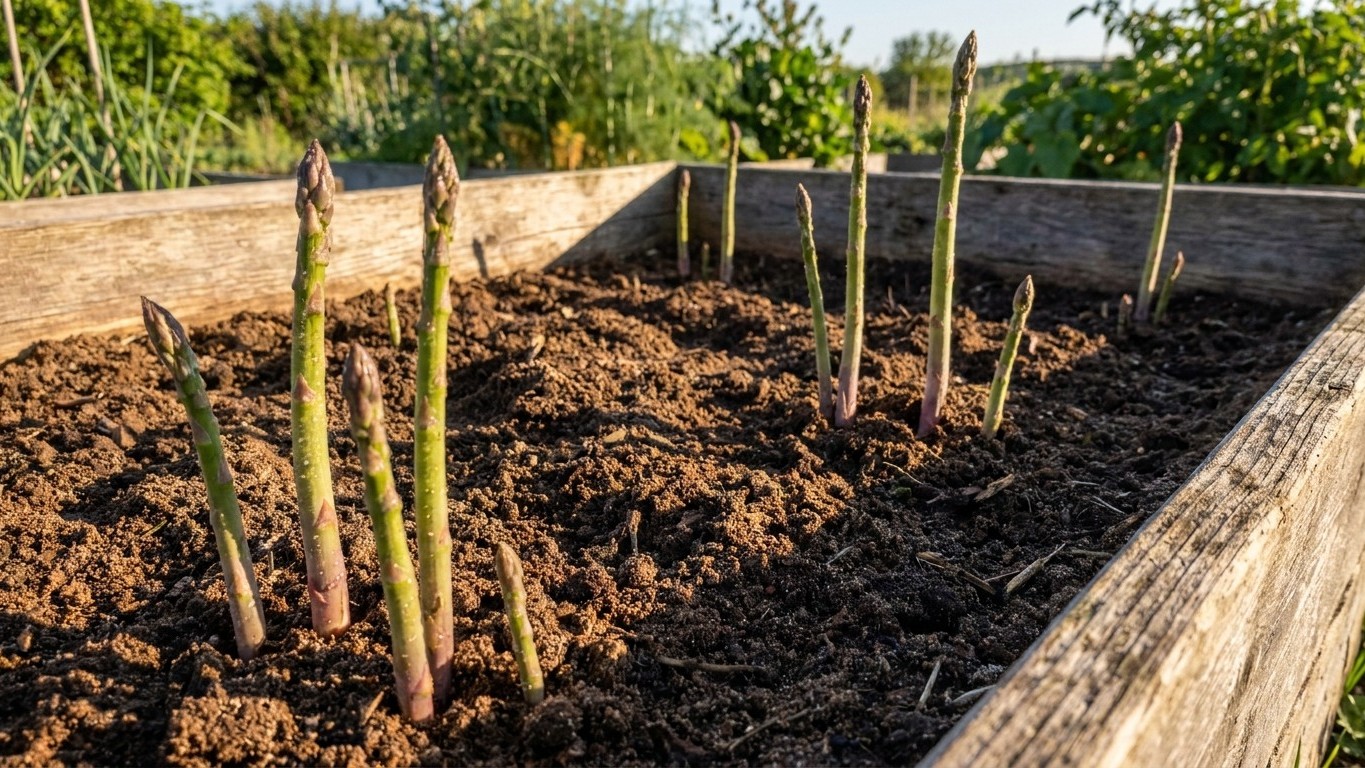
Stop cutting when most of the spears coming up are thinner than a pencil. That is an object, not a date, and it shuts the season down in any Tennessee bed.
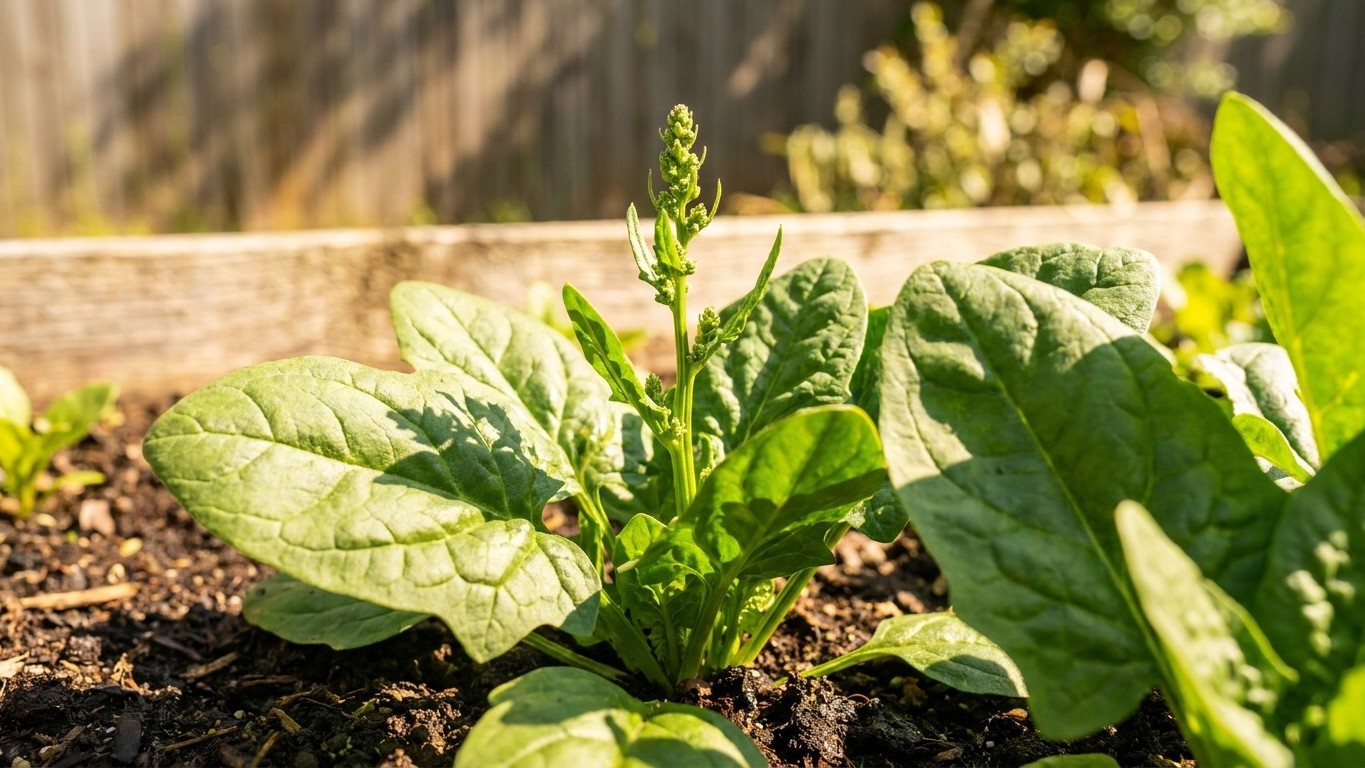
Heat, long days, warm soil and the first freeze are what eat spinach’s calendar in Tennessee, and they take turns.
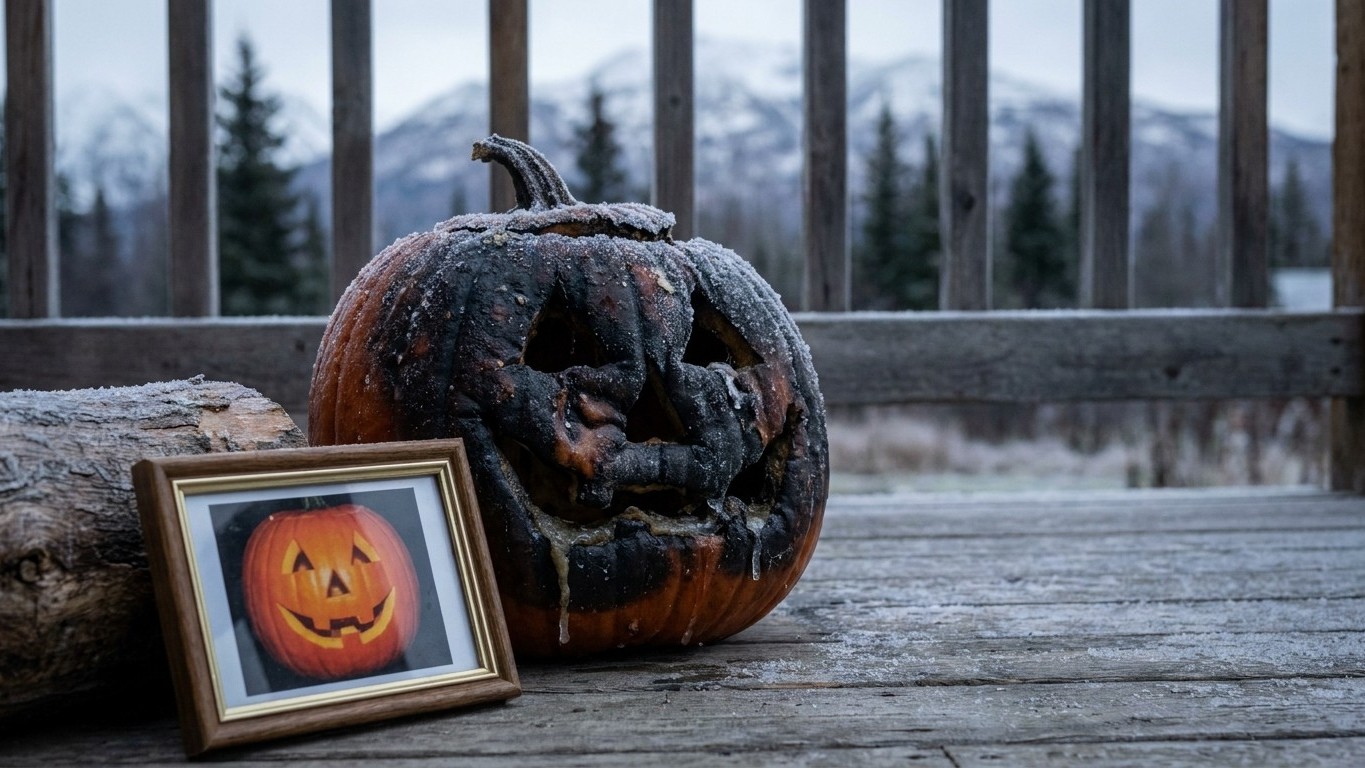
In Tennessee, the threat you can plan around is not a bug but the calendar. The first fall freeze arrives between October 28 and November 8, and a…
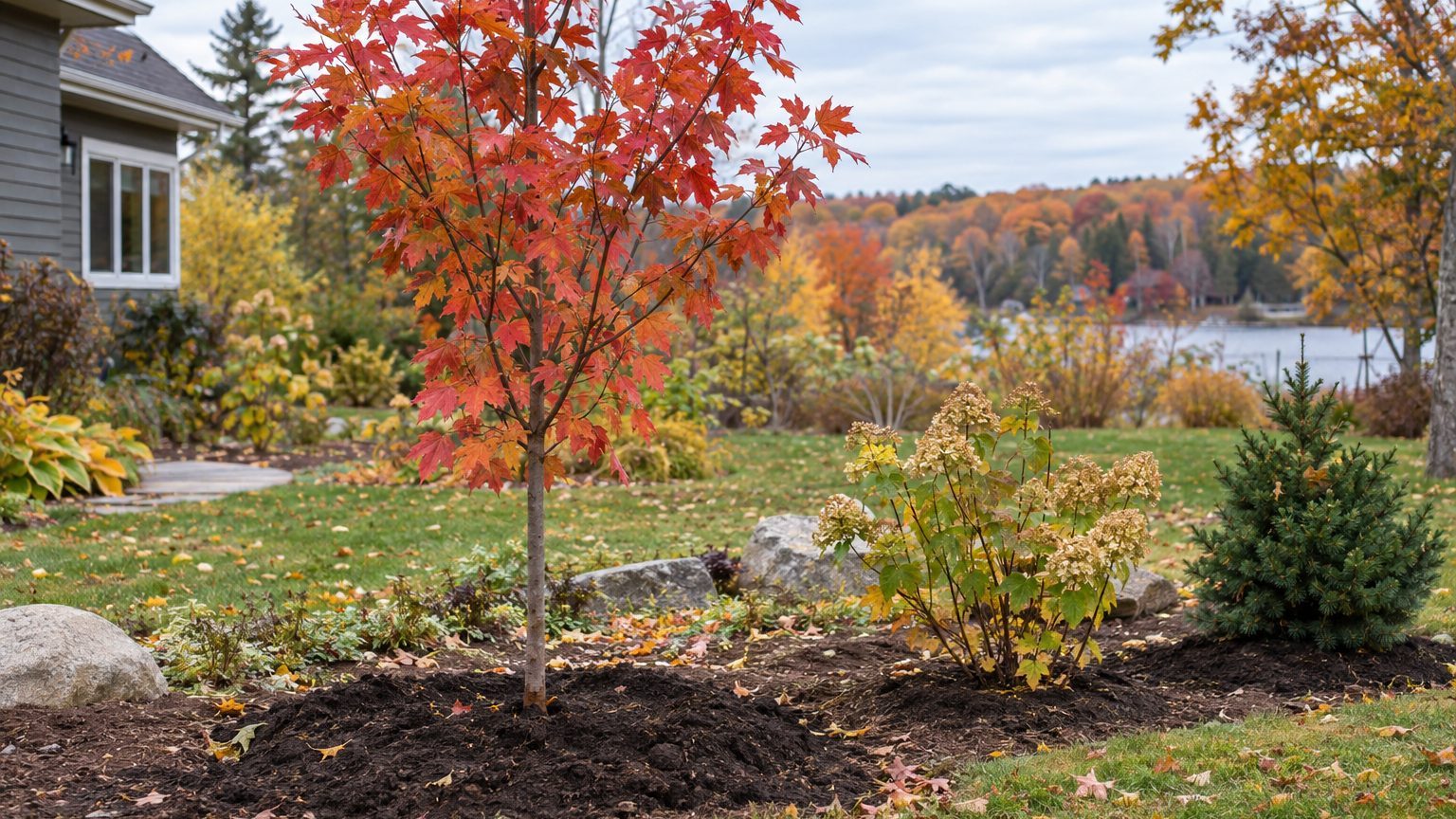
In Tennessee, the safe target for planting trees and shrubs in fall is September 16 to September 27, six weeks before the first fall frost.
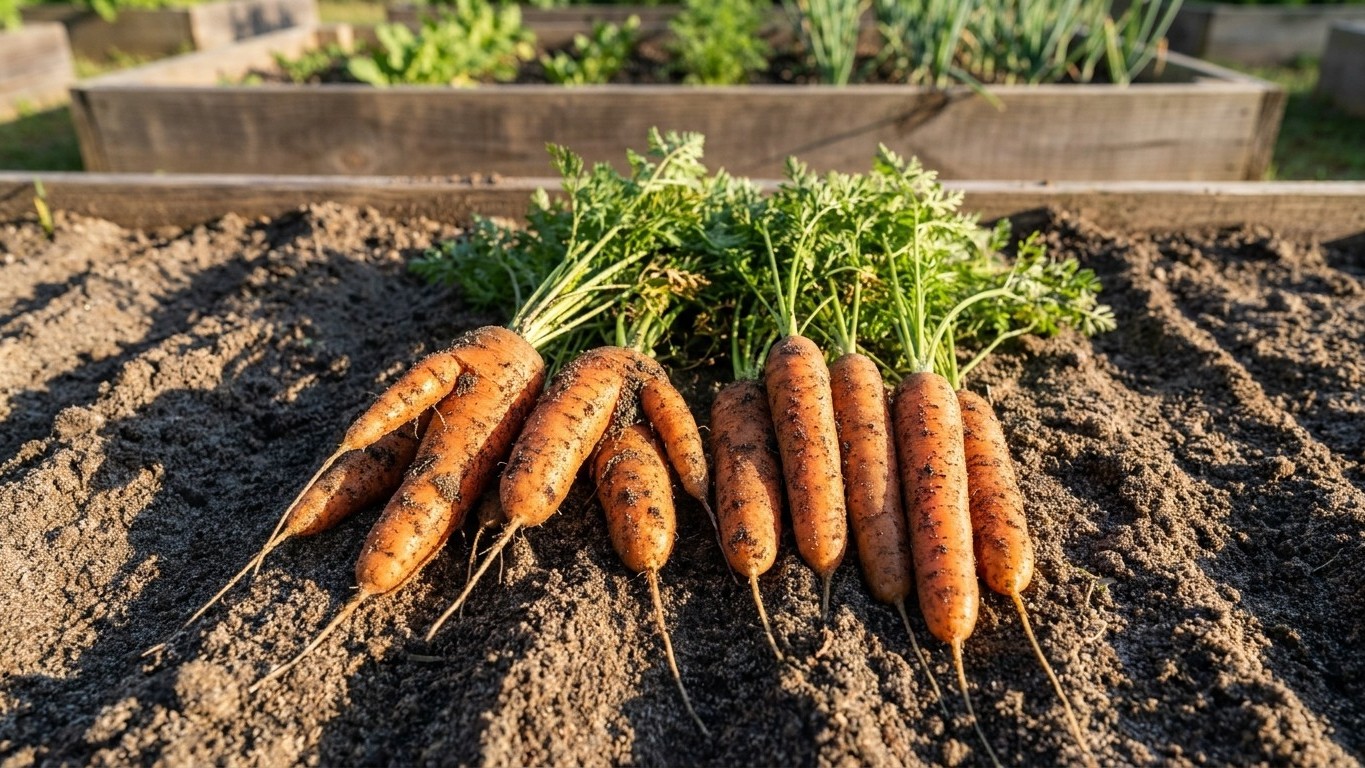
This page carries no pest calendar, and saying so up front beats guessing. The verified facts here cover what Tennessee ground does to a carrot and what…