Growing Parsnips in Tennessee: Will They Sweeten?
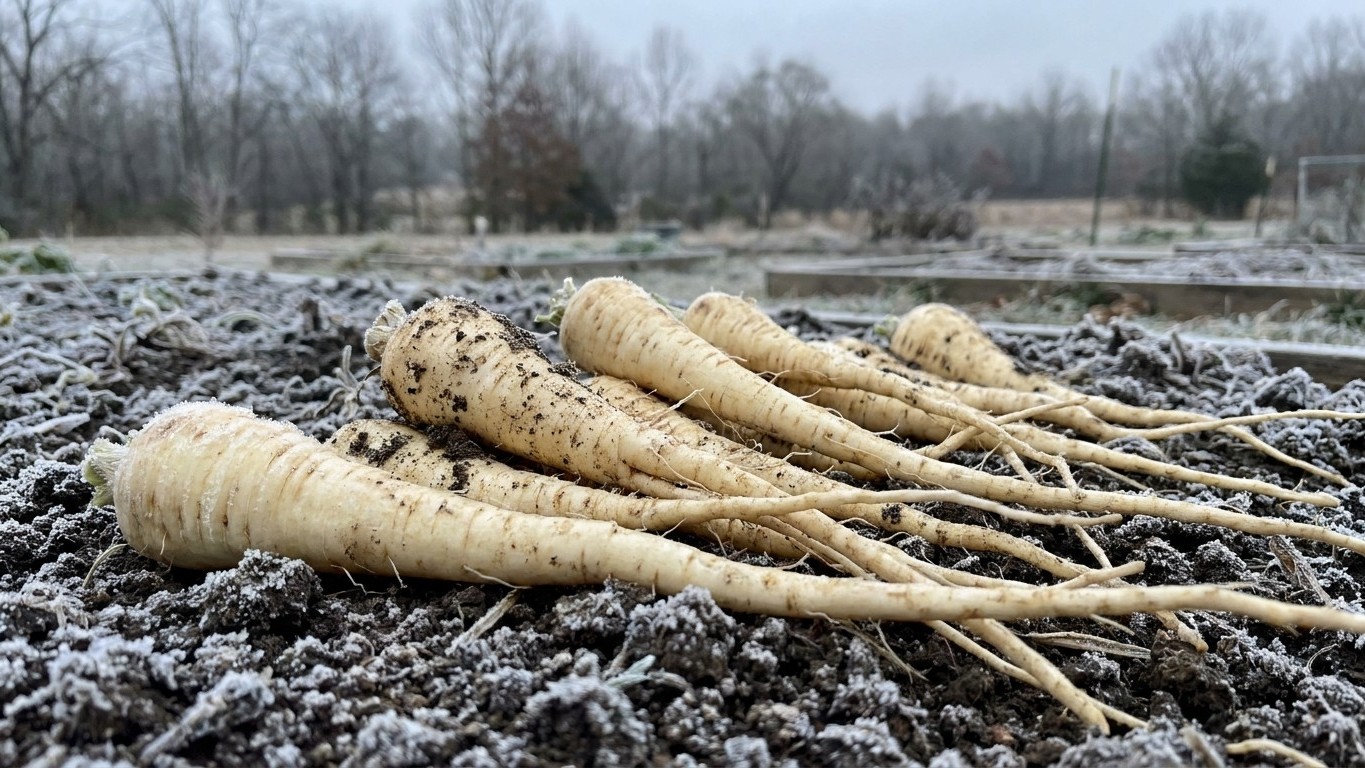
Yes, but the sweetness depends on frost, not zip code. Tennessee’s growing season is long enough to raise a full parsnip crop almost anywhere in the…
Home & garden, state by state
Everything we have worked out for Tennessee: what to plant and when, which varieties finish in time, the pests that actually turn up here, and the jobs that pay off month by month. We also cover the rest of the property, from lawns and soil to home care and energy, because a garden rarely stops at the vegetable bed.
The numbers first, because everything else follows from them. Measured at the weather station in Nashville, the last spring freeze runs March 31 to April 12 and the first fall freeze runs October 28 to November 8, USDA zones 5b-8a, 4,937 growing degree days in the year.
Garlic does well: 21.8 weeks below 40 °F, comfortably past the six it needs to form a proper head.
Elsewhere on the property in Tennessee: the pests that turn up here.
Figures from NOAA's 1991-2020 climate normals. A state is not one climate: elevation, a large lake or the coast can move these dates by two weeks either way, so check your own county with the extension service before you spend money.
Yes, but the sweetness depends on frost, not zip code. Tennessee’s growing season is long enough to raise a full parsnip crop almost anywhere in the…
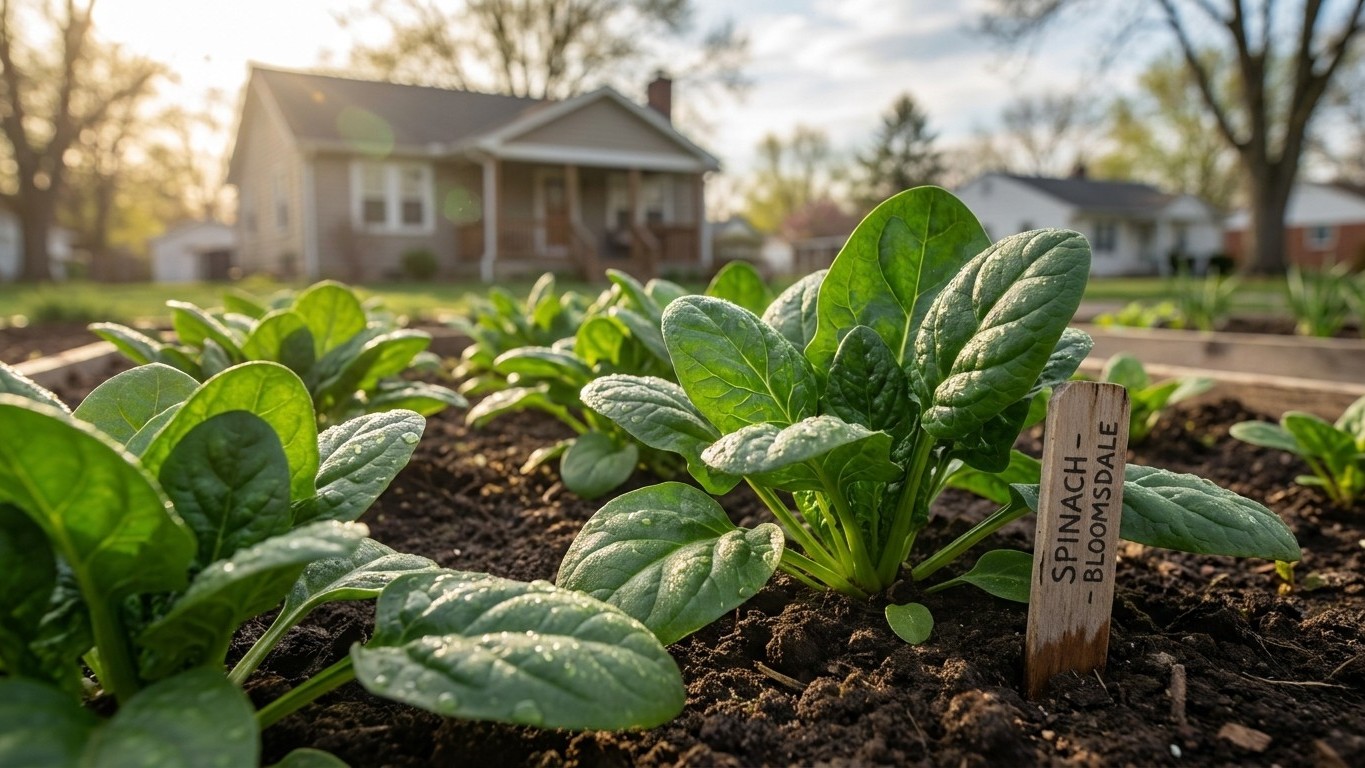
Spinach in Tennessee bolts on two clocks at once: the calendar’s day length and the thermometer’s heat.
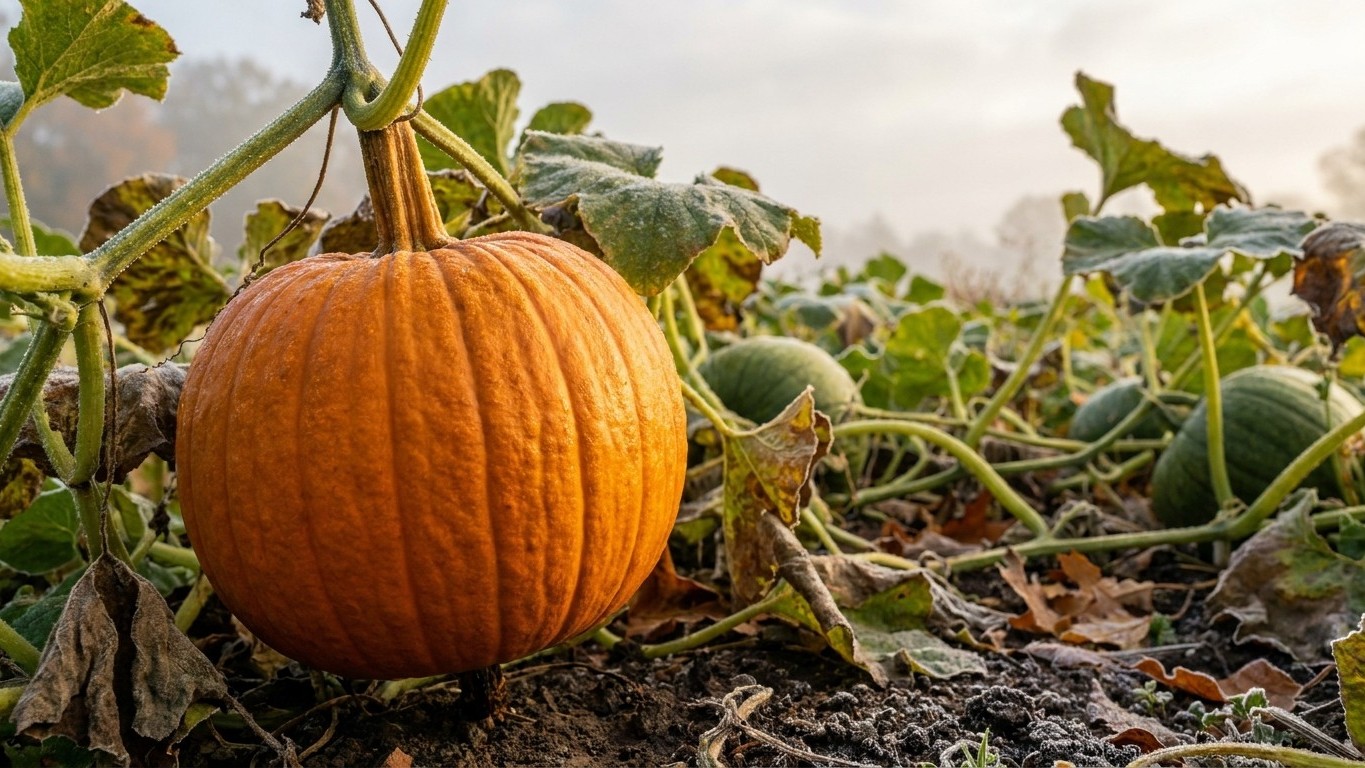
In most of Tennessee, the last pumpkin flowers that can still turn into a ripe fruit need to open before the third week of September.
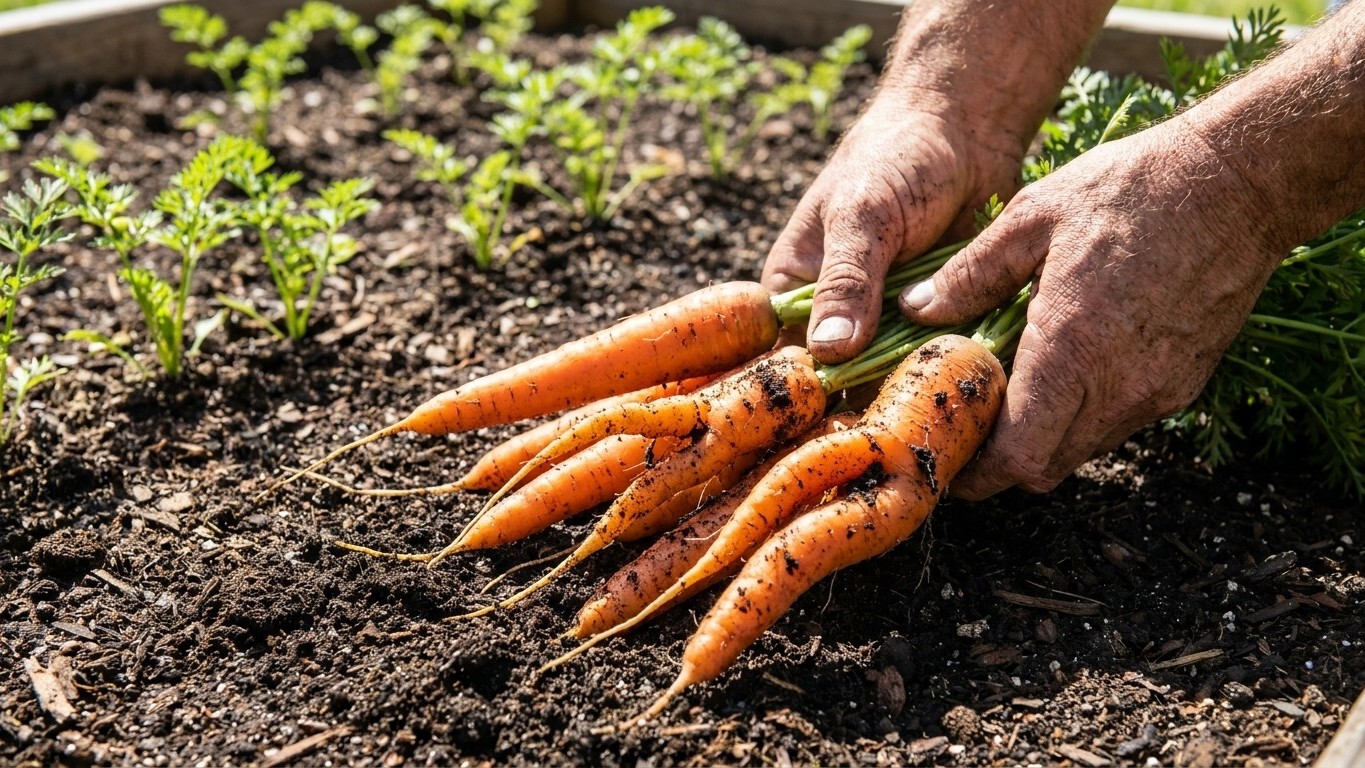
In Tennessee, carrots go into the ground while the soil is still cool, weeks before the last spring frost knocks off the calendar, carrot seed germinates…
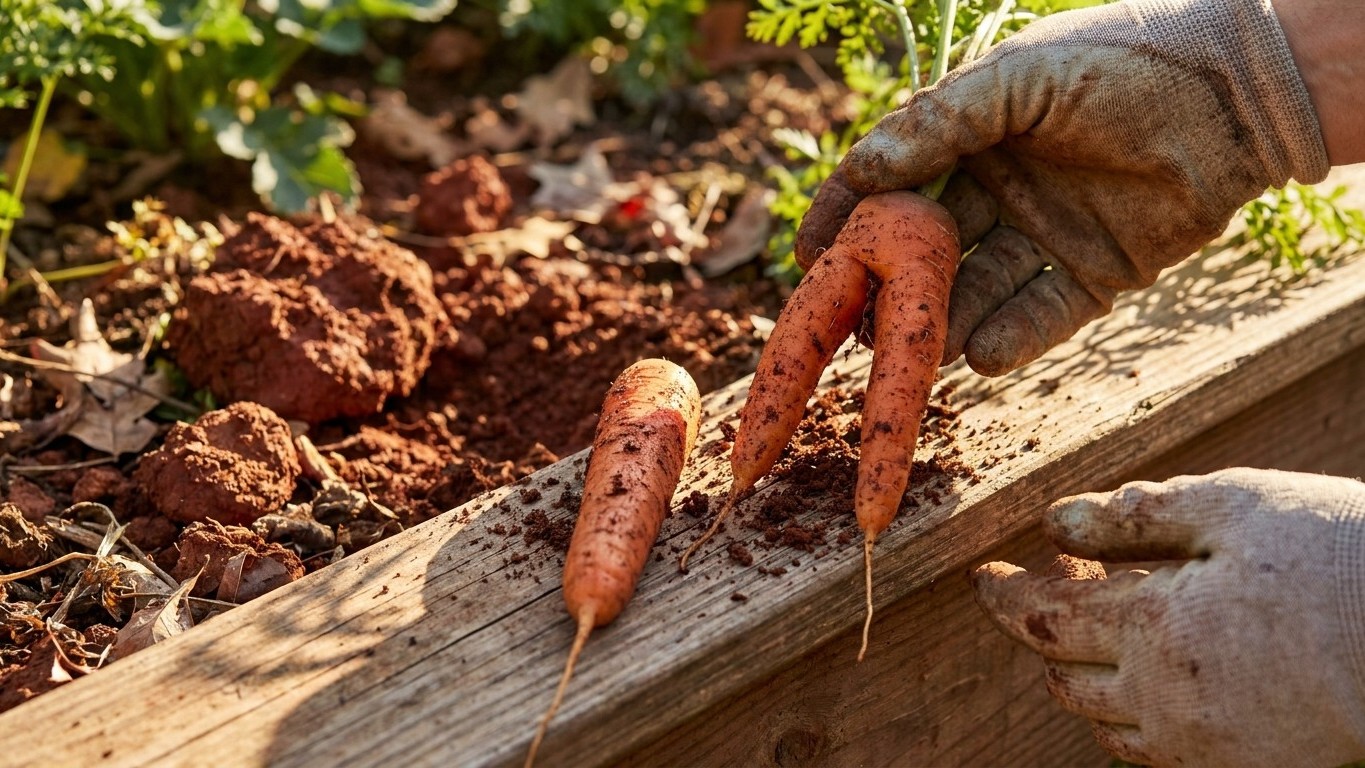
Tennessee’s benchmark soil, the Dickson series, runs 68 percent silt, 20 percent clay and just 11 percent sand, moderately well drained, with a surface…
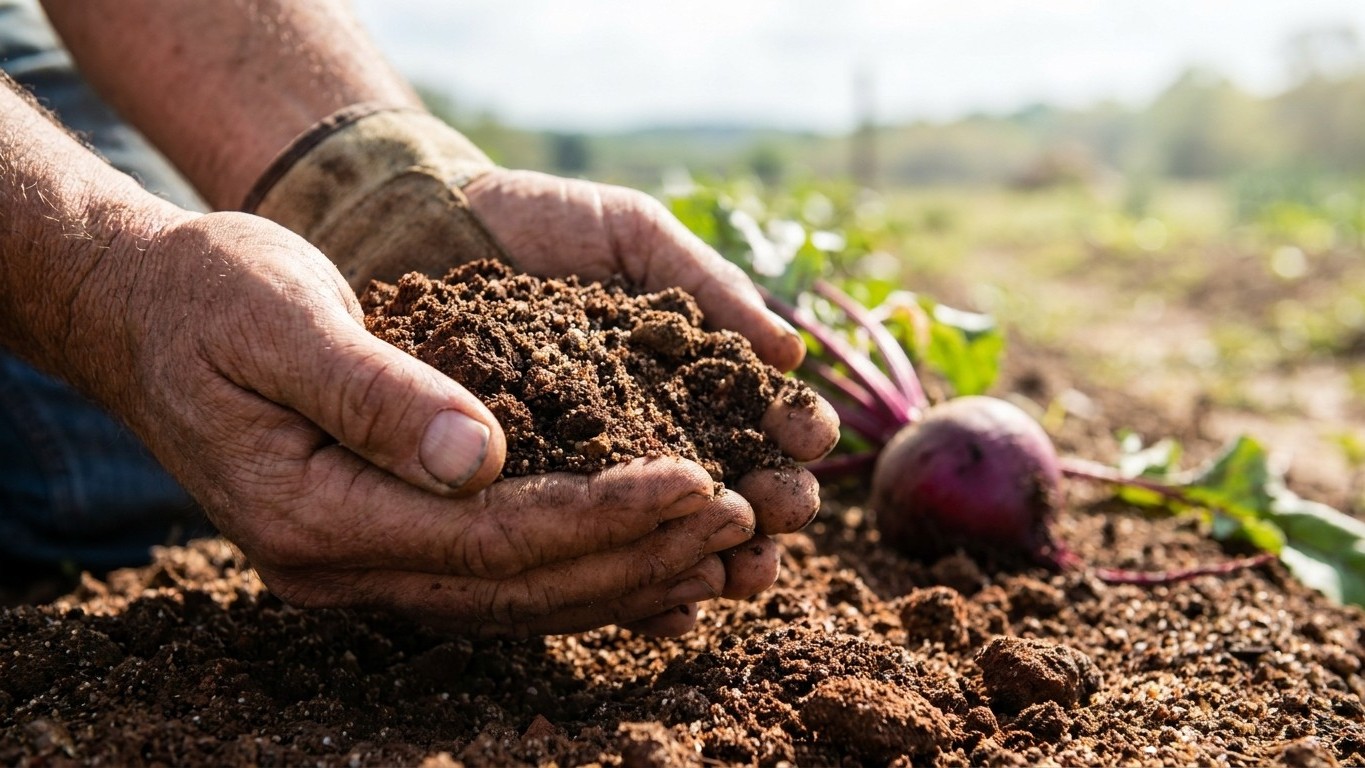
The Dickson series, Tennessee’s representative soil, runs 68 percent silt and only 11 percent sand at the surface, with acid pH around 5.0.
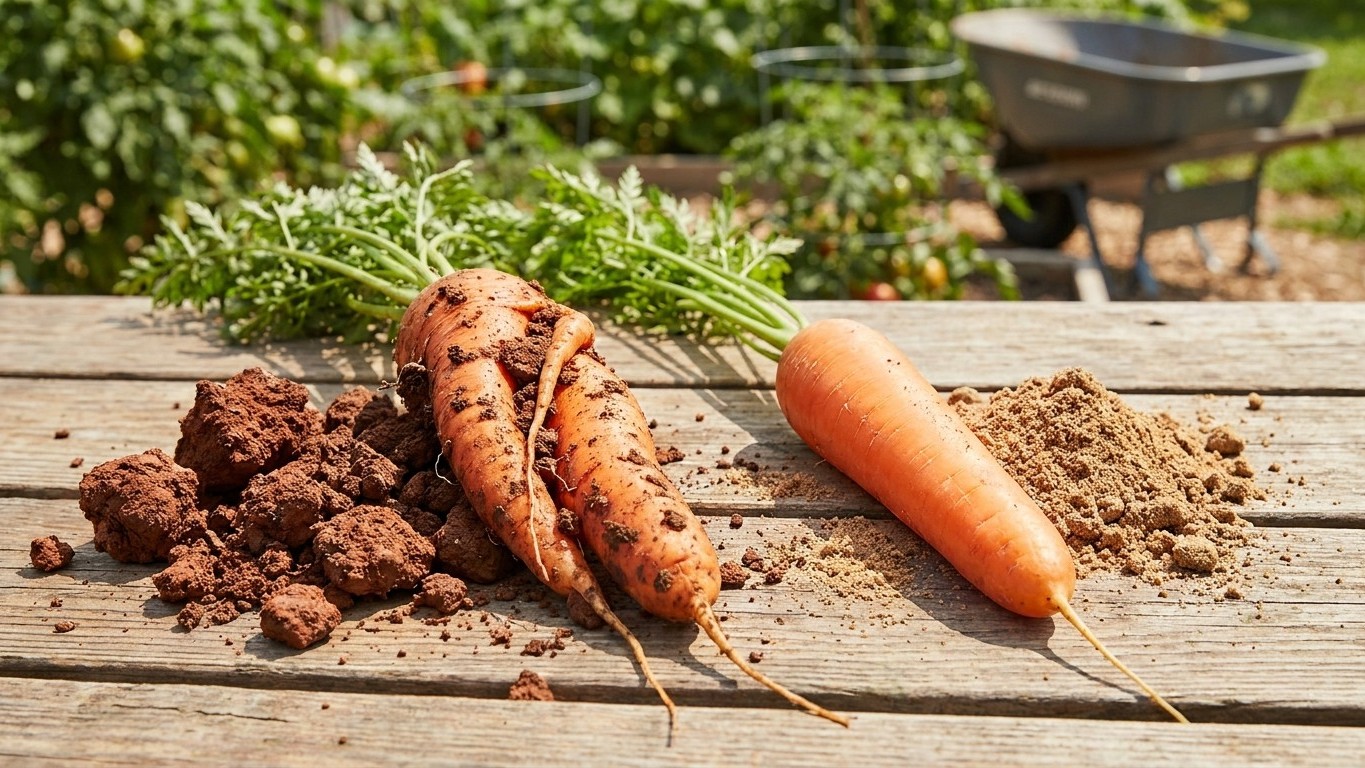
Tennessee’s benchmark soil carries just 11 percent sand against 68 percent silt and 20 percent clay, and that ratio alone tells you most of what you need…
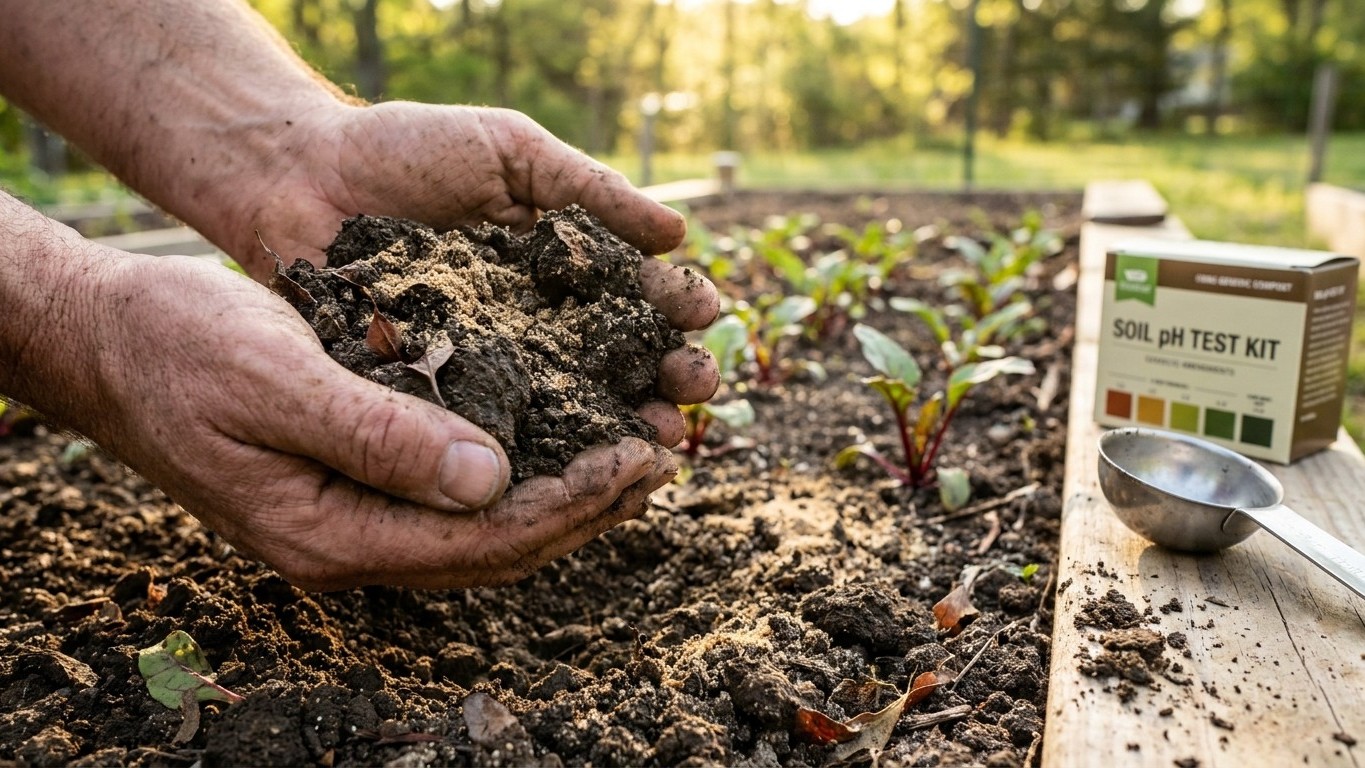
Tennessee’s benchmark soil runs acid and silty, not the loose, well-drained ground beets actually want, and the state’s spring swings enough to put…
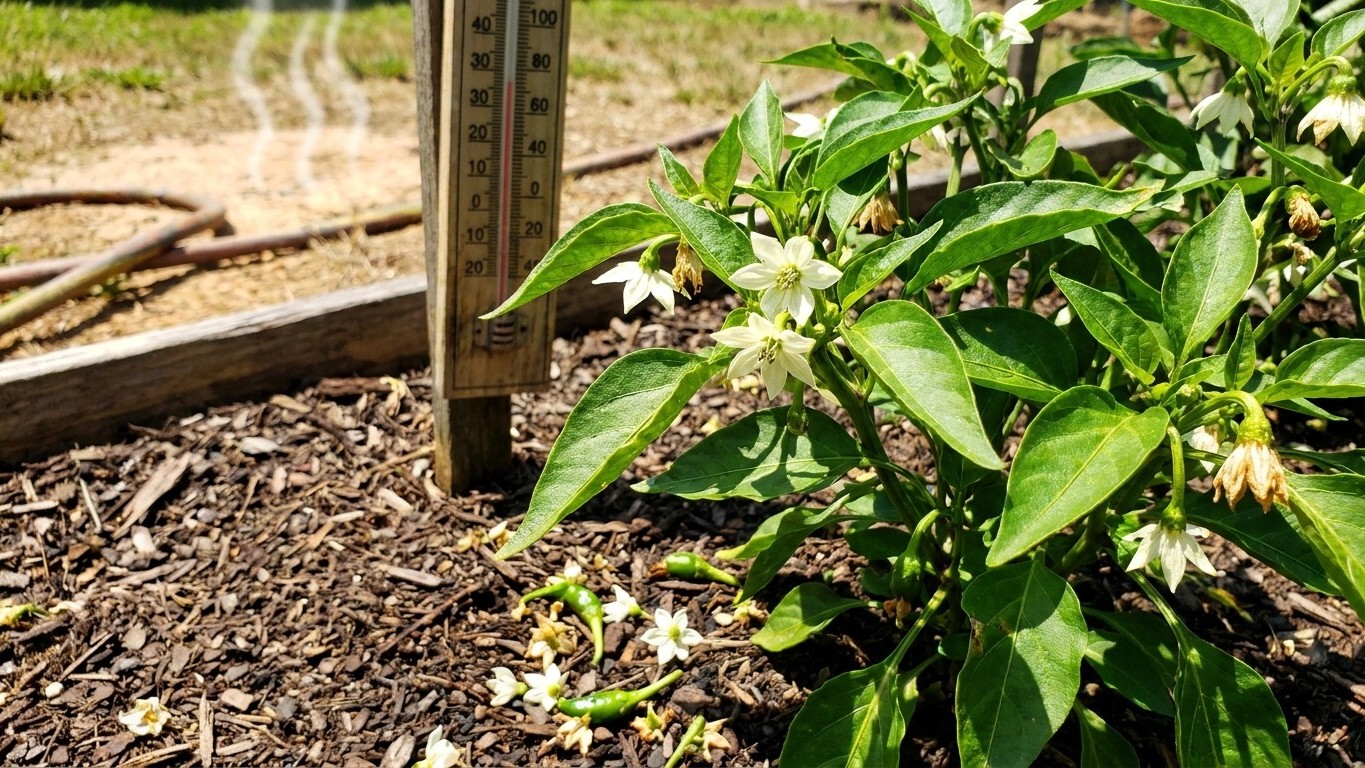
Middle Tennessee averages 40 days a year at 90 F or higher, and that heat alone can strip a pepper plant of its blossoms before a single pod forms.
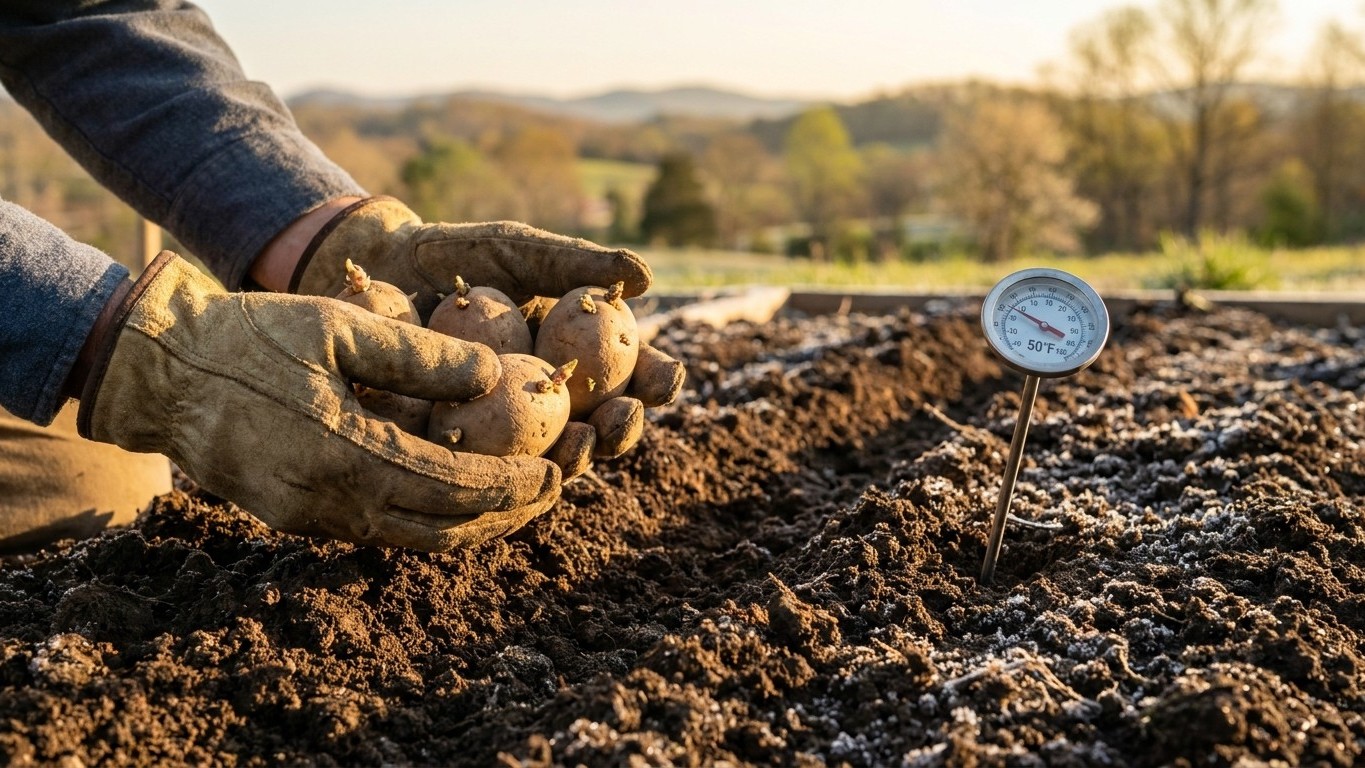
Plant potatoes in Tennessee when the soil hits 50°F, not on a fixed calendar date.