What Eats Garlic in Wyoming, and When
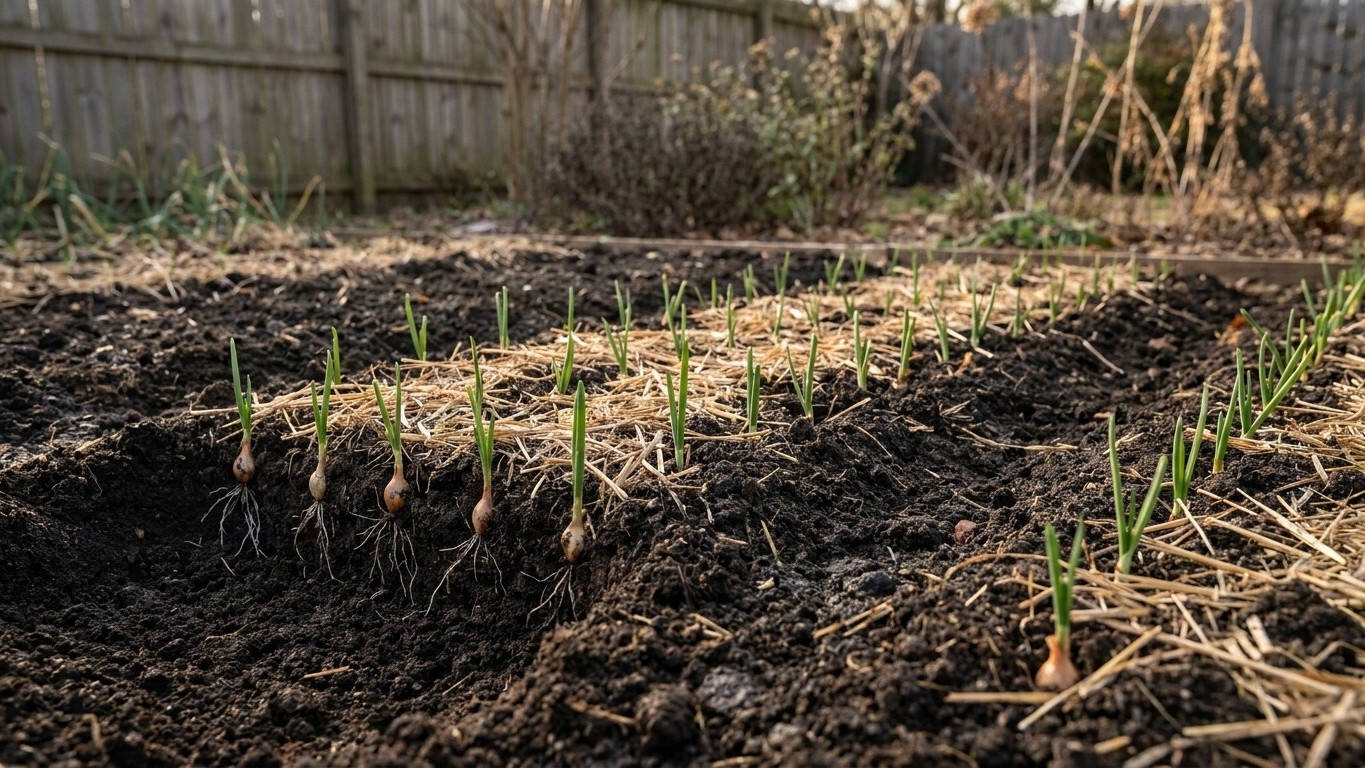
Garlic is one of the tougher crops in a Wyoming garden, but it is not untouched.
Home & garden, state by state
Everything we have worked out for Wyoming: what to plant and when, which varieties finish in time, the pests that actually turn up here, and the jobs that pay off month by month. We also cover the rest of the property, from lawns and soil to home care and energy, because a garden rarely stops at the vegetable bed.
The numbers first, because everything else follows from them. Measured at the weather station in Cheyenne, the last spring freeze runs May 7 to May 18 and the first fall freeze runs September 24 to October 5, USDA zones 3a-6a, 2,552 growing degree days in the year.
Garlic does well: 30.4 weeks below 40 °F, comfortably past the six it needs to form a proper head.
Elsewhere on the property in Wyoming: the pests that turn up here.
Figures from NOAA's 1991-2020 climate normals. A state is not one climate: elevation, a large lake or the coast can move these dates by two weeks either way, so check your own county with the extension service before you spend money.
Garlic is one of the tougher crops in a Wyoming garden, but it is not untouched.
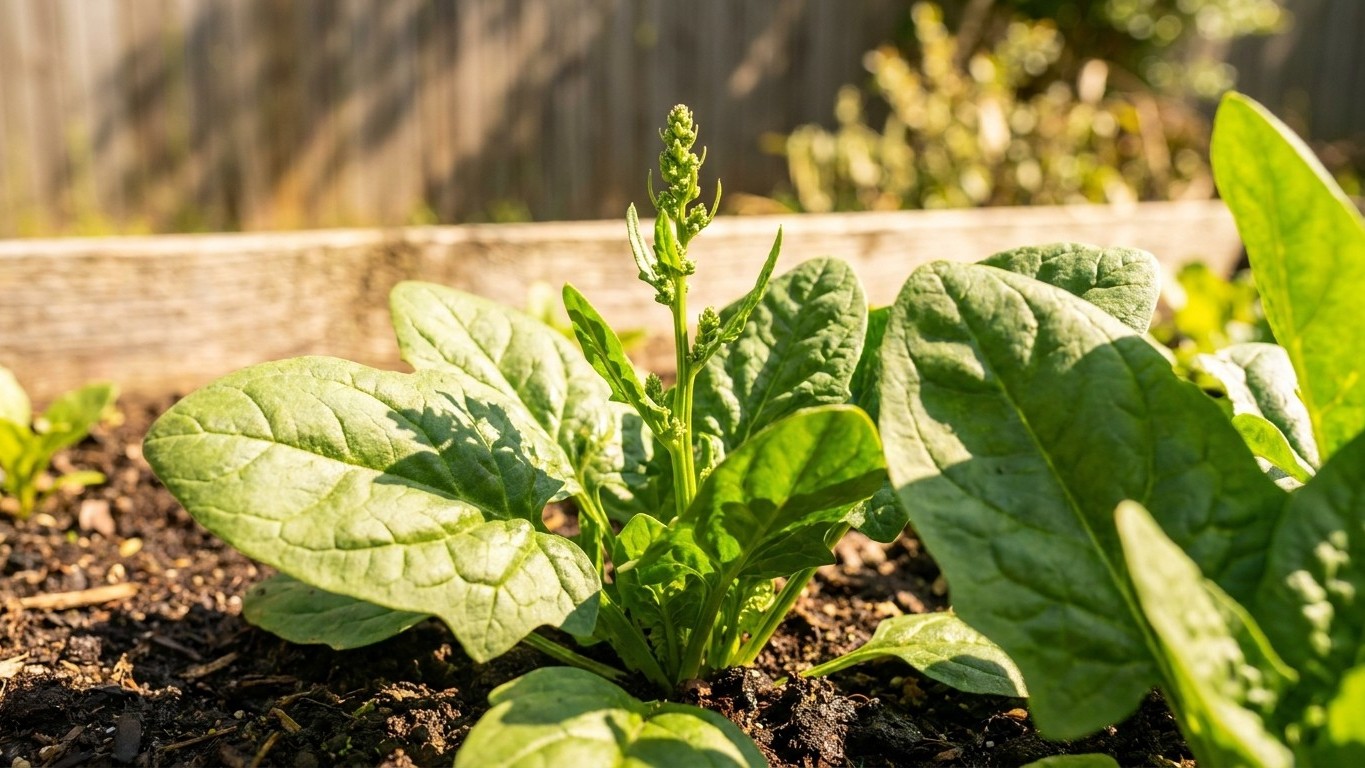
Cut spinach when the outer leaves are about as long as your hand and the center is still a tight cluster of young leaves.
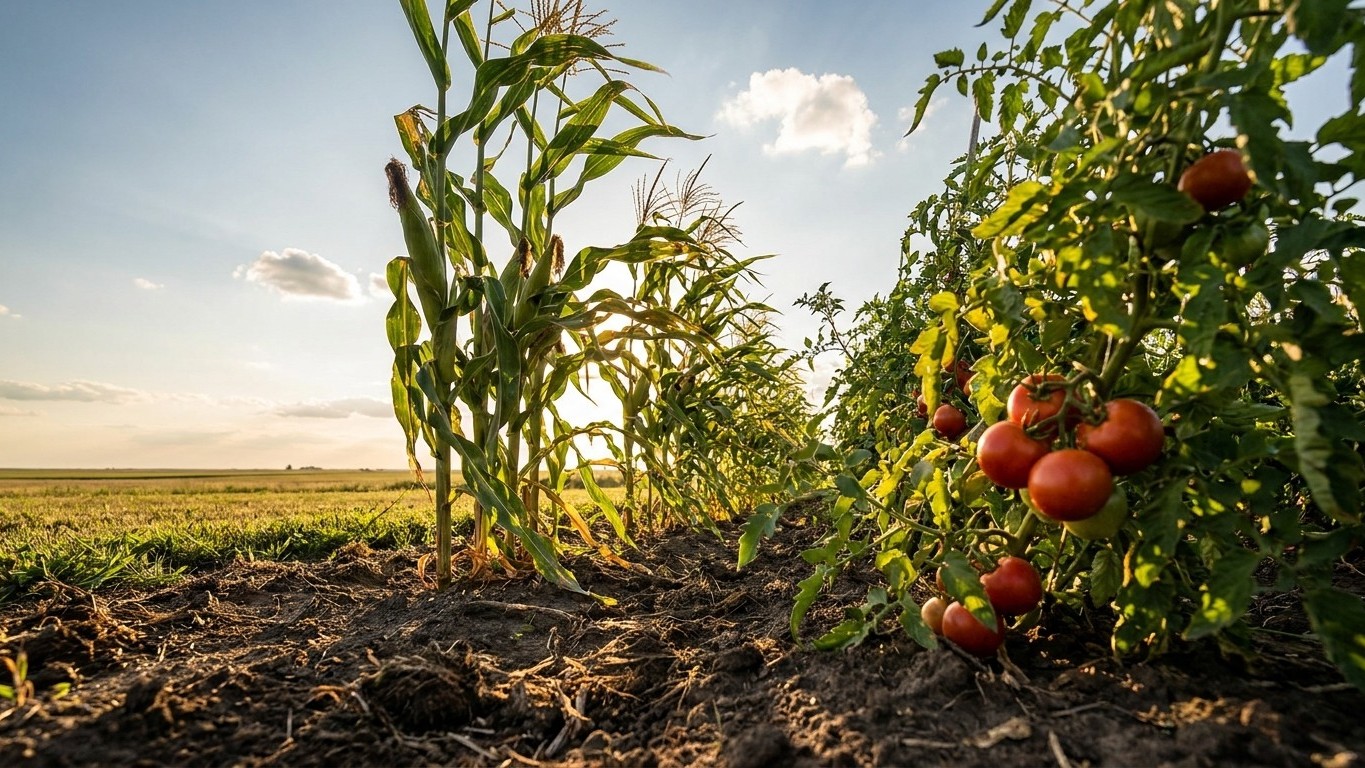
Sweet corn is ready when the silks at the ear’s tip have dried brown, the husk is still green and moist, and a punctured kernel gives milky juice.
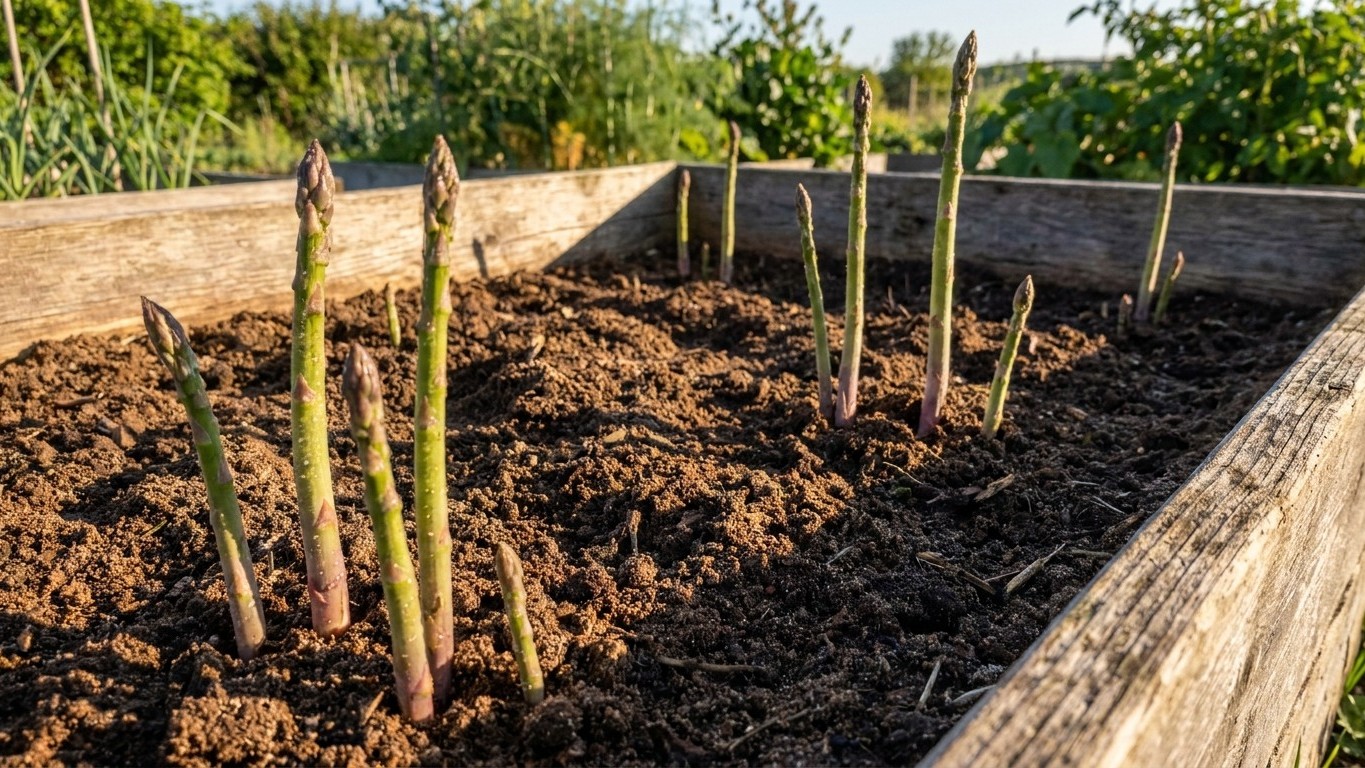
Asparagus in Wyoming loses spears and fern to a short list of chewing and sap-feeding insects, plus animals that clip shoots.
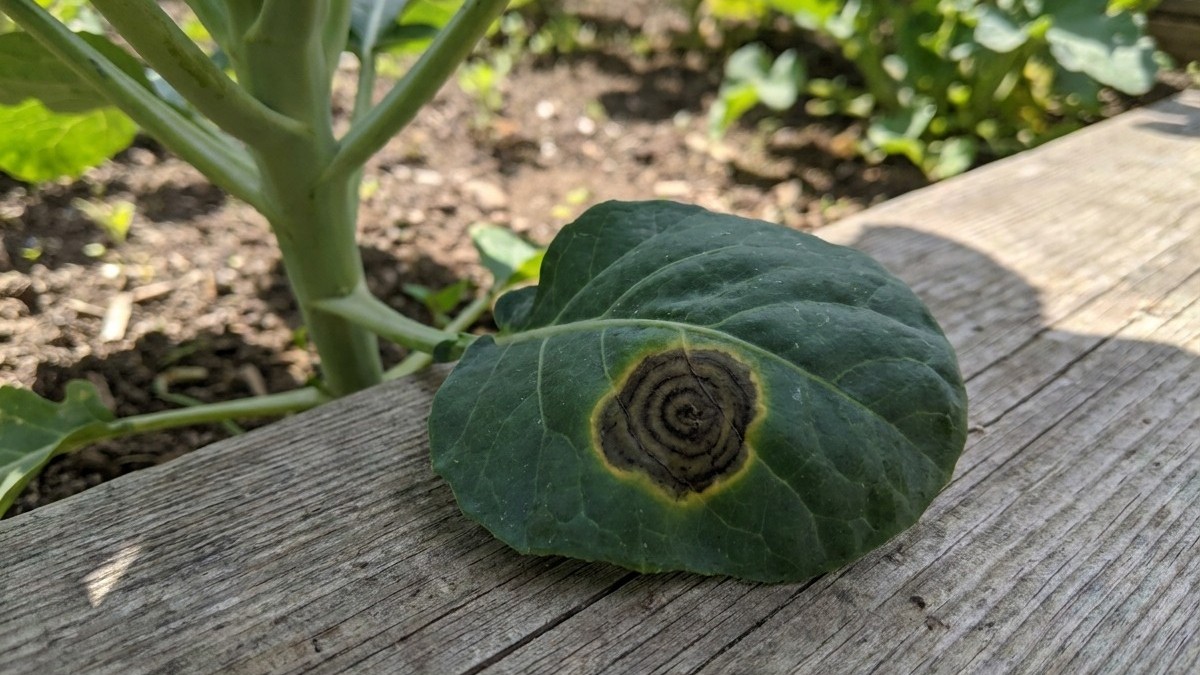
Cut pumpkins once the rind is hard and fully colored, and always before the first fall freeze.
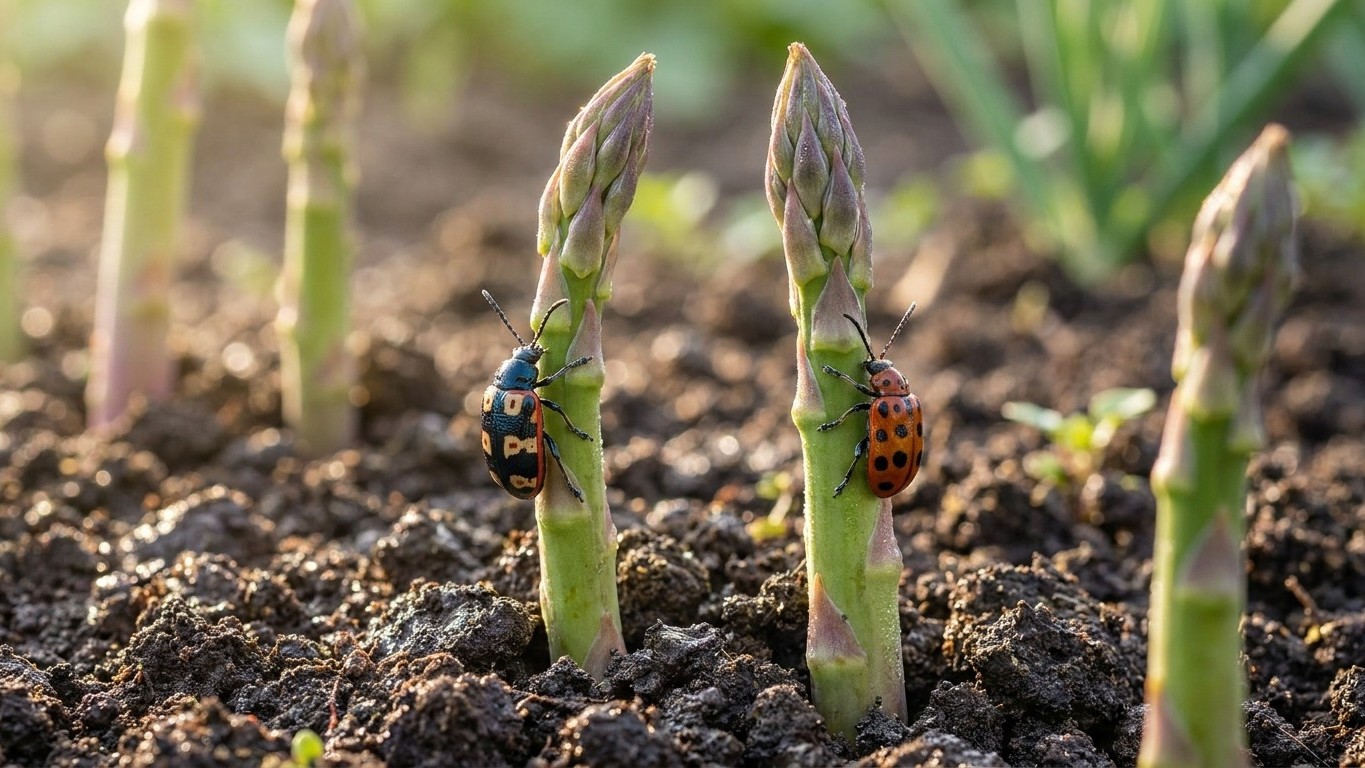
Stop cutting when most of the spears coming up are thinner than a pencil. That is the plant telling you its reserves are spent.
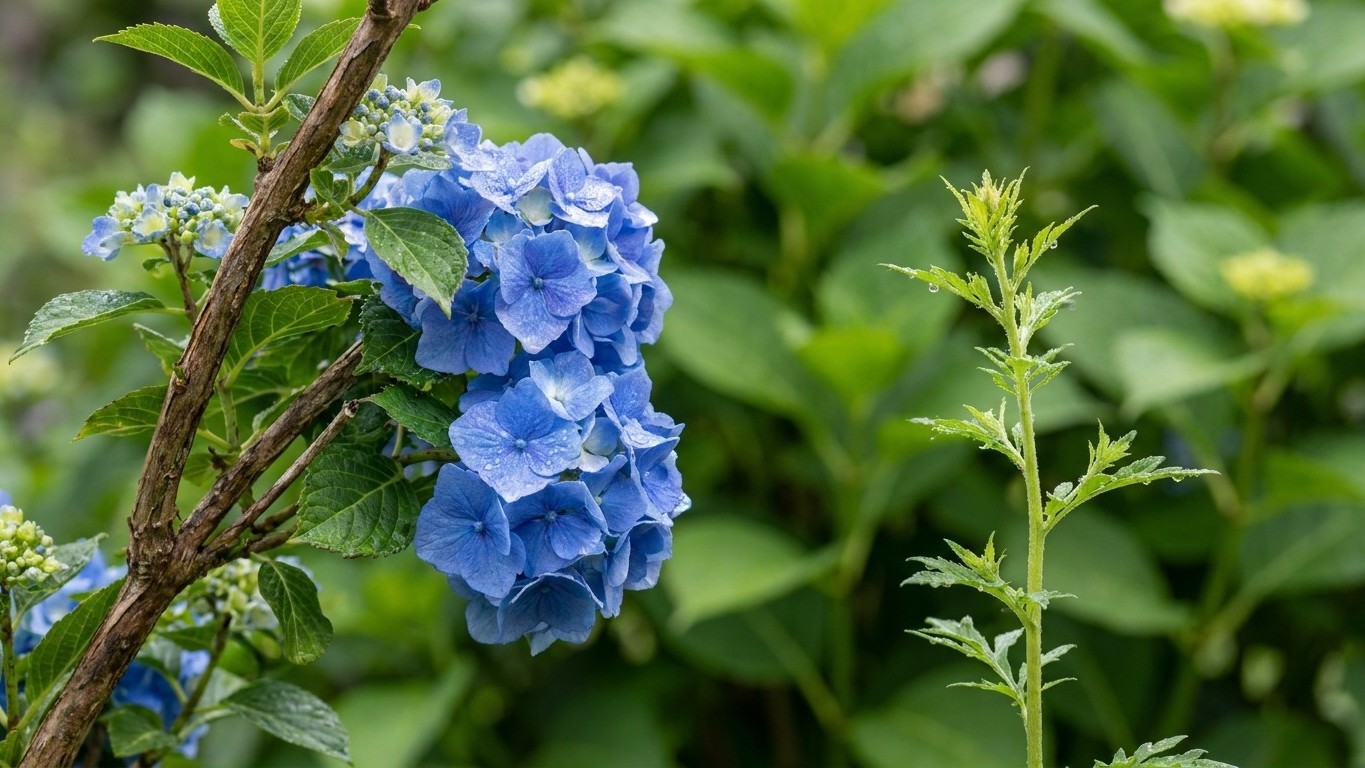
Panicle and smooth hydrangeas grow well in Wyoming, and they are the two types to build around.
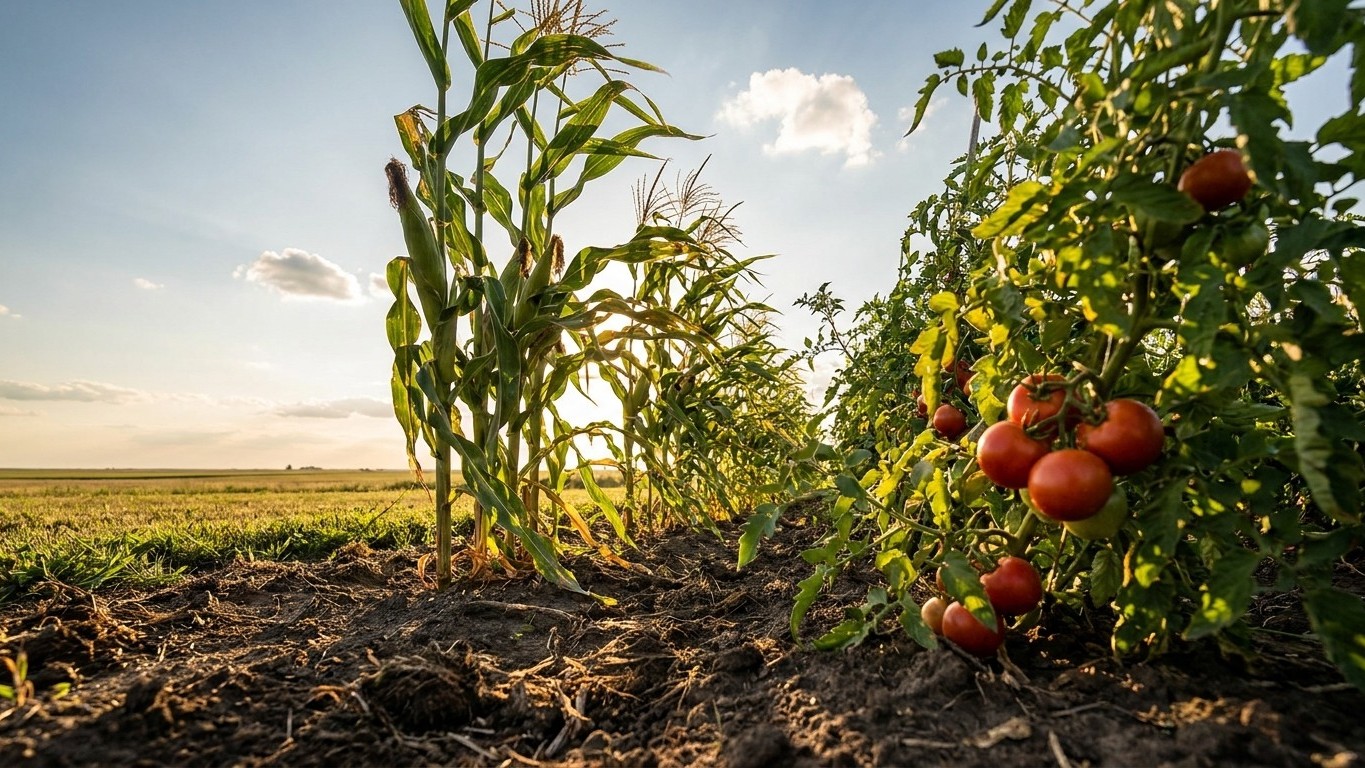
What eats sweet corn in Wyoming depends on the growth stage. Seed and seedlings come first, then leaves and silks in midsummer, and finally the ripe ears.
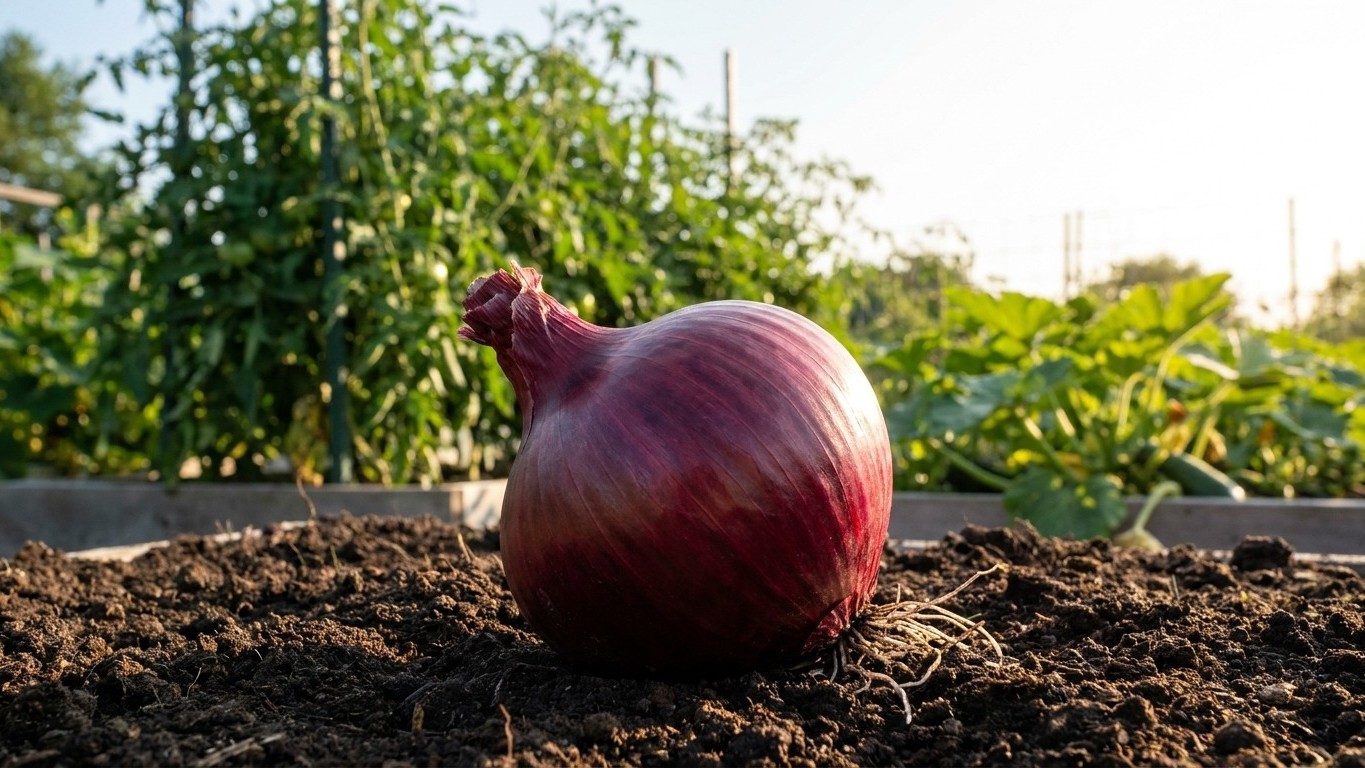
Pull onions when about half the tops have flopped over and the necks have gone soft.
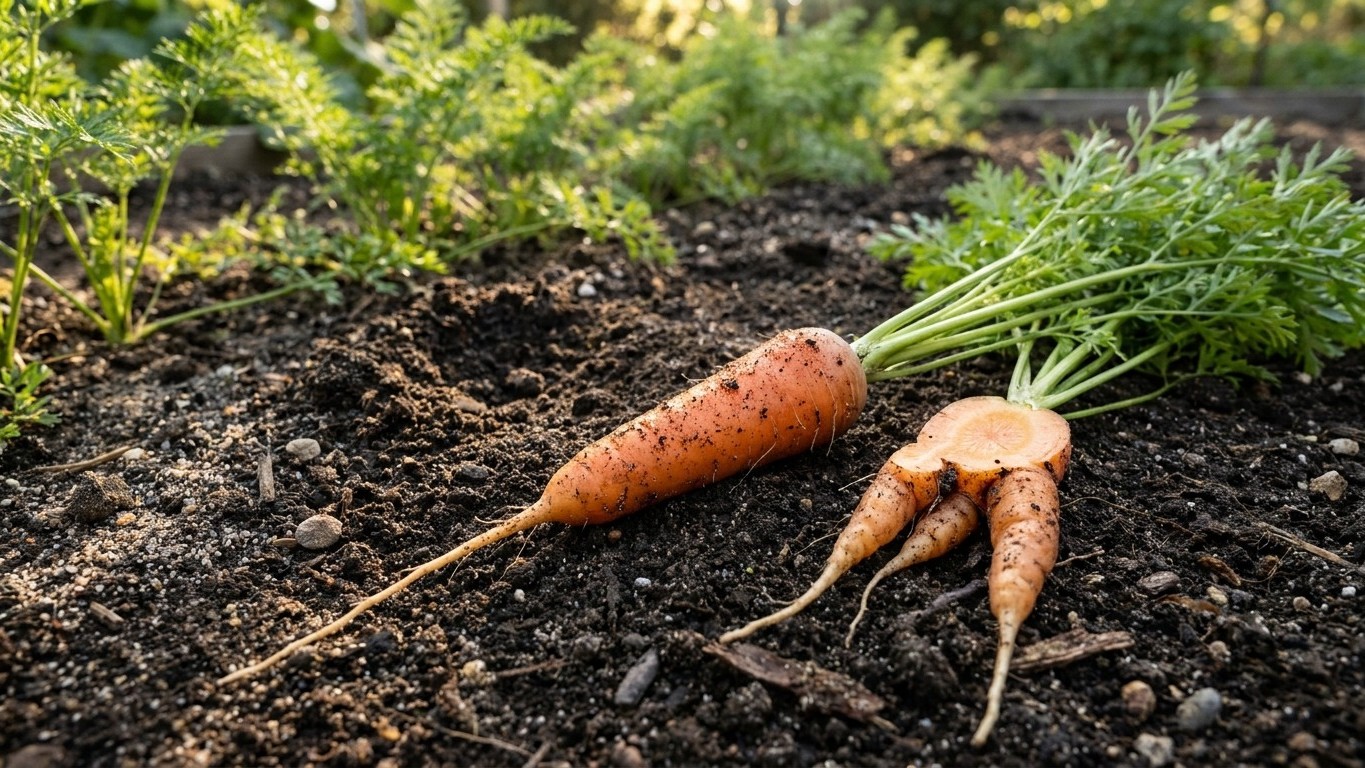
Pull carrots when the roots have run their full count of days from seeding, which is 70 to 100 days on most packets, and before the soil freezes hard.