When to Sow Carrots in Yukon: Counting Back From the Last Frost
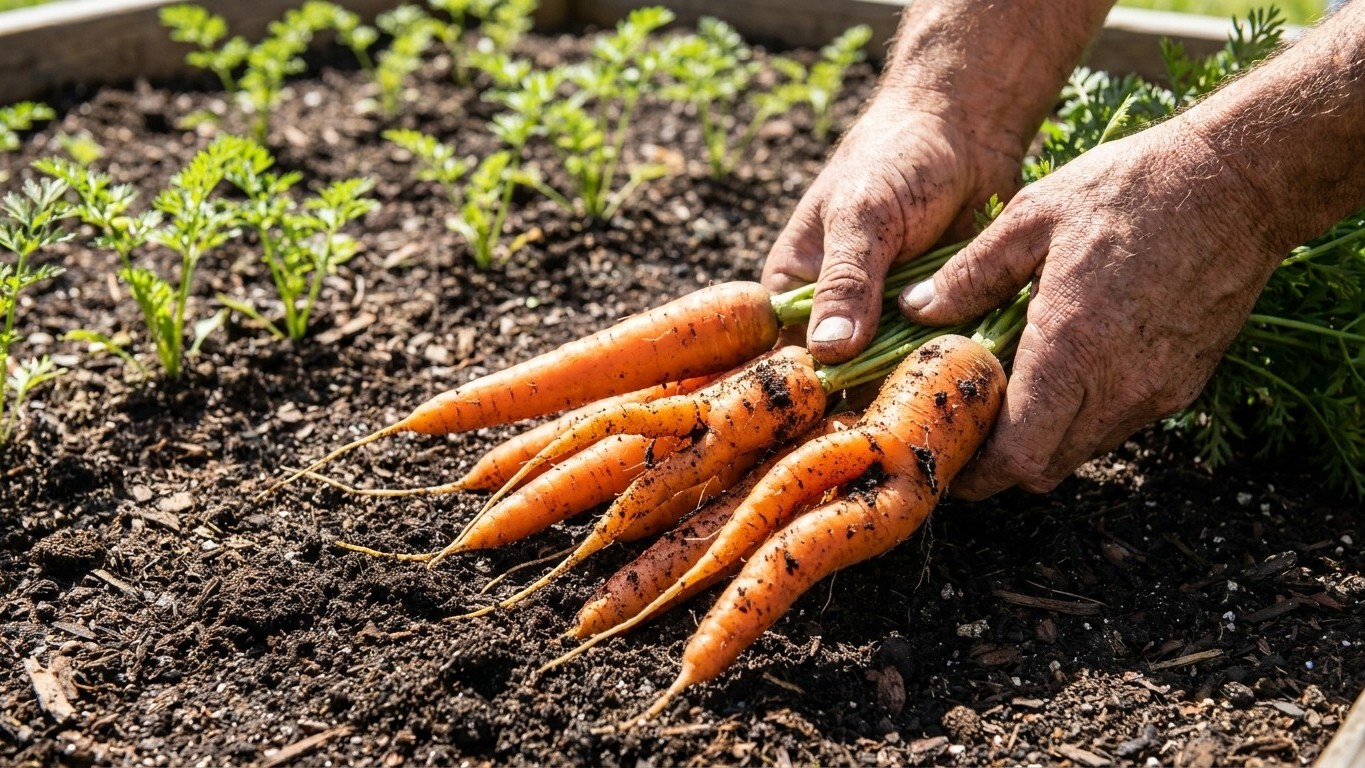
Carrots go into the ground before the last frost, not after. The seedlings tolerate cold that would wreck a tomato start.
Home & garden, state by state
Everything we have worked out for Yukon: what to plant and when, which varieties finish in time, the pests that actually turn up here, and the jobs that pay off month by month. We also cover the rest of the property, from lawns and soil to home care and energy, because a garden rarely stops at the vegetable bed.
The numbers first, because everything else follows from them. Measured at the weather station in Whitehorse, the last spring freeze falls around June 5 and the first fall freeze falls around August 25, 600 growing degree days in the year.
That is little accumulated warmth: tomatoes need a tunnel or a greenhouse here, whatever the frost dates suggest. Garlic does well: 39.1 weeks below 40 °F, comfortably past the six it needs to form a proper head.
Elsewhere on the property in Yukon: the pests that turn up here.
Figures from Environment and Climate Change Canada. A state is not one climate: elevation, a large lake or the coast can move these dates by two weeks either way, so check your own county with the extension service before you spend money.
Carrots go into the ground before the last frost, not after. The seedlings tolerate cold that would wreck a tomato start.
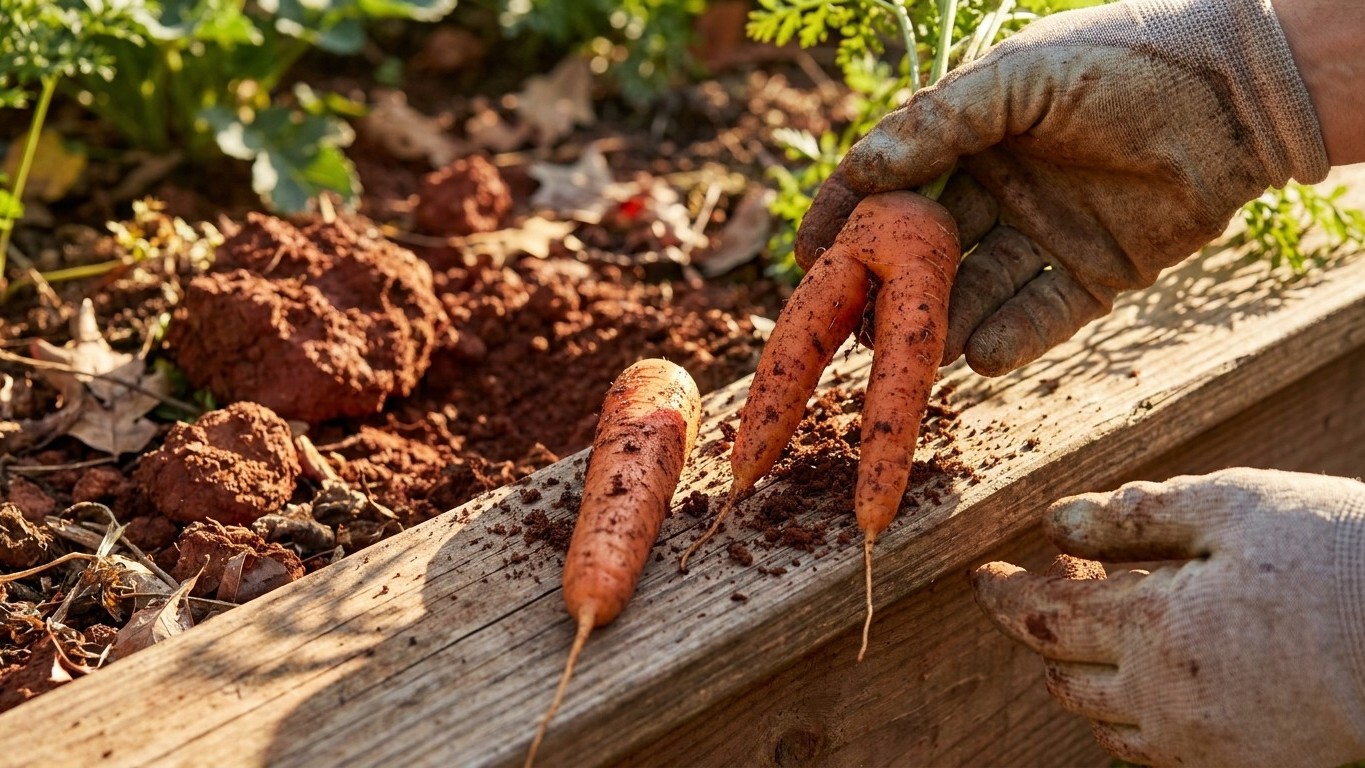
The typical agricultural soil in Yukon is a loam-silt Brunisol with only 15 percent clay, so most carrots grown there won’t fork from the soil texture…
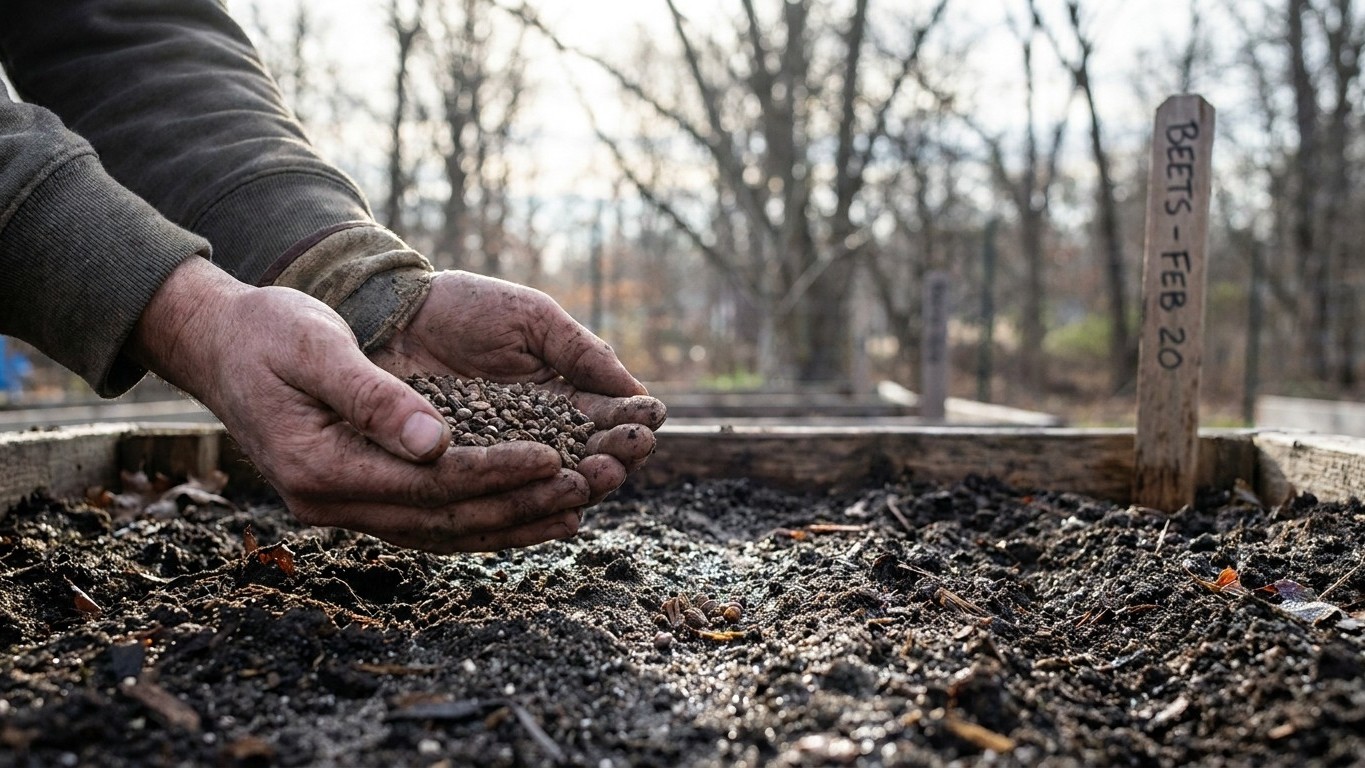
Yukon gardeners get one shot at getting the beet bed right, and the window opens two to three weeks ahead of the territory’s average last frost, which…
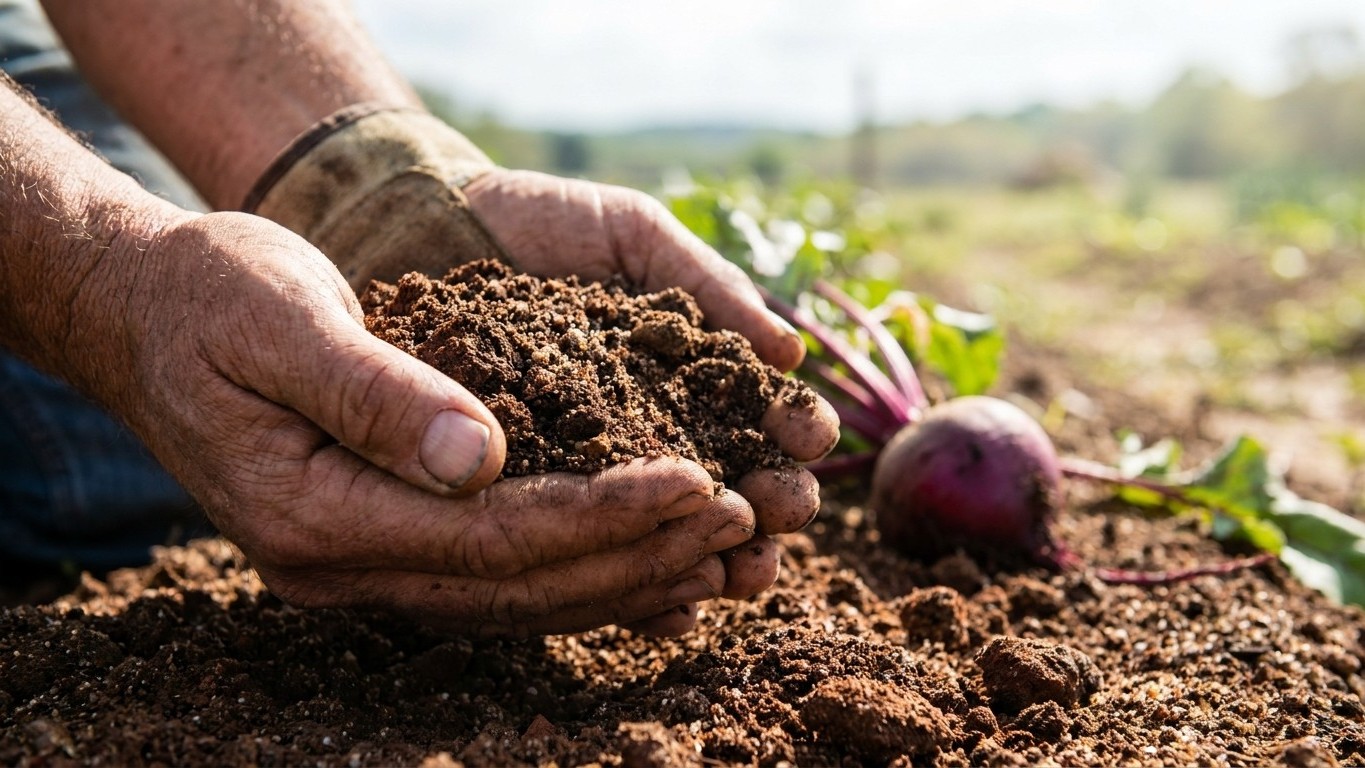
In Yukon, a beet root meets ground that’s still young by soil-survey standards: a Brunisol profile, loam to silt, 47 percent sand, 15 percent clay, 38…
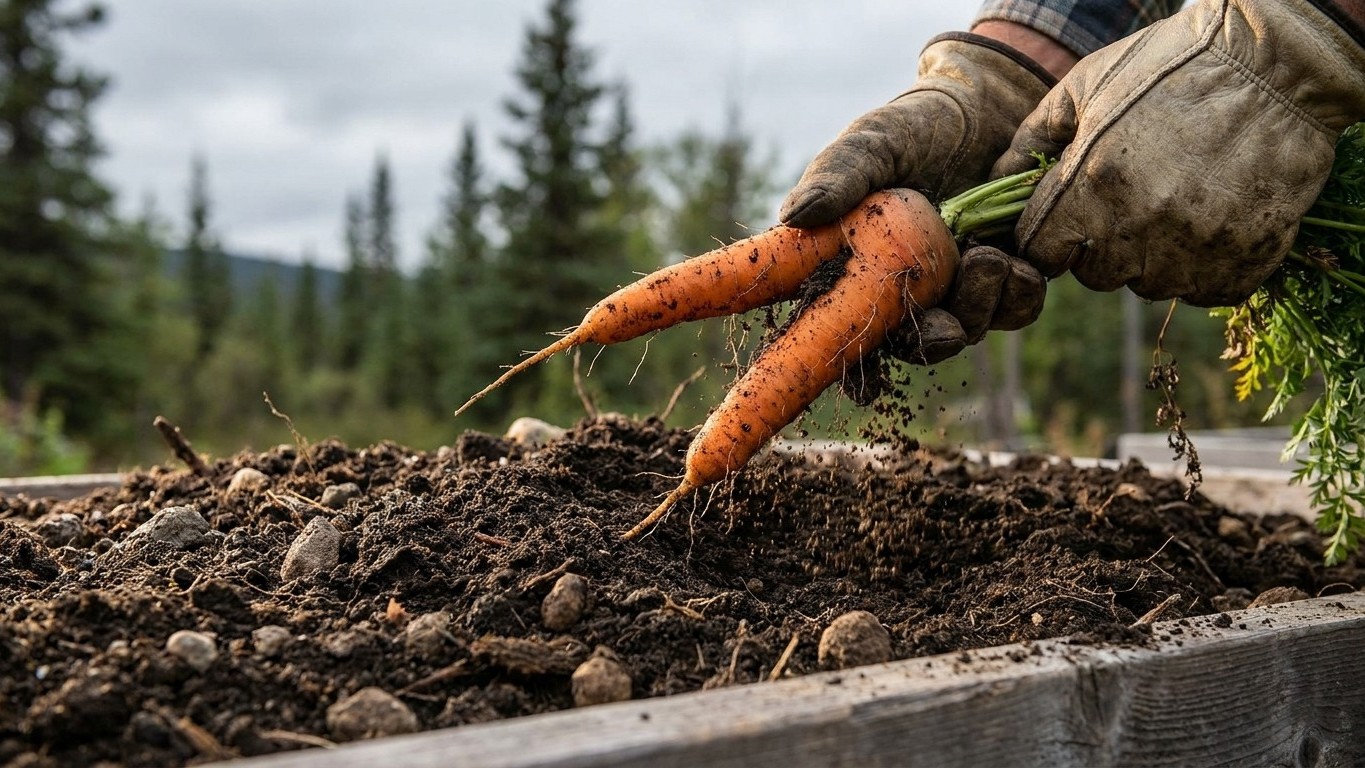
Yukon’s most common ground is a loam-to-silt Brunisol, well short of the sandy, stone-free bed carrots want, and it drains imperfectly rather than freely.
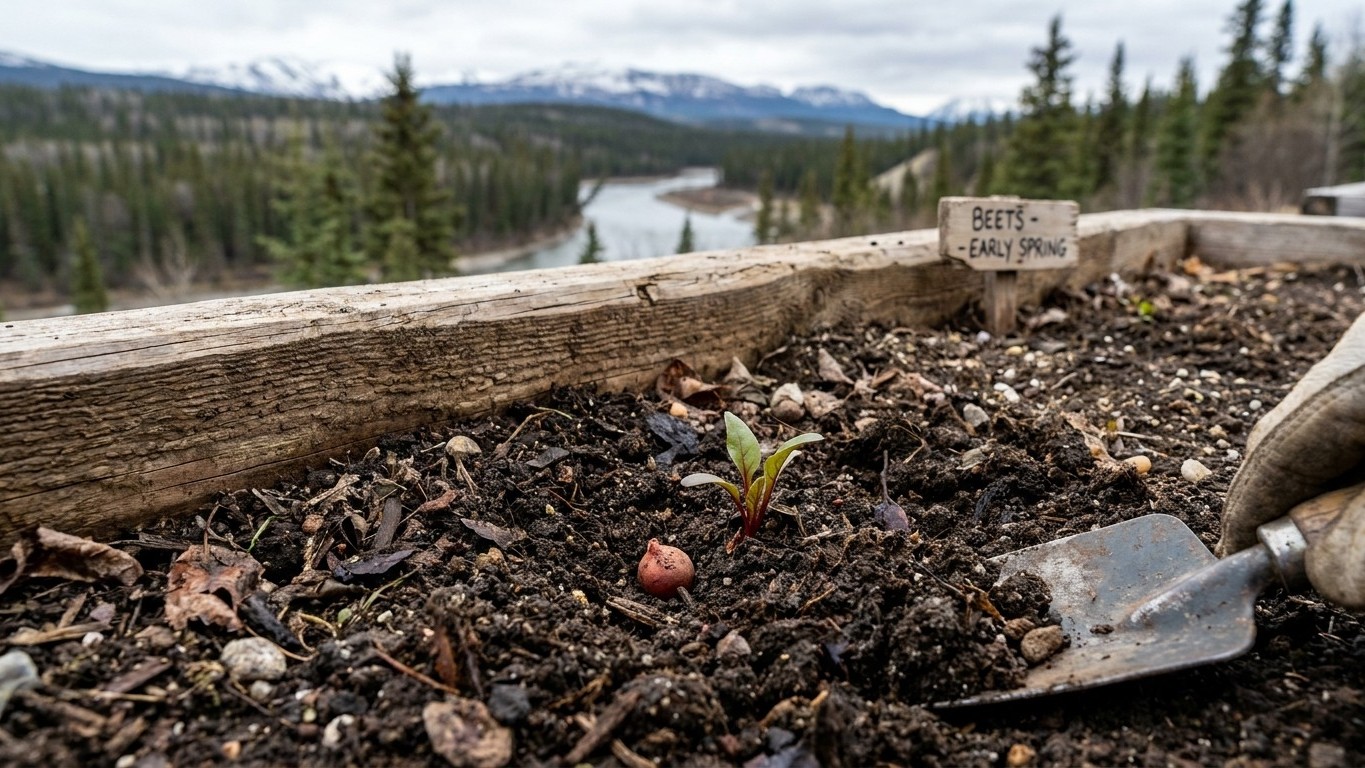
Yukon’s ground starts as a Brunisol, a young soil common on recently formed material, running loam to silt with imperfect drainage and a near-neutral pH…
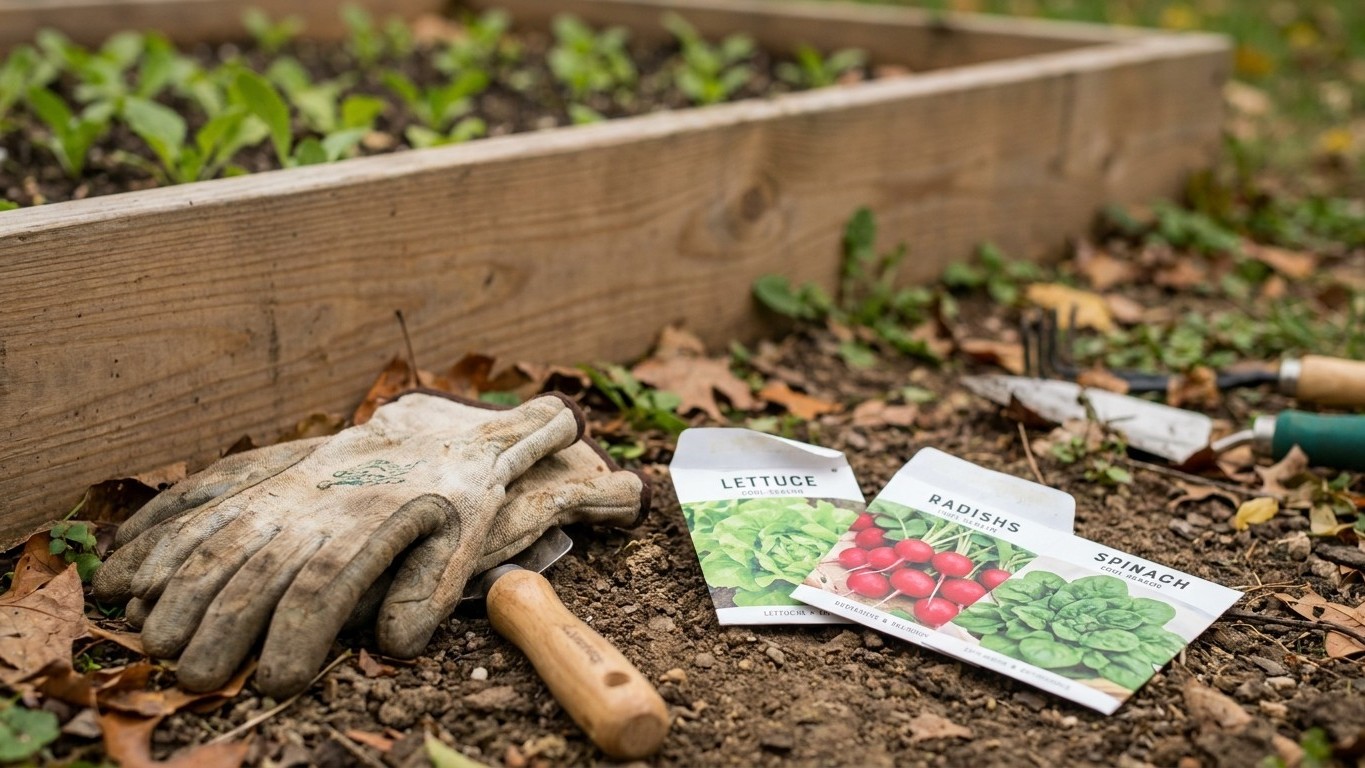
By September, Yukon’s growing season has typically already closed. Environment and Climate Change Canada’s Whitehorse A station puts the average first…
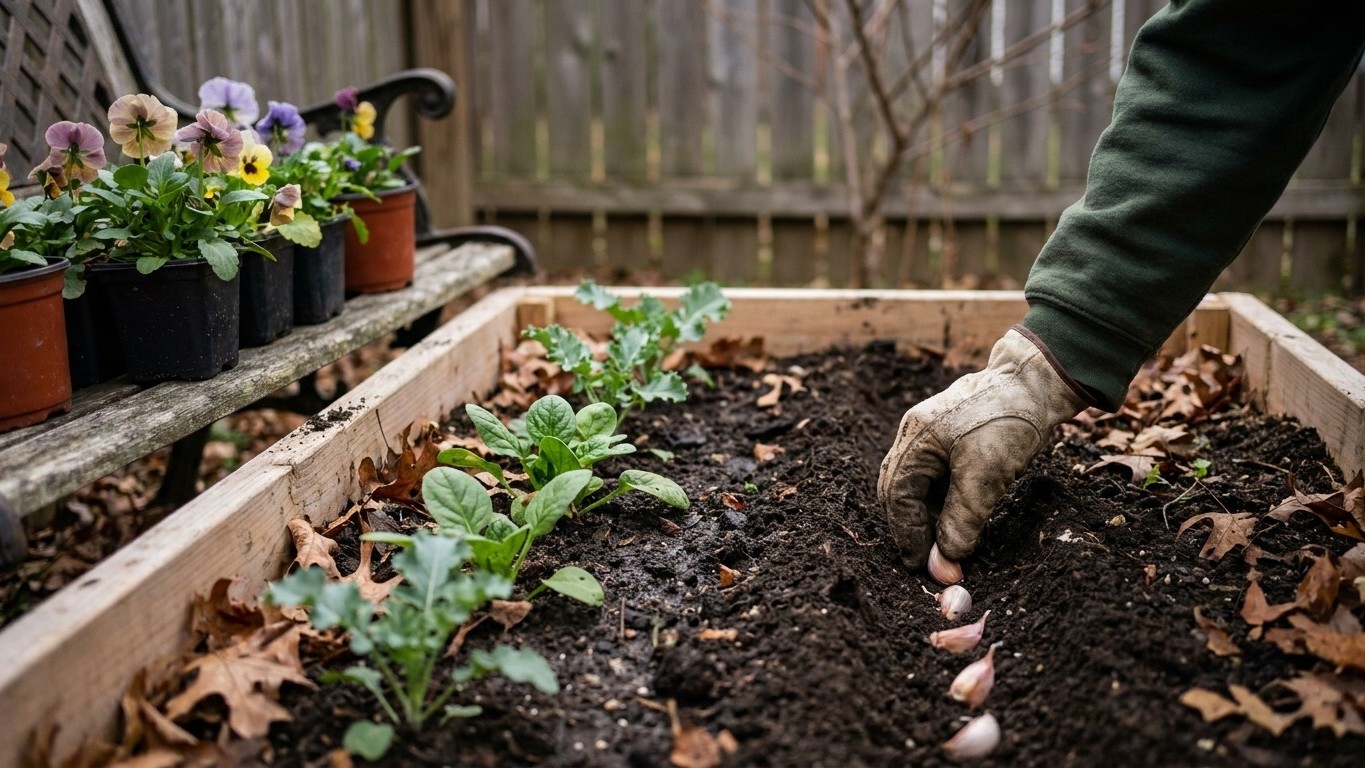
By October, most of Yukon is already weeks past its average first fall frost, and the ground in many yards is either freezing or already frozen solid.
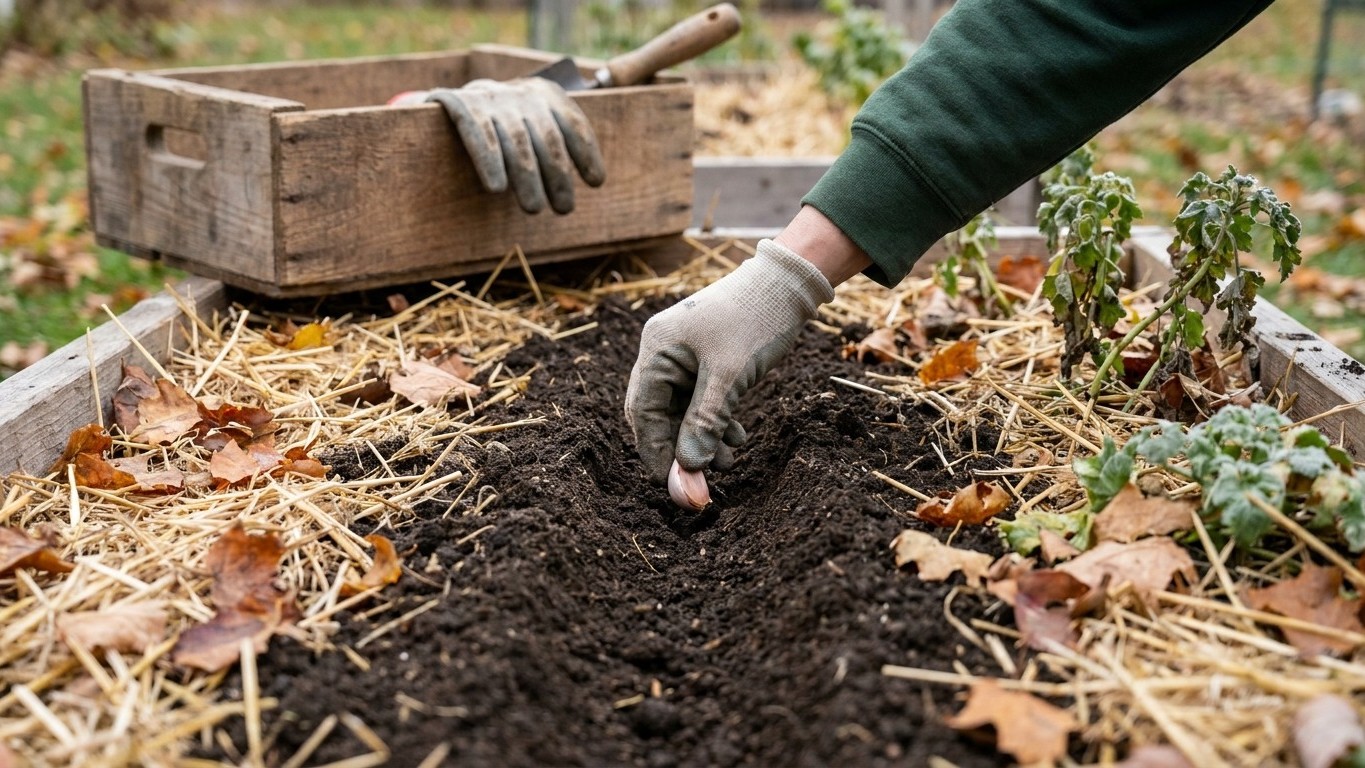
Outdoor planting in Yukon is over for the month. With a mean first fall frost around August 25 and a Canadian hardiness zone of 1b, the ground has been…
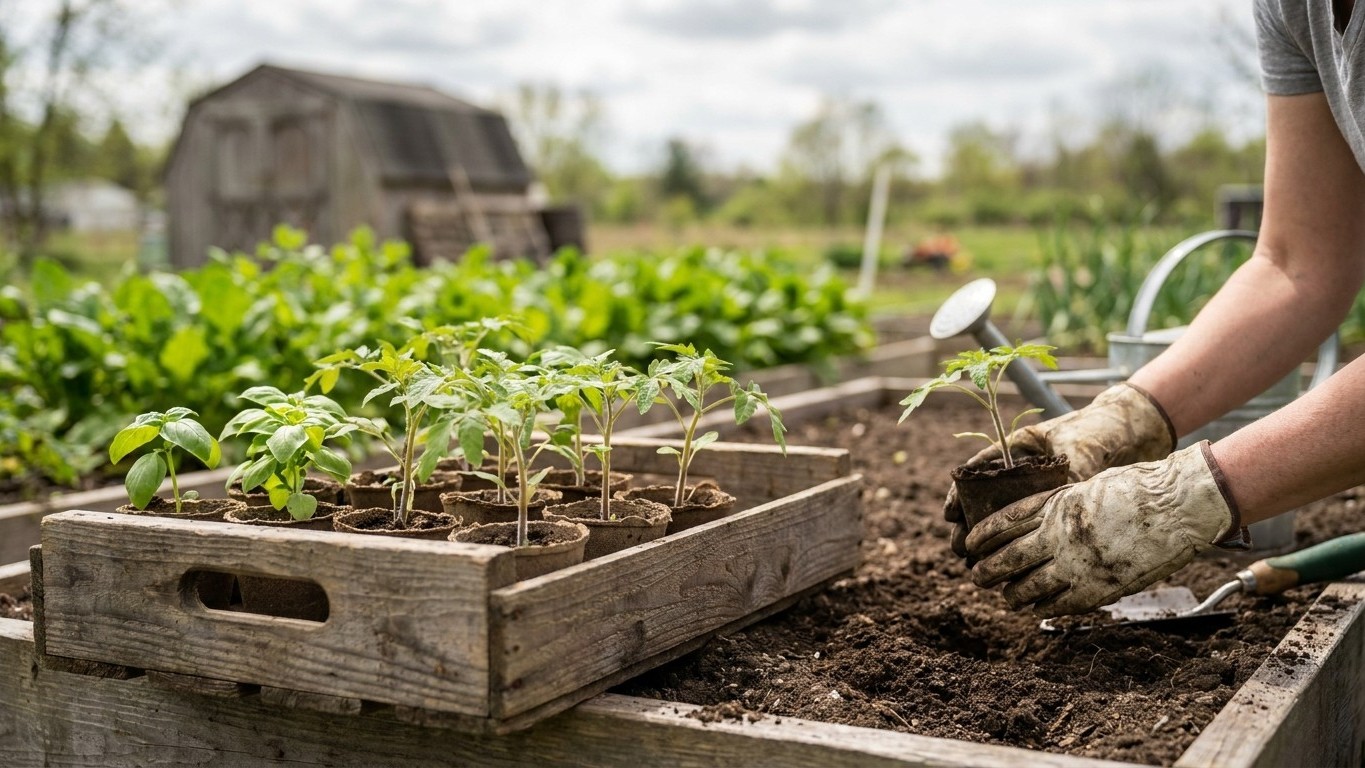
May in Yukon means cold soil and lingering frost risk, so the safe list stays short: peas, spinach, hardy greens, and onion sets, once the ground…