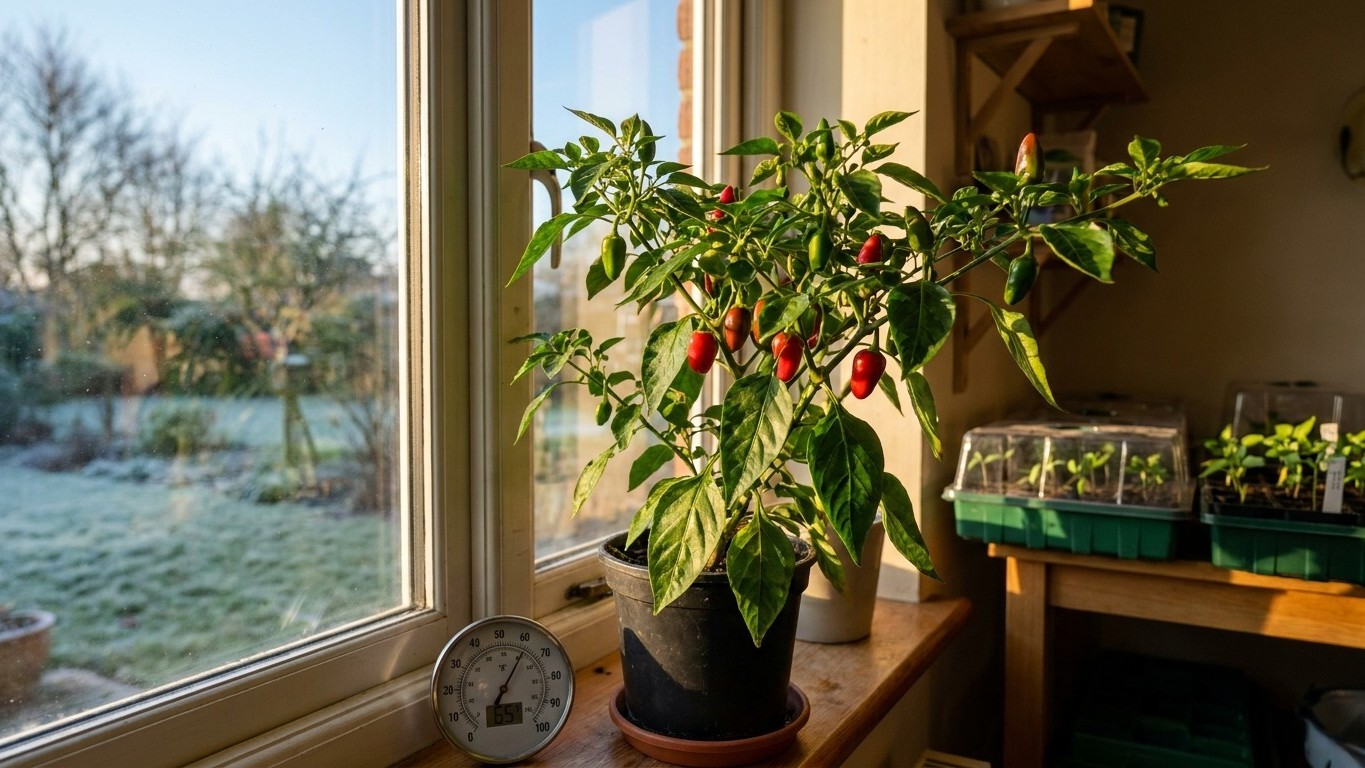

Massachusetts averages 10.2 days a year at or above 90°F, which is mild enough that pepper fruit set rarely fails from heat alone here. The bigger threat is the cool end: nights below 55°F stall pollen just as effectively, and this site doesn’t track summer night lows, so you’ll need to watch your own thermometer. Knowing When to Start Pepper Seed in Massachusetts matters here: start seed indoors 8 to 10 weeks before transplanting, moving plants out after frost and once soil hits 60°F, and lean toward Pepper Varieties That Ripen in a Massachusetts Season so a cool stretch doesn’t cost you the whole harvest.
The short answer

Ten days a year at or above 90°F is a number worth sitting with. It’s not zero, but it’s not the kind of relentless summer heat that shuts down pepper flowers for weeks at a stretch the way it does in parts of the Southeast or the Southwest. In Massachusetts, a 90°F stretch tends to arrive as a short heat wave, three or four days, maybe a week, rather than a summer-long condition. Pepper flowers that abort during that window usually get replaced by a fresh flush once temperatures settle back into the 80s, so a hot spell here is an inconvenience more than a season-ender.
That’s the good news on the hot side. The cool side is where Massachusetts growers actually lose fruit, and it’s the part most people don’t think to check. Pepper pollen becomes unreliable when nighttime temperatures drop below 55°F, even if the daytime highs look perfectly summery. A 78°F afternoon followed by a 50°F night, which is a common pattern in New England during a cool June or a shoulder-season stretch in early September, can knock blossoms off a plant that looks otherwise healthy and well-watered.
Here’s the catch: this site carries days-above-90°F data because that’s a published, station-based measurement with a clean historical record. Summer night minimums aren’t tracked here, and they shouldn’t be guessed at either. It’s tempting to assume that because Massachusetts sits at a certain latitude, or because a particular month is generally mild, the nights must stay above 55°F through the growing season. That’s not a safe assumption, and understanding Why Peppers Fail to Set Fruit in Massachusetts starts with recognizing this. Coastal areas, river valleys, and inland low spots all behave differently on any given night, and a location’s latitude tells you almost nothing about what its overnight low will do in a specific week.
The practical move is to keep an eye on your own overnight forecast from late spring through early fall, particularly in the weeks right after transplanting and again as the season starts winding down. A cheap min-max thermometer left in the garden bed will tell you more about your pepper plants’ fruit-set odds than any statewide average ever could. If you see a run of nights dipping into the low 50s while your plants are flowering, that’s the signal to expect a lull in fruit set, not a plant problem to fix with fertilizer or water.
When to start seed here
Working out a seed-starting date is really just arithmetic run backward from your last frost. Massachusetts gardeners can use this sequence to land on a date that fits their specific spot rather than a statewide guess.
- Start with your local last spring frost date. Near Boston, NOAA’s 1991-2020 climate normals put that date between April 1 and April 8. But that station sits on the waterfront in one of the mildest urban spots in the state. Inland suburbs and especially the Berkshires frost later in spring and earlier in fall, sometimes by two or three weeks, so treat the Boston window as a starting reference, not your actual date.
- Wait for the soil, not the calendar. Peppers transplant safely once soil temperature reaches 60°F, and that threshold typically arrives some weeks after the air frost date has passed, since soil warms more slowly than air. There’s no substitute for checking this directly: push a soil thermometer about four inches down in the bed you plan to use, and take a reading in the morning over a few consecutive days before you trust it.
- Count back 8 to 10 weeks from your expected transplant date. That span is what Utah State University Extension recommends for raising a pepper transplant indoors to a size sturdy enough to handle the move outside.
- Run the example. Say your soil in a typical Massachusetts yard doesn’t hold a steady 60°F until sometime in May. Counting back 8 to 10 weeks from an early-to-mid-May transplant lands indoor seed-starting somewhere in early-to-mid March. Push your own dates through that same math using your actual frost date and soil readings, and you’ll have a start date built for your yard instead of a generic one.
The 8-to-10-week window matters more than it sounds. Start too early and you end up babying leggy, rootbound seedlings indoors for weeks past when they’re ready, waiting on cold soil to catch up. Start too late and you’re transplanting undersized plants that take longer to establish and flower, which pushes your first harvest deeper into a Massachusetts summer that’s already on the shorter side.
What goes wrong here
- Blossom drop during a heat spell. On the handful of days each year that push past 90°F, pepper flowers can abort even on well-watered plants. The fix isn’t more water, it’s shade: a length of 30% shade cloth over the row during the hottest afternoons keeps flower buds from cooking, and new blooms typically resume once the heat wave passes.
- Blossom drop after a cool night. A night that drops below 55°F, whether in late May or during a cool snap in early September, can cause the same flower loss as heat. Row cover pulled over plants on nights when a cool spell is forecast buys a few degrees of protection and often saves that flush.
- Sunscald on exposed fruit. Strong summer sun hitting fruit that’s lost its leaf cover, from over-pruning or from early foliage disease, leaves pale, papery patches on the pepper’s shoulders. Leave the plant’s natural canopy in place rather than stripping leaves for “better sun exposure,” which is a common overcorrection that does more harm than good.
- Blossom-end rot. Dark, sunken patches at the fruit’s blossom end usually trace back to inconsistent soil moisture rather than a soil calcium shortage. Even watering, ideally with a soaker hose or drip line rather than a rain-dependent schedule, keeps calcium moving steadily to the fruit and prevents the swings that trigger the problem.
Checking this against your own county
Statewide averages and reference-station data are a starting point, not a substitute for what’s happening in your specific yard. Soil types, elevation, tree cover, and distance from the coast all shift frost timing and heat exposure from one county to the next, sometimes within just a few miles.
The UMass Amherst Extension service tracks these local conditions and publishes growing guidance tailored to Massachusetts counties, including soil temperature trends and pest and disease pressure specific to the region. Before locking in a transplant date, it’s worth checking their current guidance against the general timeline above, especially if you garden west of Worcester or anywhere in the Berkshires, where frost dates diverge noticeably from the Boston-area reference.
Common questions
Can I transplant peppers early to get a head start on the season?
Transplanting before soil hits 60°F usually backfires. Cold soil stalls root growth, and a stunted early transplant often ends up smaller by midsummer than one started later into properly warmed soil.
Do all pepper varieties struggle with the same heat and cold limits?
Fruit set pressure at both the hot and cool end applies broadly across pepper varieties, according to Utah State University Extension. No published heat rating or cold tolerance figure distinguishes one variety from another in that guidance, so don’t assume a specific variety name gets you out of watching your own nights and heat spells.
How many days does it take from flowering to a ripe pepper?
Utah State University Extension notes that window runs 35 to 45 days, but that count starts at flowering, not at sowing or transplanting. Factor that in when estimating a harvest date from your transplant timeline.
What if my county doesn’t hit 90°F very often at all?
Then the cool-night failure mode is almost certainly your bigger risk in Massachusetts, and it deserves more attention than heat does. A thermometer left in the garden through late spring and early fall will tell you more than any statewide heat statistic.