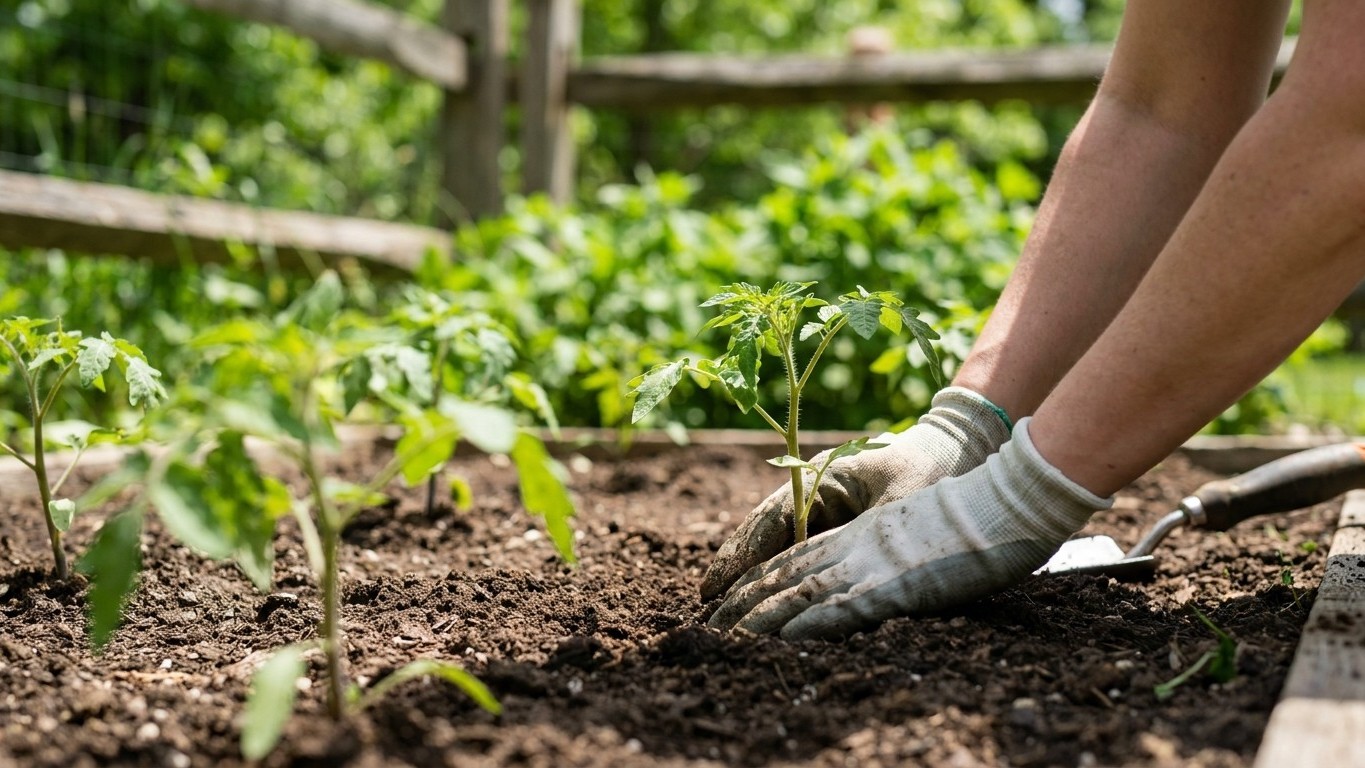

June is the safest planting month on the Montana calendar. By the time the calendar turns, most valleys have already cleared the last spring frost window of April 29 to May 10, tracked at Billings, and soil has finally warmed enough for the crops that sulk in cold dirt: tomatoes, squash, beans, corn. Mountain valleys elsewhere in the state can still see frost in any month, so June still calls for a little judgment before the tender stuff goes in unprotected.
What goes in the ground in June

The date on the seed packet matters less than what the soil thermometer says. NOAA’s 1991-2020 climate normals put the last spring freeze at Billings somewhere between April 29 and May 10, a range built on the 30 to 70 percent probability band for a 32°F freeze, not a single guaranteed date. By June, Billings and similar low-elevation valleys are almost always clear of frost. Soil has had a few weeks to catch up to the air, which is the real gatekeeper for anything in the squash, bean, or tomato family. Cold soil rots seed and stalls transplants no matter how warm the afternoon feels.
That gives June the widest planting window of the year in most of the state. Direct-sow beans, corn, cucumbers, summer and winter squash, and melons once the soil has had a stretch of settled warmth. Transplant tomatoes, peppers, and squash starts that have been hardened off gradually, not moved straight from a warm windowsill into open ground. Onion sets and seed potatoes that missed an earlier planting window can still go in during the first half of the month. Early June is also the last realistic call for peas and the hardier greens, spinach, lettuce, and the brassica family, before the soil warms past the point where they bolt or struggle.
The caution in the freeze data matters here: Billings is one of the milder valleys in Montana. Higher mountain valleys and the Hi-Line can post a frost in any month, June included. A gardener working land above 4,500 feet, or in a valley known for cold-air pooling, should treat the state-wide window as a rough guide and keep row cover or a frost blanket within reach through the month, especially for the first two weeks. Where that risk is real, staggering transplants over two or three weeks instead of setting everything out on one weekend spreads the risk instead of betting the whole crop on a single warm stretch holding.
What to start under cover
June planting outdoors doesn’t mean the seed trays go away. Working backward from the first fall frost, tracked at Billings between October 1 and October 14, tells a gardener what still has time to mature if started indoors or under a cold frame now rather than direct-sown later. Broccoli, cabbage, and cauliflower for a fall harvest are the clearest case: most varieties need something like 70 to 80 days from transplant to harvest, plus another four to six weeks of growing indoors before they’re ready to go into the ground. Counted backward from that October frost window, seed started indoors in June and transplanted in July lands the harvest before the cold sets in, with a margin left over for a cool, slow fall.
The same backward math applies to a second round of squash or a later planting of melons in the shorter-season mountain valleys, where the growing window between frosts is tight enough that a head start under cover buys real insurance. Starting those seeds in cell trays or a cold frame, rather than straight into ground that may still cool off overnight, gives roots a few extra weeks without exposing tender leaves to a stray frost.
The two ways this goes wrong are familiar to anyone who has started seed indoors before. Start too early, with no clear transplant date in mind, and the seedlings get rootbound and leggy in their trays long before the ground or the calendar is ready for them, stretching toward the light and burning through energy they’ll need once they’re in the ground. Start too late, and the fall frost date arrives before the plant has matured; those brassicas end up as compost instead of dinner. Counting backward from the actual frost window for a specific elevation, rather than a fixed date on the calendar, is the only way to land in between.
What is ready to pick
June is when the garden starts paying rent again after a long stretch of mostly waiting. Anything sown as soon as the soil was workable in April or early May is hitting its stride: spinach and lettuce sown thickly for cut-and-come-again harvest, radishes that go from seed to table in three to four weeks, and the first cuttings of asparagus and rhubarb from established beds. Rhubarb stalks are ready to pull once they’ve reached 10 to 12 inches and separate cleanly from the base with a firm tug, not a cut; the leaves stay behind since they’re toxic.
Peas planted early can start producing pods toward the end of the month in the warmer valleys, though timing shifts by a couple of weeks in cooler, higher ground. Strawberries from an established bed, if the bed survived winter without heaving, are usually coloring up by mid to late June. Early lettuce and spinach need checking every few days once the weather turns warm and dry; both bolt fast once they send up a flower stalk, and the leaves turn bitter almost overnight once that happens.
For anyone still working through what’s left in storage from the previous season, June is a good month to do a final check on the root cellar or pantry. Any potatoes or onions that have started sprouting or softening should get used first, and winter squash that has kept this long is usually near the end of its storage life. Clearing that space out matters practically too, since the next crops coming out of the garden in July and August will need somewhere to go.
The jobs that matter this month
Some June jobs pay off through the whole rest of the season, and some cost the season if they slip past this month.
Mulching comes first. Once transplants are in and the soil has warmed all the way through, a two to three inch layer of straw or shredded leaves locks that warmth in, slows evaporation before the hottest weeks hit, and keeps weed seeds from getting the light they need to sprout. Mulching too early, before the soil has actually warmed, insulates cold soil and slows everything down instead of helping it.
Staking and caging come next, and the window for doing it easily is short. Tomatoes, peas, and vining squash grow fast once the weather settles in, and a cage or trellis set now takes minutes; the same job attempted three weeks later means untangling stems that have already sprawled across the ground and rooted where they touch it.
Watering rhythm matters more in June than any other month because roots are still shallow. Deep, infrequent watering, aimed at wetting the whole root zone rather than just the surface, trains roots to grow down looking for moisture. Frequent shallow watering does the opposite, keeping roots near the surface where they dry out fast on a hot afternoon.
Succession sowing keeps the harvest coming instead of arriving all at once and then stopping. A new short row of lettuce, radishes, or beans every two weeks through June means a steady supply through summer instead of a glut followed by a gap.
Pest scouting belongs on the same weekly walk as the watering check. Flea beetles show up on brassicas early in warm spells, and aphids build up fast on new growth once temperatures climb. Catching either in the first week, before the population multiplies, is a matter of a strong water spray or picking off the first few leaves; missing that window turns into a bigger fight later.
What not to do in June
The classic June mistake in Montana is trusting the air instead of the soil. A run of 75-degree afternoons feels like summer, but if the ground underneath is still cold from a wet spring, tomato and pepper transplants set into it will sit and sulk, sometimes for weeks, instead of taking off. Checking soil temperature with a simple probe thermometer, rather than going by how warm the day feels on skin, avoids setting out heat-loving transplants into ground that isn’t ready for them.
Pulling row covers or frost blankets off too early after one mild week is the second common error, particularly in the mountain valleys where the caution on the frost data actually applies: a stretch of warm days can be followed by a clear, cold night that drops well below freezing, and young transplants with no protection left have no defense against it. Leaving covers loose and ready to pull back over, rather than storing them away after the first warm spell, costs nothing and saves a whole planting if a late frost does show up.
Nitrogen timing trips up a lot of gardeners in June too. A high-nitrogen feed applied once tomatoes, peppers, or squash are flowering pushes leafy green growth at the expense of fruit set, leaving a lush, healthy-looking plant with disappointing yields. A lower-nitrogen, higher-phosphorus feed once flowering starts supports fruit development instead of more leaves. Saving the nitrogen-heavy feeding for the early growth stage, before flowers appear, and switching after that point is the simpler fix.
Checking this against your own county
Everything above is built on data from Billings, one of the milder valleys in a state where elevation alone can shift a frost date by weeks. A garden at 3,000 feet in the Yellowstone Valley and one at 5,000 feet near the Continental Divide are working from different calendars entirely, even in the same June. The north-south spread across the state, and the difference between a sheltered valley floor and an open bench exposed to cold air drainage, move these windows further still.
Montana State University Extension publishes county-level guidance and local planting calendars that account for those differences directly. Checking a specific county’s frost history there, rather than relying on a single state-wide range, is the difference between a rough guess and a planting date built on the actual ground being worked. Find it there.
Common questions
Is it too late to plant tomatoes in Montana in June?
No, June is often the ideal month. Soil has warmed past the point where transplants sit and sulk, and the last frost window at Billings, April 29 to May 10, has already passed for most valleys. In cooler mountain valleys, wait for a settled warm stretch and keep row cover handy for the first couple of weeks.
Can I still direct-sow beans in June?
Yes. Beans, along with corn, cucumbers, and squash, do best when direct-sown into soil that has already warmed, which is exactly the situation most of Montana is in during June rather than earlier in spring when soil is still cold.
What about mountain valleys with a shorter growing season?
Those areas can see frost in any month, June included, according to the caution built into the NOAA freeze data for the region. Starting warm-season crops under cover, staggering transplant dates, and keeping frost blankets ready are the practical answers rather than waiting for a guaranteed frost-free stretch that may not come.
When should I start fall crops like broccoli?
Count backward from the first fall frost, October 1 to October 14 at Billings. Most broccoli and cabbage varieties need 70 to 80 days from transplant to harvest plus four to six weeks of indoor growing time, which points to starting seed indoors in June for a July transplant date in most valleys.