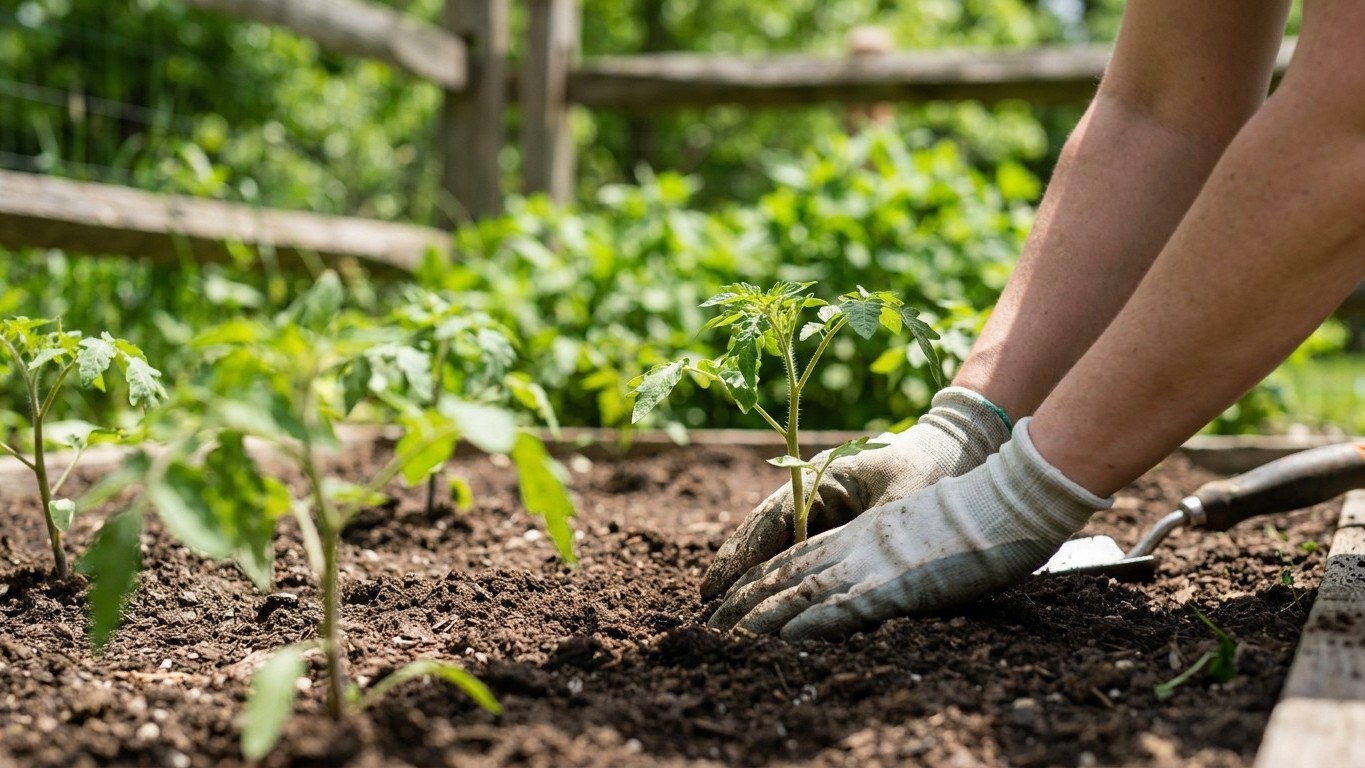

By June, New York’s growing season is in full swing almost everywhere in the state. Warm-season crops like tomatoes, peppers, beans, squash and corn can go into the ground with real confidence, whether you’re gardening on Long Island or in the Southern Tier. The bigger question this month isn’t whether it’s safe to plant, it’s what still needs starting, what’s ready to eat, and what jobs you can’t afford to skip.
What goes in the ground in June

The frost window that governs everything in spring has already closed by the time June arrives. In New York City, the last spring frost typically falls between March 23 and April 3, according to NOAA’s 1991-2020 climate normals for Central Park. That’s a dense urban site, so treat it as the downstate benchmark, not a statewide rule. Areas farther north, at higher elevation, or away from the moderating effect of the coastline and the Great Lakes will have run their frost risk later into spring, though exact dates for those regions aren’t published here. By June, though, even the coldest corners of the Adirondacks and the North Country are well past their frost-free date, which makes this the month when soil temperature, not the calendar, decides what you plant.
Warm soil is the real gatekeeper. Beans, squash, cucumbers, melons and sweet corn germinate poorly in cold ground no matter how warm the air feels, so if the soil hasn’t had a few consecutive sunny days to heat up, hold off a week rather than gamble on a slow, patchy stand. Tomato, pepper and eggplant transplants that have been hardening off outdoors for several days can go in with minimal shock. This is also the last comfortable window for a spring planting of potatoes in the cooler parts of the state, and a good time to start second and third sowings of lettuce, carrots, beets and bush beans for a steady supply rather than one big glut.
Direct sow versus transplant
| Crop group | Method | Timing note |
|---|---|---|
| Beans, corn, squash, cucumbers, melons | Direct sow | Wait for warm soil, not just warm air |
| Tomatoes, peppers, eggplant, basil | Transplant | Harden off before setting out |
| Lettuce, carrots, beets, radishes | Direct sow, succession | Sow every 2-3 weeks for continuous harvest |
| Potatoes | Direct plant seed pieces | Last comfortable window in cooler zones |
What to start under cover
June feels late for starting seeds, but it’s actually the moment to begin thinking backward from fall frost rather than forward from spring. The first fall frost in the New York City area typically arrives between November 14 and November 27. Count back from that window to figure out when a crop needs to go into the ground to mature before cold shuts it down, then subtract the weeks that crop needs indoors before it’s transplant-ready. Fall broccoli, cabbage and cauliflower, for instance, generally need six to eight weeks under cover before they’re sturdy enough to move outside, which puts a June start squarely on schedule for a fall harvest almost anywhere in the state.
Starting too early under cover creates its own problem: seedlings that sit too long indoors get rootbound, leggy and stressed, and they rarely catch up once transplanted. Starting too late is the opposite failure, where a crop runs out of season before it can size up, especially in the shorter growing window found upstate compared with the city or Long Island. The safest approach is to work backward from your local fall frost range using Cornell Cooperative Extension’s guidance for your county, then build in a buffer of a week or two rather than cutting it close.
Cold frames and shaded cover can also be useful this month, not for warmth, but for protecting young transplants from the intense midday sun while roots establish. A simple lattice or row cover shading fabric for a few days after transplanting reduces wilting and gives seedlings a better start than setting them directly into full summer sun.
What is ready to pick
June is a genuine harvest month across New York, and the variety on the table by the end of it is wider than any other point in spring. Asparagus, planted in prior seasons, is finishing its cutting window, and once spears start coming up thin, it’s time to let the bed grow on for the rest of the season rather than keep harvesting. Rhubarb stalks are at their best, thick and firm, before the plant shifts energy toward seed stalks in the heat.
Spring-sown lettuce, spinach and radishes planted back in April are hitting their peak, and the trick with all three is to pick before they bolt, since a run of warm days can push them to flower fast. Peas, whether snap, snow or shelling, are usually at their sweetest early in the month, and pods left too long on the vine turn starchy and tough. Strawberries in much of the state come into full production in June, and the tell for ripeness is color all the way to the stem, not just on the exposed side of the berry.
If a spring cold frame or hoop house is still running, its greens should be nearly done for the season as the ambient heat outside makes the covered space too warm for tender leaves. That’s a signal to clear it out and repurpose the space for a heat-loving crop rather than fight the greens’ natural end.
The jobs that matter this month
Staking and caging tomatoes now, before they sprawl, saves hours of untangling stems later and keeps fruit off the ground where slugs and rot take hold. The same logic applies to peas and pole beans: get the trellis in place while plants are still short enough to train easily.
Mulching is one of the highest-leverage jobs on the June calendar. A two- to three-inch layer of straw, shredded leaves or grass clippings around vegetables locks in soil moisture right as temperatures climb, cuts down on weeding, and moderates the swings between a hot afternoon and a cool night that can stress shallow-rooted crops like lettuce and beans.
Watering rhythm matters more than watering volume. A deep soak two or three times a week trains roots to grow downward and search for moisture, while a light daily sprinkle keeps roots shallow and makes plants more vulnerable the moment a hot, dry stretch hits. Morning watering, aimed at the soil rather than the foliage, also cuts down on the fungal disease pressure that humid New York summers bring.
This is peak season for pest scouting. Colorado potato beetle larvae show up on potato and eggplant leaves early in the month, and squash vine borer moths start laying eggs at the base of squash and zucchini stems right around now. Checking the undersides of leaves every few days and squashing egg clusters by hand is far more effective in June than trying to treat an established infestation in July.
What not to do in June
The most common mistake is trusting air temperature over soil temperature. A warm afternoon after a cool spring doesn’t mean the ground has caught up, and squash or bean seed sown into cold, damp soil will often rot before it germinates rather than simply sprout late. Wait for the soil itself to warm rather than the calendar page.
Skipping the hardening-off step is another frequent error. Transplants raised indoors or in a greenhouse have soft tissue that scalds in direct summer sun and dries out in wind. A few days of gradually increasing outdoor exposure before planting prevents the setback of losing transplants to shock right when they should be taking off.
Heavy nitrogen feeding at the wrong moment causes its own trouble, particularly with tomatoes and peppers. A dose of high-nitrogen fertilizer once plants are flowering pushes leafy growth at the expense of fruit set. A balanced feed, or one weighted toward phosphorus and potassium once flowering begins, supports fruit production instead of just green mass.
Letting weeds get ahead of new plantings is the last classic misstep. Weeds compete hardest for water and nutrients in their first few weeks, right when young transplants and seedlings are least able to compete. A quick weeding pass right after mulching keeps the bed clean without much extra effort.
Checking this against your own county
A statewide picture of June is a starting point, not an instruction. New York spans USDA Hardiness Zones 3b to 7b, a range built on average extreme minimum winter temperature, and that spread alone tells you how differently a coastal Long Island garden and a high-elevation Adirondack plot behave. Add in lake effect near the Great Lakes and the general north-south divide across the state, and planting windows can shift by several weeks from one county to the next.
For a planting calendar tuned to your specific county, check with Cornell Cooperative Extension, which maintains local offices with frost data and variety recommendations suited to each region of the state.
Common questions
Is it too late to plant tomatoes in New York in June?
No. Transplants set out early in the month still have a full summer to produce, and even mid-June plantings typically mature before fall frost across most of the state.
Can I still direct sow corn and beans in June?
Yes, and in much of upstate New York this is actually the ideal window, since soil has finally warmed enough for reliable germination.
What vegetables should I avoid starting from seed outdoors this late?
Long-season crops like winter squash or pumpkins started very late in June may not mature before fall frost in cooler upstate counties, so transplants are a safer bet than direct-seeded starts at this point.
How do I know if my soil is warm enough to plant?
A simple soil thermometer pushed a few inches down gives the clearest answer; most warm-season crops need soil consistently above 60°F, which several sunny days in a row usually confirm without a thermometer at all.