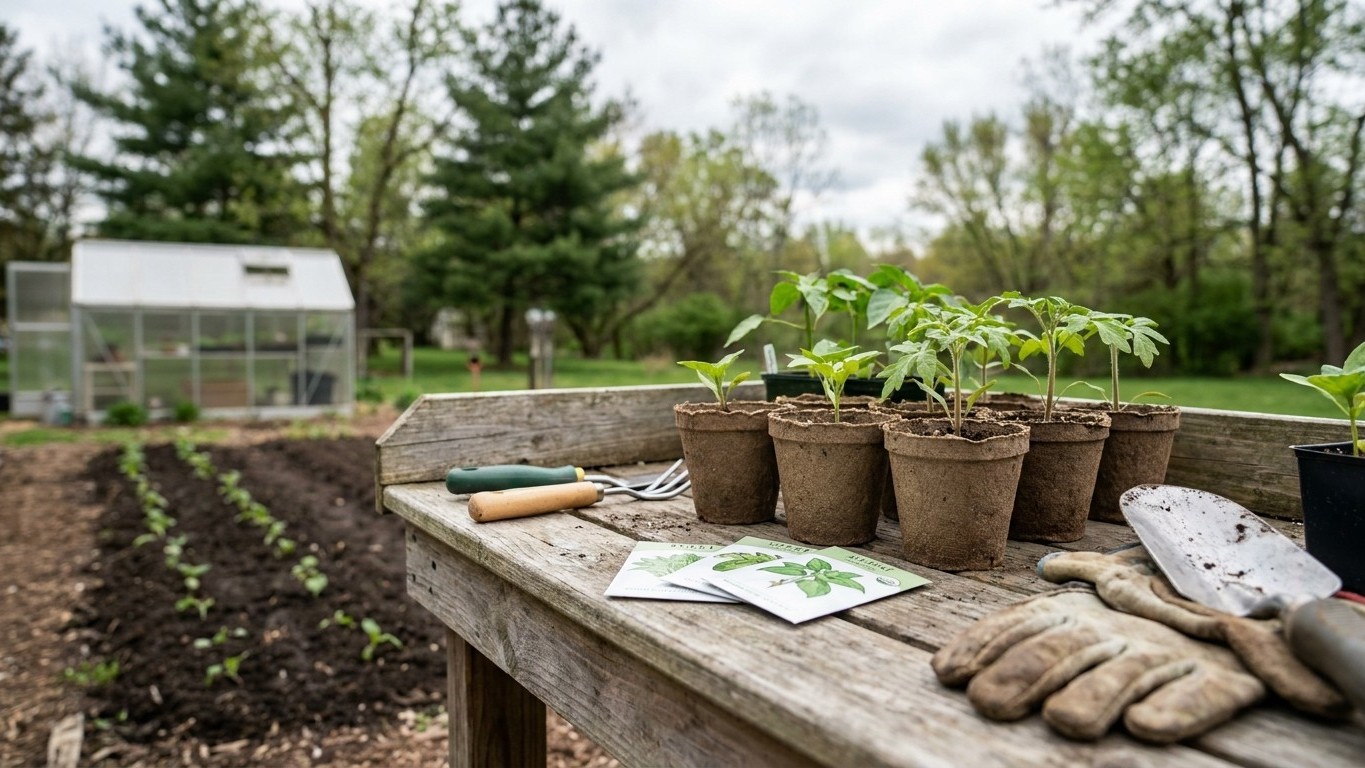

April in western Oregon sits on the safe side of the last frost window, which runs March 6 to March 21 in the Portland area. That means most cool-season vegetables can go straight into the ground: peas, spinach, lettuce, carrots, beets, onion sets, and brassica transplants. Tomatoes, peppers, and squash still wait for warmer soil, and gardeners east of the Cascades are working on a shorter, colder calendar entirely.
What goes in the ground in April

The frost date is only half the story. Soil temperature decides whether a seed rots in the ground or germinates, and by April west of the Cascades, the ground has usually caught up with the air. That’s the real shift this month: the last spring frost window (March 6 to March 21) has typically passed in the Willamette Valley, so the question stops being “will it freeze” and becomes “is the soil warm and dry enough to work.”
For that region, April is a strong month for direct-sown peas, spinach, lettuce, radishes, carrots, beets, and turnips. Onion sets, shallots, and seed potatoes go in as soon as the bed can be worked without turning into mud. Brassica transplants (broccoli, cabbage, kale) started earlier under cover can move outside now, hardened off over a week of increasing outdoor time.
Where the gamble starts
Tomatoes, peppers, eggplant, cucumbers, squash, beans, and corn are a different story. Air temperature might feel like summer on a sunny April afternoon, but soil down at seed depth is often still in the 50s. Planting warm-season crops now risks stalled germination, seed rot, or transplants that simply sit and sulk for weeks. Hold them.
East of the Cascades
Central and eastern Oregon are high desert, with a much shorter frost-free season and colder nights than the Willamette Valley. The frost window given here comes from a western Oregon station and does not apply across the state. Gardeners in Bend, Redmond, or the Klamath Basin should treat April as an earlier, more cautious month, leaning on cold frames and hardy greens rather than assuming the valley’s timeline applies.
What to start under cover
Counting backward from a frost window works better than counting forward from a fixed date, because it forces the math to match your own garden. If your last frost falls somewhere in the March 6 to March 21 range, tomatoes and peppers (which typically need 6 to 8 weeks indoors before transplanting into warm soil) should already be up and growing by early-to-mid April, ready to pot up into larger containers as roots fill in.
Cucumbers, summer squash, melons, and winter squash need less lead time, usually 3 to 4 weeks before transplant. Starting those too early in April, aiming for a transplant date that’s still weeks away because soil hasn’t warmed, produces the first classic failure: leggy, rootbound seedlings stretching for light and outgrowing their pots before it’s safe to plant them out.
The opposite failure shows up later in the season: starting warm-season seeds too late, on the assumption there’s plenty of time before fall frost (November 11 to November 27 in the same reference window), and running short on the days needed to actually ripen a tomato or fill out a winter squash before the season closes. April is the balance point for most of these crops in western Oregon; treat it as the deadline, not the buffer.
Basil, along with any tender herb, follows the same logic as the fruiting warm-season vegetables: started indoors now, moved out only once nights hold reliably above the low 50s.
What is ready to pick
April harvests lean on what survived the winter rather than anything freshly planted. Overwintered kale, chard, and leeks that made it through the cold months are usually at their best right now, often sweeter after the cold exposure. Sprouting broccoli, if it was planted the previous fall, sends up its first tender shoots this month, and those shoots should be cut before the small yellow flowers open or the texture turns tough and bitter.
Rhubarb starts producing harvestable stalks in April in much of western Oregon, though the rule is to wait until stalks are at least 10 to 12 inches long and to never eat the leaves, which are toxic. Asparagus beds established in prior seasons may throw their first spears late in the month; established crowns can be harvested for a few weeks, but anything planted within the last year or two should be left alone to build root strength.
Storage crops from the previous fall deserve a check now too. Squash, potatoes, and onions held over winter should be inspected for soft spots, sprouting, or a sweetish smell, all signs they’re turning and should be used before they spread rot to their neighbors in storage.
The jobs that matter this month

Soil preparation is the job that either pays off all season or costs weeks of stunted growth if it slips. Working compost into beds now, while the soil is workable but before it’s packed with roots, sets up everything planted afterward. Testing drainage after winter rains (does water sit for more than a few hours after a heavy rain) tells you whether raised beds or amended soil are worth the effort before summer crops go in.
Mulching matters earlier than most gardeners think. A layer applied now, once soil has warmed slightly, holds that warmth in and slows the moisture loss that starts as days lengthen. Applied too early over cold, wet soil, mulch just keeps things cold and invites slugs, which are a persistent problem in wet western Oregon springs.
Peas and any climbing crop need their stakes or trellises in place before they sprawl, not after. Once pea vines start reaching, disturbing them to install support does more damage than the support is worth. Succession sowing (a short row of lettuce or radish every two weeks rather than one long row all at once) spreads the harvest out and avoids the glut-then-nothing pattern that catches new gardeners.
Pest scouting starts now too. Slugs and aphids both build populations fast in mild, damp April weather, and catching them early, with hand-picking, beer traps, or targeted treatment, is far easier than dealing with an established infestation in June.
What not to do in April
The most common mistake is planting tomatoes, peppers, or squash outside because a stretch of warm, sunny days made it feel like summer had arrived. Air temperature swings fast; soil temperature lags behind it by days or weeks. A plant set into 55-degree soil doesn’t die outright most of the time, it just stops growing, and a plant that stalls in April rarely catches up to one planted three weeks later into properly warmed ground.
Uncovering cold frames or removing row cover too early after a mild week is the second trap. A run of warm days in April doesn’t mean the cold snaps are finished, and tender growth that’s been hardening under cover can take real damage if it’s exposed right before a cold night moves back in. Keep covers within reach even after removing them.
Nitrogen timing trips people up too. Heavy nitrogen feeding right at transplant, before roots have established, pushes soft leafy growth that’s more attractive to aphids and slower to develop the root system that plant will depend on all summer. Fertilize based on what a soil test actually shows, not on a calendar habit.
Checking this against your own county
A statewide window is a starting point, not an instruction. Oregon’s geography moves these dates by weeks in either direction: elevation gain pushes frost risk later into spring, and the line between the wet, mild valleys west of the Cascades and the high desert to the east separates two very different growing seasons within the same state.
The frost and hardiness figures here come from a single reference station and one USDA hardiness map; they describe a pattern, not a guarantee for any one yard. For a planting calendar built around your county and elevation, Oregon State University Extension maintains local guidance that adjusts for exactly these differences.
Common questions
Can I plant tomatoes in Oregon in April?
Not outdoors in most of western Oregon; soil is usually still too cold for reliable germination or transplant survival. April is the month to have tomato seedlings growing indoors, ready for transplant once nights warm later in spring.
What vegetables can I direct sow in Oregon in April?
Peas, spinach, lettuce, carrots, beets, radishes, and turnips are all reasonable direct-sow choices in western Oregon this month, along with onion sets and seed potatoes once the bed is workable.
Is Oregon’s last frost date the same across the whole state?
No. The March 6 to March 21 window applies to a western Oregon reference station. Central and eastern Oregon, being high desert, run a shorter and colder season, and gardeners there should check local extension guidance rather than apply the valley’s dates.
What USDA hardiness zone is Oregon in?
Oregon spans USDA Plant Hardiness Zones 4a to 9b, a range built on average annual extreme minimum temperature. That spread reflects the state’s geography more than any single planting recommendation, so check the zone for your specific location rather than the statewide range.