
Will Sweet Corn Ripen in Arkansas? Yes, and the season here is generous enough that timing is rarely the problem. What decides success is soil temperature at planting, the stretch of summer heat the crop has to sit through while it fills, and whether a home gardener keeps different corn types from tasseling at the same time. Get those three right, and an Arkansas garden can carry a full 90-day variety without trouble.
The short answer
Start with the frost date, because it’s the number most gardeners fixate on and the wrong one to plant by. Arkansas’s last spring frost, based on NOAA climate normals, falls somewhere between March 12 and March 28 depending on where in the state you garden. That date tells you when the freeze risk drops off. It does not tell you When to Sow Sweet Corn in Arkansas, which depends on soil warmth rather than the frost calendar.
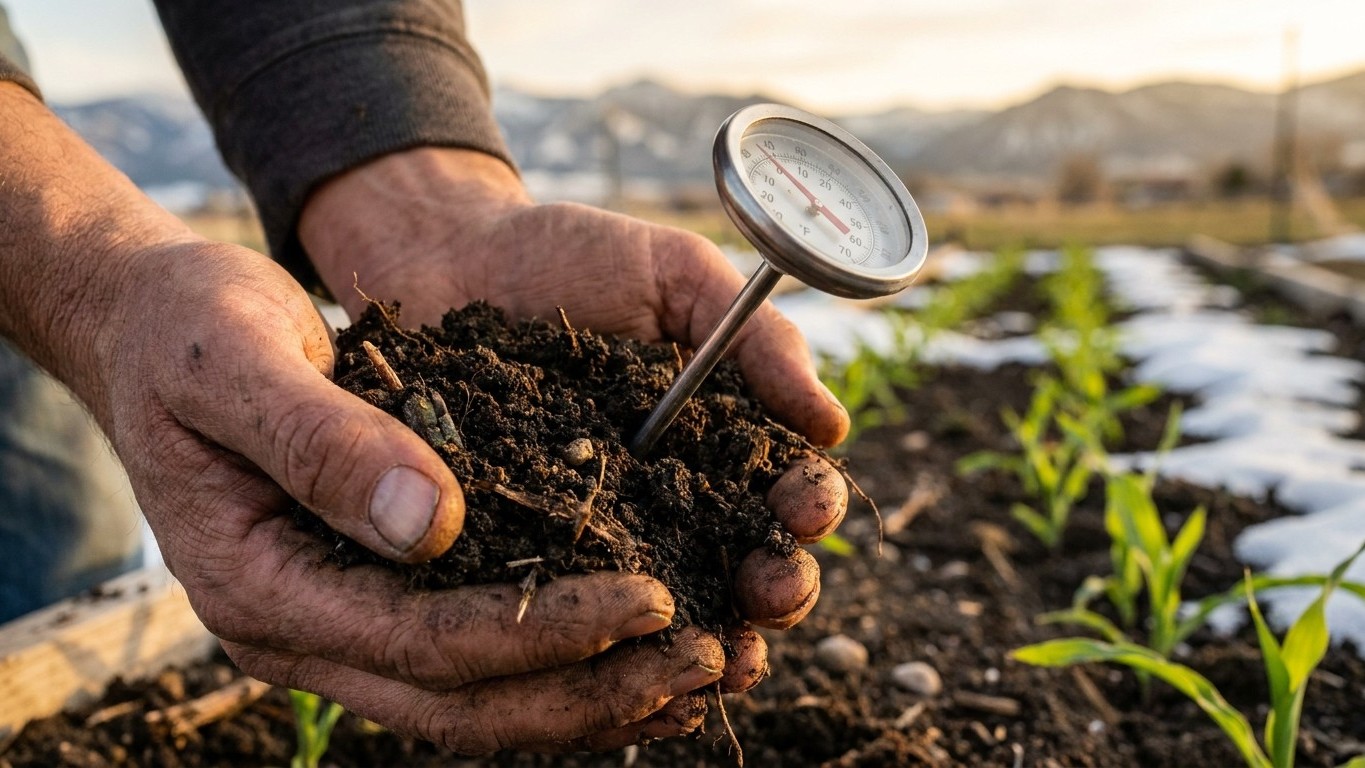
Sweet corn seed needs soil above 60 F to germinate reliably, and soil warms on its own schedule, well behind the air. A patch of ground can sit at 45 or 50 F for weeks after the last frost has passed, especially in clay soils or shaded rows that hold moisture. Planting into cold, wet soil doesn’t kill the crop outright. It rots the seed before it ever sprouts, or leaves you with a thin, uneven stand that struggles the rest of the season. The practical move is to wait until the soil itself, not the calendar, tells you it’s ready.
Once soil crosses that 60 F line, the countdown starts, and this is where Arkansas has room to spare. Sweet corn needs 60 to 90 days from planting to maturity, and the first fall frost here doesn’t show up until November 7 at the earliest, sometimes not until November 20. That leaves a stretch of frost-free weeks running from spring well into fall, wide enough to swallow the full 90-day window several times over even if planting doesn’t happen until soil warms deep into the season.
The other number worth watching isn’t a frost date at all. Arkansas averages 69.2 days a year at 90 F or hotter, a heat load that falls squarely across the months when corn is silking and filling ears. That heat doesn’t shorten the season. It stresses pollination and can thin out kernel fill if a planting’s peak flowering lands during the hottest stretch of July or August. So the short answer is yes, sweet corn ripens here, and the calendar was never really the limiting factor. Soil temperature at the start and heat management in the middle do the deciding.
Does a late variety fit here?
A 60-day variety
A fast, 60-day sweet corn has an easy path in Arkansas. Planted once soil has warmed past 60 F, it can mature and be off the stalk with months of frost-free weather still ahead. That slack is useful for reasons beyond just safety margin. Gardeners running a fast variety can often fit in a second, staggered planting a few weeks after the first, stretching the harvest instead of pulling every ear the same week. The only real discipline required is waiting for warm soil rather than warm air, since a 60-day variety planted into cold ground loses its entire time advantage before it even sprouts.
A 90-day variety
A slower, 90-day variety also fits the calendar comfortably. Counting even from a cautious late-spring planting date, there’s still a wide gap before the first fall frost in early-to-mid November. Season length isn’t what puts a 90-day sweet corn at risk in Arkansas. Summer heat is. A 90-day planting that goes in too early can end up silking right in the middle of the state’s hottest weeks, and with 69.2 days a year hitting 90 F or above, that overlap is common rather than rare. High heat during pollination can cause poor kernel set even on an otherwise healthy stalk. The workaround isn’t avoiding a late variety altogether, it’s timing the planting so silking lands outside the worst of the heat, which in practice often means planting a touch later than instinct suggests rather than as early as soil allows.
What Goes Wrong here
Most Arkansas sweet corn failures trace back to one of three causes, and only one of them has anything to do with the climate directly.
- Soil sown too cold. Planting right after the last frost date, before soil has actually crossed 60 F, is the most common mistake. Seed sits in cold, damp ground and rots before it germinates, or comes up thin and stunted. The remedy is simple: check soil temperature directly rather than counting days since frost, and hold off until it reads consistently above 60 F.
- A variety timed too late for the season. This shows up less from a single planting missing the window and more from succession plantings pushed too far into summer, where the 60-to-90-day countdown runs past the first fall frost in early-to-mid November. The fix is to count backward from that frost window before adding a late-season planting, not just forward from the last one that worked.
- Sweetness lost because two types tasseled together. This one has nothing to do with heat, frost, or soil. Su, se, and sh2 sweet corn types cross-pollinate if their tassels shed pollen at the same time, and the result is starchy, disappointing ears even on plants that looked perfect all season. There’s no published isolation distance to rely on here. What matters is timing and layout: stagger plantings of different types so they don’t tassel in the same window, or grow only one type per season, and always plant in blocks of three or more rows rather than a single skinny row, since block planting is what lets pollen reach the ears reliably in the first place.
Checking this against your own county
The frost dates and soil-temperature guidance here come from a single reference station, and Arkansas is a big enough state that a county in the Ozarks and a county in the Delta can run noticeably different springs. Before locking in a planting date, it’s worth checking those specifics against the University of Arkansas System Division of Agriculture’s Cooperative Extension Service. County extension offices track local frost data and can confirm whether soil in your particular area tends to warm earlier or later than the statewide range suggests. That local check matters more for sweet corn than for most vegetables, given how much of the outcome here rides on soil temperature at planting rather than the frost date itself.
Common questions
When should I plant sweet corn in Arkansas?
Plant once soil temperature is consistently above 60 F rather than by counting days from the last frost. That point typically comes weeks after the frost risk has passed, since soil warms slower than air.
Can I grow two different sweet corn types in the same garden?
Yes, as long as they don’t tassel at the same time. Stagger planting dates between su, se, and sh2 types so their pollen sheds in different weeks, and keep each type planted in its own block of at least three rows.
How do I know when the corn is actually ripe?
Look for three signs together: silks that have turned dry and brown, husks that are still moist and green, and milky juice when a kernel is punctured. Any one sign alone isn’t reliable, but all three together mean it’s time to pick.
Does Arkansas’s summer heat hurt sweet corn?
It can, particularly during silking and pollination. With an average of 69.2 days a year reaching 90 F or higher, timing a planting so its flowering stage avoids the peak of that heat is one of the more useful adjustments a gardener here can make.