
Yes, sweet corn can ripen in Georgia, and the state’s climate gives it more room than most gardeners expect, as explored in Will Sweet Corn Ripen in Georgia?. The catch isn’t frost, it’s soil temperature. Georgia soils don’t hit the 60 F mark sweet corn needs until well after the last spring freeze has passed, and the growing season that follows, stretching to a first fall frost in November or even December, is long enough to carry both quick and slow varieties to harvest.
The short answer
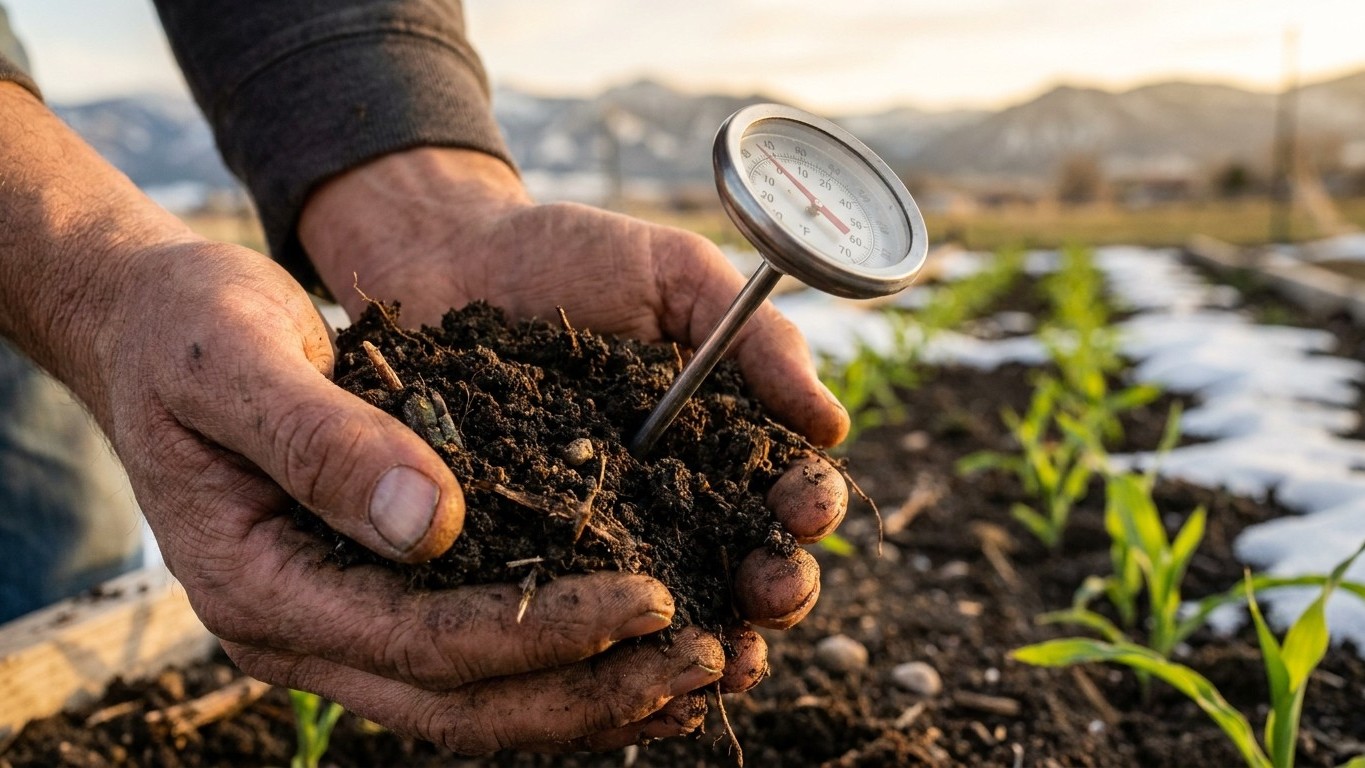
Start with the freeze data, because it’s the piece most gardeners get wrong. NOAA’s 1991-2020 Climate Normals for this region put the last spring frost somewhere between March 11 and March 29. That date matters for tender seedlings and transplants, but it tells you almost nothing about when to drop corn seed in the ground. Sweet corn germinates poorly, and rots easily, in cold soil. Utah State University Extension is blunt about the threshold: soil needs to be above 60 F before seed goes in. Soil doesn’t warm at the same pace as the air. It lags behind the last frost by weeks, not days, because the ground holds winter’s cold long after nighttime temperatures stop dipping below freezing. So the real planting window opens later than the frost calendar suggests, once the soil itself has caught up.
That lag is actually good news here. Georgia’s frost-free stretch runs from that mid-to-late March last frost all the way to a first fall frost between November 13 and December 1. Even after waiting for soil to warm past 60 F, most home gardeners are still planting well ahead of summer’s peak, with months of frost-free growing left on the other end. Sweet corn needs 60 to 90 days from planting to maturity, depending on the variety. Stack that against a season running from roughly mid-spring to mid-autumn, and the math works. There’s slack in the calendar. Even a planting date pushed back a few extra weeks by a cool, wet spring still leaves enough runway for a 90-day type to finish before the season closes.
The other number worth knowing is heat load, not just frost dates. The reference station here averages 35.8 days a year at 90 F or hotter. That’s not a planting constraint, it’s a watering and stress constraint. Corn tasseling and filling ears during the hottest stretch of a Georgia summer will drink more and stress harder than the same crop grown in a milder climate. It doesn’t stop the crop from ripening. It does mean irrigation planning matters as much as the calendar once seed is in the ground.
Put together, the short answer is straightforward: wait for warm soil, not just frost-free air, then plant with confidence that the season is long enough to finish the job. For a deeper breakdown of exact dates and conditions, see When to Sow Sweet Corn in Georgia.
Does a late variety fit here?
The 60-to-90-day range in Utah State’s guidance isn’t a rounding error, it’s the difference between an early snack crop and a full-season one. Both ends of that range deserve separate thinking here, because Georgia’s long frost-free stretch treats them very differently.
A 60-day variety
A fast 60-day type is the low-risk choice in almost any Georgia location. Planted once soil clears 60 F, it reaches maturity so quickly that it’s essentially insulated from the fall frost question entirely. Even a late planting in early summer still leaves a comfortable cushion before the first fall frost arrives in mid-November at the earliest. The 60-day window also sidesteps the worst of the 90-plus-degree stretch for gardeners who time planting early in the warm-soil window, since the ear-filling stage lands before the hottest weeks of summer peak. This is the safer bet for anyone unsure how their particular yard’s soil warms, or who wants a second planting later in the season without worrying about the calendar running out.
A 90-day variety
A 90-day variety is the one that actually tests this territory’s window, and the answer is that it fits, but with less margin than the short-season type. Count backward from the first fall frost (November 13 at the earliest for the reference station) and there’s still a wide berth for a crop that needs three months to mature, provided planting happens once soil hits 60 F rather than being delayed further by a cool, slow spring. Where this gets tighter is in cooler pockets of the state, north Georgia and mountain areas among them, where fall frost historically arrives weeks earlier than at the milder reference station used here. A gardener in one of those cooler areas pushing a 90-day variety with a late planting date is cutting the margin close. In the milder coastal plain, that same variety has room to spare. The late-season type doesn’t fail statewide, but it stops being a safe bet the moment planting slips late or the garden sits in a historically colder pocket.
What goes wrong here
- Soil sown too cold. Planting right at the last spring frost date, rather than waiting for soil to clear 60 F, is the most common mistake. Seed sits in cold, damp ground, germinates unevenly or rots outright, and the stand ends up patchy before the season even starts. The remedy is simple: check soil temperature directly rather than relying on the frost calendar, and hold off until it’s reliably above 60 F.
- A variety too late for the season. A 90-day type planted late, especially in a cooler pocket of the state where fall frost arrives earlier than the milder reference station, can run out of season before the ears finish filling. The fix is matching variety length to planting date: push late plantings toward a shorter-season type, and reserve the 90-day varieties for the earliest safe planting window.
- Sweetness lost to nearby tasseling. Utah State University Extension is specific here: su, se, and sh2 types lose their sweetness if they tassel at the same time as each other. This has nothing to do with Georgia’s climate and everything to do with what’s planted nearby, in a home garden or a neighbor’s plot. The remedy isn’t a distance measurement, it’s timing. Stagger plantings, or choose only one sweetness type for a season, so different types aren’t tasseling in the same window. Planting in blocks of three or more rows, rather than a single thin row, also helps ensure the pollination that does happen comes from the right source.
Checking this against your own county
Statewide averages smooth over real differences. North Georgia and the mountains freeze weeks earlier in fall than the milder coastal plain, and a backyard’s soil can warm faster or slower than a regional average depending on drainage, sun exposure, and whether it’s shaded by trees or buildings most of the day. Before locking in a planting date, check local conditions against University of Georgia Cooperative Extension, which tracks county-level frost data and can confirm how a particular area compares to the broader regional pattern used here. A quick call or visit to the county extension office is the fastest way to know whether a specific yard runs closer to the early or late end of the state’s frost window.
Common questions
How do I know when soil has actually reached 60 F?
A basic soil thermometer, pushed a few inches into the planting bed and checked in the morning before the sun warms the surface, gives a more reliable reading than guessing from the calendar or the air temperature.
Can I plant two different sweet corn types in the same garden?
Only if their tasseling windows don’t overlap. Utah State University Extension ties the sweetness loss directly to su, se, and sh2 types tasseling at the same time, so staggering planting dates, or sticking to one sweetness type per season, avoids the problem.
Does the 90-day countdown start at planting or at silk emergence?
It starts at planting. That figure answers whether the season is long enough for the crop overall. A separate, shorter countdown, from silk emergence to picking, is used only to judge which week the ears are ready, not whether the crop fits the season.
How do I tell when an ear is actually ready to pick?
Look for three signs together: the silks have turned dry and brown, the husk is still moist and green, and a punctured kernel releases milky juice. No single sign on its own is a reliable test.