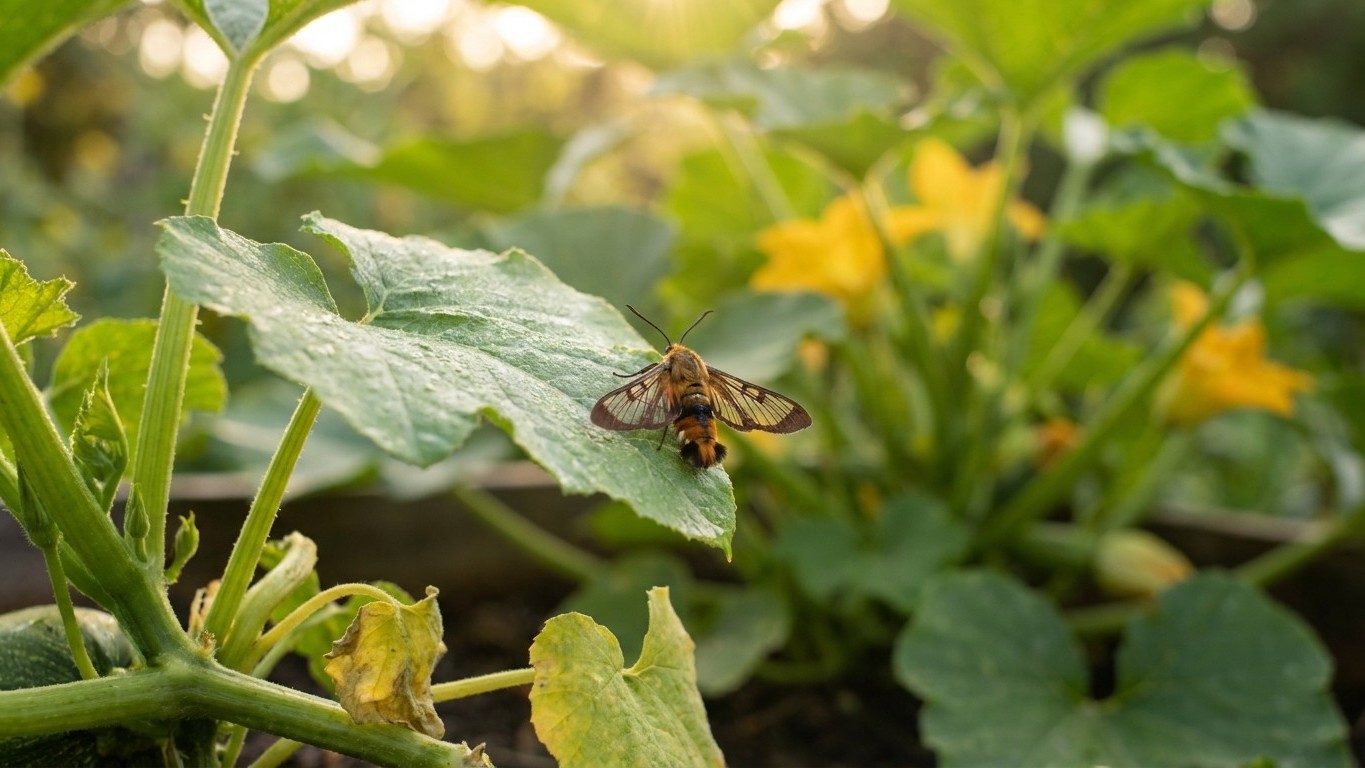

Oregon State University Extension documents eight pests known to feed on summer squash across the state: aphids, cucumber beetles, European earwig, brown marmorated stink bug, brown garden snail, slugs (including the gray field slug), and symphylans. That’s the short list. What matters more is which of them shows up first, what it actually looks like on a squash leaf, and which one is barely worth worrying about most seasons.
Which pests attack summer squash in Oregon

Oregon State University Extension keeps a working list of vegetable garden pests documented across the state, and eleven names show up on it in total. Not all of them belong on a summer squash page, and pretending otherwise would be a disservice to anyone trying to figure out what’s actually chewing on their plants.
Three of the eleven are off the table entirely. Cabbage maggot and imported cabbageworm are brassica specialists, they target cabbage, broccoli, and their relatives, and a squash plant simply isn’t on their menu. Carrot rust fly is even more specific, tied to carrots and other members of the carrot family. If a gardener spots one of these three insects near a squash bed, it’s almost certainly passing through or working on a neighboring crop, not the squash itself.
That leaves eight pests that genuinely feed on summer squash in Oregon gardens: aphids, cucumber beetles, European earwig, brown marmorated stink bug, brown garden snail, slugs, the gray field slug specifically, and symphylans. Cucumber beetles are the classic cucurbit feeder here, chewing leaves and sometimes transmitting bacterial wilt. Aphids cluster on new growth and the undersides of leaves, sapping vigor rather than shredding tissue. European earwig goes after tender seedlings and can hollow out young leaves overnight. Brown marmorated stink bug, a more recent arrival in the state, pierces fruit and leaves alike. The mollusk crowd (brown garden snail, general slugs, and the gray field slug by name) work mostly at the seedling stage, when a plant has the least tissue to spare. Symphylans live in the soil and feed on roots, which makes them the hardest of the eight to catch in the act.
That’s not a long list by vegetable garden standards, and Oregon State University Extension doesn’t document more than these eight pests attacking summer squash specifically. Padding it out with anything else, no matter how common that pest might be on a different crop, would be guessing.
When each one shows up, and what it does first
Timing here runs off the frost-free window, not the calendar. Western Oregon’s last spring frost typically falls between March 6 and March 21, and the first fall frost usually arrives between November 11 and November 27, according to NOAA climate normals for the region. Squash transplants or direct-seeded plants usually go in after that spring frost risk passes, and that planting moment is the real starting line for pest activity, not a specific month.
The mollusks move first. Slugs, the gray field slug in particular, and brown garden snails are active in the cool, damp soil of early spring, and they go straight for the softest tissue available: a newly emerged seedling or a just-transplanted start. The first sign is usually a seedling that’s simply gone, or a leaf with ragged holes and a telltale slime trail nearby. European earwig follows a similar early-season pattern, favoring the same tender growth and often leaving small, irregular notches along leaf edges overnight.
Aphids and cucumber beetles tend to build once the plant has real leaf area to offer, generally a few weeks after seedlings establish. Aphids show up first as a cluster on new growth or leaf undersides, curling or yellowing the tissue they feed on. Cucumber beetles chew visible holes in leaves and can appear on flowers too, and their damage often looks worse than it is until bacterial wilt symptoms follow, which is the real concern with this pest.
Symphylans are the outlier because they never show up on the leaf at all. They work below ground on roots, so the first visible sign is a plant that’s stunted or wilting despite adequate water, with no obvious insect in sight. Brown marmorated stink bug tends to show up later in the season, when fruit is developing, and its feeding often leaves a stippled or scarred patch on the squash itself rather than damage to the foliage.
The **driest stretch of summer**, July averaging just 0.51 inches of rain at the reference station, tends to slow slug and earwig activity considerably compared to the wetter early season, since both prefer damp conditions.
Telling the damage apart from everything else
A squash plant can look sick for reasons that have nothing to do with insects, and mixing those up wastes time treating a problem that isn’t there. The clearest tell for slug and snail damage is the slime trail itself, a shiny, dried residue on soil or leaves that nothing else leaves behind. No trail, no mollusk.
Wilting is the trickiest symptom to sort out, because a wilted squash plant with no visible chewing damage almost always points below ground, not above it. That could mean symphylans feeding on roots, but it could just as easily mean underwatering, especially given how little rain falls during an Oregon summer, or a root or vascular disease with no insect involved at all. Pulling a plant and checking root condition, or simply checking soil moisture a few inches down, does more to narrow this down than staring at the leaves.
Yellowing or curled leaves raise a similar fork in the road. Aphid clusters on the underside of the leaf confirm the insect; their absence suggests a nutrient issue or uneven watering instead. Ragged holes in leaves without slime point toward cucumber beetles or earwig rather than a mollusk, and checking the timing helps too, since earwig tends to work at night and beetles are visible feeding in daylight.
| Symptom | Possible cause | What settles it |
|---|---|---|
| Seedling gone or ragged holes with slime trail | Slugs, snails | Presence of a dried slime trail |
| Wilting, no chewing visible | Symphylans, drought, root disease | Check root condition and soil moisture |
| Curled or yellow new growth | Aphids or nutrient stress | Look for aphid clusters underneath leaves |
| Scarred or stippled fruit | Brown marmorated stink bug | Timing: appears as fruit develops, not at seedling stage |
Anything that doesn’t fit neatly into one of these patterns is worth a call to the local extension office rather than a guess. Misreading a nutrient deficiency as an insect problem, or the reverse, leads to wasted effort in either direction.
What actually works here, and what is a waste of time
The single most effective move against the mollusk crowd, slugs, snails, and the gray field slug, is a physical barrier or trap set out before the seedling stage even begins, since that’s when the damage happens fastest and is hardest to reverse. Waiting until a seedling is already stripped is the most common mistake gardeners make with this group, and by then the plant may not recover at all.
For earwig, sanitation matters more than anything applied after the fact. Clearing damp mulch or debris near seedlings removes the daytime hiding spots the insect needs, and doing that early in the season, before the Transplant even goes in the ground, prevents a lot of the overnight leaf damage that shows up later. Cucumber beetle pressure responds best to floating row cover placed at planting and removed once flowers open for pollination, since the cover only helps during the window before bees need access to the blossoms.
Symphylans are genuinely difficult, because they live in the soil and no simple barrier reaches them. Crop rotation and reducing tillage that disturbs the soil food web help more over time than any single-season fix. Aphid populations, for their part, are often kept in check by natural predators already present in a garden, and heavy-handed intervention early in a mild infestation can do more harm than good by wiping out those predators along with the pest.
What’s a waste of time is treating brown marmorated stink bug the same way as a leaf-feeding insect, since it targets fruit later in the season and most leaf-focused approaches simply don’t reach it. Because specific products and their legal use vary by state and change over time, Oregon State University Extension is the source that knows what’s currently approved for use in Oregon gardens, not a general guide like this one.
Where to check this for your own county
Everything above comes from statewide documentation, and Oregon is not one garden. A coastal county with cool, damp summers and a high desert county east of the Cascades face different pest pressure entirely, even though both fall under the same state-level pest list. What’s documented for Oregon as a whole doesn’t confirm what’s actually present in one backyard, and that gap is exactly what a local office fills.
Oregon State University Extension maintains county offices across the state, and that’s the resource to check next, both for confirming a suspected pest and for current guidance on managing it. The statewide extension site is a starting point, and from there a county office can look at conditions specific to that garden’s soil, moisture, and local pest history.
A gardener in the Willamette Valley dealing with slug pressure in a wet spring is working a different problem than one in Central Oregon watching for symphylans in sandy soil. Both fall under the same eight documented pests, but the order they show up in, and how much damage each one does, shifts from one part of the state to another. The county office is where that local detail actually lives, and it’s worth a call before assuming a statewide list applies exactly to one specific plot of ground.