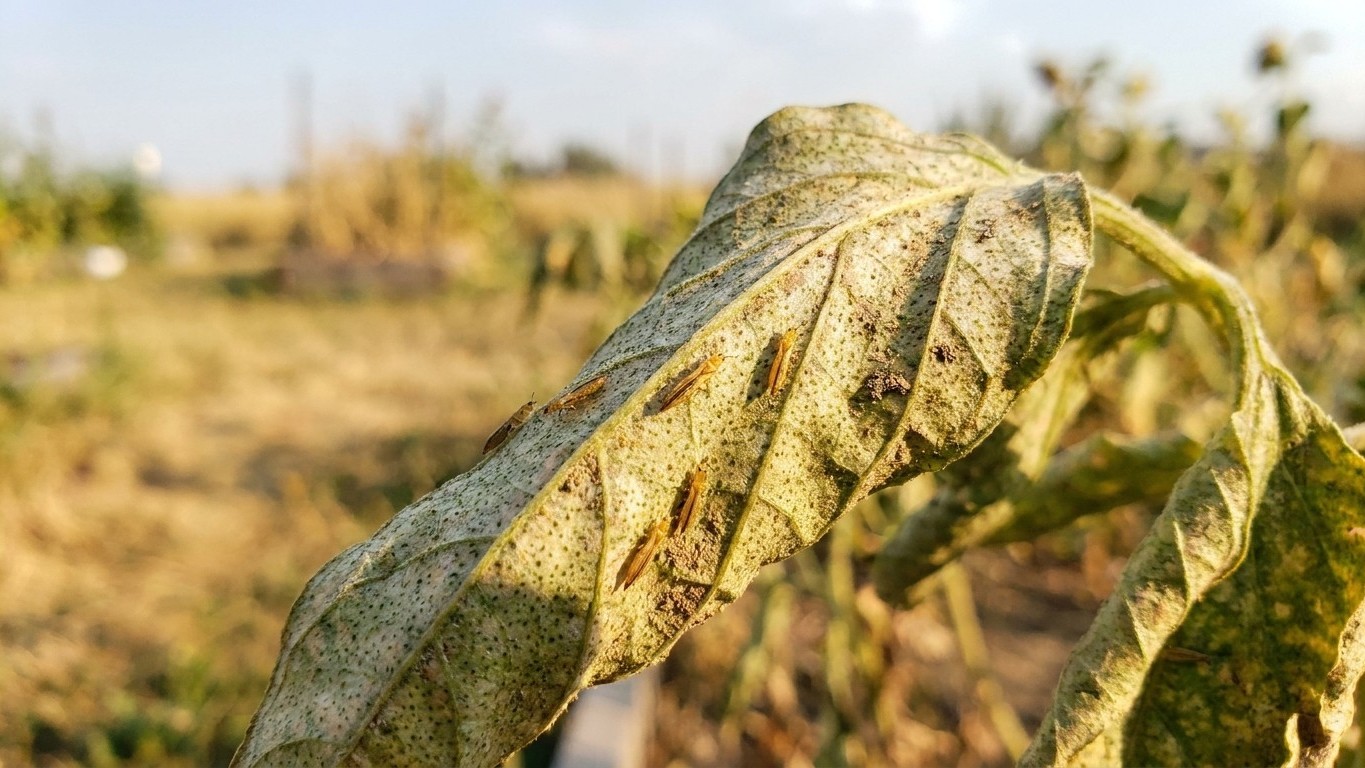

Thrips show up in Virginia gardens as soon as spring nights stay above the low 50s, usually working through several overlapping generations from May into September. Coastal areas warm first and see damage earliest; the mountains and southwest lag by two to three weeks. There’s no single “thrips day” on the calendar because the insect answers to temperature, not the date.
The weeks to watch
Virginia’s extension services don’t publish a specific flight-date calendar for thrips the way they do for some moths tracked with pheromone traps. There’s no published window naming exact start and end dates for this species in the commonwealth. What growers rely on instead is the general biology of the insect: thrips become active once air and soil temperatures push consistently past the low 60s (°F), and their life cycle from egg to adult can complete in as little as two to three weeks under warm, dry conditions. That short cycle means several generations stack on top of each other by midsummer, which is why populations seem to explode almost overnight in July.
Spring generation
The first wave typically appears as transplants and early vegetables (onions, cabbage family crops) get established outdoors. This is usually the smallest population of the year, since cool, damp spring weather slows reproduction.
Summer generations
From June through August, warm and dry stretches let thrips reproduce fastest. This is when most Virginia gardeners notice real damage, especially during droughty spells when plants are already under stress.
Fall decline
Numbers drop once nights cool and the first hard frost arrives, though a mild autumn can stretch activity into late September in coastal counties.
Reading the calendar from your last frost
For the Virginia Beach area, NOAA’s 30-year climate normals put the last spring frost between March 20 and April 3, based on freeze-probability data from the NAS Oceana weather station. That’s a range, not a promise, and it applies to the mild coastal edge of the state. Gardeners in the Blue Ridge or far southwest should expect their own last frost weeks later, which pushes the whole thrips timeline back to match.
Thrips don’t care what the calendar says. They respond to how warm the soil and air actually are, so an unusually warm March can bring early activity even before the “average” last frost, while a cold, wet spring delays it. Once transplants go in the ground after that frost window, the first visible feeding damage on tender growth commonly shows up within three to four weeks, once daytime temperatures are reliably warm enough to support insect activity.
- Start with your local last frost date (March 20 to April 3 for coastal Virginia, later inland).
- Count forward three to four weeks from transplanting to estimate when covers should go on and when the first damage checks should start.
That’s an estimate built from a range, so treat it as a normal to plan around, not a guarantee.
What it attacks, and what the damage looks like
Most gardeners spot the damage before they ever see the insect itself. Leaves show silvery or bronze-colored streaks and stippling where the surface has been scraped away, sometimes with tiny black flecks of excrement scattered across the discoloration. Flower petals can look streaked or discolored, and new growth on heavily infested plants may look twisted or stunted. On onions and garlic, look for whitish patches on leaves that can eventually cause the whole leaf tip to die back.
Both the larval and adult stages cause the damage, feeding with rasping-sucking mouthparts that scrape plant tissue and suck up the released sap. That matters for treatment timing: once thrips have moved into tightly furled new growth or flower buds, they’re largely shielded from anything applied to the leaf surface.
Common hosts in Virginia gardens and landscapes include:
- Onions and garlic
- Cabbage, broccoli, and other brassicas
- Beans
- Tomatoes and peppers
- Roses and other flowering ornamentals
- Gladiolus and other bulb flowers
How Virginia sits in this pest’s range
Thrips are a widespread pest across nearly every U.S. state, and Virginia is no exception. There’s no meaningful question of whether they’re present here; the real variable is timing, not presence. Coastal Virginia, sitting at the milder end of the state’s climate spread, sees activity start earlier in spring and run later into fall than the interior. The Blue Ridge and southwest Virginia, with their later last frosts and cooler summer nights, compress the window and generally see fewer generations stack up before autumn cold sets in.
That range-wide presence is exactly why no single “thrips season” date works for the whole state. A gardener in Virginia Beach and one in the mountains near Wytheville are dealing with the same insect, just on different clocks.
What actually works against it
These measures are ordered from least to most effort, and the mechanism matters, because most of them stop working once thrips are already tucked inside curled leaves or flower buds.
- Time plantings to dodge peak pressure. Getting cool-season crops like onions and brassicas established before the summer generations build up reduces exposure during the worst weeks.
- Use row covers early. A physical barrier over young transplants keeps adults from landing and laying eggs in the first place. It stops working the moment flowering crops need pollinator access, or if thrips are already present under the cover.
- Try reflective mulch. Many gardeners use foil or reflective plastic mulch around susceptible crops; the reasoning given is that the reflected light disrupts how thrips locate host plants. Trial results on how consistently this reduces damage are mixed, but it’s a low-cost, low-risk option worth combining with other steps.
- Clear garden debris and weeds after harvest. Thrips overwinter in plant residue and weedy borders, so removing that material in fall cuts down the population that emerges the following spring.
- Rotate crops. Moving susceptible plants like onions and cabbage family crops to a different bed each year breaks the cycle of local buildup, since thrips don’t travel far on their own.
- Monitor with sticky traps. Blue sticky cards placed near susceptible plants catch adults and give an early warning before damage becomes visible, useful for deciding when other measures need to start.
- Encourage natural predators. Minute pirate bugs and lacewings feed on thrips; avoiding broad-spectrum treatments protects these predator populations already working in the garden.
Once thrips have moved into a flower bud or the folded center of a leaf, none of these steps reach them directly, which is exactly why the early ones on this list matter more than anything tried after damage is already visible.
Common questions
Do thrips overwinter in Virginia?
Yes. They survive cold months in plant debris, weeds, and protected soil, especially in the milder coastal counties, which is why clearing garden residue in fall helps reduce next spring’s population.
Can thrips damage happen even without seeing the insect?
Yes. Thrips are tiny and often go unnoticed until the silvery stippling or streaked petals show up, well after feeding has started.
Is coastal Virginia worse for thrips than the mountains?
The coastal region sees a longer active season because of its earlier last frost and later first fall frost, giving thrips more time to build multiple generations compared to the shorter warm season in the Blue Ridge and southwest Virginia.