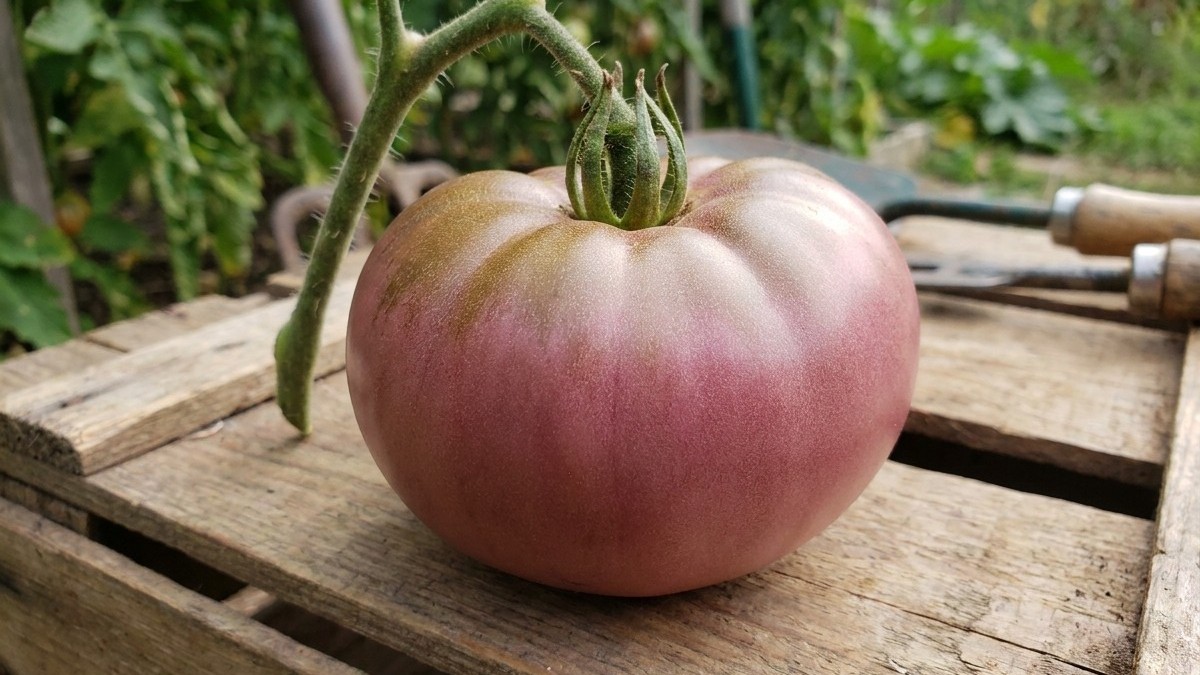

The short answer: pick ripe tomatoes as they color up through the growing season, then pull everything still on the vine, ripe or not, before the first fall freeze hits. In Philadelphia, that freeze risk builds between November 5 and November 16. Farther north and at higher elevation, the clock runs out weeks earlier, so green tomatoes come inside sooner and ripen on their own schedule.
When to pick tomatoes in Pennsylvania
Timing a tomato harvest is really two separate decisions. One is about the fruit itself: is it ripe enough to pull? The other is about the calendar: how much growing season is left before the plant stops mattering? For that second question, Philadelphia’s fall freeze window of November 5 to November 16 is the benchmark, drawn from NOAA’s 1991-2020 climate normals for the 32°F freeze probability. That’s a 30 to 70 percent chance range, not a hard date, which is exactly why growers watch the forecast rather than the calendar in late October.
Philadelphia is also the mildest corner of the state. The same NOAA dataset shows the northern tier and the Alleghenies running two to four weeks behind Philadelphia in spring, and that elevation and latitude gradient works the same way in reverse each fall. Growers in the mountains and the northern counties typically see their first hard freeze well before anyone in the Philadelphia suburbs needs to worry about it. If you garden outside the southeast corner, treat the Philadelphia freeze window as a floor, not a forecast for your own yard.
USDA Plant Hardiness Zones for the state span 5a to 7b, a range built entirely around one number: the average annual extreme minimum winter temperature. That statistic is useful for choosing perennial plants that need to survive winter in the ground, but it says nothing about your first or last frost date and nothing about tomato ripening. Don’t lean on the zone map to decide when to pick. Lean on the fall freeze window for your part of the state, and when in doubt, check with Penn State Extension, which tracks local frost data county by county.
Reading the fruit, not just the calendar
Within the season, ripeness on the vine is a visual and tactile call: full color for the variety, slight give under gentle pressure, no green shoulders left. That part of the decision doesn’t change based on where in Pennsylvania you’re standing. What changes is how much time you have left to let fruit finish naturally versus how much you’ll need to finish indoors. As the fall freeze window approaches for your area, the smart move is to shift from picking only ripe fruit to picking everything worth saving, since the vine’s usefulness is about to end regardless of what the tomatoes look like.
What to do with the green ones
Not every green tomato is worth carrying inside. A fully immature one, still hard and glossy dark green with no hint of lightening, rarely ripens well and often just rots. What you want is what growers call a mature green: the fruit has reached full size for its variety, the skin has started to pale from dark green to a lighter, almost whitish-green, and the blossom end may show the faintest blush. That shift means the fruit has finished its growth phase and switched into the biochemical process that turns starch into sugar, the same process that produces ripe color and flavor. Pull those, and you’re likely to end up with something edible. Pull the rock-hard dark green ones, and you’re mostly wasting counter space.
The trigger for a mass green-tomato harvest is the freeze window closing in, not a fixed date on the calendar. Once frost odds in your area start climbing, walk the rows and sort. Mature greens and anything with color already showing go into one basket for ripening. The truly immature fruit is better used green (fried, pickled, or in relish) since it isn’t going to finish properly no matter how long it sits on a windowsill.
Handling before you bring them in
A few habits matter more than people expect:
- Cut the stem rather than pulling, to avoid tearing the skin near the calyx, which invites rot.
- Wipe off garden soil but skip washing until you’re ready to use the fruit; excess moisture speeds decay in storage.
- Sort by size and stage so you’re not mixing a fruit that’s a week from ripe with one that’s a month away.
- Discard anything with cracks, soft spots, or insect damage before it goes into storage with the healthy ones.
None of this requires special equipment. It’s mostly triage: separate the fruit that has a real shot at ripening from the fruit that doesn’t, and handle the keepers gently enough that a small wound doesn’t turn into a moldy mess a week later.
Ripening indoors, and how long they keep
Once mature green tomatoes are inside, the classic method is still the simplest: lay them in a single layer, not stacked, in a box or on a tray, out of direct sunlight. Direct sun on an indoor windowsill can heat the fruit unevenly and actually slow things down or cause soft spots, which runs against the common assumption that a sunny sill speeds ripening. A room-temperature spot out of the light works better for even color development.
Checking on paper wrapping is worth the extra step for fruit you’re storing longer term. Wrapping each tomato individually in newspaper or plain paper and setting it in a box slows the process down and, more importantly, keeps one rotting fruit from spreading trouble to its neighbors. Since tomatoes release ethylene gas as they ripen, and that gas triggers ripening in whatever else is nearby, an unwrapped bin can go from “almost ready” to “moldy” in the fruit that got tucked next to an already-ripening one.
Speeding it up, or slowing it down
If you want fruit to ripen faster, tuck a ripe banana or apple into the box; both release a good amount of ethylene and will nudge green tomatoes along. If you’d rather stretch the supply out over weeks instead of days, keep the fruit cool (a basement or unheated porch, as long as it stays above freezing) and check every few days, pulling out anything that’s colored up and moving it to the kitchen for eating.
How long a batch keeps depends heavily on how mature the fruit was when picked and how it’s stored, and that variation is wide enough that no single number holds true for every batch. What’s consistent is the pattern: fruit that was closer to ripe when picked colors up in days, fruit that was barely mature can take considerably longer, and any tomato held too warm or too crowded is the one most likely to rot before it ripens. Sort through storage boxes regularly rather than assuming the whole batch will finish on the same schedule.
What goes wrong here
The most common mistake is waiting too long to make the decision at all. Growers watch a warm stretch in late October, decide the vines look fine, and then get caught by a freeze that hits inside that November 5 to 16 window for the Philadelphia area, or earlier elsewhere in the state. Frost-damaged tomatoes, even green ones, don’t ripen properly. The cell walls break down from the cold, and the fruit turns mushy or develops soft, watery patches within a day or two rather than coloring up.
The second common failure is storage, not the harvest itself. Piling green tomatoes into a single bin without sorting means one soft or damaged fruit spreads mold or bacterial rot to everything touching it. This is where the ethylene issue cuts both ways: it speeds ripening, but it also speeds decay once one tomato starts to go. A daily or every-other-day check through a storage box catches problems before they spread through the whole batch.
Picking fruit that was never mature in the first place is the third trap. Dark green, rock-hard tomatoes pulled in a panic before frost often just sit and shrivel rather than ripen, because they hadn’t reached the growth stage where the ripening process can even start. That’s disappointing after a season of work, but it’s also avoidable with the sorting habit described above: only mature green fruit, showing that pale color shift, goes into the ripening box. Everything else is better used as green tomato right away, or composted, rather than taking up space waiting for a color change that isn’t coming.
For frost timing specific to your county, Penn State Extension’s local offices track freeze data that’s more granular than a statewide range, and it’s worth a call before a cold snap catches a full row of unpicked fruit.
Common questions
How early can I start picking green tomatoes before frost?
There’s no fixed lead time published here, since it depends on how mature the fruit already is and how far your area sits from the Philadelphia reference window of November 5 to 16. The safer approach is to check the forecast as freeze risk climbs and harvest mature green fruit whenever a hard frost looks likely within the next few days, rather than waiting until the night it’s forecast.
Do tomatoes ripen faster on a sunny windowsill?
Not necessarily, and direct sun can cause uneven heating and soft spots. A room-temperature spot out of direct light tends to give more even color development across the fruit.
Can I ripen tomatoes that were picked while still fully dark green?
Usually not well. Fruit that hadn’t yet reached the mature green stage, where the skin starts to pale, often shrivels or rots instead of ripening, since it never finished the growth phase that triggers the color change.
Is the USDA hardiness zone useful for deciding when to pick?
No. That zone system, which for the state spans 5a to 7b, is based only on winter’s extreme minimum temperature and has nothing to do with fall frost timing or fruit ripeness. Use the fall freeze window for your local area instead.