
In Colorado, a summer squash is ready when it stops feeling like a vegetable and starts feeling like a chore: pick it too late and you’ve got a baseball bat instead of dinner. The safe window is small fruit, thin skin, harvested every couple of days from early summer through the first fall freeze.
When summer squash are ready in Colorado
Skip the calendar for a second and look at the plant. A zucchini or yellow squash is ready when the skin gives slightly under a thumbnail and the fruit is still glossy, usually somewhere between 4 and 8 inches long depending on variety. That signal travels with the plant no matter where you garden. The date on which it first shows up, though, depends entirely on this state’s short, high-altitude season.
Colorado sits in USDA Hardiness Zone 3b to 7b, a range wide enough to cover both a Denver backyard and a mountain valley two zones colder, according to the USDA Plant Hardiness Zone Map. That single number reflects only the coldest night of an average winter, but it hints at how compressed the growing season gets once you leave the Front Range plains. At the Denver reference station, NOAA’s 1991-2020 Climate Normals put the last spring frost between May 1 and May 11, and the first fall frost between September 30 and October 12. Plant summer squash a few days after that spring window closes, and the first fruit typically shows up 50 to 55 days later, which lands most home gardens in early July through early October for realistic harvest.
That window shrinks fast once you leave the plains. Mountain towns can post a July frost some years, and the western slope runs on its own schedule entirely, so a gardener in Leadville or Steamboat Springs should treat the Denver dates as a rough guide, not a promise. The state also averages 39.6 days a year at or above 90 degrees, concentrated in July and August, which is exactly the stretch when squash plants are working hardest to push out fruit. Heat like that speeds up growth, which is another reason a squash checked every two days beats one checked once a week: in a 90-degree stretch, a perfect zucchini can turn into an oversized club in 48 hours.
Harvest frequency matters more with this crop than with almost anything else in the garden. Once a fruit is left to mature and go to seed, the plant reads that as “job done” and slows down new fruit set. Picking small, and picking often, is what keeps a single plant producing from July into fall instead of tapering off after a few weeks.
Keeping them, and for how long
There isn’t a cellar strategy for summer squash, and that’s the fact worth sitting with before the harvest even starts. According to Clemson Cooperative Extension’s Home & Garden Information Center, summer squash is typically ready about 55 days after planting, and once picked, it should be stored “in a plastic bag in the refrigerator for up to 1 week.” That’s the whole storage plan. No curing, no root cellar, no months-long shelf life the way winter squash gets.
That one-week figure is a maximum under good conditions, not a guarantee. A squash that sat in a hot car for an afternoon, or one that was already nicked or bruised at harvest, won’t make it anywhere close to seven days. The bag matters too: an unbagged squash in a fridge loses moisture fast and turns rubbery well before the week is up, while a sealed plastic bag slows that down by holding humidity around the fruit.
This is also the point where a lot of Colorado gardeners get caught off guard, because the plants here are so productive during a hot July and August that a household ends up with far more squash than a one-week fridge window can absorb. Clemson’s own guidance draws a hard line between summer and winter squash for exactly this reason: winter types have a rind built for months of storage, summer types don’t, and no amount of clever placement changes that biology. Once you’re past what can be eaten fresh in a week, the choices are freezing, canning, dehydrating, or giving it away, not storage.
Grated and frozen zucchini, sliced squash blanched and frozen flat on a tray, or pickled rounds in the fridge are the realistic ways to carry a July glut into winter. None of that is a storage method in the traditional sense. It’s a way of stopping the clock before the one week runs out.
Where in the house that actually is
For summer squash, the fridge isn’t a compromise, it’s the only real option, and that’s worth saying plainly since so much other garden produce does better outside a refrigerator entirely. A standard kitchen fridge runs in the mid-30s to low-40s Fahrenheit, colder than a lot of root vegetables prefer, but summer squash doesn’t have the option of a cool, humid basement the way potatoes or winter squash do. The crisper drawer, with its higher humidity setting, is the closest thing this crop gets to ideal conditions in an ordinary house.
A heated living space is too warm and too dry for even a few days of holding squash; the skin starts to wrinkle and the flesh softens noticeably within a day or two on a kitchen counter in a Colorado summer, when indoor air conditioning or evaporative cooling can leave rooms drier than the squash likes. A garage is worse in a different way: uninsulated Colorado garages swing from cool mornings to genuinely hot afternoons all summer, especially during the stretch of 90-degree days that runs through July and August, and that temperature swing does more damage to a squash than a steady, slightly-too-cold fridge ever will.
The practical move is to set the crisper drawer to its higher-humidity setting, bag the squash loosely, and check the fridge’s actual temperature with a thermometer rather than trusting the dial, since many home units run several degrees colder or warmer than their setting suggests. A fridge that’s actually running near freezing will chill-injure squash well before the one-week mark, showing up as pitted, water-soaked spots on the skin. Skipping that check is a cheap way to lose the last few days of shelf life you were counting on.
What goes wrong here
The most common failure in Colorado gardens isn’t rot, it’s volume: one or two healthy plants in a hot, sunny July can outproduce what a household can realistically eat, freeze, or give away, and squash left to grow past its window stops the plant from setting new fruit. The fix is mechanical, not clever: check the plants every two to three days and pick everything at the small end of ripe, even if it means more squash than you feel like dealing with that particular evening.
Water stress is the second issue, and it’s tied directly to this state’s climate numbers. Summer rainfall across June, July, and August averages only about 5.7 inches, with August the driest month at 1.58 inches, while the same stretch carries most of the state’s 39.6 annual days above 90 degrees. On sandy soil especially, that combination of low rainfall and high heat can dry out the root zone within a day or two of watering, and squash plants under that kind of stress often produce bitter-tasting or oddly shaped fruit, or drop blossoms before they ever set. A rain gauge and a consistent watering schedule, rather than guessing from how the soil looks on top, catches this before it shows up in the fruit.
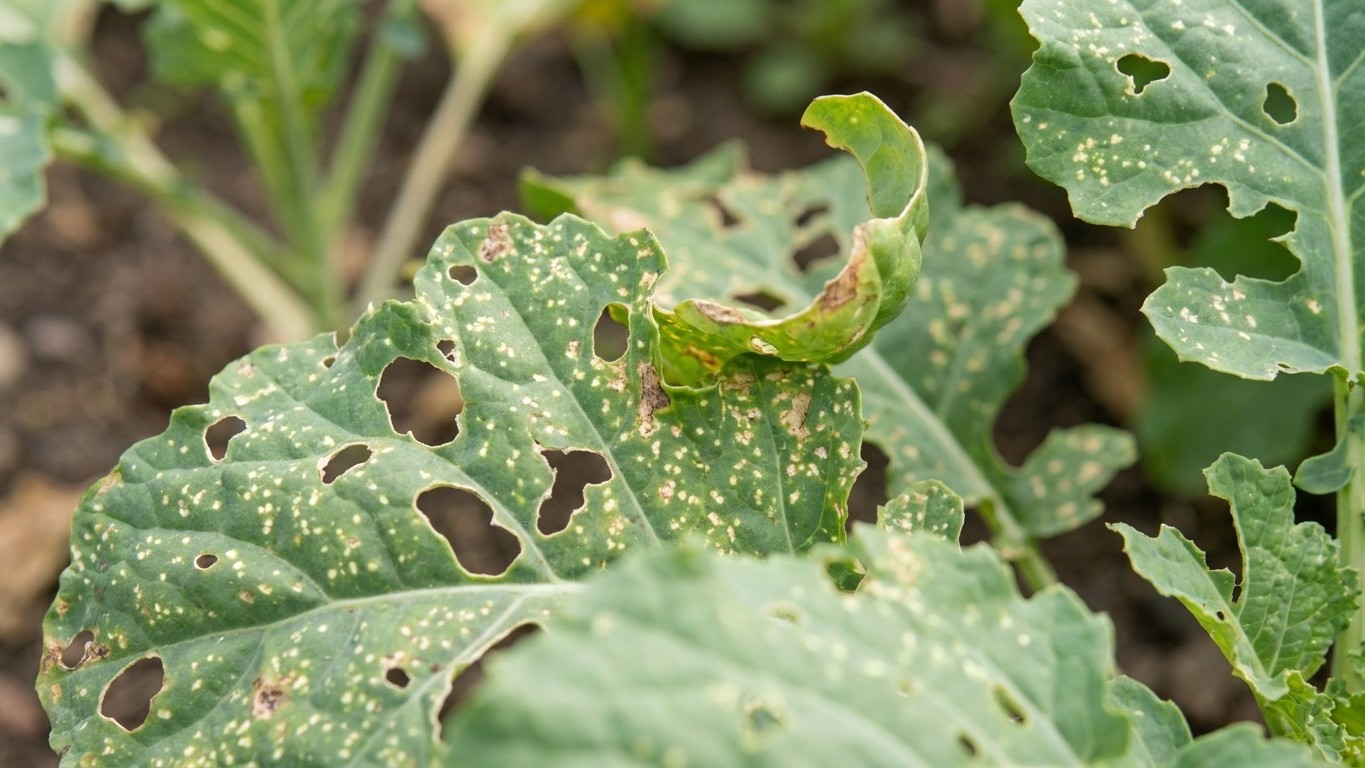
Pests round out the list, and Colorado State University Extension documents a specific set for this territory rather than a generic national roster. For summer squash, the two to watch are the squash bug and the spotted cucumber beetle, both of which can weaken or kill plants mid-season if populations build unchecked, along with spider mites, which tend to flare up during the driest, hottest weeks of a Colorado summer. Checking the undersides of leaves during that same every-few-days harvest walk catches an infestation while it’s still small enough to manage by hand.