
Summer squash in Maryland is ready roughly 55 days after planting, and the plant tells you before the calendar does: the fruit turns glossy and firm while still small, and the flower at its tip starts to wilt. From there, expect a harvest window running from early June into October, though the exact dates shift with where you planted and how the season behaves.
When summer squash are ready in Maryland
The plant gives the signal long before you need a calendar. Zucchini, yellow crookneck, and pattypan all announce themselves the same way: the skin goes glossy and taut, the fruit feels firm but not hard, and it snaps cleanly from the vine with a light twist. That signal travels with the plant. It works the same whether you’re gardening in Garrett County or on the Eastern Shore. The date it happens on does not travel at all.
Maryland’s last spring frost falls somewhere between April 3 and April 16, according to NOAA’s 1991-2020 Climate Normals for the region. That’s the earliest most gardeners risk setting out squash transplants or direct-seeding, since a late freeze will kill young plants outright. Western Maryland, up in Garrett and Allegany counties, runs weeks behind that window because of elevation. The Eastern Shore tends to warm up earlier and holds heat longer into fall.
Clemson Cooperative Extension’s guidance on summer squash puts first harvest at about 55 days after planting. Line that up with Maryland’s frost window and the math is straightforward: plant in mid-April, and the first fruit shows up in early June. Plant a succession crop in June or July, which many Maryland gardeners do specifically because squash bears so heavily and burns out fast, and you’re picking well into September.
The season’s other bookend is the first fall frost, which arrives between October 26 and November 5 across most of the state. Squash vines are tender and collapse fast once temperatures drop into the low 30s. Between those two frost windows, early June through late October is the span worth writing on your garden calendar, with the understanding that western counties compress it and the Eastern Shore stretches it.
What matters more than any date is frequency. Summer squash plants stop setting new fruit once an existing one is left to mature and toughen on the vine. Picking small and picking often is not a preference here. It is the mechanism that keeps the plant producing at all.
Keeping them, and for how long
Here is where summer squash parts ways with almost everything else in the garden. Clemson Cooperative Extension’s Home & Garden Information Center is direct about it: summer squash should be stored “in a plastic bag in the refrigerator for up to 1 week.” That’s the entire storage life. There is no root cellar version of this crop, no curing period, no months-long keeping the way winter squash or pumpkins allow.
The distinction matters because gardeners often assume all squash behave alike. Winter squash, the acorn and butternut types, develop a hard rind and can be cured and stored for months in a cool, dry space. Summer squash never hardens that way. Its thin, tender skin is exactly what makes it good eating and exactly why it has no shelf life to speak of. Up to 1 week in the refrigerator is the ceiling, not a target, and that ceiling assumes the squash was picked young, handled gently, and refrigerated promptly rather than left on a counter through a humid Maryland afternoon.
A week is also a maximum under ideal conditions, not a guarantee. Squash bruised in harvest, squash that sat in a warm car, or squash already showing a soft spot when it went into the bag will not make it anywhere close to seven days. Extension guidance describes best-case handling, and best-case is rarely what happens on a Tuesday evening after work.
This is exactly why a Maryland garden’s summer squash glut is a preservation problem, not a storage problem. If the plants are doing what they do, one healthy hill can produce more fruit in a week than a household can eat fresh, and the refrigerator cannot buy you more time to deal with it. Freezing, after blanching, is the standard answer, along with pickling, shredding for baked goods, or simply giving the surplus away before it turns. None of that changes the one-week clock on anything you’re keeping fresh in the crisper drawer. It just gives the rest of the harvest somewhere to go besides the compost pile.
Where in the house that actually is
For a lot of crops grown in Maryland, “storage” means finding a spot that’s cooler than a heated room but warmer than a refrigerator, something closer to a root cellar or an unheated basement corner. Summer squash skips that step entirely. The refrigerator is the only place Clemson Extension recommends, and it’s the right call here specifically because the squash’s tender skin can’t handle a garage’s temperature swings or a basement’s damp air the way a thick-skinned winter squash can.
A domestic refrigerator typically runs colder than many stored vegetables prefer, but for summer squash that’s fine. It isn’t a root vegetable trying to stay just above freezing in high humidity. It’s a fragile fruit trying to slow down for a few days before it softens and the surface starts to pit. The crisper drawer, set to its higher humidity setting if your fridge has that option, is the closest match in most Maryland kitchens.
Checking your fridge’s actual temperature with a thermometer is worth the two minutes it takes, because the dial setting and the real temperature inside often disagree, sometimes by several degrees. A crisper drawer that’s colder than expected can chill the squash enough to soften its texture prematurely; one that’s warmer than expected shortens that one-week window even further. Either way, you want the coldest part of the fridge that isn’t actually freezing anything, which for most home units is the back of a middle shelf or the crisper drawer itself.
A garage, a mudroom, or an unheated sunporch, the places Maryland households often use for onions or potatoes, will not do the job here. Summer’s heat load in this state, with roughly 24.6 days a year hitting 90 degrees or higher, means anywhere outside an air-conditioned or refrigerated space is too warm for a thin-skinned squash to hold up for more than a day or two.
What goes wrong here
The most common failure in Maryland gardens isn’t a storage mistake at all. It’s letting the harvest get ahead of you. Because summer squash plants stop producing once a fruit matures on the vine, a few days of vacation or bad weather can mean coming back to baseball-bat-sized zucchini and a plant that’s already slowing down. Checking the plants every other day during peak season is what prevents both the oversized fruit and the drop-off in yield that follows.
Humidity is the second problem, and it shows up two ways. In the garden, Maryland’s summer rainfall, about 12.6 inches across June, July, and August, arrives unevenly, often as thunderstorms that leave leaves wet for hours in muggy 90-degree heat. That’s a setup for fungal issues and rot on fruit sitting on damp soil. In the kitchen, the opposite problem crops up: squash bagged while still damp from the garden or a rinse will rot faster in the refrigerator than dry squash will, cutting that one-week window down considerably.
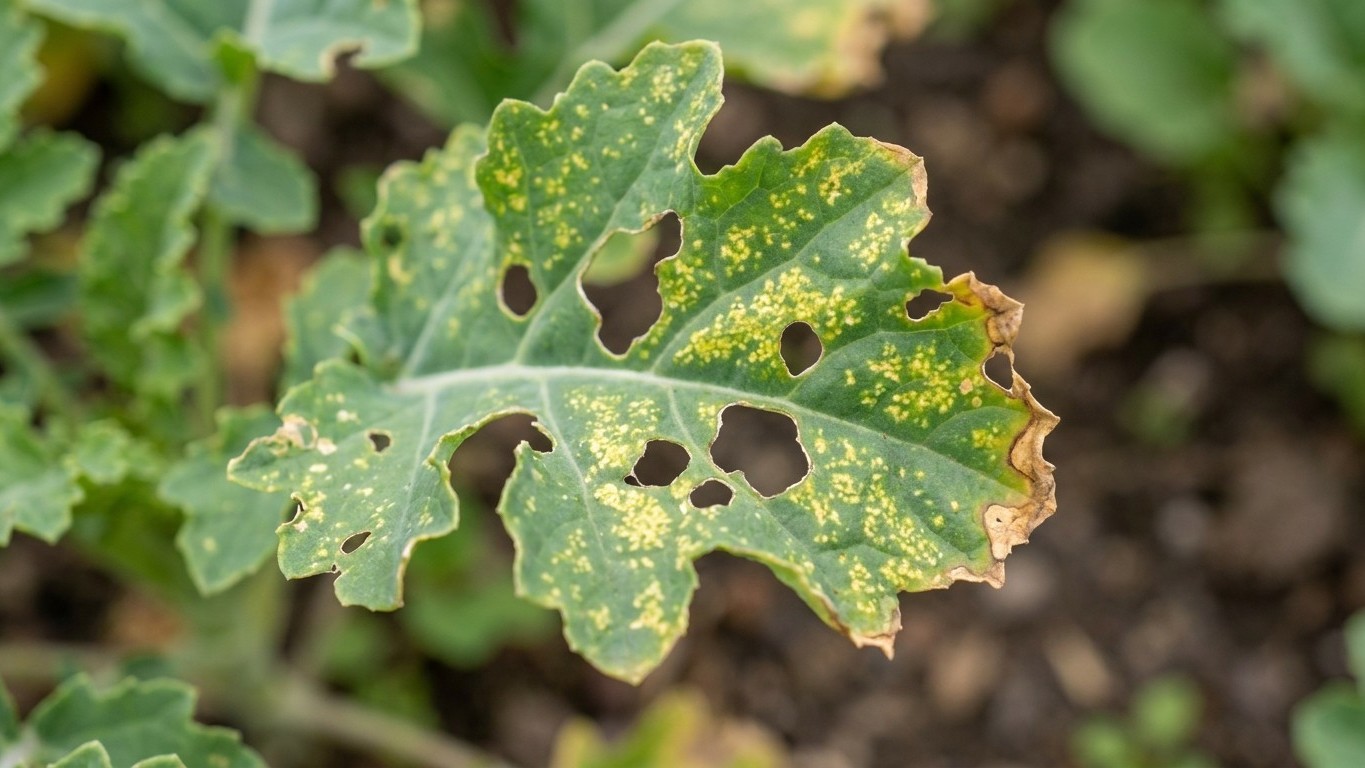
Pests round out the list. The University of Maryland Extension Home and Garden Information Center documents squash bugs and squash vine borers as established problems for the crop in this state. Squash vine borer larvae tunnel into stems and can collapse an otherwise healthy plant seemingly overnight, while squash bugs feed on leaves and fruit and multiply fast in a Maryland summer. Neither is a storage issue, but both shorten the productive window that makes the harvest and storage questions relevant in the first place, and catching either early is far easier than recovering a plant that’s already wilting.